British gardens are often designed with beauty in mind, but beauty alone does not guarantee year-round enjoyment. A lawn may look its best in July, while a patio can sit unused whenever the forecast turns uncertain. Even the most carefully planted border offers limited shelter from a sudden shower or a cool evening breeze.
This is where pergolas can make a practical difference. More than a decorative garden feature, it can help define how an outdoor space is used, making it more comfortable, flexible and inviting across a much wider portion of the year.
Creating a Room Outdoors
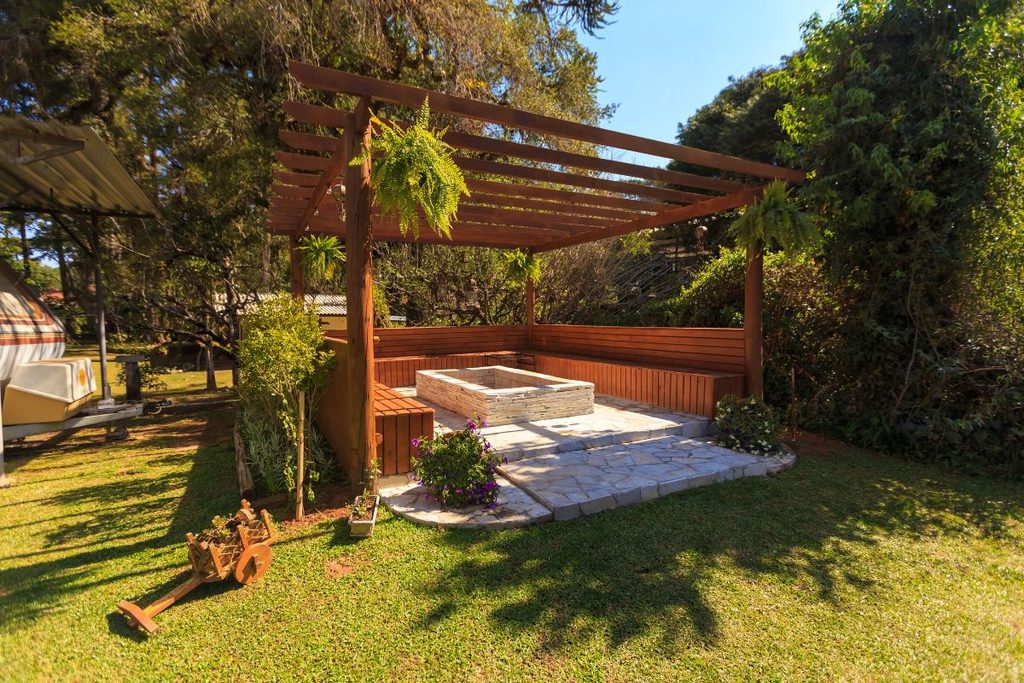
One of the most valuable things a pergola provides is a sense of structure. Open gardens can sometimes feel exposed, particularly where there is no obvious transition between the house and the wider landscape. Pergolas introduce a visual ‘room’, giving outdoor furniture, lighting and planting a clear setting.
That sense of enclosure does not have to mean building walls. A pergola remains open at the sides, preserving views and allowing air to circulate, while its frame establishes a more intimate area for sitting, dining or socialising. In a small garden, this can make the space feel more purposeful without overwhelming it. In a larger one, it can help break up an expanse of lawn and create distinct zones.
Positioning matters. A pergola placed directly outside the kitchen or living room can act as an extension of the home, reducing the distance between indoor and outdoor living. Alternatively, situating it further into the garden can create a destination: somewhere to retreat with a book, enjoy a morning coffee or gather around a fire pit.
Making the Most of Unpredictable Weather
The British climate is rarely as straightforward as the calendar suggests. Summer can bring bright sunshine, wind and rain within the same afternoon, while spring and autumn often offer perfectly pleasant days followed by sharply cooler evenings.
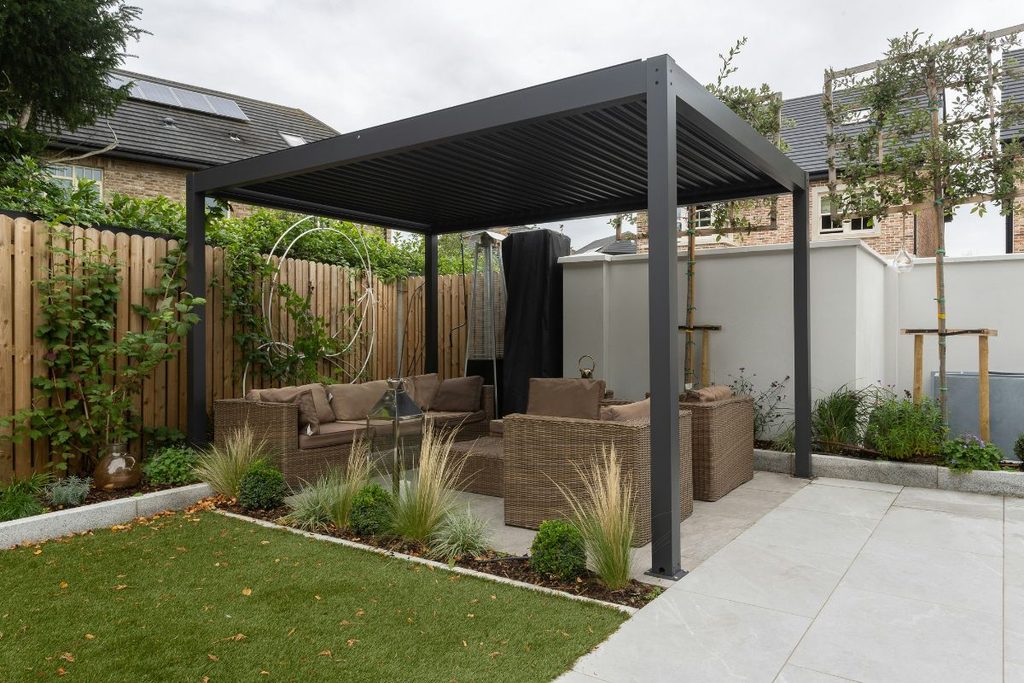
Pergolas cannot turn a garden into a conservatory, nor should it try to. Its strength lies in providing adaptable, partial shelter. A solid or adjustable roof can reduce glare and protect furniture from light rain, while side screens, curtains or climbing plants can offer additional protection from wind and create a greater feeling of privacy.
This flexibility is particularly useful for entertaining. Rather than cancelling a lunch because of a passing shower, you may be able to move beneath the pergola and continue comfortably. Likewise, outdoor dining becomes more appealing when guests are not sitting in direct sun or exposed to every breeze.
When comparing pergola solutions for outdoor entertaining, consider how the structure will perform in the conditions specific to your garden. A sheltered urban courtyard may need little more than shade, whereas an exposed coastal or rural site could benefit from a sturdier design, adjustable screening and secure anchoring.
Supporting Outdoor Entertaining
Designing Around How You Host
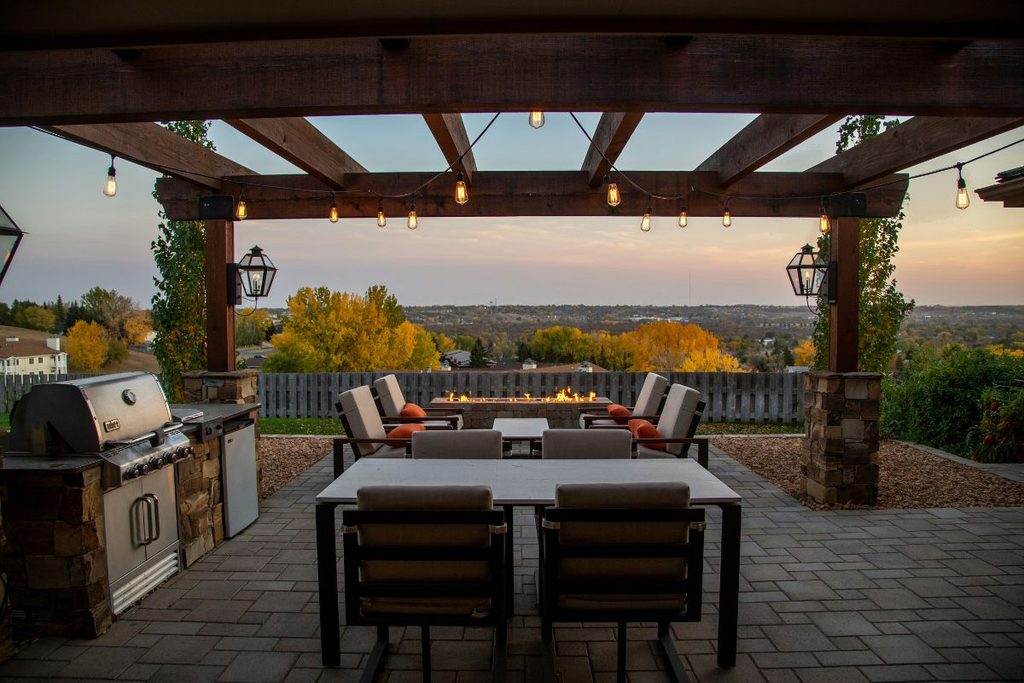
A pergola works best when it is planned around real habits rather than an idealised version of outdoor living. If you regularly invite friends for meals, allow enough room for a dining table and comfortable circulation around it. If informal gatherings are more common, a combination of sofas, occasional tables and flexible seating may be more suitable.
Think about practical details early. Adequate lighting extends use into the evening, while nearby storage can keep cushions, blankets and outdoor tableware close at hand. Electrical planning is also worth considering if you intend to install heaters, speakers or a small outdoor kitchen. Cables and fittings should be protected appropriately and installed by a qualified professional where necessary.
The roof style influences the atmosphere as well as the function. A fully covered design offers greater protection, while a louvred or retractable roof allows you to respond to changing levels of sunlight. The aim is not to replicate an indoor room, but to create a comfortable middle ground between house and garden.
Improving Comfort Beyond Summer
Well-designed pergolas can make outdoor space useful in spring and autumn, not just during peak summer. This is important in the UK, where the difference between a pleasant and unpleasant evening may come down to small environmental changes.
Outdoor heaters can provide targeted warmth, although they should be selected and positioned carefully. Soft furnishings, weather-resistant rugs and throws can make seating more inviting, while layered lighting helps create warmth visually even when temperatures fall. Planting can contribute too: evergreen climbers and dense shrubs offer shelter and soften the structure throughout the year.
Shade should not be overlooked in summer. A pergola with suitable overhead coverage can make a patio more comfortable during the hottest part of the day, particularly for children, older visitors and anyone sensitive to strong sunlight. It can also protect plants and outdoor furnishings from excessive exposure.
Choosing the Right Position and Materials
Before installing a pergola, observe the garden at different times of day. Where does the sun fall at lunchtime? Which direction does the prevailing wind come from? Is the proposed location close enough to the house for convenient use, and will it block an important view from inside?
The answers will influence both position and specification. Timber can bring warmth and a traditional character, but it requires regular maintenance and careful protection against moisture. Aluminium is often valued for its clean appearance, durability and relatively low maintenance, making it suitable for contemporary gardens. Whichever material you choose, look for robust construction and finishes intended for outdoor conditions.
Drainage and ground preparation are equally important. Pergolas should sit on a stable, level base, with rainwater directed away from seating and access routes. Poor preparation can undermine an otherwise attractive installation and create avoidable maintenance problems.
A More Flexible Garden, Not Just a Feature
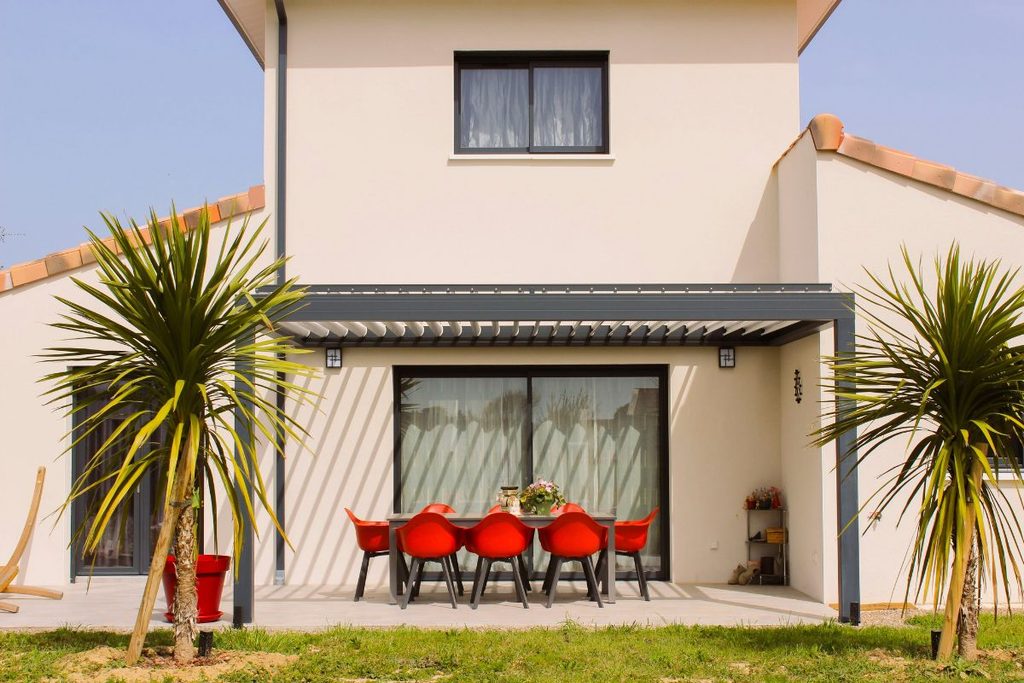
The best pergolas do not feel like additions imposed on a garden. They become part of its everyday rhythm: a place for breakfast on a bright morning, children’s games beneath light shade, relaxed dinners with friends, or quiet time outdoors when the rest of the garden feels too exposed.
That versatility is their real value. By offering structure, shelter and a stronger connection between the house and garden, a pergola can make outdoor space feel usable rather than merely visible. In a country where weather often dictates our plans, creating that extra layer of flexibility can transform how often—and how comfortably—you spend time outside.
Images courtesy of unsplash.com and pexels.com