Flat-roof extensions are a familiar solution for homeowners who need more space without dramatically changing the shape of their property. They can create a generous kitchen-diner, a garden room, a home office, or a more practical family space. Yet they come with one recurring design challenge: how do you bring enough daylight into the deepest part of the room?
Traditional vertical windows can only do so much, particularly when an extension sits behind the original house or has neighbouring boundaries close by. The result can be a room that is spacious on paper but feels darker than expected. Flat roof windows offer a way around that problem by bringing light from above, where it is less likely to be blocked by fences, nearby buildings, or the extension itself.
They are not simply a decorative extra. When chosen and positioned well, roof glazing can change how an extension works throughout the day.
Daylight reaches further into the room
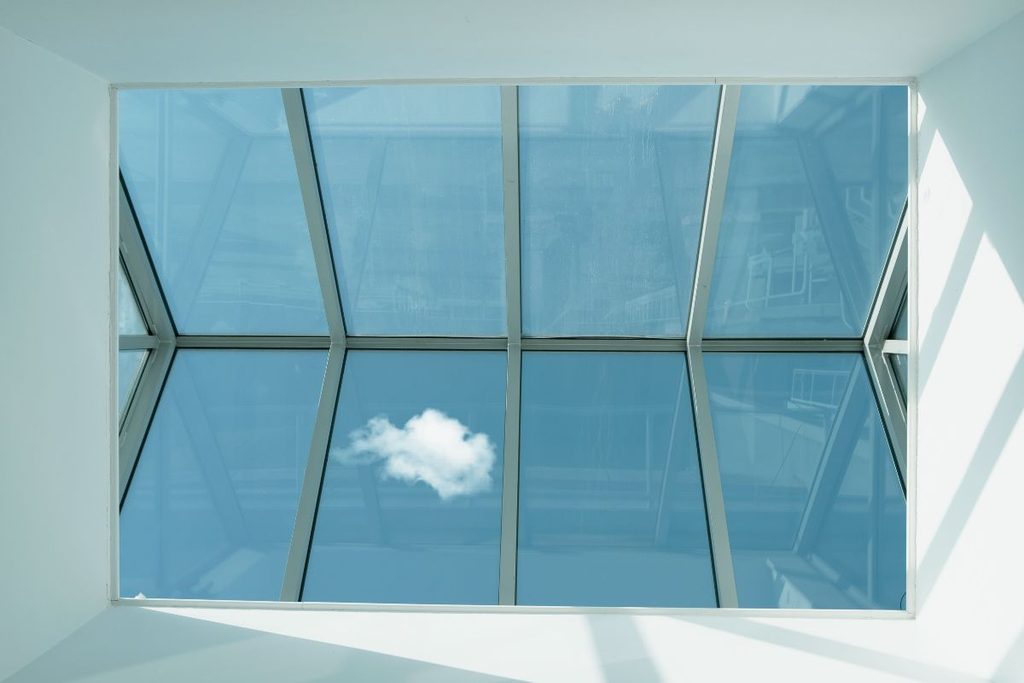
Light entering through a roof opening behaves differently from light arriving through a wall. A vertical window tends to illuminate the area closest to it, while overhead glazing can spread daylight more evenly through the centre of a space. This matters most in open-plan layouts, where the kitchen may sit furthest from the rear doors.
A roof window can reduce the contrast between the bright edge of a room and its darker interior. That often makes a space feel calmer and more usable, particularly during winter afternoons when natural light is limited.
A stronger connection to the sky
There is also a qualitative difference between simply having more light and having light from above. Looking up at passing clouds, rain, tree branches, or changing evening colour gives a room a sense of openness that standard windows cannot always provide.
This is especially useful in single-storey extensions with relatively low ceilings. Even where the roof height cannot be increased significantly, a well-proportioned roof window can draw the eye upward and make the room feel less enclosed.
The effect is subtle, but it can influence how people use the space. A kitchen island becomes a brighter place for homework or coffee. A dining table feels less dependent on artificial lighting. A compact office is more comfortable during long working days.
Design should start with the room, not the glazing
The best flat roof windows are not selected in isolation. Their size, position, and specification should follow the planned use of the room. A large central rooflight may suit a dining area, for example, while two smaller openings can work better over a kitchen and seating zone.
Homeowners weighing up options can find ways to brighten a flat-roof extension by considering not just the amount of glass, but where daylight is currently missing. That is the more useful question. If the back of the room already has wide sliding doors, the priority may be bringing light into the middle. If privacy limits side windows, overhead glazing may become the main source of daylight.
Orientation changes the equation
The direction the roof faces will affect the experience of the room. South-facing glazing can bring strong sunlight and welcome winter warmth, but it may also create glare or overheating in summer. North-facing roof windows generally provide softer, more consistent light, which can be preferable for workspaces or rooms with screens.
East- and west-facing openings bring more pronounced morning or afternoon sun. Neither is automatically better; the right choice depends on how the household uses the extension. Someone who cooks in the evening may value warm western light, while a home office may benefit from a more diffuse orientation.
Solar-control glass, blinds, and opening roof windows can all help manage the balance. The important point is to discuss these choices early, rather than treating shading as an afterthought once the room becomes uncomfortable.
Ventilation is an often-overlooked benefit
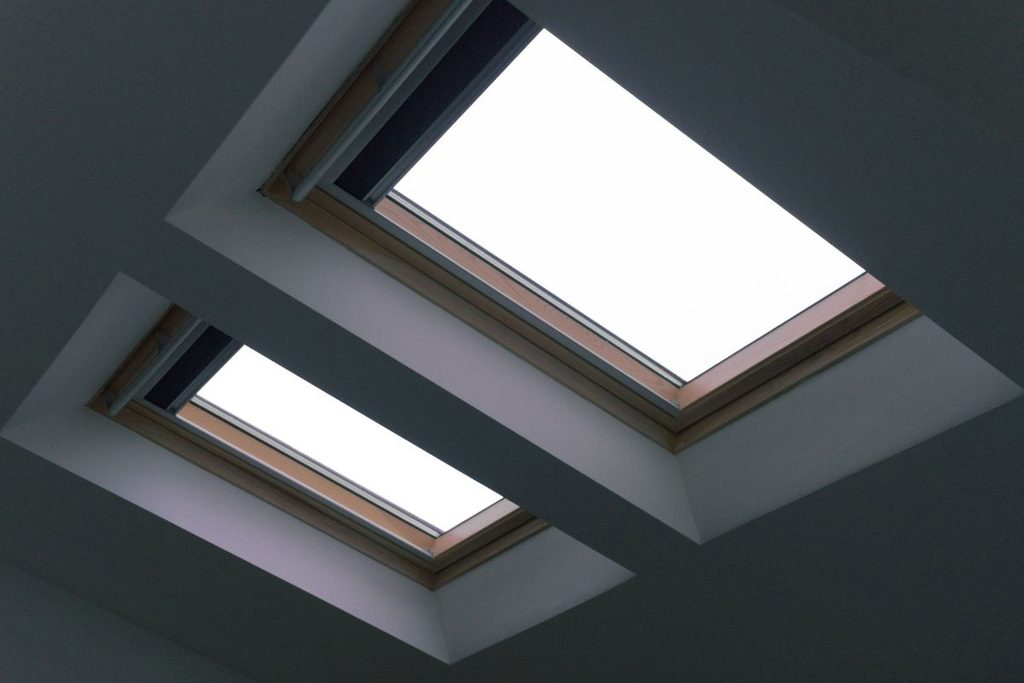
Flat roof windows can do more than admit daylight. Opening models can improve natural ventilation, particularly in kitchens, utility spaces, and rooms that tend to retain heat. Warm air rises, so a high-level opening can help release it more effectively than relying solely on a window at wall level.
This can be particularly valuable in an open-plan extension where cooking, entertaining, and family life all happen in one area. Even modest ventilation can make a noticeable difference after a meal is cooked or when several people are using the room.
Some systems are manually operated, while others use electric controls, rain sensors, or wall switches. The sensible choice depends on height, accessibility, and budget. A roof window placed above a kitchen island may be impractical to reach manually, whereas one over a lower seating area might be easy to operate with a pole or winding mechanism.
Thermal performance matters as much as appearance
Older rooflights earned a reputation for heat loss and condensation, but modern units are designed with far better glazing, insulated frames, and sealed installation systems. That said, performance still varies. It is worth asking about U-values, solar gain, glass coatings, and the quality of the surrounding roof build-up.
A roof window should be integrated properly with insulation, waterproofing layers, and roof drainage. Poor detailing around any roof penetration can lead to problems, regardless of how good the glazing itself is. Installation quality is therefore as important as the product specification.
Think about maintenance and cleaning
Most flat roof windows are designed to shed rainwater effectively, but their location means they can collect leaves, dust, or debris over time. This is more likely beneath overhanging trees. Planning safe access for occasional cleaning and inspection is sensible, particularly on larger roofs.
Inside, consider how the glass will look under different conditions. A very large pane can be striking, but it may also reveal more condensation or dust if ventilation is inadequate. Moderately sized, well-placed glazing often delivers a better long-term result than choosing the biggest possible opening.
A practical design decision with a lasting impact
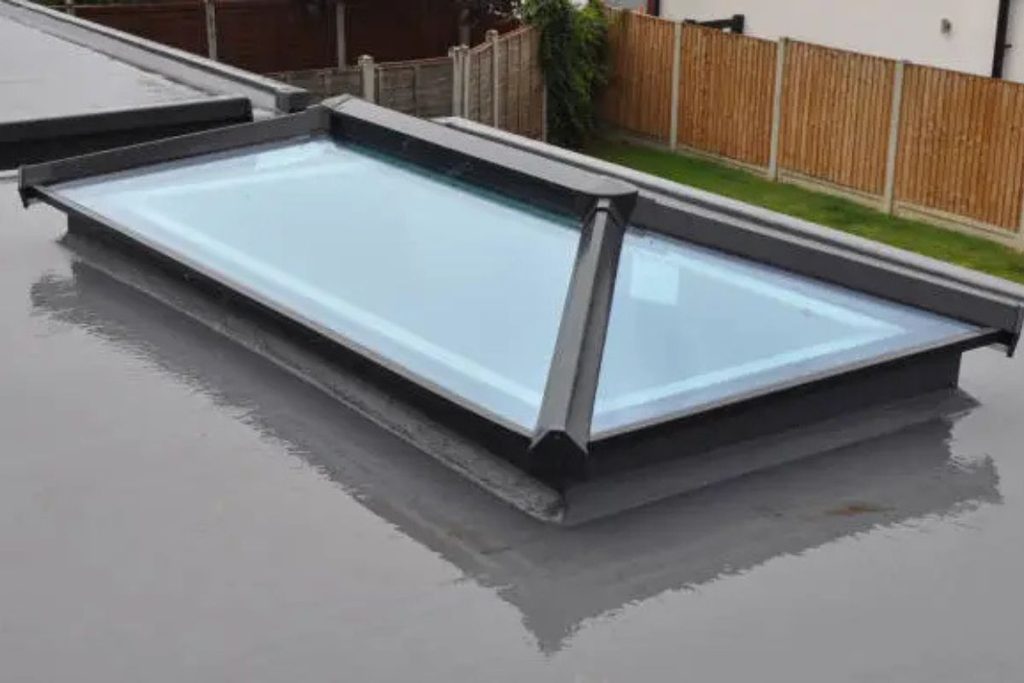
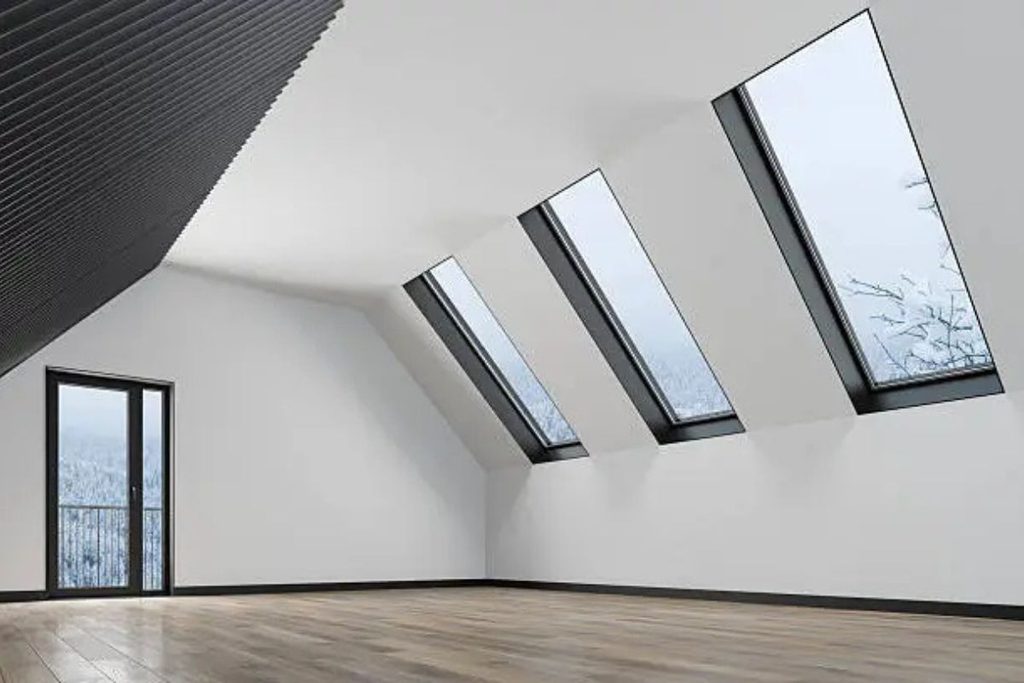
Flat roof windows are worth considering because they address a genuine architectural weakness of many extensions: the loss of daylight at the heart of the home. They can make a modest footprint feel more generous, reduce daytime reliance on electric lighting, and improve ventilation without sacrificing privacy.
The strongest schemes are not necessarily the most dramatic. They are the ones that respond to the room’s layout, orientation, ceiling height, and everyday use. Treat roof glazing as part of the extension’s overall design rather than a finishing touch, and it can become one of the features that makes the new space feel genuinely better to live in.
Images courtesy of pexels.com and unsplash.com