Modern vaporizers rely on basic electronic components to convert liquid blends into inhaled vapor smoothly. Learning how internal systems work helps users make informed daily decisions about personal devices.
Small circuitry boards manage power delivery through internal heating elements during active usage. Clear understanding of core mechanics in vape technology removes confusion surrounding modern personal vapor devices and daily hardware options.
Understanding All-In-One Hardware
Consumers often look for straightforward options when selecting daily hardware setups. Many modern setups utilize ready-to-fill AIO pens to combine simple refills with minimal routine maintenance. Integrated units eliminate complicated assembly steps to keep daily operation seamless for everyone.
Integrated designs keep power sources and liquid chambers contained within single physical bodies. Users handle fewer loose components when maintaining or transporting daily equipment. Streamlined builds appeal directly to consumers who prioritize convenient daily portability above complex custom configurations.
Internal silicone seals prevent liquid leaks during daily storage or active transport in pockets. Sturdy outer casings shield sensitive internal microchips from damage caused by accidental minor drops. Direct, user-friendly layouts continue leading consumer hardware choices across the industry.
Voltage Regulation and Power Output
Battery output determines how quickly internal heating coils reach optimal operational temperatures during activation. Adjusting power levels changes vapor density alongside flavor profiles across different liquid blends. Lower power settings preserve subtle flavor notes without scorching delicate internal coil components.
An industry battery guide explained that typical concentrate setups operate best within a range of 3.3 to 3.7 volts. Staying inside this power window protects internal hardware against heat damage. Proper voltage control maintains steady performance across every single user session.
Higher voltage output creates denser clouds, though it consumes battery energy at faster rates. Finding balance between power output and battery longevity creates better long-term hardware satisfaction. Consistent power delivery remains a priority for regular users seeking dependable daily results.
Modern Charging and Internal Batteries

Rechargeable power cells drive the vast majority of personal vaporizers available on the market today. Internal lithium cells store electrical energy effectively inside compact outer frames. Built-in protection sensors monitor current flow to prevent potential overheating during active charging cycles.
An industry report highlighted that newer hardware models incorporate USB-C ports to provide safer, faster, and more efficient charging than older connection types. Quick power recovery reduces waiting time between daily uses significantly.
Consistent charge habits extend total battery lifespan by preventing deep voltage drains. Unplugging hardware once fully charged keeps internal cell chemistry operating at peak stability. Direct battery care routines help internal electronics perform reliably across many months of use.
Smart Features and Digital Monitoring
Microprocessors inside modern devices track operating conditions in real time during heating cycles. Small digital displays or colored LED indicators report active power settings to users instantly. Smart internal electronics reduce manual adjustments required throughout daily hardware operation.
A vape technology publication reported that automatic coil detection, live resistance monitoring, and puff tracking have become standard capabilities in modern devices. Built-in tools prevent burnt hits by adjusting output wattage automatically based on connected hardware.
Automated safety cutoffs prevent continuous firing if activation buttons are pressed accidentally inside pockets or bags. Built-in circuit protection guards against short circuits and low voltage drops during heavy use. Smart safety protocols keep personal devices running smoothly under everyday operating conditions.
Key Components of Modern Hardware
Every personal vaporizer consists of key structural elements working together to generate vapor efficiently. Each component serves a distinct purpose in power storage, heat generation, or fluid delivery. Knowing primary hardware parts makes basic troubleshooting and cleaning far simpler.
Primary hardware components include:
- Internal lithium batteries that supply steady electrical current to the heating chamber.
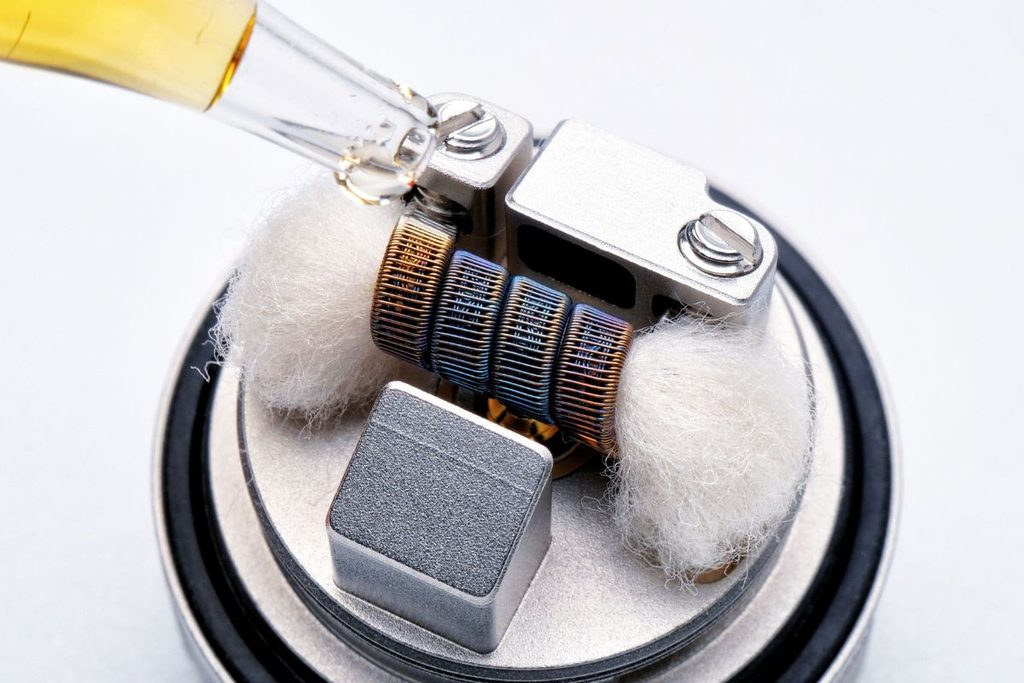
- Atomizers containing resistive metal coils wrapped around absorbent wicks.
- Refillable or prefilled chambers designed to hold liquid formulations securely.
- Airflow channels that allow smooth vapor delivery upon direct inhalation.
Internal components interact seamlessly when activation buttons or automatic draw sensors are triggered. Regular cleaning removes sticky residue from contact threads to maintain strong electrical conductivity.
Airflow Dynamics and Heating Coils

Air intake design influences draw resistance and vapor temperature during active inhalation. Tight intake paths create firmer draw resistance, whereas wider vents yield cooler and larger vapor clouds. Adjustable intake valves allow users to fine-tune physical pull preference easily.
Heating coils rely on specialized materials like ceramic, mesh, or stainless steel to generate thermal energy. Ceramic elements provide uniform heat distribution that protects delicate formulation compounds. Mesh structures increase total contact surface area for rapid heating response times.
Wicking materials draw liquid directly to heated metal elements through natural capillary action. Synthetic or organic cotton fibers deliver steady fluid saturation without leaking into air channels. Balanced fluid absorption prevents dry hits and maintains clean flavor delivery.
Understanding vape technology helps consumers select hardware that aligns with individual preferences. Simple device designs, smart protective chips, and efficient charging ports make modern hardware dependable.
As internal vape technology continues refining heating methods and battery safety features, daily operation becomes increasingly practical. Users who maintain hardware properly enjoy steady performance and extended component lifespans.
Images courtesy of unsplash.com and pexels.com