If you are thinking about improving your home, you may be wondering whether domestic solar panels are a good choice for your property. Solar panels can allow you to generate some of your own electricity from sunlight, potentially reducing the amount of energy you need to purchase from the grid.
However, whether solar panels are the right option for you will depend on factors such as your home, energy usage, budget and the amount of sunlight your property receives.
For many homeowners, solar panels can be a practical long-term improvement that combines renewable energy generation with the potential to reduce household electricity costs.
How Do Solar Panels Work?
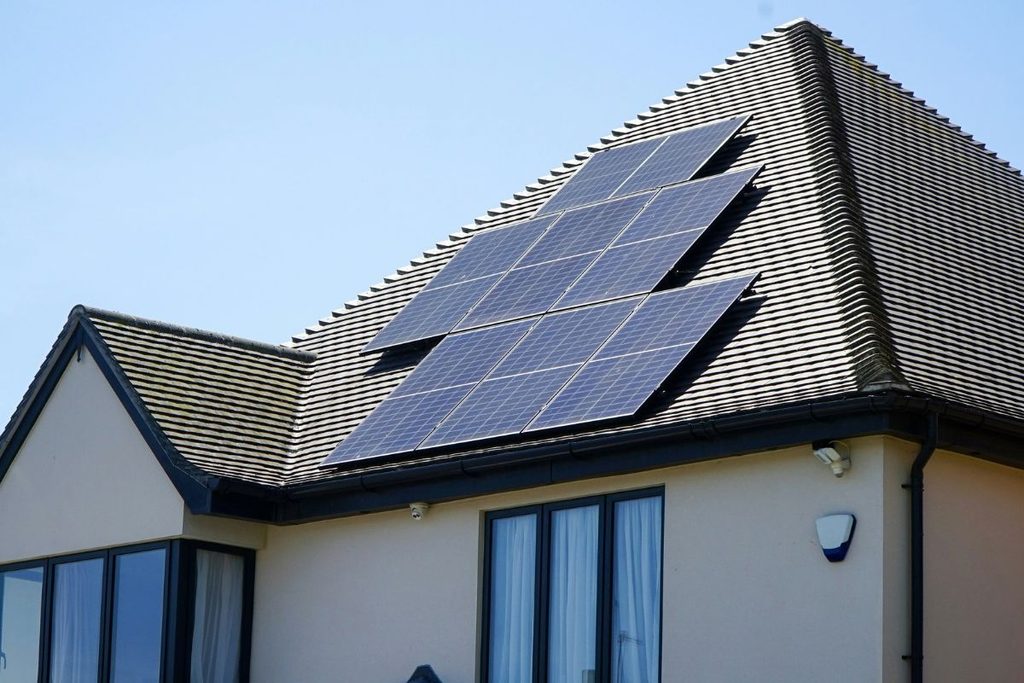
Solar panels use photovoltaic cells to convert sunlight into electricity.
When sunlight reaches the panels, they generate direct current electricity, which is then converted into alternating current by an inverter so it can be used by your home’s electrical appliances.
Your panels will generally generate the most electricity during daylight hours, although the amount produced will vary depending on the time of year, weather conditions, orientation and shading.
You can use the electricity generated by your panels within your home, while surplus electricity may be stored in a battery or exported to the grid, depending on your system.
Can Solar Panels Reduce Your Energy Bills?
One of the main reasons homeowners consider solar panels is the potential to reduce electricity bills.
When your panels are generating electricity, you can use this energy to power appliances and systems within your home rather than purchasing the equivalent electricity from the grid.
The amount you can save will depend on how much electricity your panels generate and how much of that electricity you use yourself.
If you are regularly at home during daylight hours, you may have more opportunities to use your solar electricity directly.
How Much Electricity Can Your Home Generate?
The amount of electricity a system can generate depends on several factors.
These can include the size of your system, the orientation and angle of your roof, shading from trees or nearby buildings, and local weather conditions.
A larger system can generally generate more electricity, provided there is sufficient suitable space available.
Before installation, a professional assessment can help determine how suitable your property is and what size system may be appropriate for your needs.
What About the UK Weather?
You may assume that solar panels are only effective in bright, sunny weather, but they can still generate electricity on cloudy days.
However, electricity generation will generally be lower when there is less available sunlight.
The UK’s variable weather therefore does not prevent solar panels from working, but it does mean that your system’s output will change throughout the year.
You should also expect your panels to generate more electricity during longer summer days than during shorter winter days.
Using Solar Panels With Battery Storage
You can combine solar panels with battery storage to make greater use of the electricity your system generates.
If your panels produce more electricity than your home needs during the day, a battery can store some of this surplus energy.
You can then use the stored electricity later, such as during the evening when your panels are no longer generating as much.
This can increase the amount of your solar electricity that you use within your home, although the benefits will depend on your energy consumption and the size and performance of your battery.
Could Solar Panels Make Your Home More Energy Efficient?
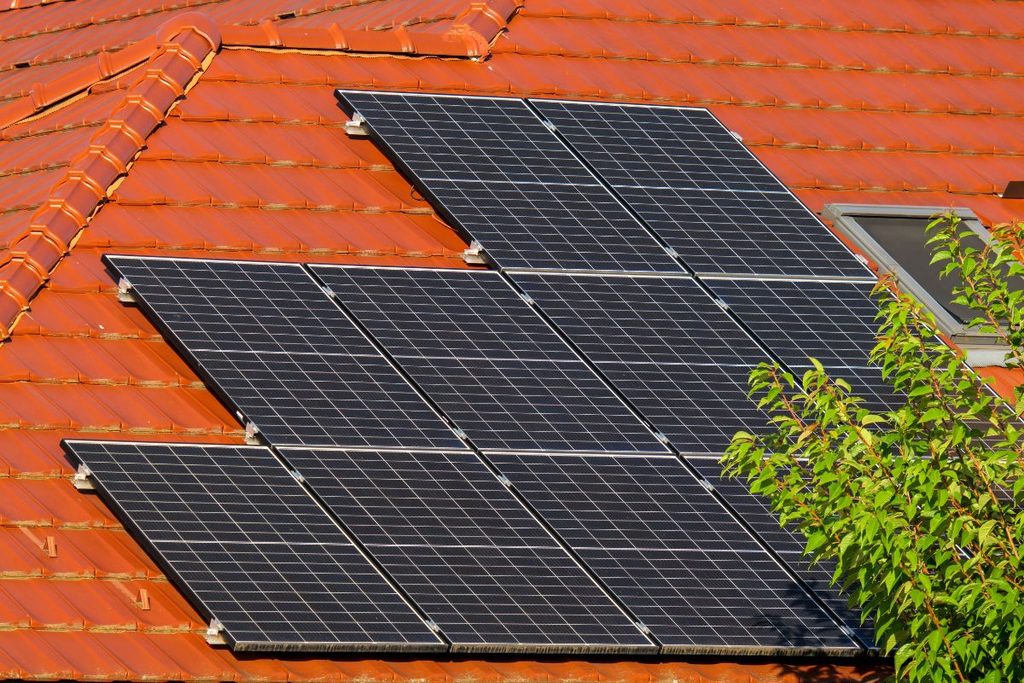
Solar panels can form part of a wider approach to improving your home’s energy efficiency.
However, it is useful to distinguish between generating renewable electricity and reducing the amount of energy your home needs.
For example, improving insulation, draught-proofing your home and upgrading inefficient heating systems can reduce energy demand.
Solar panels can then help provide some of the electricity your home does require from a renewable source.
Considering these improvements together can help you take a more complete approach to managing your home’s energy use.
Can Solar Panels Work With an Electric Vehicle?
If you own an electric vehicle, your solar panels can potentially be used to help charge it.
Using solar electricity to charge your vehicle can allow you to make use of some of the renewable energy generated by your home rather than purchasing all of the electricity needed for charging from the grid.
Smart electric vehicle chargers can also give you greater control over when charging takes place.
If you are considering both solar panels and an electric vehicle charger, it can be useful to plan the systems together.
What Are the Environmental Benefits?
Solar panels generate electricity without directly producing carbon emissions during operation.
By generating some of your own electricity from sunlight, you can reduce your reliance on electricity supplied through the grid.
The overall environmental impact of solar panels also depends on factors such as manufacturing, transportation, installation and eventual recycling.
Nevertheless, solar panels can form part of a wider effort to increase the use of renewable energy within your home.
Are Solar Panels Suitable for Every Property?
Solar panels will not necessarily be suitable for every home.
Your roof may have limited space, significant shading or an orientation that affects potential electricity generation. The condition and structure of your roof may also need to be considered before installation.
If you live in a flat or unusual property, you may also have different considerations compared with a typical pitched-roof home.
A professional survey can help identify any potential issues and give you a better understanding of what installation would involve.
Do Solar Panels Need Much Maintenance?
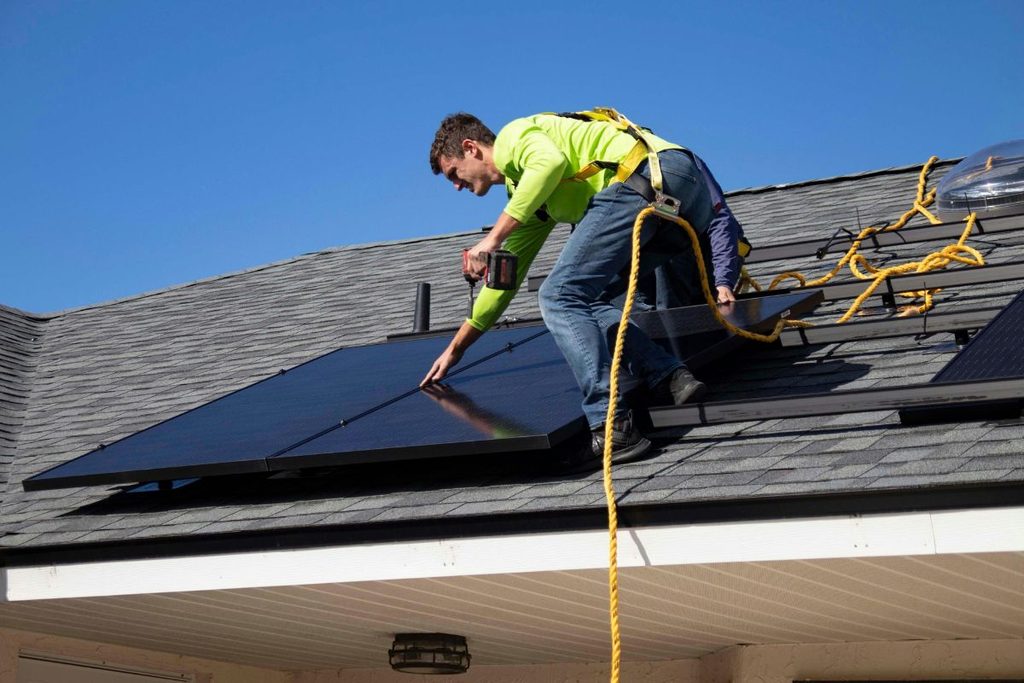
Solar panels generally require relatively little routine maintenance once installed.
It is still important to keep an eye on your system and monitor its performance so that you can identify any significant changes in electricity generation.
Depending on the location and surroundings of your property, panels may occasionally require cleaning, particularly if dirt, debris or other material accumulates on their surface.
Your inverter and other components may also require attention over time.
Following the manufacturer’s recommendations and arranging professional maintenance where necessary can help keep your system operating effectively.
What Is the Cost of Solar Panels?
The cost of installing solar panels varies considerably between properties.
The size and type of system, the complexity of the installation, battery storage and other equipment can all affect the overall cost.
It is important to consider the installation as a long-term investment rather than focusing only on the initial price.
You should compare the expected energy generation and potential savings with the upfront cost, while also considering how your energy requirements may change in the future.
What About the Future?
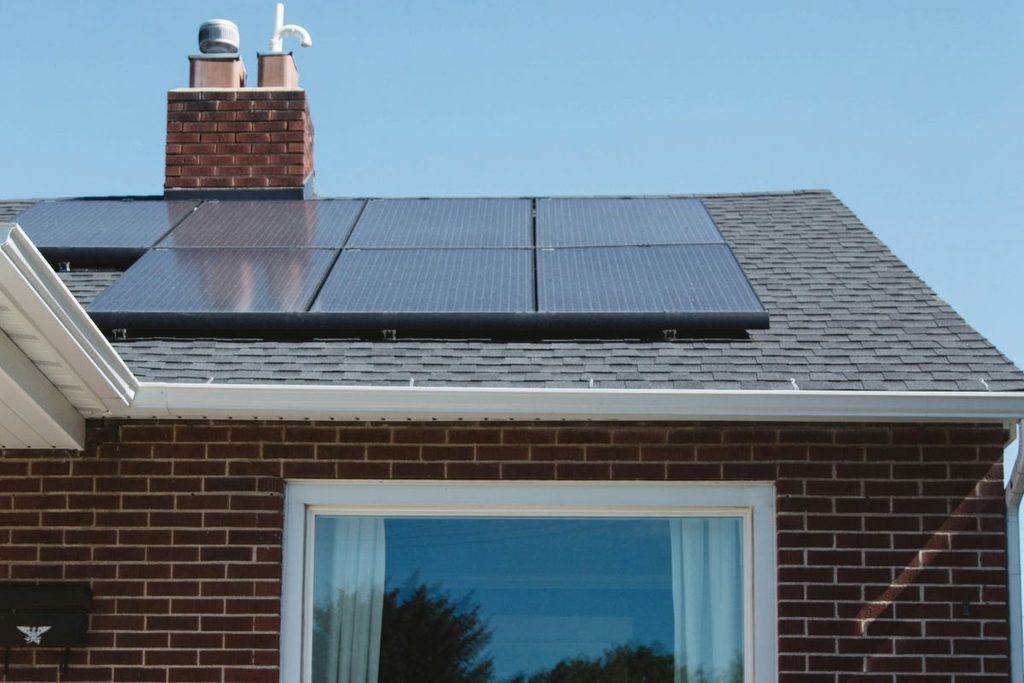
Solar panels can be particularly useful when considered as part of your home’s longer-term energy plans.
You may eventually decide to add battery storage, an electric vehicle charger, smart energy management or other renewable technologies.
Thinking about these possibilities before installing your solar panels can help you choose a system that is suitable for your current requirements while allowing for future changes.
In Conclusion
Solar panels can be a good choice for your home if you have suitable roof space, a reasonable level of sunlight and electricity consumption that allows you to make use of the energy they generate.
They can potentially reduce your reliance on electricity from the grid, lower your energy bills and provide your household with a source of renewable electricity.
However, solar panels are not automatically the right choice for every property. The suitability and potential financial benefits will depend on your individual circumstances. If you are considering solar panels, assessing your property’s suitability, current energy consumption and potential future energy needs can help you decide whether installing a solar panel system is a worthwhile improvement for your home.
Images courtesy of unsplash.com and pexels.com.