Second-home ownership in and around Britain’s national parks is being reconsidered as local authorities respond to housing pressure in popular rural destinations. Council tax premiums, planning controls and tighter rules for short-term accommodation vary across the UK, adding to the costs and responsibilities associated with buying a conventional cottage.
Holiday lodges have emerged as an alternative for buyers who want regular access to the countryside without maintaining an older rural property. Their appeal lies partly in providing accommodation close to walking routes, lakes and protected landscapes, with the possibility of rental income between personal stays. However, a lodge is not simply a smaller second home. Buyers need to examine planning status, occupancy restrictions, site fees, rental arrangements and resale conditions before treating one as an investment.
Why the Yorkshire Dales Is a Lodge Ownership Hotspot
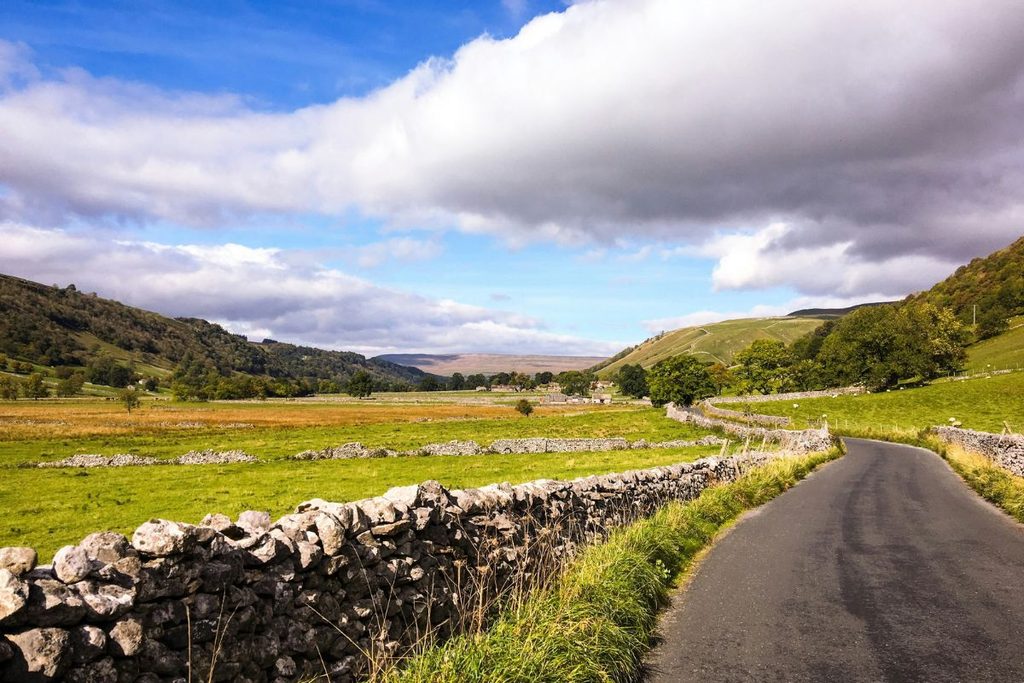
The Yorkshire Dales attracts lodge buyers looking for a second home through its established visitor economy and access to walking, cycling and market towns. Wensleydale and Swaledale have different levels of services and road access, so buyers should look beyond the landscape when comparing locations. A remote setting may suit personal holidays but create practical issues for cleaning, maintenance and guest changeovers.
When exploring lodges for sale in Yorkshire Dales, buyers should establish whether each site lies inside the National Park or in the wider surrounding region. Protected status does not guarantee the quality, exclusivity or planning position of an individual development. Planning permission, permitted months of use and restrictions on permanent residence should all be checked. Site fees, management arrangements, broadband performance and subletting conditions can also affect ownership. Any projected rental income should be assessed against documented occupancy figures and operating costs instead of assumed year-round demand.
National Parks Are Tightening Second-Home Rules
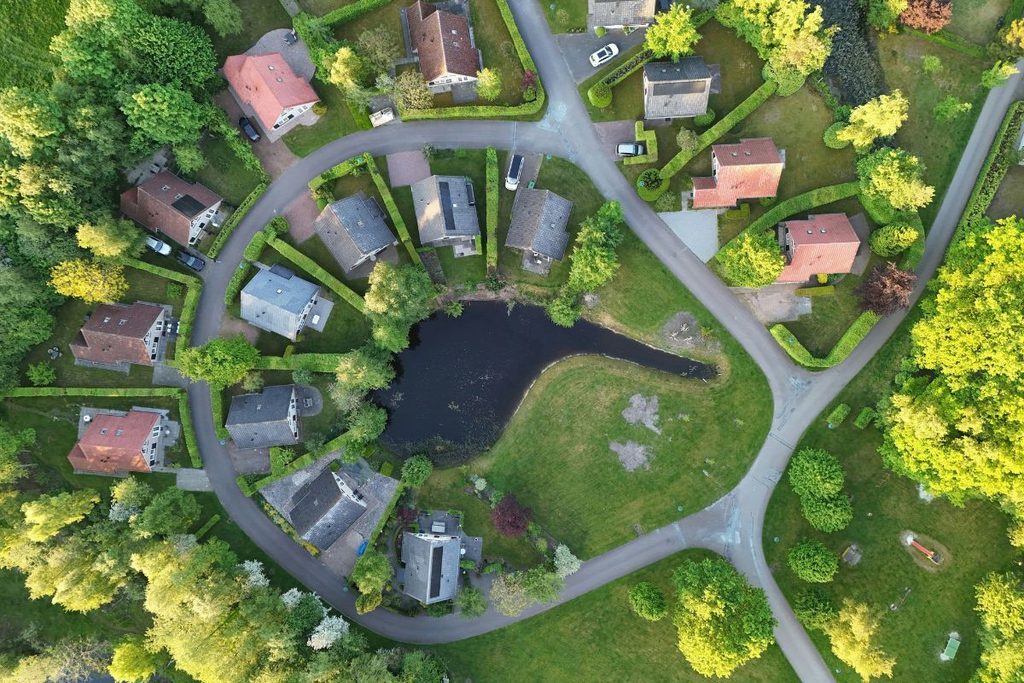
Rules affecting second homes are becoming more localised across rural Britain. Some councils impose council tax premiums, while certain planning authorities require newly approved homes to be occupied as a principal residence. These measures do not apply uniformly across every national park, and they should not be assumed to affect existing homes and new developments in the same way.
Holiday lodges operate under a different framework, but they are not automatically exempt from local restrictions. Buyers should check the planning permission for the site, any holiday-use or seasonal occupancy conditions and whether the operator holds any required caravan site licence.
The purchase agreement may also restrict subletting, resale or use as a permanent address. Council tax, business rates and other liabilities depend on the property and how it is used. A solicitor familiar with holiday parks should review the documentation before purchase, particularly when projected rental income forms part of the decision.
The Case for Holiday Lodges Over Traditional Second Homes
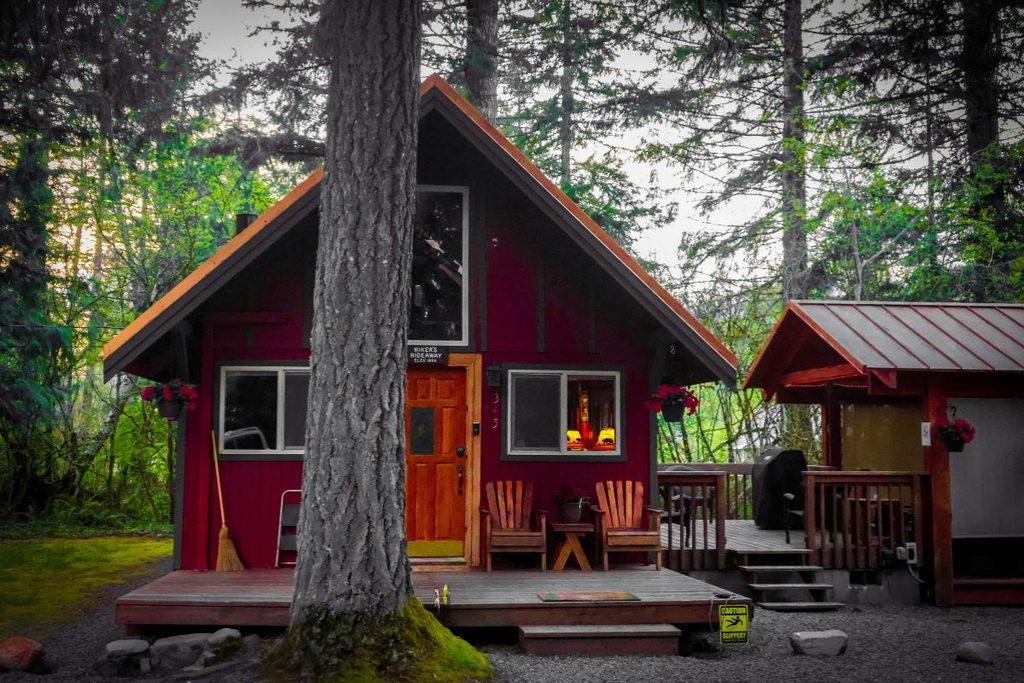
A managed lodge can reduce some of the work associated with owning an older rural property. Site operators may handle grounds maintenance, security, guest changeovers and rental marketing, while newer units may require fewer immediate repairs than a period cottage. These services may reduce the practical burden for owners who live several hours away, but they are funded through site fees, management charges or commission on bookings.
The comparison is not limited to maintenance. A traditional second home may be sold freehold and qualify for conventional property finance, whereas lodge ownership can involve purchasing the unit and receiving contractual rights to occupy a pitch.
Construction standards, energy systems and leisure facilities vary between developments and should be verified individually. Buyers should also examine how fees may increase, who controls rental pricing, whether they can appoint another management company and what happens when the lodge is resold. Convenience has value, but it needs to be measured against the owner’s contractual rights and continuing costs.
Which National Parks Are Seeing the Sharpest Rise in Demand
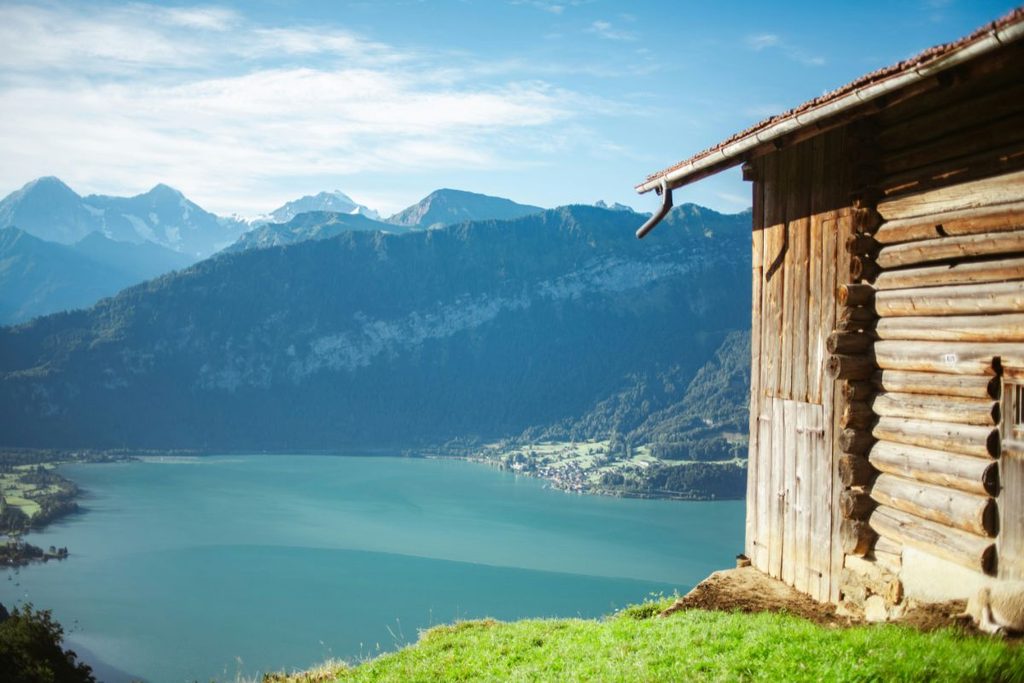
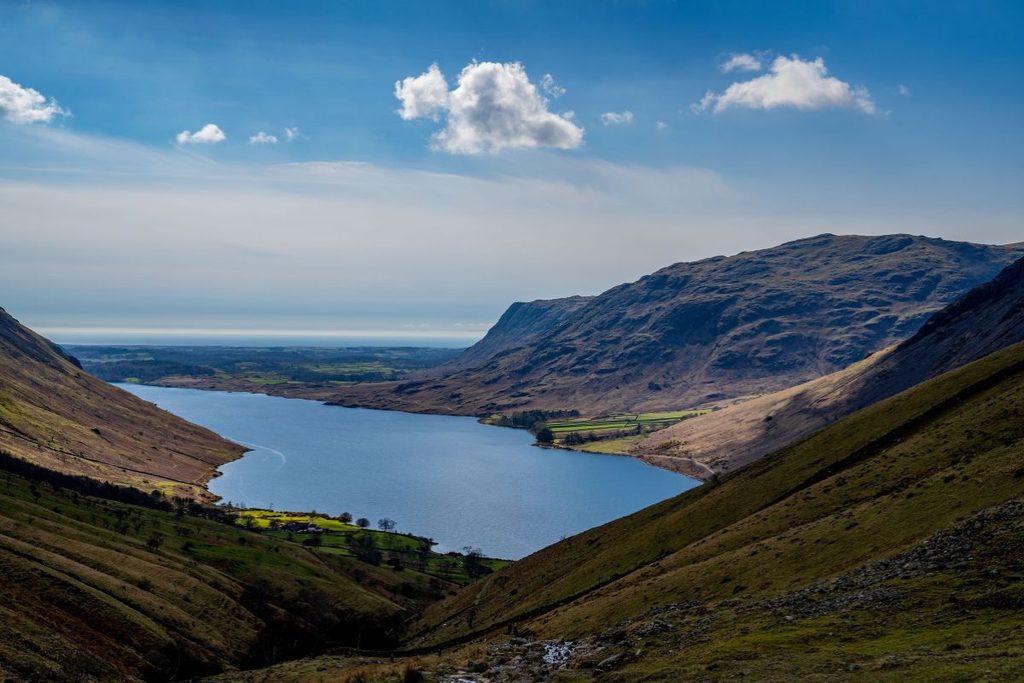
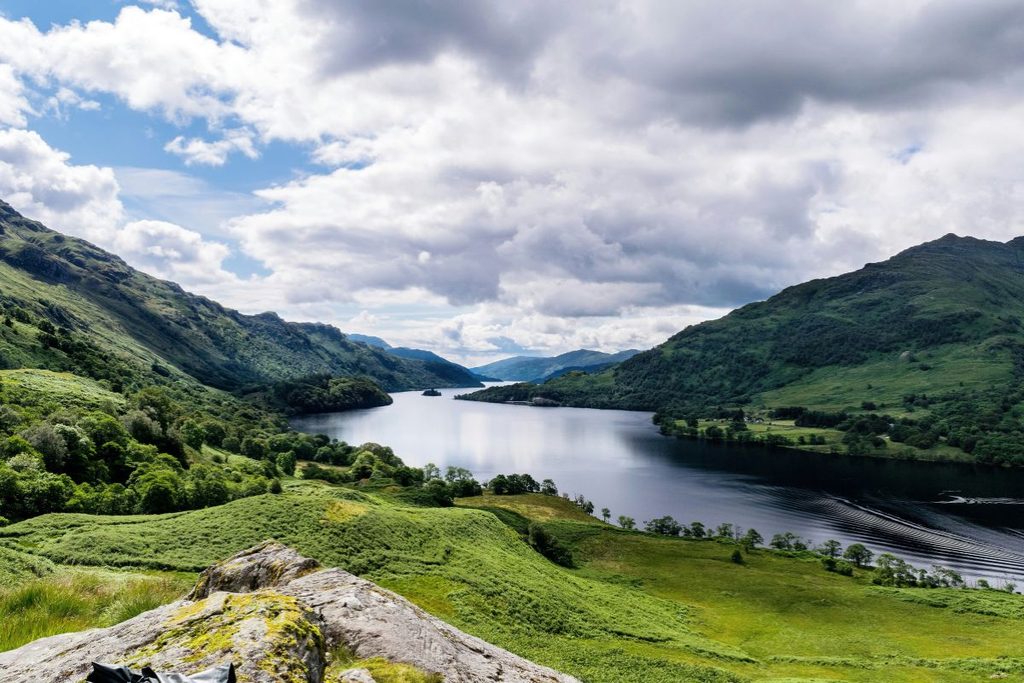
There is no single UK dataset that measures lodge demand consistently across every national park, making claims about the fastest-growing locations difficult to verify. Pembrokeshire Coast and Loch Lomond and The Trossachs attract interest for different reasons. Pembrokeshire has access to coastal walking routes and established visitor towns, while Loch Lomond is accessible from Scotland’s central belt and supports boating, walking and other outdoor activities.
The Lake District and Yorkshire Dales also have mature tourism markets, but visitor numbers or limited development land do not automatically translate into profitable lodge ownership.
Buyers of a second home assessing a supposed hotspot should request evidence from the specific development. Relevant information includes completed sales, the time taken to resell existing units, historic booking levels and the net income owners received after fees. Seasonal occupancy and nightly rates should be separated from annual performance. Local planning constraints may restrict future supply, but scarcity alone does not protect resale values or guarantee rental demand.
What Buyers Should Consider Before Investing in Protected Landscapes
Due diligence should begin with the legal structure of the purchase. A lodge purchase, in a Protected Landscape, may include a licence to occupy a pitch without transferring ownership of the underlying land, leaving the buyer’s rights dependent on the written agreement. A solicitor should check its duration, renewal provisions, termination clauses and any requirement to replace or remove the unit after a specified period.
Planning permission and the site licence also need separate examination. Permission to use a lodge throughout the year does not necessarily allow it to become a permanent residence. Buyers should confirm personal-use limits, seasonal closures and subletting rules. Annual pitch fees, utilities, insurance, maintenance charges and rental commissions must then be deducted from projected income. The agreement should explain how these charges can increase and whether the operator controls marketing or resale. A structural survey and independent tax advice can identify further costs before funds are committed.
Is a national park your next investment?
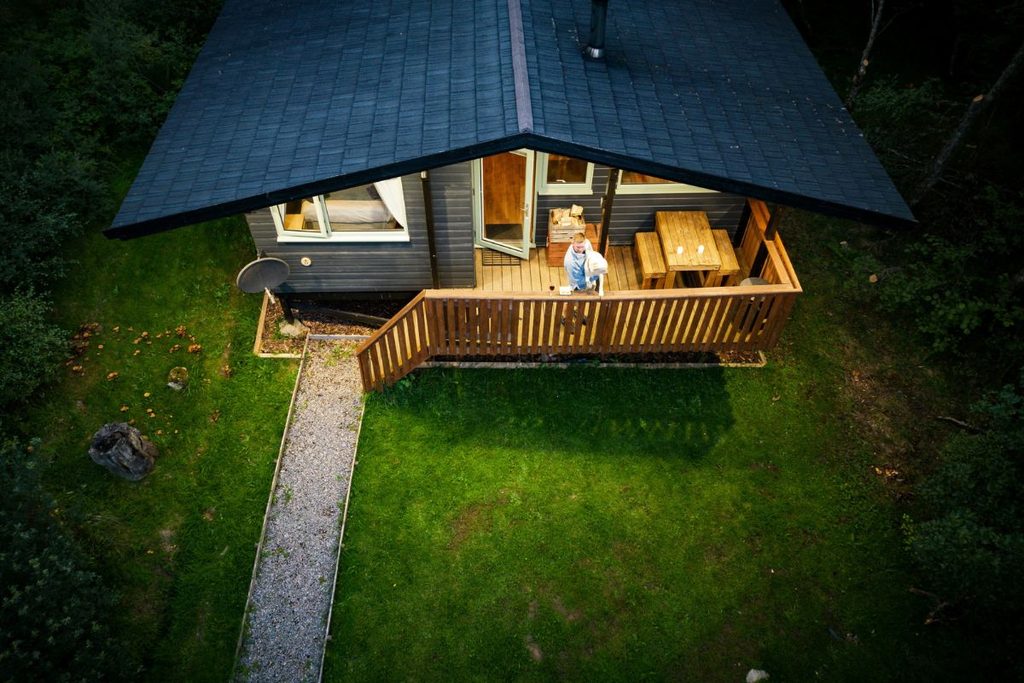
A lodge near a national park may provide regular access to the countryside and the option to earn income when it is not in personal use. That combination can be attractive, but it does not make every development a sound investment. Rental demand varies by location and season, while site fees and management commissions reduce the income retained by the owner.
The decision should begin with how the lodge will be used. A buyer prioritising family holidays may judge the purchase differently from someone relying on rental income or future resale. In either case, planning conditions, pitch tenure, operating costs and exit restrictions need to be understood before purchase. Independent legal, financial and tax advice can test the operator’s projections and clarify the buyer’s rights. The surrounding landscape may support demand, but the contract and individual site ultimately determine whether ownership remains practical.
Images courtesy of unsplash.com and pexels.com