Walk into a well-designed boutique hotel lobby and you will notice something before you notice anything else: it does not feel like a place of business. Layered lighting, tactile fabrics, a scent that lingers just enough to register, art that looks chosen rather than ordered in bulk. That same instinct is now showing up somewhere unexpected, the modern office, and it is changing how we think about the spaces we spend our working hours in.
It is worth asking why this took so long. Offices have always had budgets, often far larger than the average hotel refurbishment, yet for decades they defaulted to the same formula: carpet tiles, a suspended ceiling grid, desks arranged in rows facing a whiteboard. Hospitality never had that luxury of complacency. A hotel that gets its interiors wrong loses bookings within a season, so the sector has spent years refining what actually makes a space feel welcoming rather than merely functional. Offices are only now catching up to a lesson hotels learned the hard way.
Why Hotels Became the New Benchmark for Interiors
For years, the design world looked to homes for inspiration and offices copied whatever homes were doing a decade later, usually badly, with a beige sofa and a motivational print. Hospitality has flipped that order. Hotel groups compete on how a space makes a guest feel within the first ninety seconds of arrival, and that pressure has produced genuinely sharp thinking about lighting, acoustics, materials and flow. Interior designers we have spoken to across the home and workspace sectors describe the shift in almost identical terms: hospitality design solves the problem of making an unfamiliar space feel instantly comfortable, and that is exactly the problem a lot of offices have quietly been failing to solve for years.
The Design Cues Moving From Lobby to Desk

A handful of hospitality habits keep reappearing wherever this trend takes hold.
Layered, warm lighting instead of a single overhead grid
Table lamps, wall sconces and dimmable fixtures replace the flat fluorescent wash that once defined office lighting, softening the room the way a good hotel bar softens an evening. It sounds like a small change on paper, but swapping a single ceiling grid for three or four sources of light at different heights is consistently the change designers say clients notice fastest.
Textiles that invite you to sit down and stay
Velvet banquettes, wool upholstery and layered rugs turn a corridor into somewhere people actually linger, rather than a route between meetings.
Scent and sound as deliberate design tools
Signature scents and curated playlists, long a hospitality staple, are being used to give workspaces a consistent identity the way a favourite hotel chain has one.
Distinct zones rather than one uniform floor plate
Lounge-style seating, quiet reading corners and a proper coffee counter break up the day the same way a hotel separates its lobby, bar and library. Nobody expects a hotel guest to sit in one chair for eight hours, and increasingly nobody expects that of an office worker either.
From Boutique Hotels to Coworking Spaces
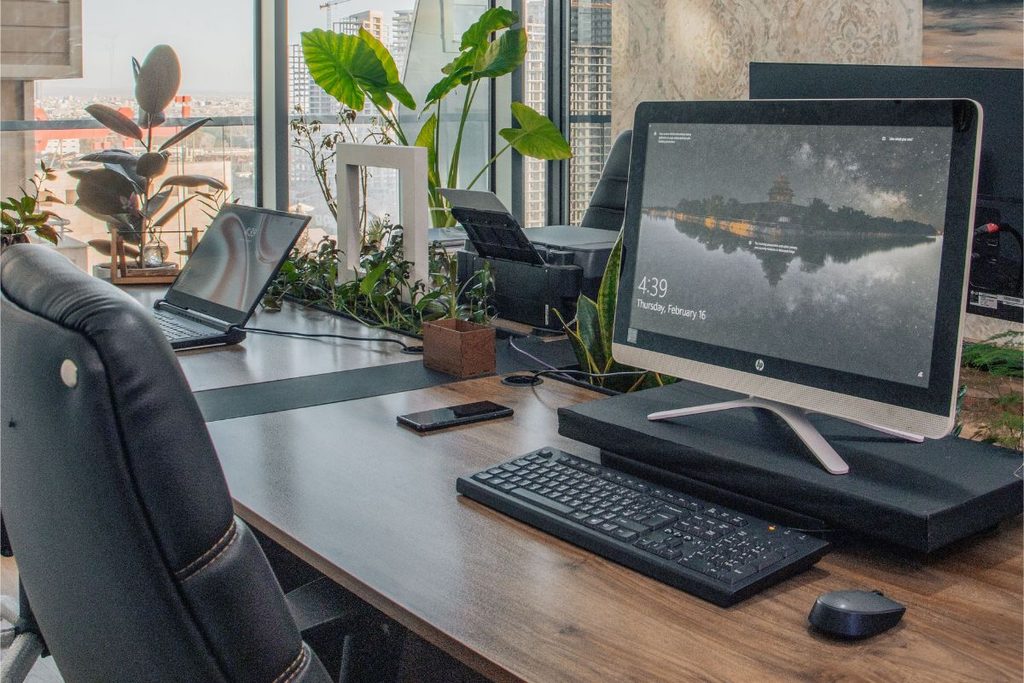
Nowhere is this crossover clearer than in coworking, where operators with genuine hospitality backgrounds are reshaping expectations of what a shared workspace can feel like. The Work Project was founded by former hoteliers, and it shows in the details: its London coworking space leans on the same warm materials, considered lighting and generous lounge seating you would expect from a well-run boutique hotel rather than a conventional office block. It is a useful case study for anyone furnishing a home office or a garden studio, because the underlying idea travels well regardless of scale. A space designed to make a stranger feel instantly at ease is, by definition, also a space that will make you feel at ease every single day you use it.
Bringing Hospitality Design Home
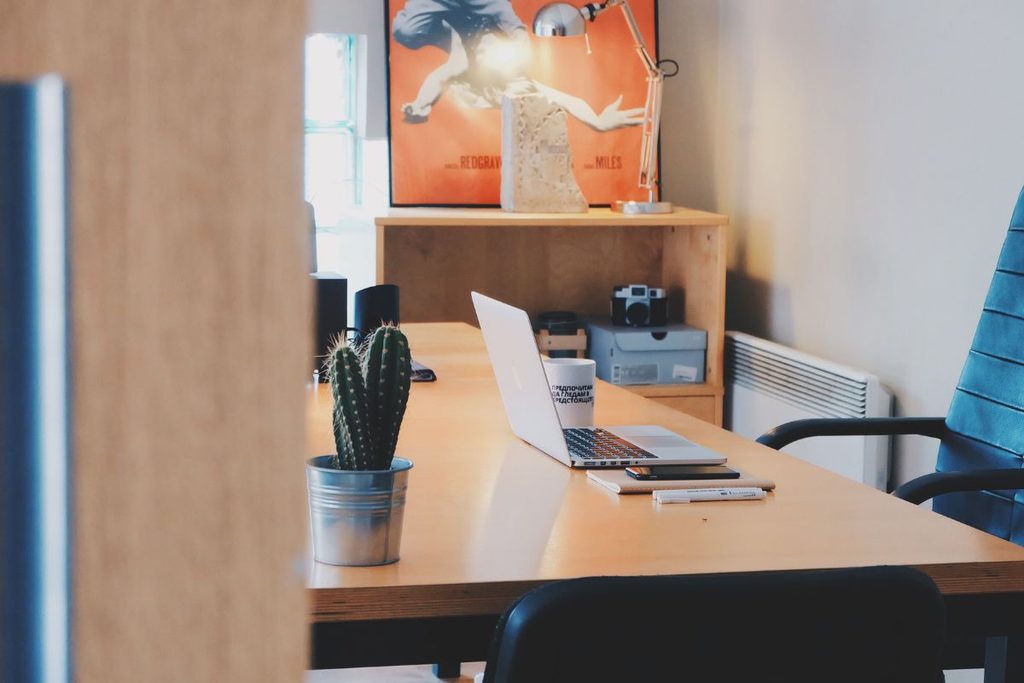
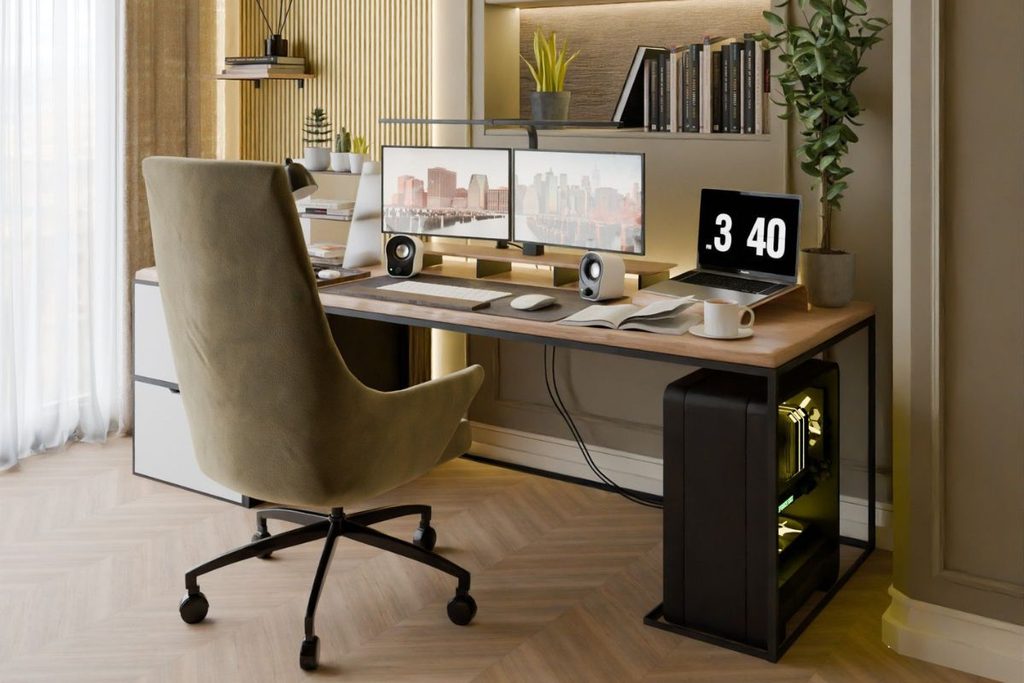
You do not need a hotel budget to borrow the thinking. A dimmable lamp on the desk instead of a ceiling light does more for a home office than most people expect. A single well-chosen armchair, positioned away from the desk, gives a small room two distinct moods rather than one. Even a modest diffuser or a consistent candle scent can turn a home office into a space your brain recognises as work mode the moment you sit down, the same trick a good hotel plays on arriving guests.
Storage matters too, and hospitality design is unusually good at hiding it. Hotel rooms rarely look cluttered because everything has a concealed home: cables, chargers and paperwork disappear into drawers and joinery rather than sitting on show. Applying that same discipline to a home office, closed cabinetry over open shelving, a drawer for cables rather than a tangle on the desk, does more for the feel of a room than another plant ever will.
The Bottom Line
The line between where we stay and where we work has been blurring for a while, and hospitality-led design is the clearest evidence of it. Whether it is a boutique hotel lobby, a coworking floor built by former hoteliers, or a spare room at home, the underlying brief is the same: make the space feel considered, comfortable and genuinely yours to be in, not merely functional. Once you start noticing the details, warm lighting, real textiles, a scent that lingers, you will find it hard to walk into a poorly designed office again without noticing exactly what is missing.
Images courtesy of unsplash.com and pexels.com