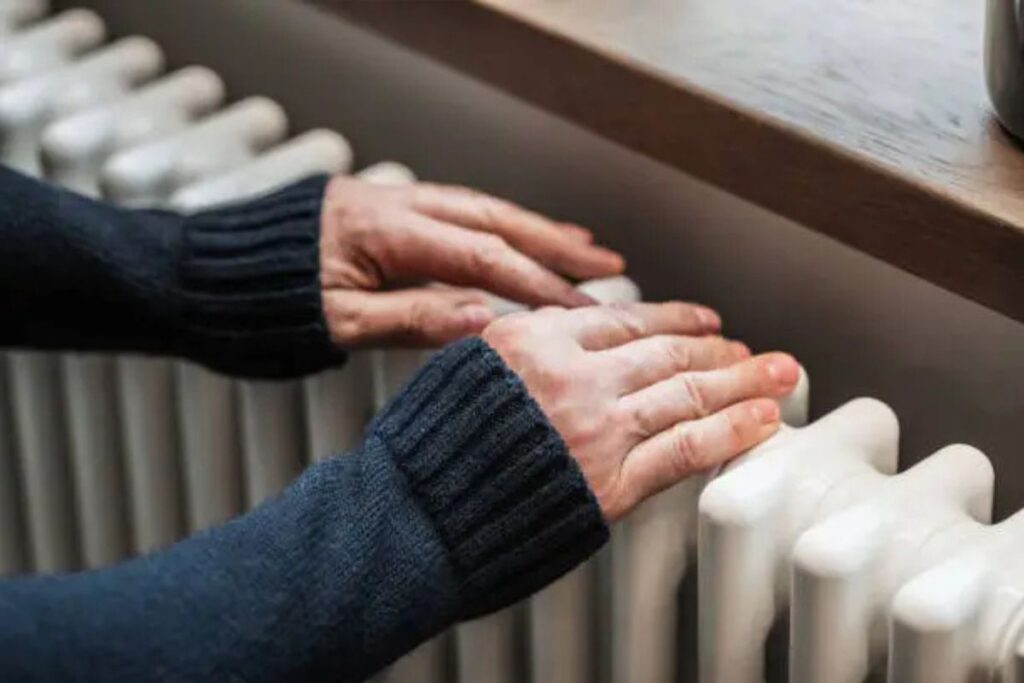
To prepare a boiler for winter: test it on full heat before the cold arrives, bleed any radiators with cold spots, check the pressure gauge sits between 1 and 1.5 bar, and book a professional service if it’s been over 12 months. Doing this in September or October, rather than December, avoids peak-season callout delays.
Every year, the first proper cold snap catches somebody out, and your boiler. The heating goes on for the first time since spring, and instead of warmth, there is silence, a strange smell, or a radiator that stays stubbornly cold. It is one of the most common calls heating engineers get every autumn, and almost always avoidable.
By the end of this guide, you will know why boilers tend to fail right when you need them most, which warning signs are worth acting on, and what a proper service actually involves.
Why Boilers Tend to Fail at the Worst Possible Time
A boiler that has sat idle over the summer does not fail because it was resting. Take a heat exchanger with a slow limescale build-up: the boiler runs fine on light summer use, then autumn arrives, demand spikes, and the restricted water flow finally becomes a problem the system cannot cope with. The fault was there the whole time. It just had nothing to push against until now.
Warning Signs Worth Taking Seriously
Most boilers give some warning before they properly break down. Watch out for the following before the weather turns colder.

Unusual noises. Banging, gurgling, or a whistling sound usually points to limescale or sludge restricting water flow around the heat exchanger.
A flame that isn’t blue. A healthy flame burns crisp blue. Yellow or orange can point to incomplete combustion, which is worth having checked promptly.
Pressure that keeps dropping. If you find yourself repressurising the system every few weeks, there is likely a small leak somewhere that needs tracing.
Rising bills with no change in habits. An ageing or inefficient boiler gradually uses more gas to produce the same warmth, and that shows up on the bill before it shows up as a fault.
What a Proper Service Actually Covers
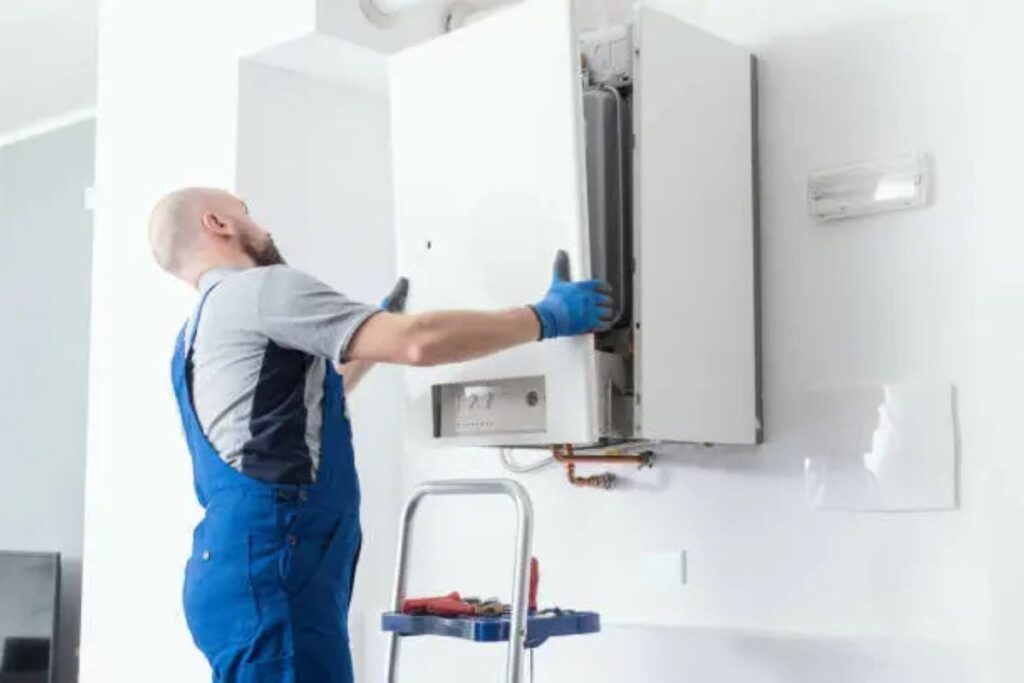
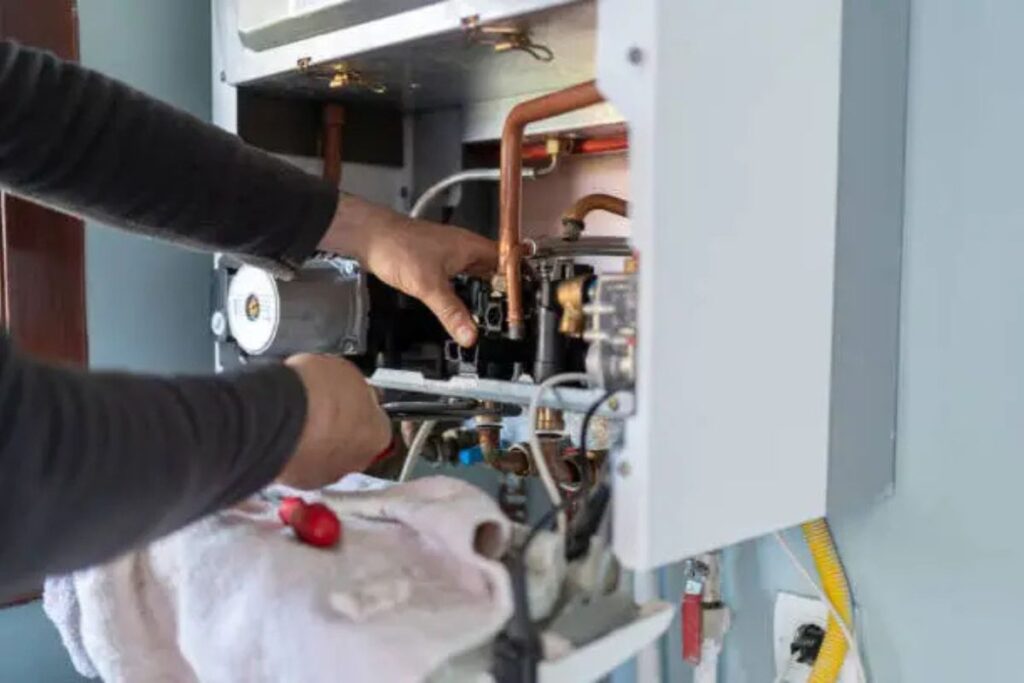
A Gas Safe registered engineer checks the heat exchanger, burner, and flue, tests the gas pressure, and confirms the boiler is burning fuel cleanly and safely. Most standard combi boilers take around 30 to 45 minutes to complete. Ask for a written record of what was checked. It’s worth keeping for warranty claims or if you sell the property later.
Worth knowing going in that this is a check-up, not a repair job. If the engineer spots something wrong, that gets quoted as separate work rather than sorted there and then, which is exactly why booking early matters. Nobody wants to discover a part that needs ordering in the first week of a cold snap.
Timing It Right
Late summer and early autumn tend to be the quietest window for engineers, simply because most people wait until the cold arrives to think about it. Booking boiler services in London before the seasonal rush means shorter waits, more flexible appointment times, and a much better chance of catching a fault before it becomes a breakdown.
Bringing It All Together

Keeping a home warm through winter comes down to catching small problems while they are still small, rather than waiting for the first cold night to find out something is wrong.
Check your boiler’s pressure gauge this week. If it hasn’t been serviced in the last twelve months, get it booked in before the temperature drops any further.
Images courtesy of pexels.com and unsplash.com