Colorado’s ranching and mining heritage has shaped the state since the Pike’s Peak Gold Rush of 1858–59 brought thousands of settlers west.
Today, former mining landscapes, historic ranches and wildlife habitats are being restored and reimagined through conservation, regenerative ranching and Indigenous stewardship, offering travellers a new perspective on Colorado and the American West.
Where Bison Roam Again: Medano-Zapata Ranch
On the edge of Great Sand Dunes National Park, the 100,000-acre Medano-Zapata landscape is home to around 1,600 bison. The Nature Conservancy acquired the ranches in 1999 and introduced the herd in 2001, creating a living laboratory where cattle ranching, bison conservation and ecosystem restoration meet. The preserve is currently closed to general public access, but travellers can explore the surrounding San Luis Valley and Great Sand Dunes National Park or see a conservation herd descended from Yellowstone bison at Soapstone Prairie Natural Area, around 25 miles north of Fort Collins.
Stay in a Protected Wilderness
Set across 172,000 acres near Fort Garland, Trinchera Reserve & Lodge combines a 16-room Western-style lodge with guided adventures through a vast protected landscape. Guests can hike, mountain bike, fly-fish, track wildlife and stargaze beneath the Sangre de Cristo Mountains, with opportunities to spot elk, mule deer, black bears and bighorn sheep. Stays include accommodation, meals, wellness facilities and a personalised High Alpine Safari led by expert guides.
Saddle Up at C Lazy U Ranch
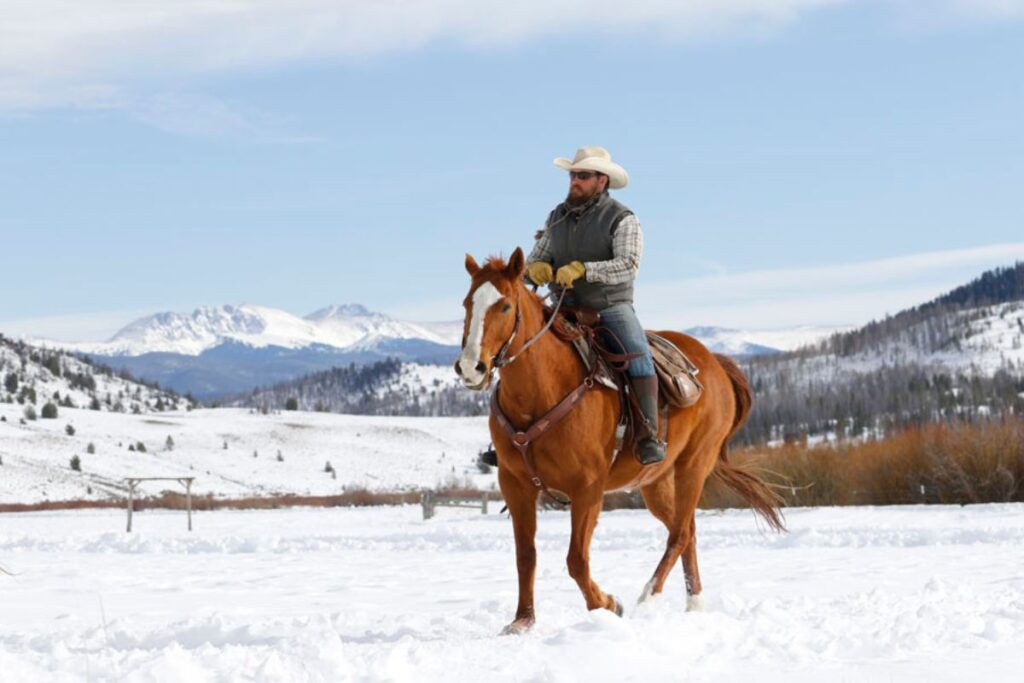
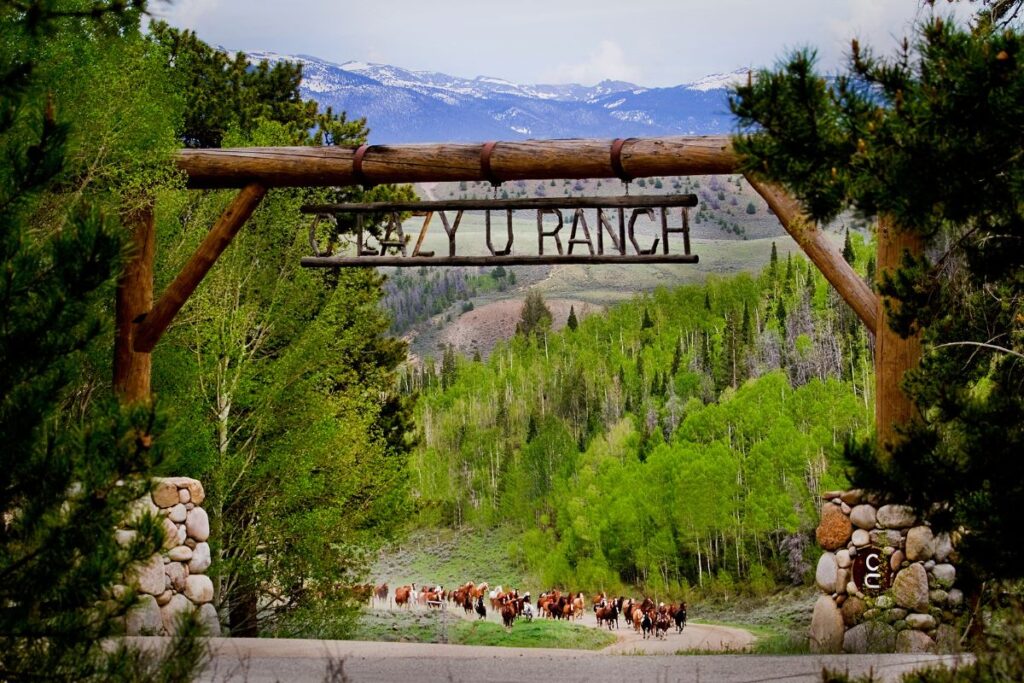
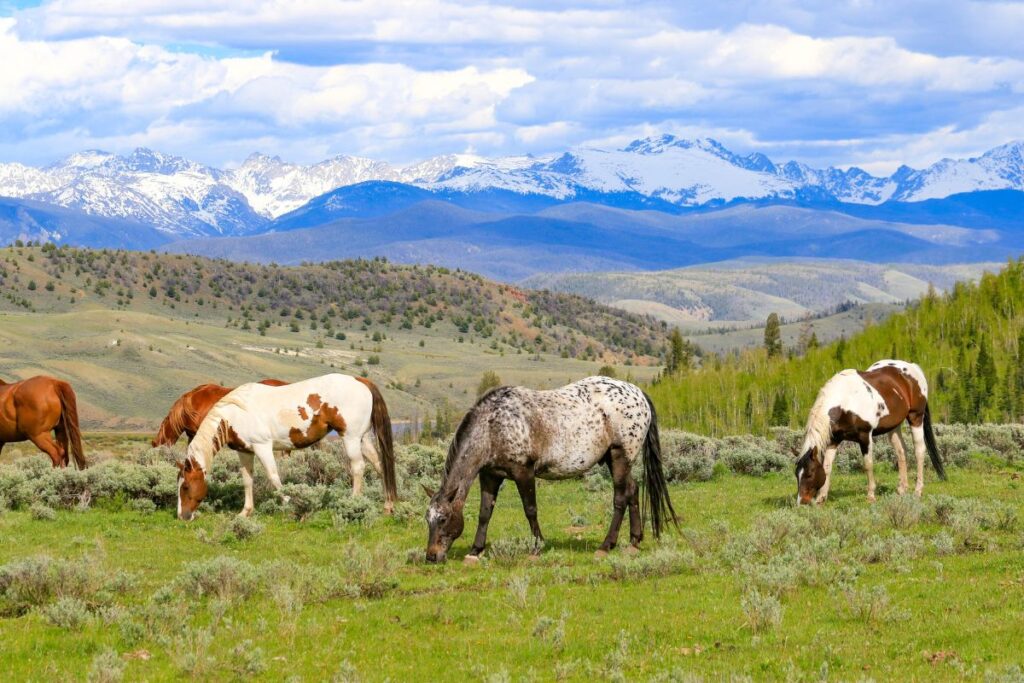
For a taste of the classic West, C Lazy U Ranch has welcomed guests to Granby since 1919. More than a century later, travellers can still spend their days horse riding through the Rockies before returning to luxury cabins, fireside dining and traditional Western hospitality. The ranch now combines its historic character with work to conserve its land, water and wildlife.
Where Ranching and Conservation Meet
Just 20 miles from Steamboat Springs, The Nature Conservancy’s 906-acre Carpenter Ranch offers a different take on Colorado’s cowboy heritage. Acquired in 1996, the working cattle ranch is also a research and education centre, exploring how agriculture can coexist with wetlands, river habitats and rare cottonwood forests. Visitors can join guided bird walks, explore interactive exhibits and learn about projects protecting species such as the bobolink. Public access is limited, so visits must be arranged in advance.
The Wolves Are Back
In November 2020, Colorado voters approved the return of grey wolves to the state. Ten wolves were released in Grand and Summit counties between 18 and 22 December 2023, marking the beginning of a multiyear restoration programme west of the Continental Divide. Their return has added a thrilling new chapter to Colorado’s wildlife story, and sparked a wider conversation about coexistence across the modern West.
Ancient Knowledge, Modern Stewardship
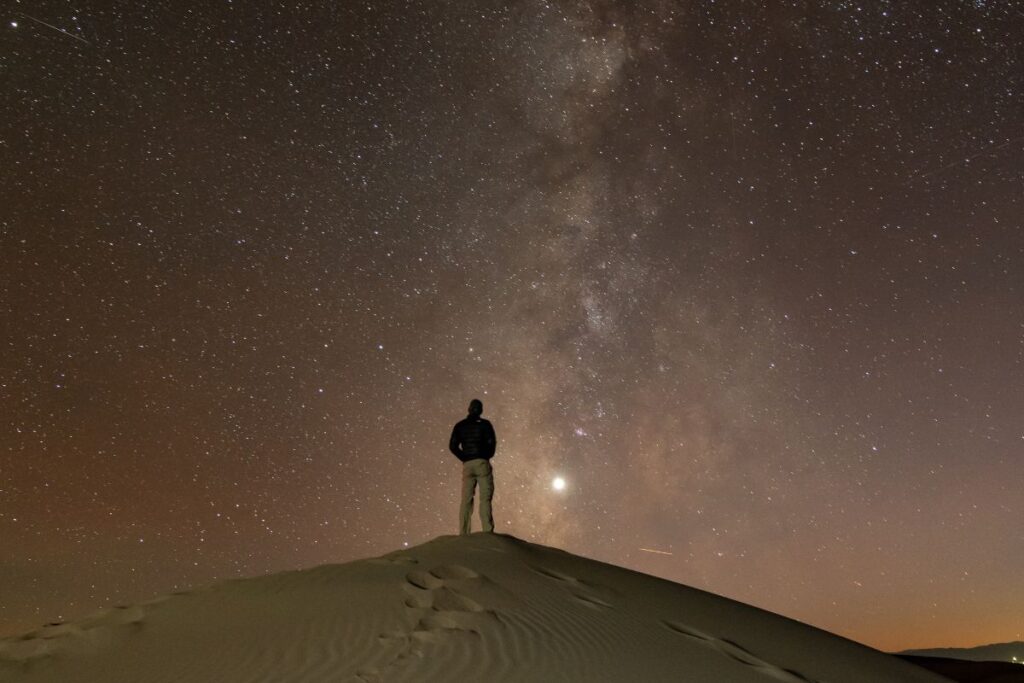
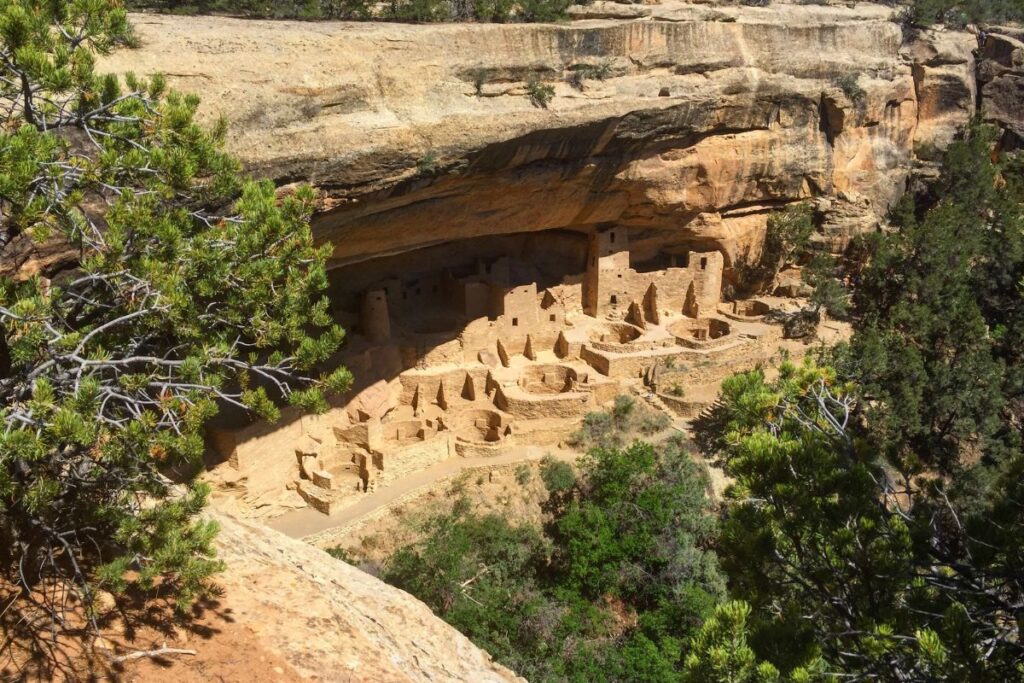
For the Southern Ute Indian Tribe and Ute Mountain Ute Tribe, caring for the land is rooted in generations of knowledge and cultural tradition. Today, Tribal-led programmes protect wildlife, fisheries, bison and reservation lands while supporting research, habitat restoration and sustainable agriculture. Near Mesa Verde, travellers can experience this connection firsthand at the 125,000-acre Ute Mountain Ute Tribal Park, where Ute guides lead half-day, full-day and private tours of cliff dwellings, rock art and archaeological sites, sharing insights into Ute and Ancestral Puebloan culture.
For more information, visit www.colorado.com
Images supplied