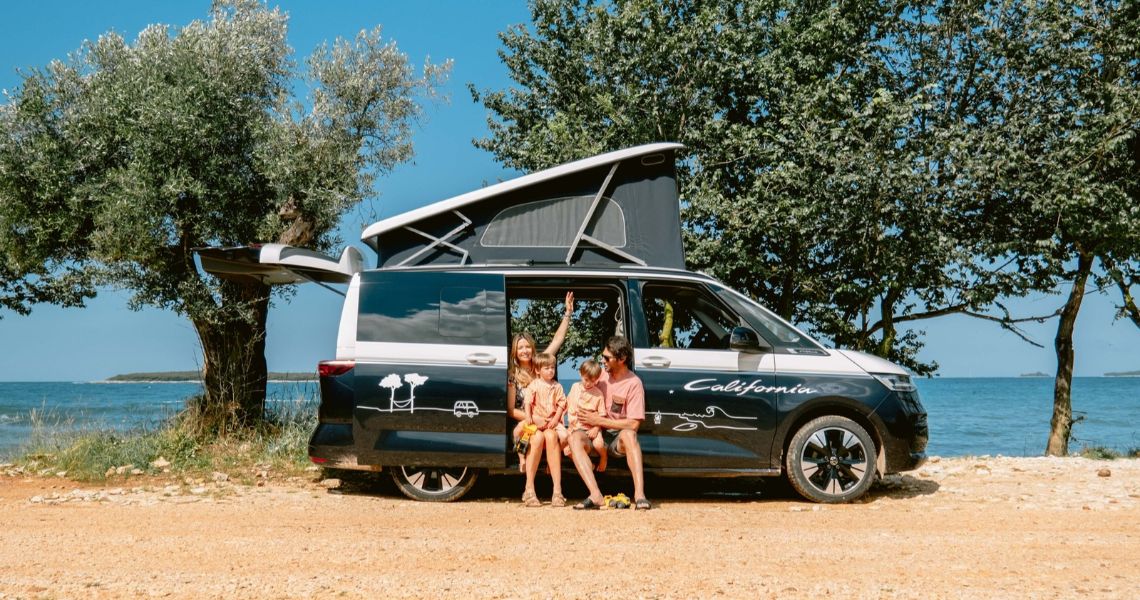
You know the feeling. Lovely weekend away, kids finally asleep, bubbles going in the hot tub. Then, two glasses of rosé in, you’re on the “own your own lodge” page. Classic. And blimey, the brochure is pretty. Cedar cladding, decking all the way round, a lake view, a family with marshmallows on sticks by a fire pit.
The catch is that the lodge in the pictures often hasn’t been built. Plenty of parks, seaside schemes and rural retreats sell lodges and each holiday home off-plan, while the plot is still mud and pegs. That can mean a better price and the pick of the best plots. Which means, basically, you’re buying a picture.
So, a few tips on reading those pictures, plus the boring-but-vital stuff to check before signing.
Where the pictures come from
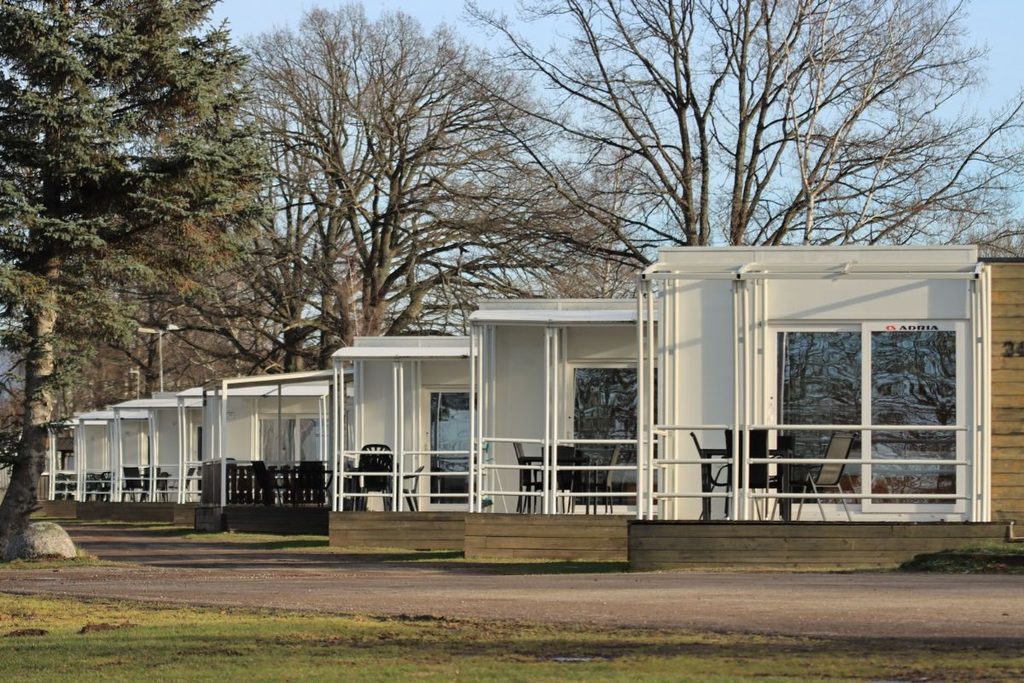
Most of those brochure images aren’t photos. They’re CGI, built on a computer from the architect’s plans. Developers pay for 3D property rendering so you can see the finished lodge, a row of cottages, even the whole park, inside and out, before a single beam goes up.
Good ones are properly handy, mind. You get the layout, the wood and stone, which way the deck faces, and whether that open-plan lounge fits a big sofa or just a loveseat. Beats squinting at a floor plan, anyway.
Still, they’re there to sell, so keep a healthy bit of cynicism handy.
Is it always summer in there?
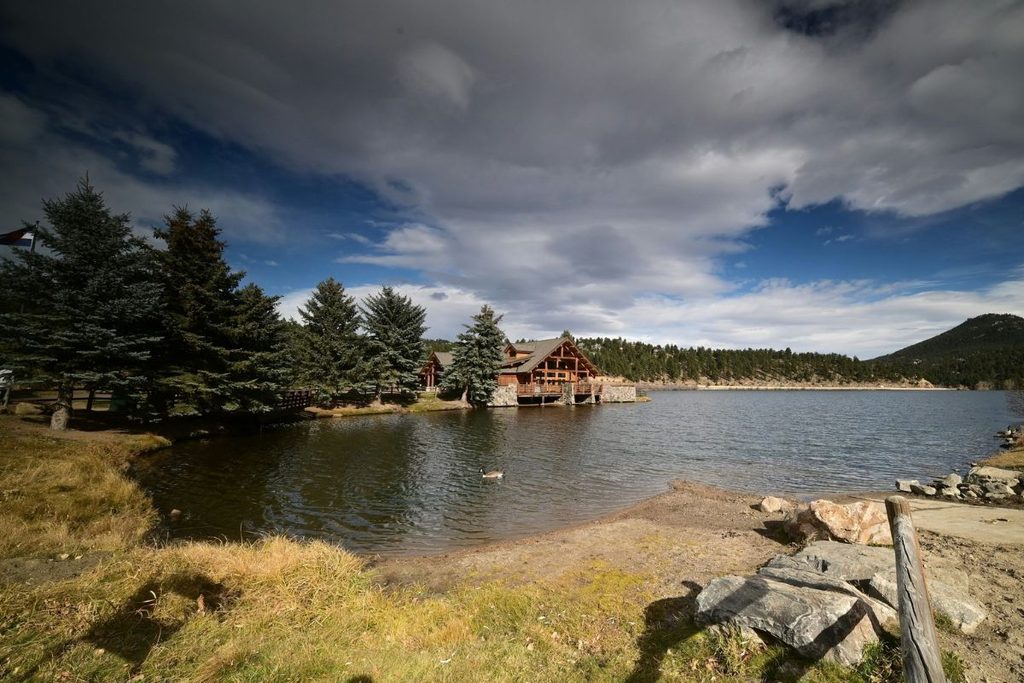
Every brochure seems to be set at 8pm in June. Sparkly lake. Lush grass. Not a cloud. Lovely. You’ll also be there in a soggy November half-term, though.
Picture your holiday home with rain sideways against the glass and the kids bored by 10am. Still cosy? Is there a log burner, or just a couple of panel heaters that hum? Where do the wet coats and muddy boots go when you come back from a walk? Brochures never show a pile of soggy anoraks by the door, but that’s real lodge life from October to March, and a decent drying spot or boot room makes a surprising difference to how much you enjoy the place. Is there a log burner? Where does the light come from in winter?
Look closely at the view
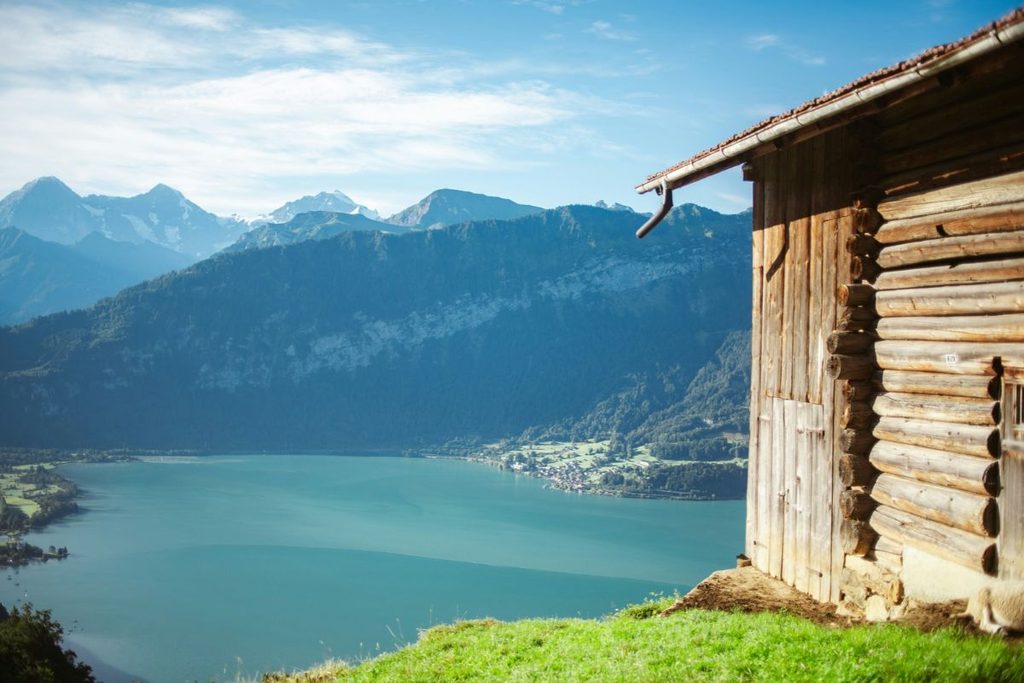
The view tends to steal the show, and it’s usually the bit with the premium price tag. So ask, very directly, which plot that image is. The CGI might show open water. Your plot could be third row back, staring at someone else’s hot tub cover.
Get the site plan and find your lodge on it. Better still, go and stand on your actual plot, wellies on, and look out.
Pay attention to the neighbours
Renderings tend to show a lodge on its own, perhaps with a couple of others tastefully in the distance. In reality, parks can be quite densely planned. Find out how many lodges will be built in total, how close they’ll be to each other and whether there are future phases planned on the field next door.
Ask what’s included
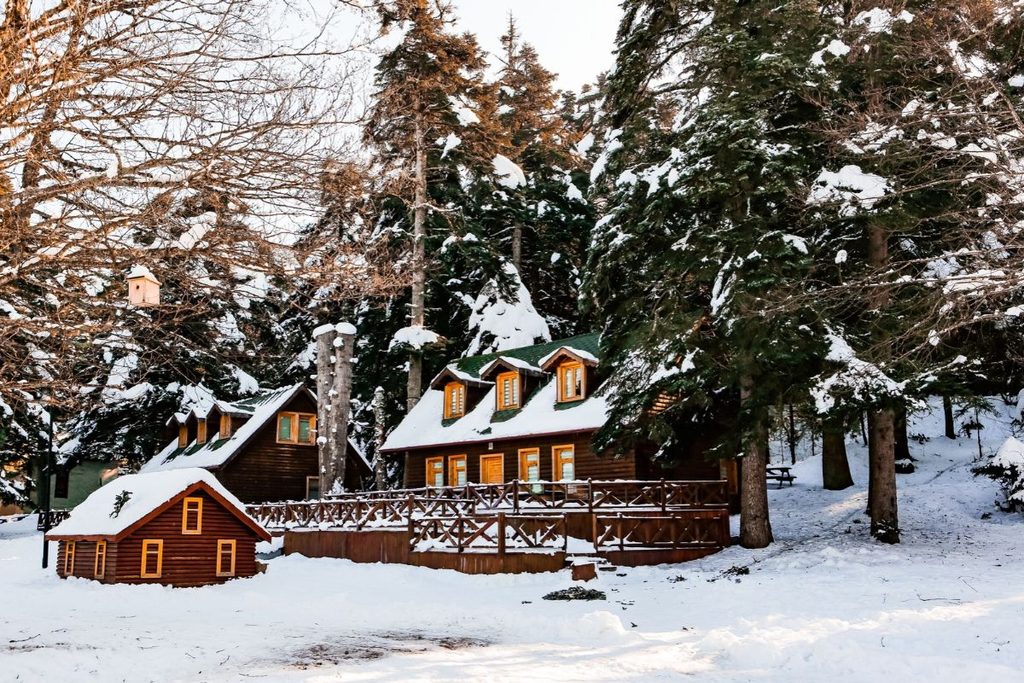
The rendered interior will look beautifully furnished. Does the price of the holiday home include the sofas, the fridge, the hot tub, the decking, the planting? Or are some of those quietly extra? That cute fire pit and the fairy lights could add up to a surprising sum.
The small print (sorry)
Right, here’s where it gets fiddly. Find out the yearly site fees, what they’ve done over the last five years, and what you actually get for them. How long is the licence? Can you let it out? Who handles bookings, and how big a slice do they keep? Some parks cap how many weeks you can stay, and some won’t let you sell to whoever you like.
A solicitor who understands holiday property is worth every penny here.
Look at what the developer has built before
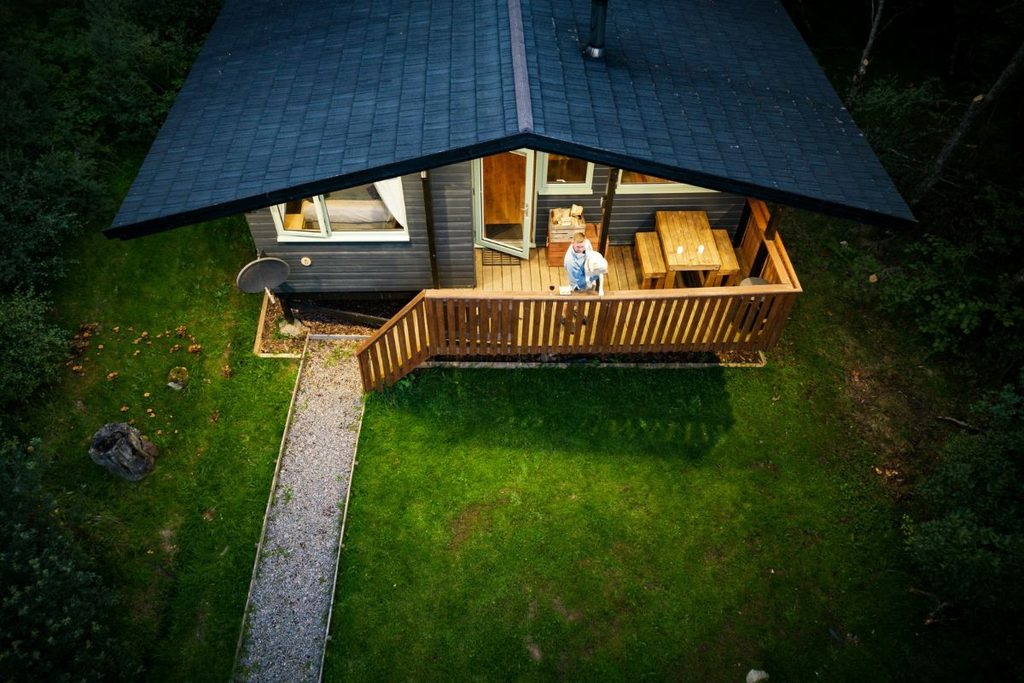
The best way to judge an off-plan lodge is to see a finished one by the same developer. Is there a finished phase to wander round? A show lodge? Compare it with the images from that phase’s original brochure. If the real lodges look like their old brochure pictures, brilliant. That’s a developer who delivers.
How far is it, really?
It’s easy to fall for a hot tub and forget the motorway. Do the drive at 5pm on a Friday, not 10am on a quiet Tuesday. Three hours each way sounds fine in theory. By the fourth weekend, less so.
Check the basics nearby too. Is there a shop within ten minutes for milk and firelighters? A decent pub? Phone signal and broadband good enough for the odd work call? You won’t find any of that in the brochure, but it decides how often you’ll actually use the place.
Have a natter with existing owners
Already got owners on site? Go and say hello. Most love a chat about what they’d do again and what they wouldn’t. Ask about fee rises, whether the letting money is steady and how fast a broken boiler gets fixed. A cuppa on someone’s deck can tell you more than an hour in the sales suite.
Make the most of the pictures
None of this means renderings can’t be trusted. Honestly, they’re often the best way to show something that’s still just plans. Lean on them for the layout, the finishes and the overall vibe. Then double-check with a visit, the site plan, the full list of costs and a natter with a few owners.
Do that, and you’ll have a much better chance of your new holiday home looking just like the brochure, marshmallows and all.
Images courtesy of unsplash.com and pexels.com