Engineering is entering a period of rapid change, shaped by automation, sustainability, smarter data, and the growing use of artificial intelligence across design, production, testing, and maintenance. In 2026, the most competitive engineering teams will not simply adopt new tools. They will use technology to improve accuracy, reduce waste, strengthen quality control, and make better decisions across the full product lifecycle.
From smart manufacturing to connected measurement systems, these engineering trends will influence how engineers design, build, test, and maintain the next generation of products.
Why 2026 Is an Important Year for Engineering Innovation
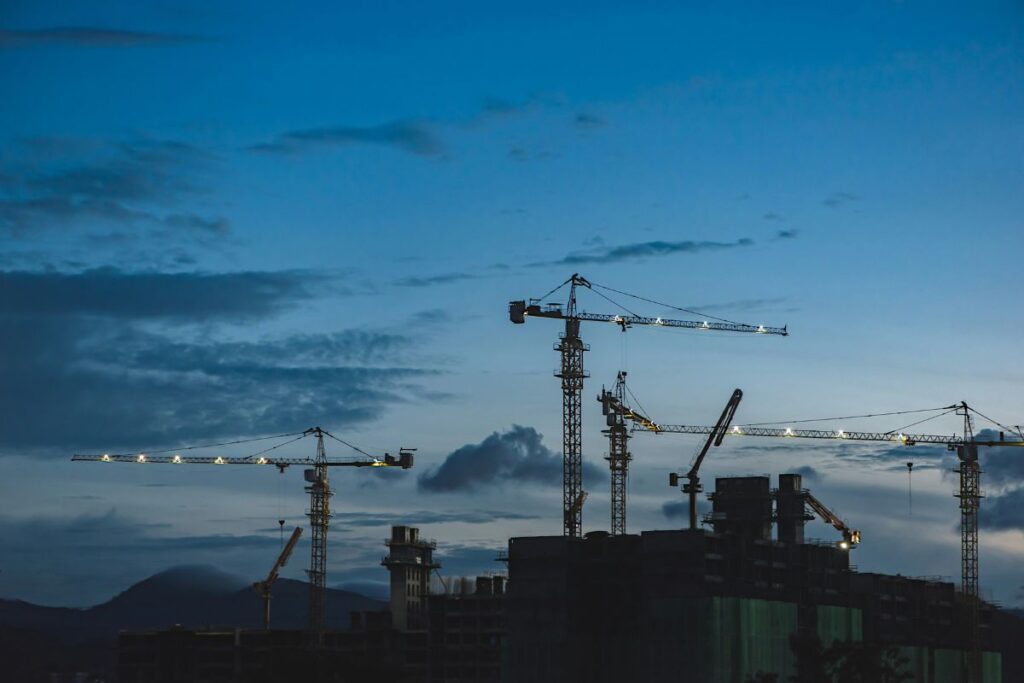
The engineering sector is being pushed by several forces at once: rising production costs, supply chain pressure, skills shortages, tighter sustainability goals, and higher expectations for product quality. At the same time, technologies such as AI, digital twins, edge computing, and industrial automation are becoming more practical for everyday use.
Research into smart manufacturing highlights AI, digital twins, robotics, additive manufacturing, logistics optimisation, and sustainable manufacturing as key areas of development for 2026 and beyond. For companies focused on precision, quality, and assembly control, specialists such as Crane Electronics show how measurement, torque management, and connected data can support more reliable engineering outcomes.
Key Engineering Trends to Watch in 2026
1. AI-Driven Engineering Workflows
Artificial intelligence is becoming more embedded in engineering workflows, from early design concepts to predictive maintenance. In 2026, AI will increasingly be used to analyse large volumes of data, identify patterns, support simulations, and help engineers make faster decisions.
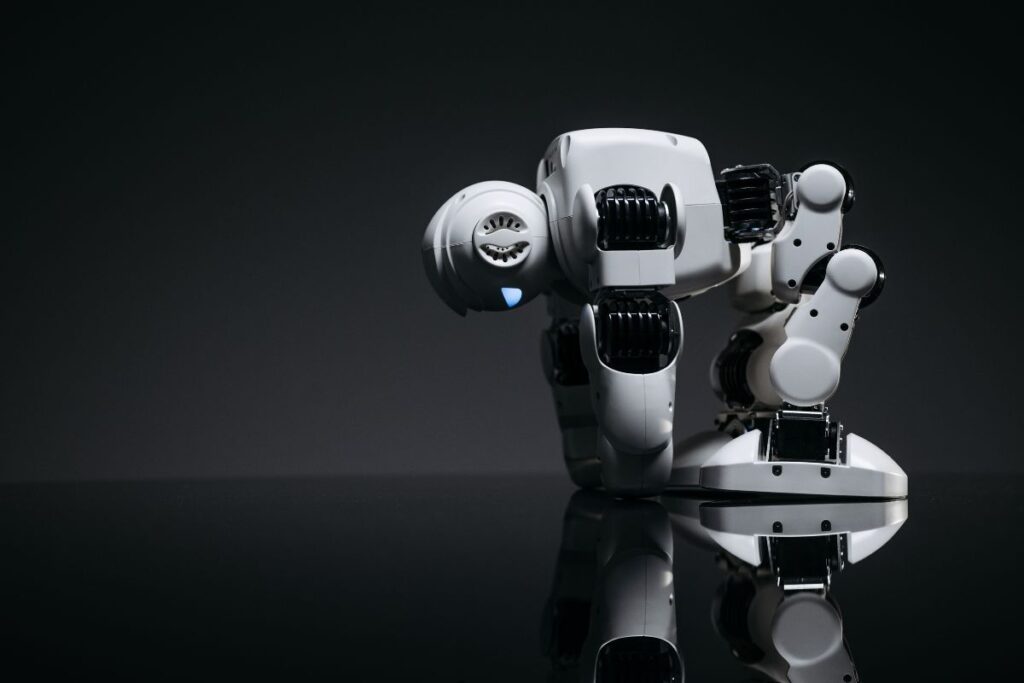
This does not mean AI will replace engineers. Instead, it can support tasks such as fault detection, production planning, quality analysis, and design optimization. In manufacturing environments, AI and machine learning are expected to improve efficiency, adaptability, and autonomy, although reliable data management and explainability remain important challenges.
2. Digital Twins for Smarter Testing and Planning
Digital twins are becoming more advanced, moving beyond simple virtual models into connected systems that mirror real-world assets. Engineers can use digital twins to test scenarios, predict performance, identify risks, and improve products before changes are made physically.
In 2026, this will be especially valuable in sectors such as aerospace, automotive, energy, manufacturing, and infrastructure. Digital twin research shows a shift towards AI-enhanced systems that can support modelling, real-time synchronisation, predictive intervention, and autonomous management.
For engineering teams, this means fewer assumptions, better planning, and more informed decision-making.
3. Greater Focus on Quality Control and Traceability
As products become more complex, quality control will become even more important. Manufacturers need clear evidence that components have been assembled, tested, and verified correctly. This is particularly vital in safety-critical sectors where errors can lead to costly recalls, compliance issues, or equipment failure.
In 2026, more engineering teams will rely on connected tools, digital records, and automated reporting to improve traceability. Instead of relying only on manual checks, companies can capture data throughout production and use it to prove quality, identify trends, and prevent repeat problems.
This is especially relevant for torque measurement, assembly verification, and production line auditing, where accuracy and consistency are essential.
4. Sustainable Engineering and Lower-Waste Manufacturing
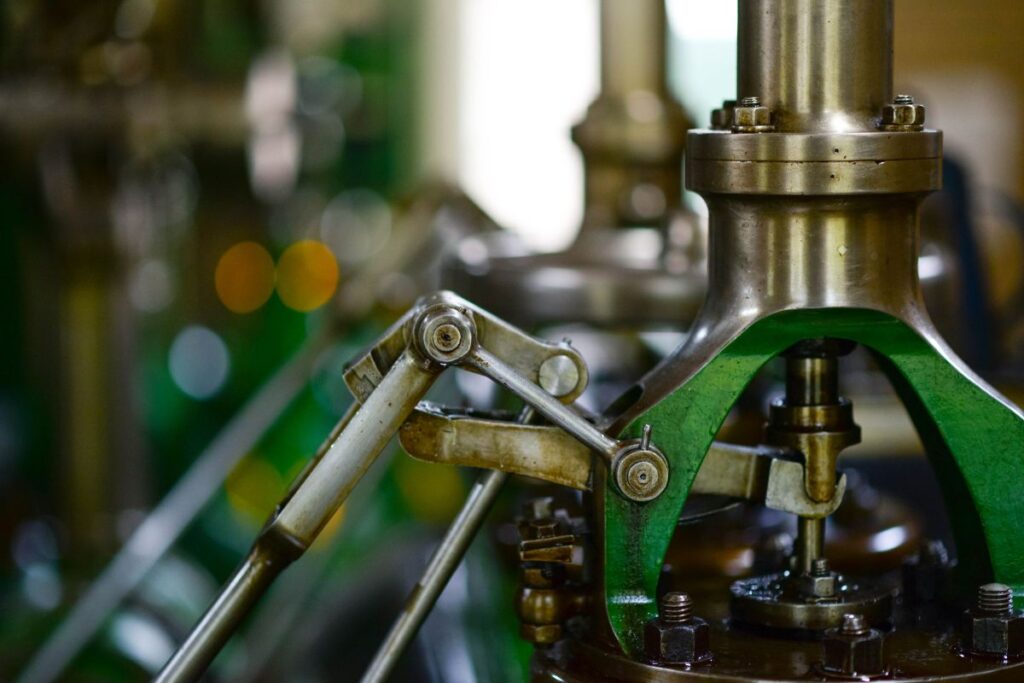
Sustainability is no longer a separate initiative. It is becoming a core part of engineering decision-making. In 2026, engineers will be expected to design products and processes that use fewer resources, reduce waste, consume less energy, and last longer.
This may include:
- Designing for repairability and longer service life
- Reducing material waste during production
- Improving energy efficiency in manufacturing
- Using data to optimise logistics and maintenance
- Choosing materials with lower environmental impact
AI is already being used in some industries to improve efficiency and reduce unnecessary movement of resources, including in logistics and transport planning. For engineering businesses, sustainability will increasingly be linked to cost control, compliance, and brand reputation.
5. Edge Computing and Real-Time Industrial Data
Engineering environments generate huge amounts of data from machines, sensors, tools, and inspection systems. Sending all of this information to a central cloud platform can create delays, especially where fast decisions are needed.
Edge computing helps by processing data closer to where it is created. This allows engineers and production teams to respond more quickly to changes on the factory floor. Industrial automation commentary for 2026 highlights AI at the edge, digital twins, and cybersecurity as key developments reshaping manufacturing and system integration.
For manufacturers, edge computing can support real-time monitoring, predictive maintenance, faster quality checks, and reduced downtime.
6. Human-Centric Automation and Collaborative Robotics
Automation will continue to grow in 2026, but the focus is shifting towards systems that support people rather than simply replacing manual work. Collaborative robots, smart tools, and assisted assembly systems can help engineers improve safety, consistency, and productivity.
Human-centric automation is especially useful where skilled workers need support with repetitive, high-precision, or physically demanding tasks. When automation is combined with good training and clear data, it can help teams reduce errors while freeing people to focus on problem-solving, improvement, and specialist work.
The future of engineering will depend on balancing automation with human judgement.
How Engineering Businesses Can Prepare
Review Existing Processes
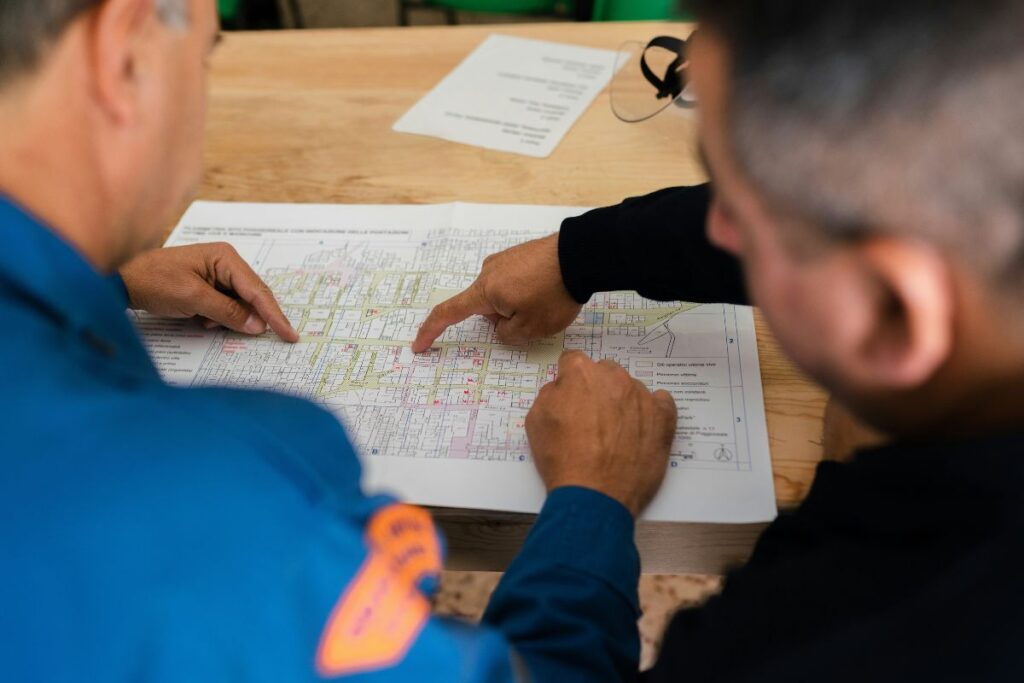
Before investing in new technology, companies should identify where delays, errors, waste, or quality issues occur. This helps ensure that digital tools solve real problems rather than adding complexity.
Invest in Data Quality
AI, digital twins, and automation all depend on accurate data. Engineering teams should focus on clean records, consistent measurement, reliable sensors, and connected systems.
Build Skills Alongside Technology
New tools are only valuable when people know how to use them. Training, cross-functional collaboration, and strong leadership will be essential for successful adoption.
FAQ
What is the biggest engineering trend for 2026?
AI-driven engineering is one of the biggest trends because it affects design, manufacturing, maintenance, quality control, and decision-making across many sectors.
Why are digital twins important in engineering?
Digital twins allow engineers to model, monitor, and test systems virtually. This can reduce risk, improve planning, and support better product performance.
How will sustainability affect engineering in 2026?
Sustainability will influence material choices, product design, manufacturing processes, energy use, logistics, and maintenance strategies.
What role does quality control play in modern engineering?
Quality control helps ensure products are safe, consistent, and compliant. Connected measurement systems and digital traceability can make this process more accurate and transparent.
Will automation replace engineers?
Automation is more likely to support engineers than replace them. It can handle repetitive or data-heavy tasks while engineers focus on design, judgement, problem-solving, and innovation.
Conclusion
The engineering trends shaping 2026 point towards a smarter, more connected, and more responsible industry. AI, digital twins, quality traceability, sustainable design, edge computing, and human-centric automation will all play important roles. For engineering businesses, the opportunity is clear: adopt technology with purpose, improve data visibility, support skilled teams, and build systems that deliver better quality, efficiency, and long-term value.
Image attributed to Unsplash.com and Pexels.com