Facilities rely on a wide range of tools to support daily operations. While major equipment often receives the most attention, smaller systems and resources play an equally important role.
The right tools improve organisation, support safety, reduce downtime and help teams work more effectively across a variety of environments.
The Overlooked Equipment Supporting Everyday Operations
When you think about what keeps a facility running efficiently, your mind may go straight to machinery or large-scale infrastructure. While those elements are certainly important, many everyday operations rely on smaller tools and systems that often go unnoticed.
From an ERP for manufacturing companies that improves operational visibility to a welfare unit for 10 people that supports on-site staff, these often-overlooked tools help facilities operate more efficiently. Their impact may not always be obvious, but they play a vital role in supporting performance, safety and daily operations.
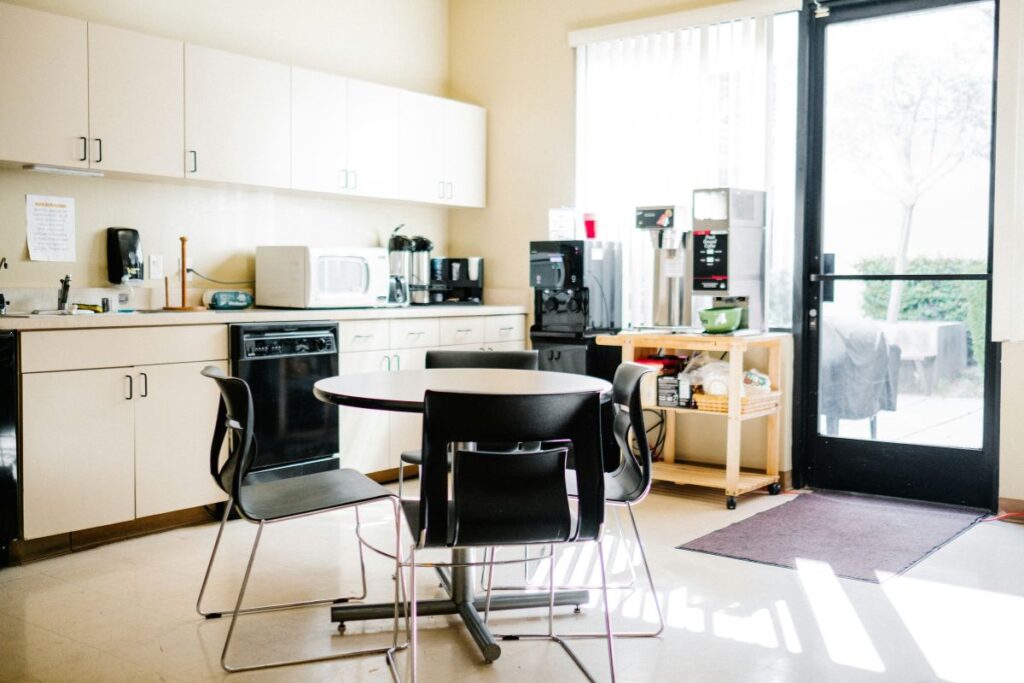
In some facilities, safety-focused products are just as important as operational systems. For example, healthcare settings, mental health facilities and custodial environments may use anti ligature covers as part of wider safety and risk-reduction measures. While they are rarely the most visible features of a building, these specialised fittings create safer environments for vulnerable individuals and reduce risk within the facility.
The reality is that smooth operations rarely happen by accident. Behind every well-run facility is a collection of tools helping people work safely, stay organised and respond quickly to everyday challenges. Some may not receive much attention, but their contribution has a noticeable impact on productivity and overall performance.
1. Digital Asset Tracking System

Keeping track of equipment becomes difficult as facilities grow in size and complexity. Tools, machinery and maintenance assets are moved between departments or work areas throughout the day. Without a reliable way to monitor them, valuable time is lost searching for equipment that should be readily available.
Digital asset tracking systems provide a simple solution. These systems allow you to monitor the location and status of important assets in real time. This visibility reduces delays and improves accountability across your organisation.
When maintenance teams know where equipment is located, tasks can be completed more quickly. The result is less downtime and a smoother workflow for everyone involved.
2. Predictive Maintenance Technology
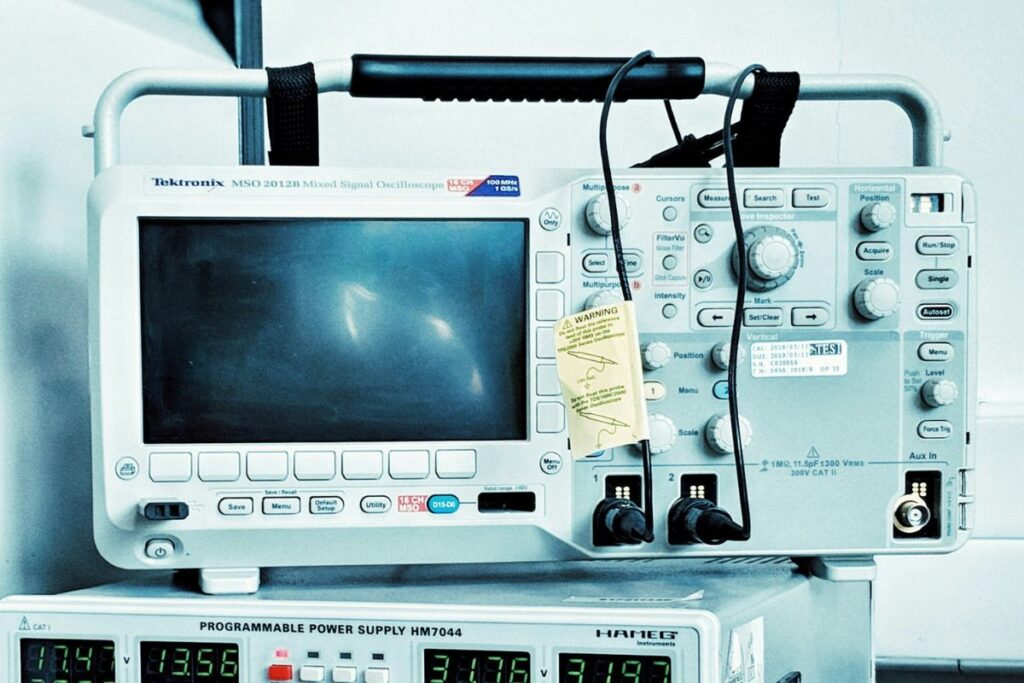
Many facilities still rely on reactive maintenance practices. Equipment is repaired when it breaks down, which leads to unexpected disruptions and costly downtime. Predictive maintenance technology offers a more proactive approach.
By monitoring equipment performance, these tools identify warning signs before a failure occurs. Maintenance teams can then schedule repairs at a suitable time rather than dealing with an emergency.
This approach not only improves reliability but also helps extend the lifespan of the equipment. Over time, predictive maintenance contributes to lower operating costs and fewer interruptions to daily operations.
3. Smart Environmental Monitoring
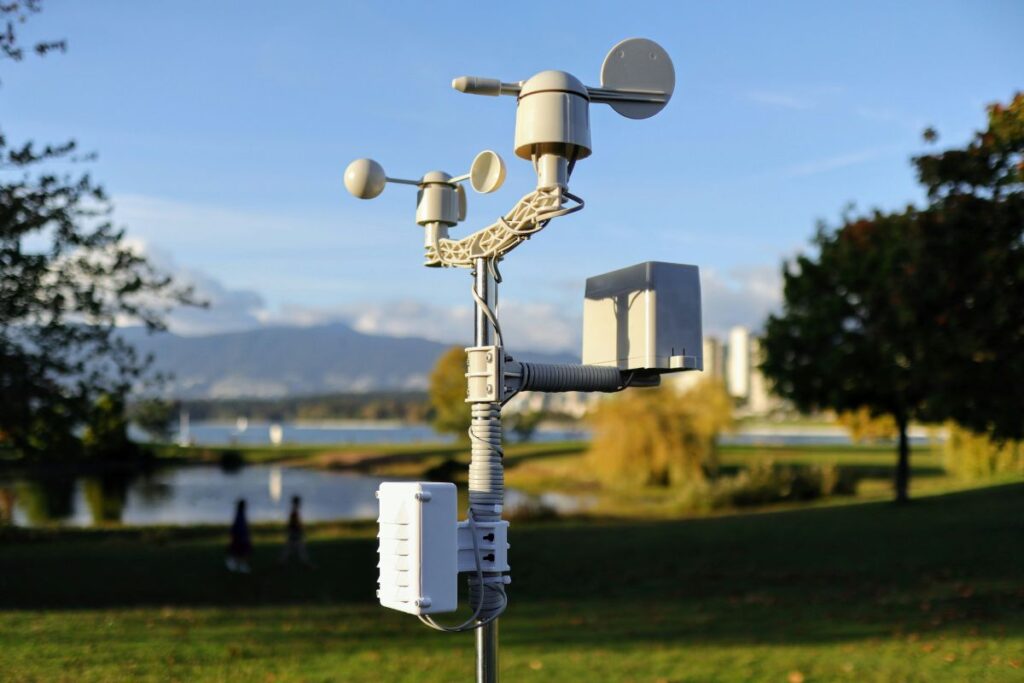
Conditions within a facility have a direct impact on productivity, safety and equipment performance. Temperature, humidity and air quality are just a few factors that influence how effectively a site operates.
Smart environmental monitoring tools provide continuous insight into these conditions. They collect data throughout the day and alert staff when readings move outside acceptable limits. This allows potential issues to be addressed before they affect operations.
For facilities that store sensitive materials or rely on controlled environments, this level of monitoring is especially valuable. It ensures that conditions remain stable and consistent while supporting compliance requirements where necessary.
4. Mobile Inspection Applications
Inspections are an essential part of managing a facility. They identify hazards, highlight maintenance requirements and support regulatory compliance. However, traditional paper-based inspections are time-consuming and difficult to manage.
Mobile inspection applications simplify this process by allowing staff to complete inspections using smartphones or tablets. Information is recorded instantly and shared with relevant team members without delay.
This improves communication while reducing the risk of important details being overlooked. It also creates a clear digital record that can be reviewed whenever necessary. As a result, facilities respond more quickly to issues while maintaining higher operational standards.
5. Automated Inventory Management Tools
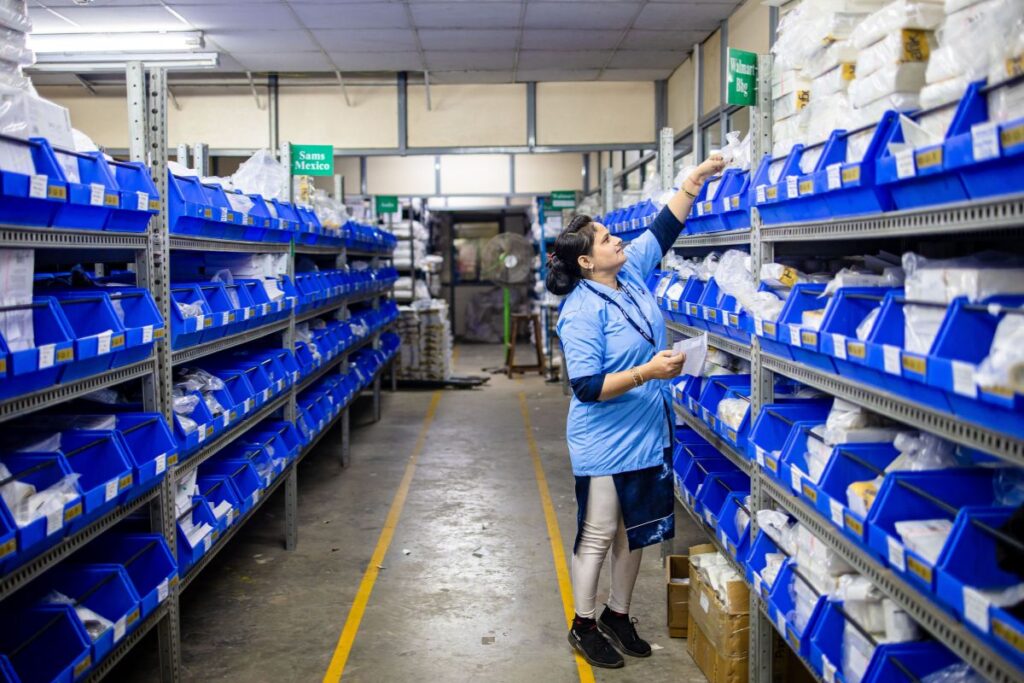
Inventory management is not always seen as a priority, but it plays a significant role in keeping facilities running successfully. Running out of essential supplies delays maintenance work, while overstocking increases costs and creates storage challenges.
Automated inventory management tools help maintain the right balance. They track stock levels in real time while providing alerts when supplies need refilling. This reduces the likelihood of shortages while helping organisations avoid unnecessary purchases.
With better visibility over inventory, teams plan more productively, ensuring that important resources are available when needed. This contributes to streamlined operations while reducing avoidable disruptions.
Why Small Improvements Matter
Large investments attract the most attention when organisations look to improve operational performance. However, smaller tools deliver significant benefits when implemented properly. Many of the challenges facilities face each day stem from communication gaps, delayed information or inefficient processes instead of major equipment failures. In healthcare settings, understanding locum tenens staffing can also help administrators address workforce shortages more efficiently, improving continuity of care without requiring major operational changes.
By addressing these smaller issues, facilities can create noticeable improvements across multiple areas of operation. Better visibility, improved organisation and faster decision-making contribute to a more productive environment.
These tools also support the people who keep facilities running. When staff have access to dependable systems and accurate information, they work more confidently. This leads to stronger performance and a better overall experience for everyone involved.
To Sum Up
It’s often the smaller operational details that determine how smoothly a facility functions from one day to the next. While these tools are not always at the forefront of mind, they still influence everything from efficiency and communication to maintenance and resource management.
Giving these tools the attention they deserve helps facilities identify practical improvements that reduce everyday challenges while supporting more successful operations. As time passes, even modest changes in the right areas contribute to a more reliable, rewarding and well-managed facility.
Images courtesy of unsplash.com and pexels.com