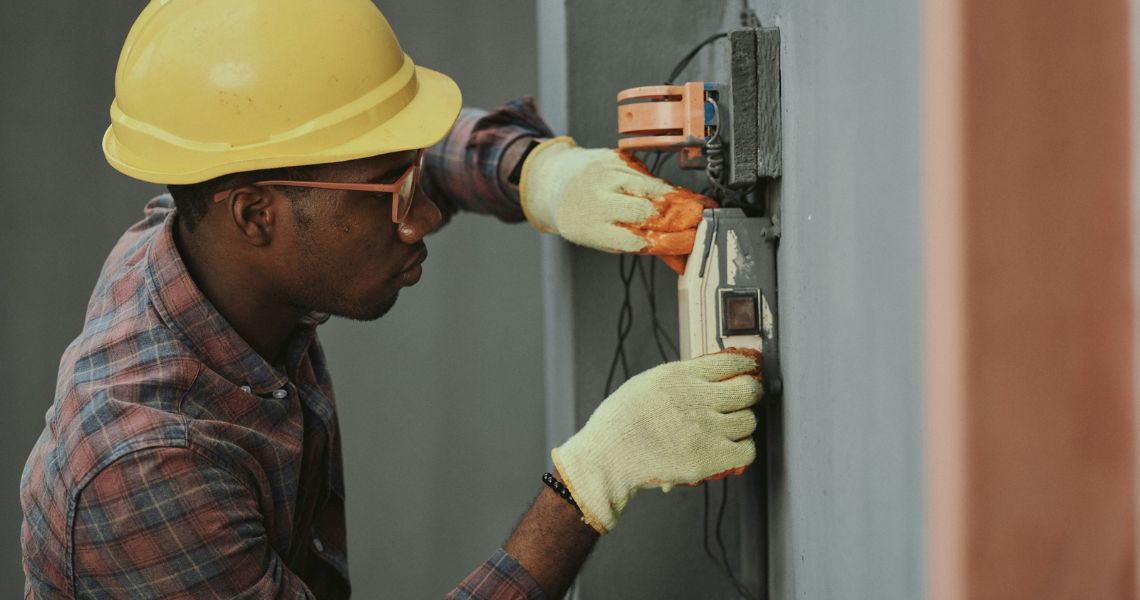
Many business leaders spend a great deal of time thinking about growth; they focus on trying to attract new customers, increasing revenue, and expanding operations. These priorities definitely make sense because growth is often the most visible part of whether you are successful.
Dedicate equal attention to something necessary, and that’s preventing problems before they happen. Risk management is often associated with policies or different compliance requirements. In reality, it is woven into many different decisions that take place every single day. The businesses operating most effectively are usually the ones that look at safety, organisation, and accountability and incorporate them into daily operations rather than treating them as an afterthought.
The Cost of Overlooking Small Risks
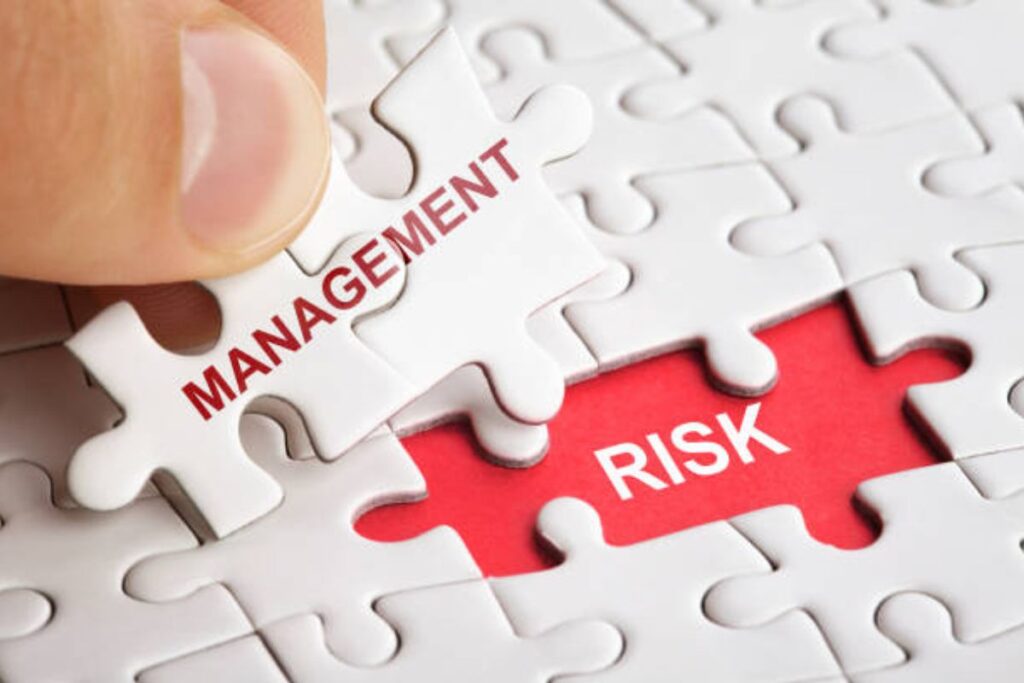
Major incidents rarely appear without warning; more often, they develop from a series of smaller issues that were ignored, misunderstood, or viewed as something that was insignificant. A poorly maintained area, unclear guidance, or an overlooked hazard can create challenges and are all part of your risk management plan. The effects affect all areas, including productivity, safety, and operational performance.
This is particularly relevant in workplaces where employees, contractors, and visitors interact with physical environments. Warehouses, factories, construction sites, and industrial facilities all contain risks that require careful management.
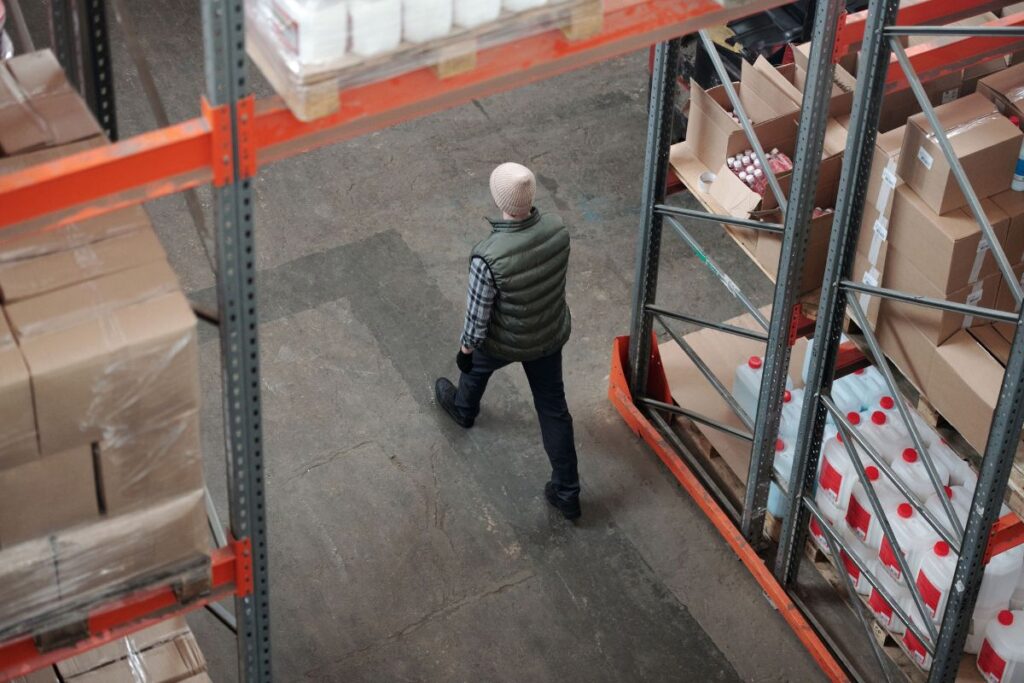
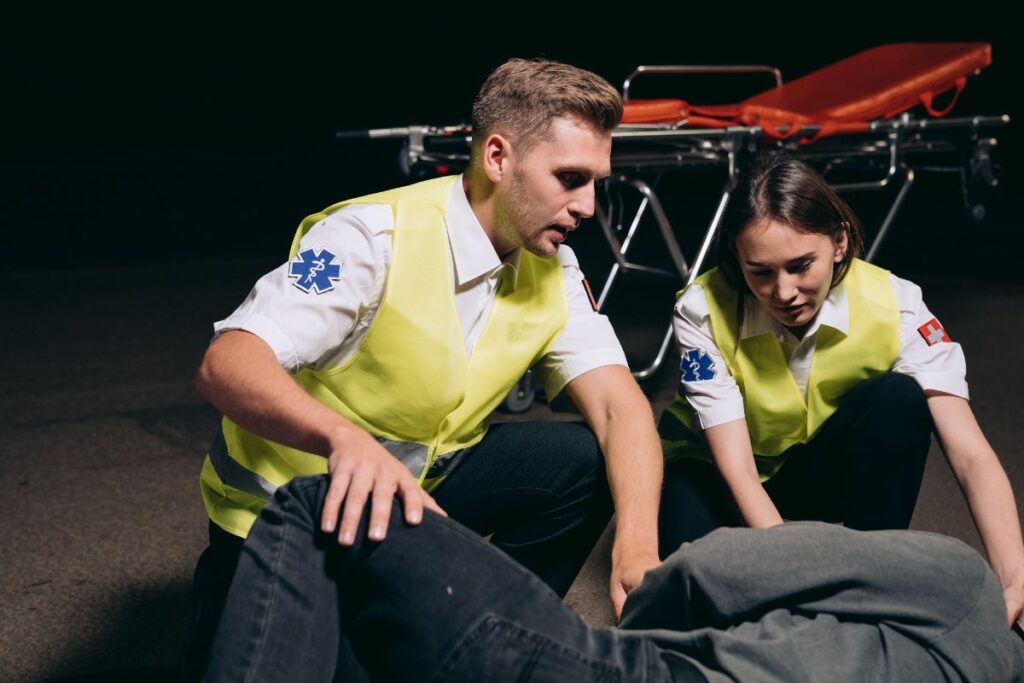
The challenge behind this is that familiarity can sometimes produce complacency. Employees who work in the same environment every single day may begin to stop noticing potential hazards simply because they have become used to them. Maintaining high standards requires ongoing attention, even if everything seems to be running smoothly.
For commercial premises with gas installations, specialist contractors such as Atlas Gas provide gas pipework testing, leak detection and repairs, helping businesses identify potential faults before they develop into serious safety issues.
Creating Safer Working Environments
Workplace safety is often discussed through the lens of regulations; its impact extends much further than this. A safe environment supports employee confidence, improves operational consistency, and reduces risks when:
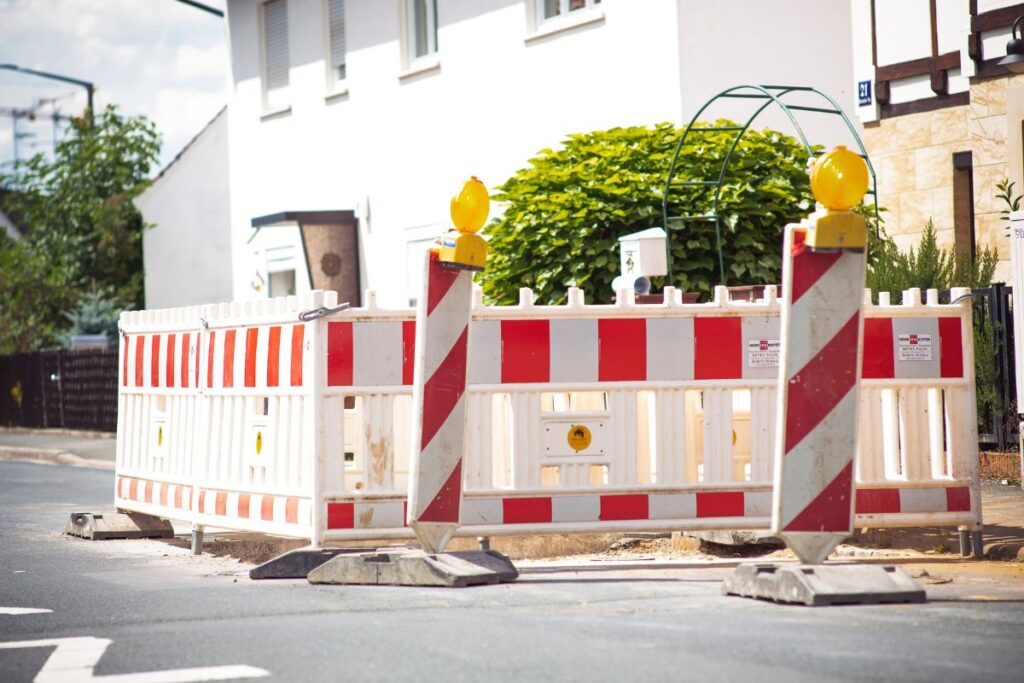
Physical safety measures also have an important role to play when it comes to achieving this. Signage, barriers, equipment maintenance, and protective systems all help to lower risk in the workplace.
In elevated work areas, solutions such as handrail netting provide an additional layer of protection by helping prevent objects from falling through gaps and creating hazards below. While risk management measures like this might seem like a really small detail, they help to contribute to a wider culture of safety that benefits everybody in the workplace.
Building a Culture of Responsibility
Safety should never be looked at as the responsibility of just one single department. Businesses that perform well usually create cultures where everybody understands the role of making sure that standards are maintained. Employees are encouraged to report concerns, managers remain proactive, and leadership demonstrates a clear commitment to safety practices.
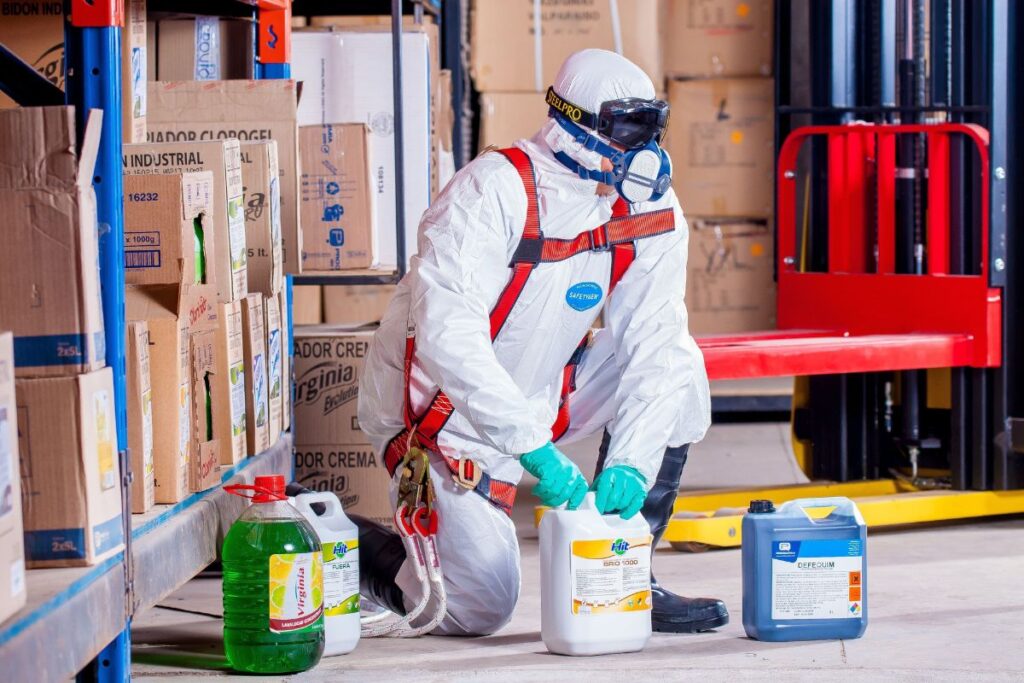
This approach helps organisations identify issues before they develop into larger problems and also creates an environment where continuous improvement becomes part of everyday operations.
When people have a good understanding that safety is valued, they are more likely to contribute to making sure that it remains that way.
Conclusion
Successful businesses do not wait for problems to appear before they start taking action; they recognise the value of proactive planning, strong safety standards, and continuous improvement.
By making sure that risks are addressed fairly and environments are built where employees are able to work confidently and safely, organisations should be able to build stronger foundations that are going to lead to long-term success and sustainable growth.
Images courtesy of unsplash.com and pexels.com