Cats are skilled at hiding discomfort, which means health changes often go unnoticed until they become harder to treat. The litter box, though, is one place where those changes leave a record. Every visit reflects something about digestion, hydration, and urinary function and, through odour shifts that owners often notice before anything else, internal bacterial balance.
When that information is tracked consistently, it stops being background noise and starts becoming genuinely useful. Data-driven litter monitoring is giving cat owners a practical way to catch early warning signs before they turn into vet emergencies.
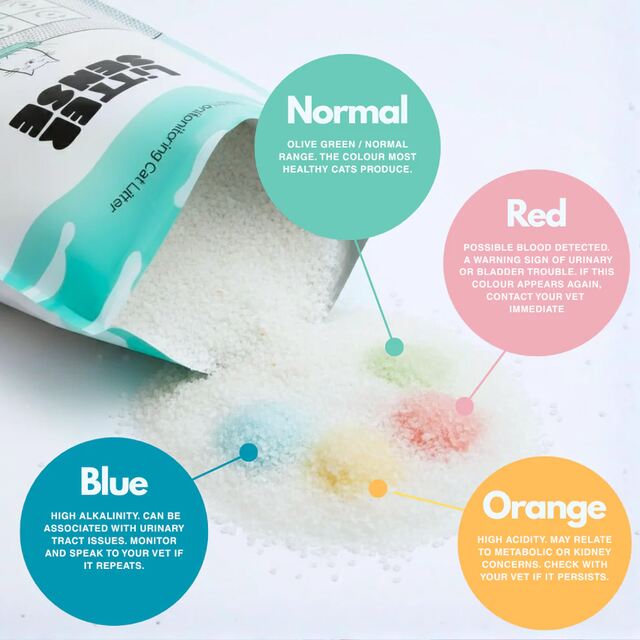
Most health shifts in cats show up in bathroom habits long before any visible symptoms appear. Products like Litter Sense Health Monitoring Cat Litter are built around this idea, collecting visit-by-visit data to establish a reliable behavioural baseline. Once that baseline exists, deviations become meaningful. A cat making six litter box trips instead of three, or producing half the usual output, may be showing an early sign of illness. Recognising that shift early is what separates a manageable condition from a medical crisis.
1. Frequency Tracking Flags Urinary Issues
1.1 Why Visit Count Matters
A healthy cat typically visits the litter box two to four times daily. When that number climbs without explanation, it may point to a urinary tract infection, bladder inflammation, or early kidney stress. Logged visit counts give owners a clear record that is especially useful during a veterinary consultation.
1.2 Detecting Straining Patterns
Duration data adds another layer to frequency tracking. Short, repeated visits that produce little to no output suggest straining, which is a common indicator of urinary blockages. Male cats face a higher biological risk for urinary blockages, making duration logs especially valuable in multi-male households.
2. Output Volume Reveals Hydration Status
Urine volume is one of the earliest measurable signs of metabolic change. A consistent increase may indicate diabetes or hyperthyroidism; a sustained decrease can signal dehydration or declining kidney function. Volume data tracked over weeks creates a reference point that single observations simply cannot provide.
3. Stool Consistency Signals Digestive Health
3.1 What Texture Indicates
Stool texture is a reliable marker of digestive balance. Loose stools may reflect food intolerance, bacterial infection, or stress. Chronically hard stools often point to inadequate hydration, hairball buildup, or age-related changes in gut motility, particularly in older cats.
3.2 Frequency as a Digestive Marker
Most cats defecate once per day. When that rhythm shifts noticeably over several consecutive days, it is worth investigating. Logged data makes it straightforward to identify exactly when the pattern changed, removing guesswork from an already stressful situation.
4. Weight Trends Captured Through Smart Platforms
Some litter monitoring platforms include integrated scales that record a cat’s weight during each visit. Even a gradual loss of a few ounces over two to three weeks can indicate muscle wasting, fluid changes, or reduced appetite. For cats managing chronic conditions like hyperthyroidism or kidney disease, passive weight tracking between vet visits adds meaningful clinical context.
5. Behavioral Avoidance as a Pain Indicator
A cat that begins avoiding the litter box is often associating it with pain or discomfort. Logged avoidance data, complete with dates, helps veterinarians pinpoint when that behaviour began. Without records, owners can only estimate. When these records are available, the clinical picture becomes much clearer and easier to act on.
6. Multi-Cat Household Differentiation
Identifying which cat is showing irregular patterns is genuinely difficult in shared households. Smart litter systems address this issue by distinguishing between cats using weight profiles or microchip recognition. Health monitoring stays accurate even when multiple animals use the same box, which makes the data actionable rather than ambiguous.
7. Long-Term Baselines Support Aging Cat Care
Senior cats carry a higher risk of kidney disease, diabetes, and joint-related discomfort. Building a detailed baseline from middle age gives veterinarians a reliable comparison point as the cat gets older. Small changes that appear minor on their own become significant when measured against months of prior data.
8. Odour Changes Flag Internal Imbalances
Waste odour naturally varies with diet, so some fluctuation is expected. What data-driven monitoring helps owners distinguish is the difference between normal variation and a sudden significant shift that warrants attention.
Conclusion
The litter box is one of the most consistent health indicators a cat owner has access to, yet it rarely gets treated that way. Systematic tracking changes that entirely. Frequency, output volume, stool consistency, body weight, and behavioural patterns each contribute to a fuller picture of internal health. Catching a shift early, before symptoms become obvious, leads to faster treatment and better outcomes. For some cats, that early catch can be lifesaving. Data-driven litter monitoring does not replace veterinary expertise, but it makes every appointment more productive and every health decision better supported.
Images supplied