Let’s start with a billion-dollar fact: honeybees play a vital role in pollinating more than $15 billion worth of crops each year in the United States alone. Yes, $15 billion! Honeybees are a crucial part of our ecosystem, and as beekeepers, it’s our responsibility to ensure that they are healthy and thriving.
But winter can be a challenging time for bees, and taking the necessary steps to keep them safe and healthy during this season is essential. In this blog post, we’ll discuss everything you need to know about beekeeping during winter, from preparing your hives to monitoring your bees and dealing with diseases that may afflict your little troopers.
Why is Winter Beekeeping Important?
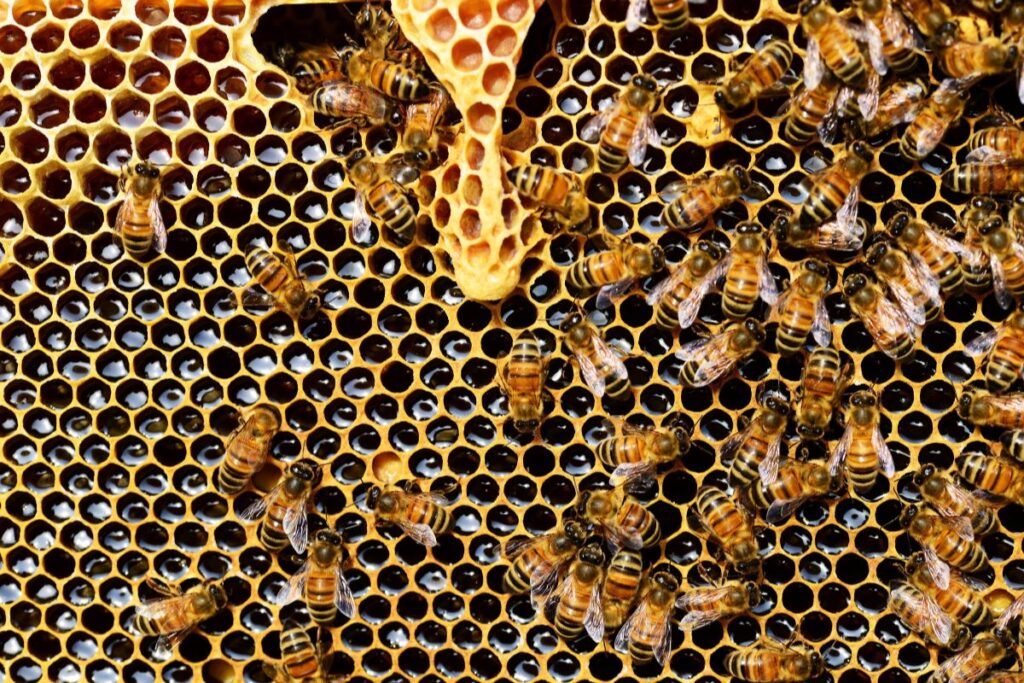
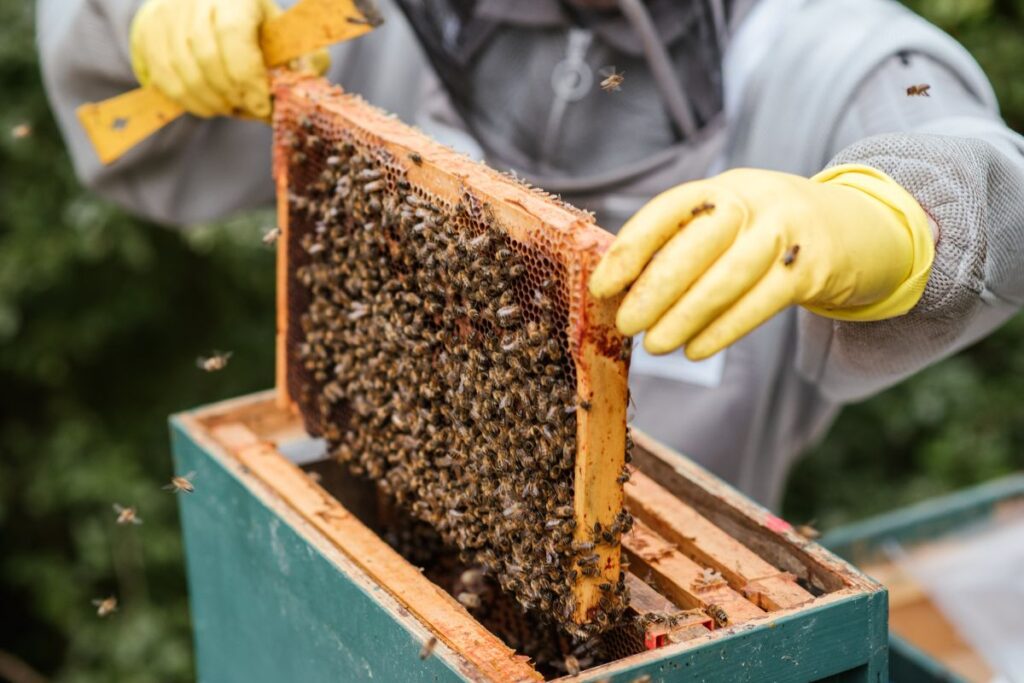
Winter beekeeping is important because it affects the survival and productivity of your bees. Bees are cold-blooded insects that rely on their body heat and the heat their colony generates to stay warm.
They form a tight cluster inside the hive and vibrate their muscles to produce heat. They also consume honey as their main source of food and energy during winter.
Bees face many threats and challenges during winter, such as:
- Low temperatures can freeze or chill the bees.
- Moisture can cause mould, fungus, or condensation inside the hive.
- Predators such as mice, skunks, raccoons, or other bees can attack or rob the hive.
- Diseases or parasites such as varroa mites, Nosema, or American foulbrood can weaken or kill the bees.
- Your bees might starve if they run out of honey or cannot access any food sources due to the cold or snow.
Winter beekeeping requires careful planning and preparation to ensure your bees have enough food, water, ventilation, insulation, and protection from outside threats.
How to Prepare Your Hives for Winter?
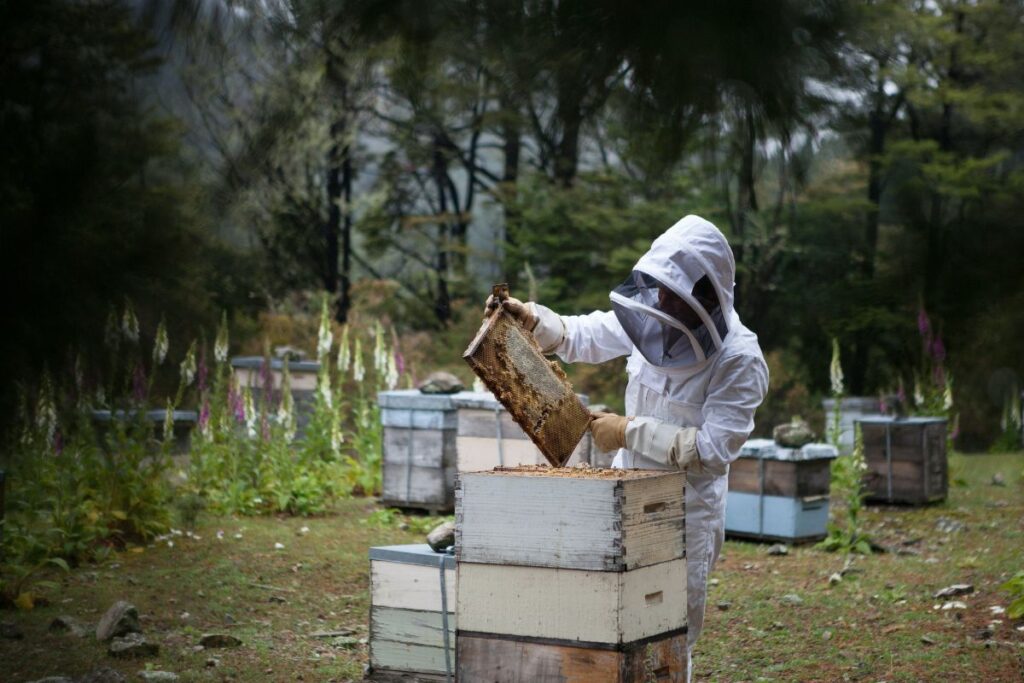
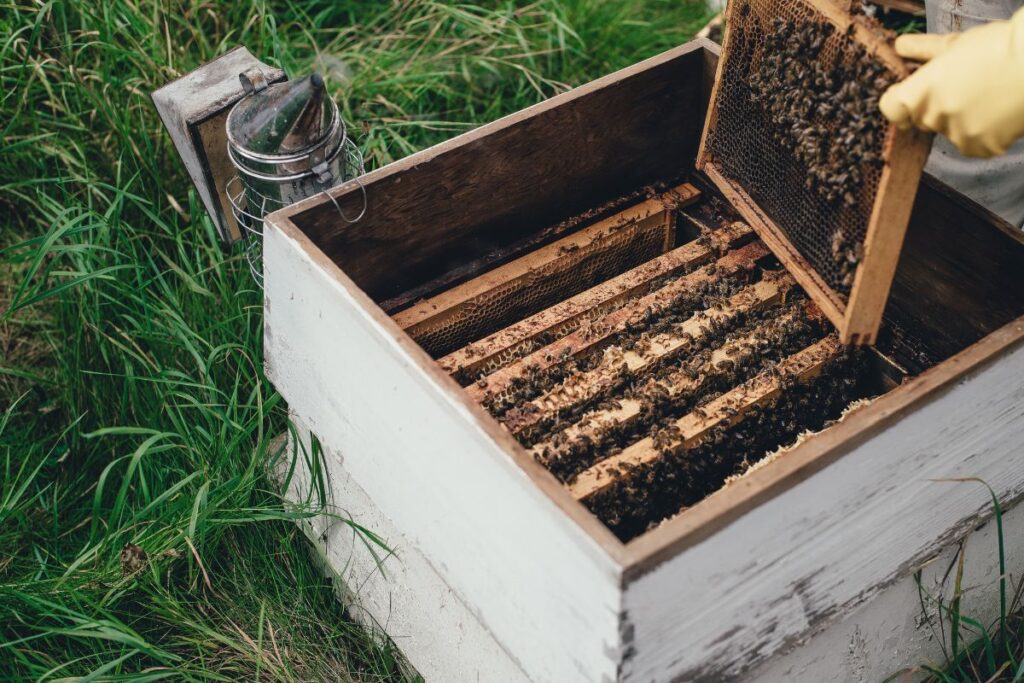
Before the cold weather sets in, preparing your hives for the winter is mandatory. Here is what you need to do:
Check the condition of your hives, including the frames, foundation, and combs. Remove any damaged or old combs, and replace them with new ones.
Reduce the size of the hive entrance to prevent cold drafts from entering the hive. You can use a wooden entrance reducer or a piece of foam to block a portion of the entrance.
Add insulation to the hive to keep your bees warm during the winter. You can use straw, burlap, or foam insulation. Make sure to leave enough space for ventilation.
How to Monitor Your Hives During Winter?
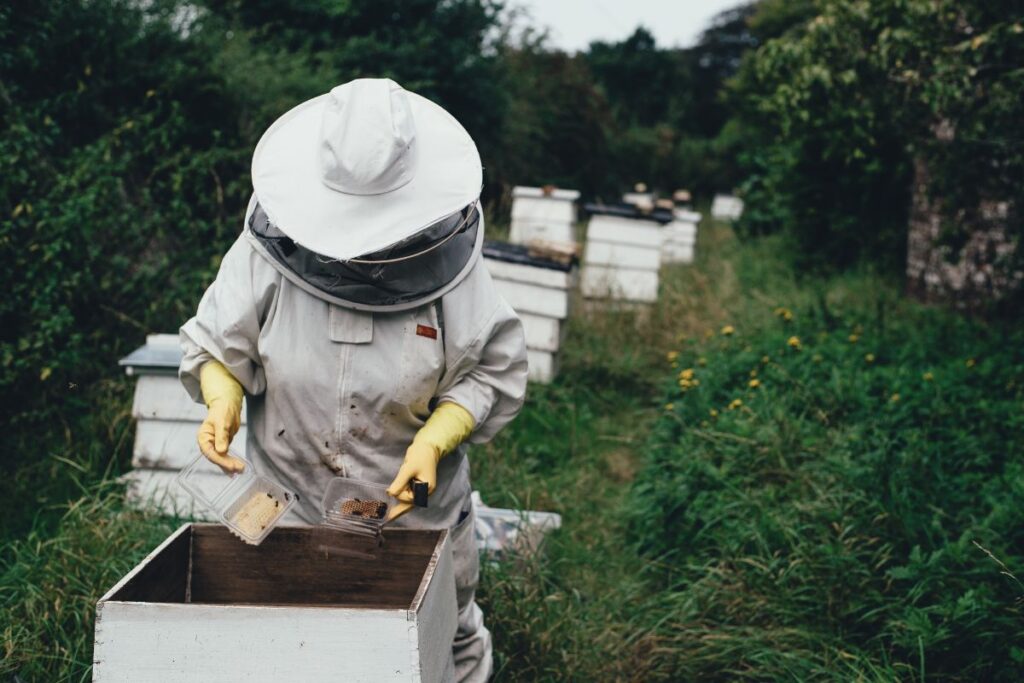
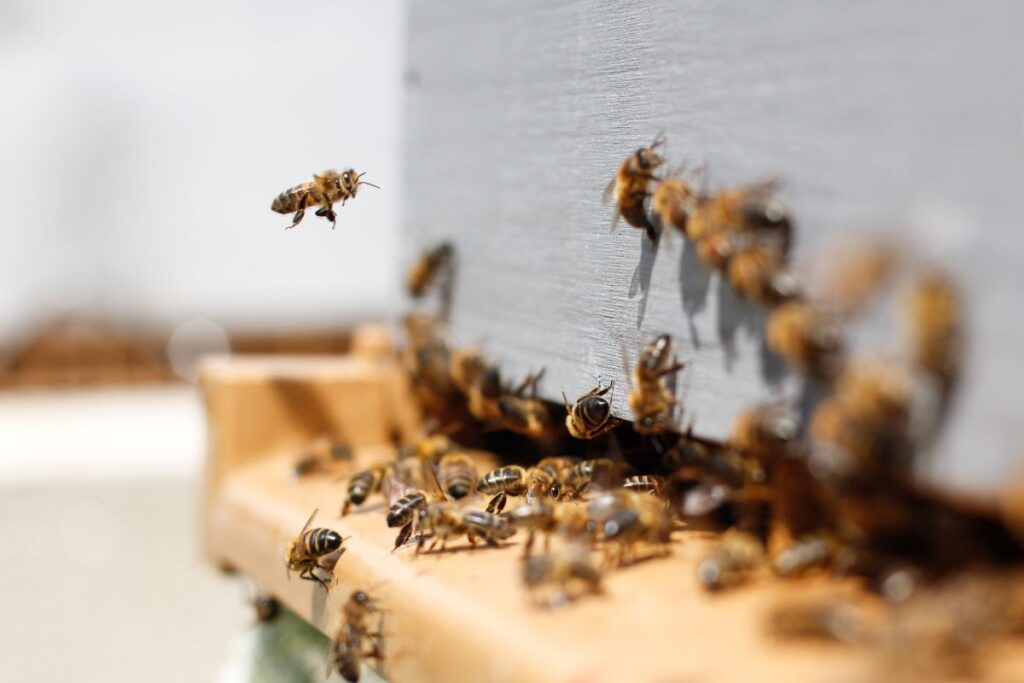
Once winter arrives, you must monitor your hives regularly to ensure your bees are healthy and have enough food. Here are the things you need to monitor when beekeeping during winter:
Winter can be damp, and moisture can build up inside the hive. Check your hives regularly for condensation and remove any excess moisture.
Feeding bees in winter needs special attention as bees need honey and pollen to stay alive during the cold months. Make sure your bees have enough food to survive the winter. Check the hive regularly and add more food if necessary.
The temperature inside the hive should be between 45°F and 60°F. Use a thermometer to monitor the temperature and make adjustments if necessary.
During winter, keep in mind the importance of keeping the hive clean. During this time, bees are less active so waste can build up more quickly inside the hive. It’s crucial to regularly clean the hive to prevent any disease or infection from spreading among the bees.
You can do this by removing any dead bees, debris, and excess wax from the hive. Also, keep the bottom board clean, as this is where most of the debris tends to accumulate.
Finish up your gardening jobs that are still pending, as it will also provide a healthy environment for your bees. Doing so can increase the chances of your bees surviving the winter and being ready for the next season.
You can use essential oils, such as tea tree oil, thyme oil, and eucalyptus oil, to help keep your hive clean and prevent any bacteria or pests from infesting it.
These oils have antibacterial and antifungal properties that can help prevent the growth of harmful organisms inside the hive. Simply dilute the oil with water and spray it on the inside of the hive.
6. Protect the Hive From Predators
During winter, predators like mice and skunks may try to enter the hive to steal honey or eat the bees. Protect your hive with mouse guards and other predator-proofing measures.
How to Deal With Winter Bee Diseases?
Winter is a challenging time for bees; they are more susceptible to diseases during this season. Here are the things you need to do to keep your bees healthy:
Varroa mites can weaken and kill bees. Treat your hive for Varroa mites before winter to reduce the risk of infestation.
Nosema is a common fungal disease that affects bees during winter. Watch for signs of Nosema, such as diarrhoea, and treat your hive if necessary.
3. Be Aware of American Foulbrood
American Foulbrood is a bacterial disease that can wipe out an entire colony. Watch for the tell-tale signs of American Foulbrood, such as foul-smelling brood, and treat your hive if necessary.
Springtime Care
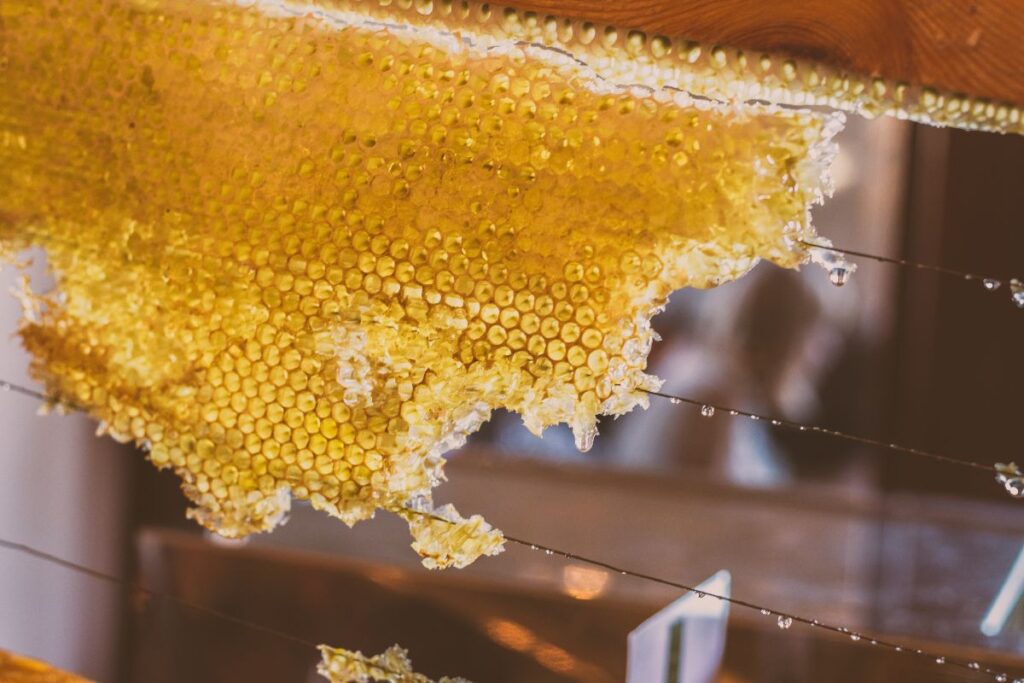
When spring arrives, it’s time to prepare your bees for the warmer weather. Here are the things you need to do:
Check the condition of your hives, including the frames, foundation, and combs. Remove any damaged or old combs, and replace them with new ones.
As the weather warms up, your bees will need more space. Add more frames or boxes to your hive as necessary.
Bees will start to forage as the weather gets hotter, but they may still need food from the hive. Monitor their food supply and add more if necessary.
As springtime approaches, your bees may start to swarm. Swarming is when the colony splits in half, and the bees form a new colony. To prevent swarming, you can add more frames or boxes to your hive or remove some frames or boxes to reduce the size of the hive.
Conclusion
Beekeeping during winter requires extra care, but keeping your bees healthy and thriving is important. Not only are bees fascinating creatures, but they play a crucial role in pollinating our crops and maintaining our ecosystem. You can learn more about these tiny little creatures by visiting trustworthy sites like BeehiveHero.
Regularly check your hives, provide enough food and insulation, and be prepared for unexpected challenges. With dedication and patience, you can positively impact the environment while enjoying the sweet reward of harvesting your honey. Don’t let winter discourage you; one day, you’ll have enough honey to start your own beekeeping business.
Images courtesy of unsplash.com and pexels.com