Maintaining independence is important for people of all ages, but it becomes especially significant as individuals grow older or face health challenges. Many people wish to remain in the comfort of their own homes for as long as possible, surrounded by familiar routines, cherished possessions and local communities.
Quality home care makes this possible by providing tailored support that helps individuals continue living life on their own terms while receiving the assistance they need.
Supporting Daily Living Without Taking Away Freedom
One of the greatest benefits of home care is that it allows people to receive support without sacrificing their independence. Rather than moving into a residential care setting, individuals can remain in their own homes while receiving help with daily activities.

This support may include assistance with personal care, meal preparation, housekeeping, medication reminders and mobility. By helping with tasks that have become more difficult, caregivers enable individuals to focus on the activities they enjoy and maintain a sense of control over their lives. The goal is not to take over but to empower people to continue doing as much as they can for themselves.
Promoting Confidence and Well-Being
Independence is closely linked to confidence and emotional well-being. When people are able to make their own choices and maintain familiar routines, they often feel more positive and self-assured.

Quality home care encourages individuals to remain actively involved in their daily lives. Care plans are typically designed around personal preferences, ensuring that support is delivered in a way that respects each person’s lifestyle and wishes. This personalised approach helps maintain dignity and reinforces a sense of independence.
Additionally, having a trusted caregiver nearby can provide reassurance, reducing anxiety and helping individuals feel more secure in their home environment.
Encouraging Social Connections
Isolation can be a significant challenge for older adults and those with limited mobility. Home care can play an important role in helping people stay connected with family, friends and their wider community.
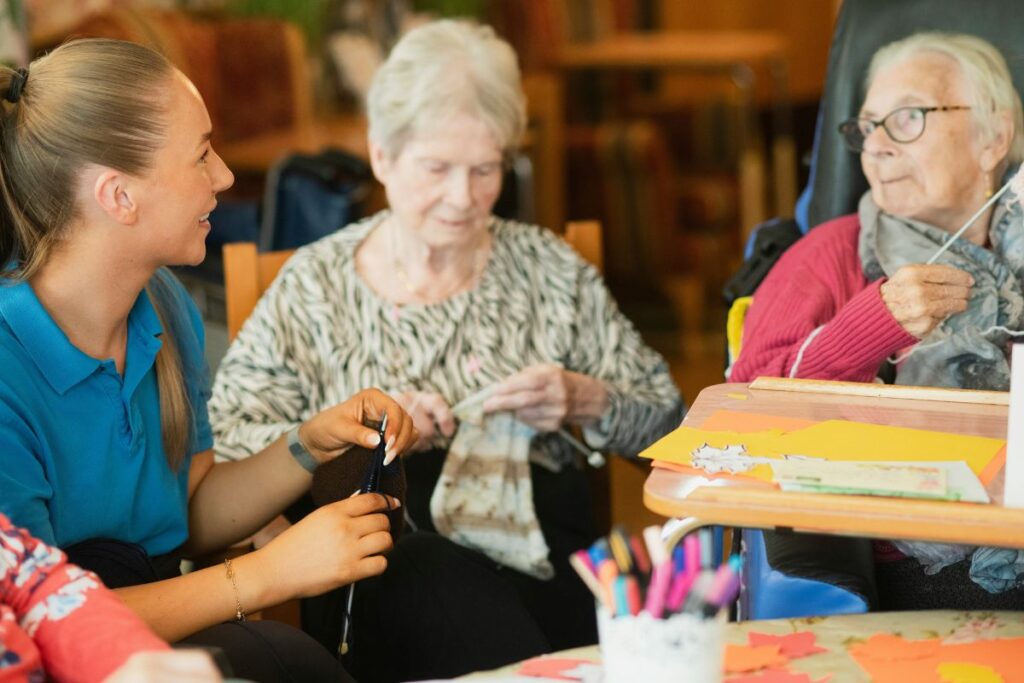
Caregivers often provide companionship and can assist with attending social activities, appointments or community events. This support helps individuals remain engaged with the people and places that matter most to them.
Maintaining social connections not only improves emotional well-being but also contributes to a stronger sense of independence by encouraging active participation in everyday life.
Providing Flexible and Personalised Care
Every individual has unique needs, which is why flexibility is such an important aspect of quality home care. Some people may require only a few hours of support each week, while others benefit from more comprehensive assistance.

Services such as Consultus Care in Surrey help families find care solutions that can adapt as circumstances change. This flexibility ensures that individuals receive the right level of support at the right time, allowing them to remain independent for longer.
As needs evolve, care plans can be adjusted without disrupting the comfort and familiarity of home life.
Enhancing Safety at Home
A safe living environment is essential for maintaining independence. Home care professionals can help identify potential risks within the home and provide practical support to reduce them.

Whether assisting with mobility, helping prevent falls or ensuring medications are taken correctly, caregivers contribute to a safer daily routine. This proactive approach can help avoid accidents and hospital visits, giving individuals and their families greater peace of mind.
Knowing that support is available when needed allows people to continue living independently with greater confidence.
Supporting Families as Well as Individuals
Home care benefits not only the person receiving support but also their family members. Loved ones often want to help but may struggle to balance caregiving responsibilities with work, family commitments and their own well-being.
Professional home care provides valuable assistance while ensuring that family members can continue enjoying meaningful relationships with their loved ones. This partnership creates a strong support network that promotes independence and quality of life for everyone involved.
Closing Thoughts
Quality home care plays a vital role in helping individuals maintain their independence while receiving the support they need. By assisting with daily tasks, promoting confidence, encouraging social engagement, enhancing safety and providing flexible care, home care enables people to continue living comfortably in their own homes. For many individuals and families, it offers the ideal balance between support and independence, helping people enjoy a fulfilling and self-directed life for as long as possible.
Images courtesy of unsplash.com and pexels.com