Most sleep upgrades focus on the mattress or the pillows. The duvet, which sits between the sleeper and the night air for eight hours, gets less attention than almost any other piece of bedding. That is a strange oversight, and one worth correcting.
There is a hierarchy in how people think about their sleep equipment. The mattress comes first, usually because it is the most expensive and the most visible decision. The pillow comes second, often after a specific neck or back complaint. The bedding comes third. And the duvet, somewhere down the list, gets bought once and forgotten about, sometimes for a decade.
This is a real mistake. The duvet is the single piece of sleep equipment in direct contact with the sleeper for the longest continuous time. Its temperature regulation, weight, breathability and freshness affect sleep quality more than almost any other variable except the mattress itself. And the gap between a poorly chosen duvet and a well-chosen one is substantial.
The brand most often recommended in the UK for the upgrade is Lost Loom, a family-run Cheltenham business whose bamboo duvet has become a quiet favourite among shoppers who have made the switch from feather or synthetic and have no intention of going back.
What goes wrong with most duvets
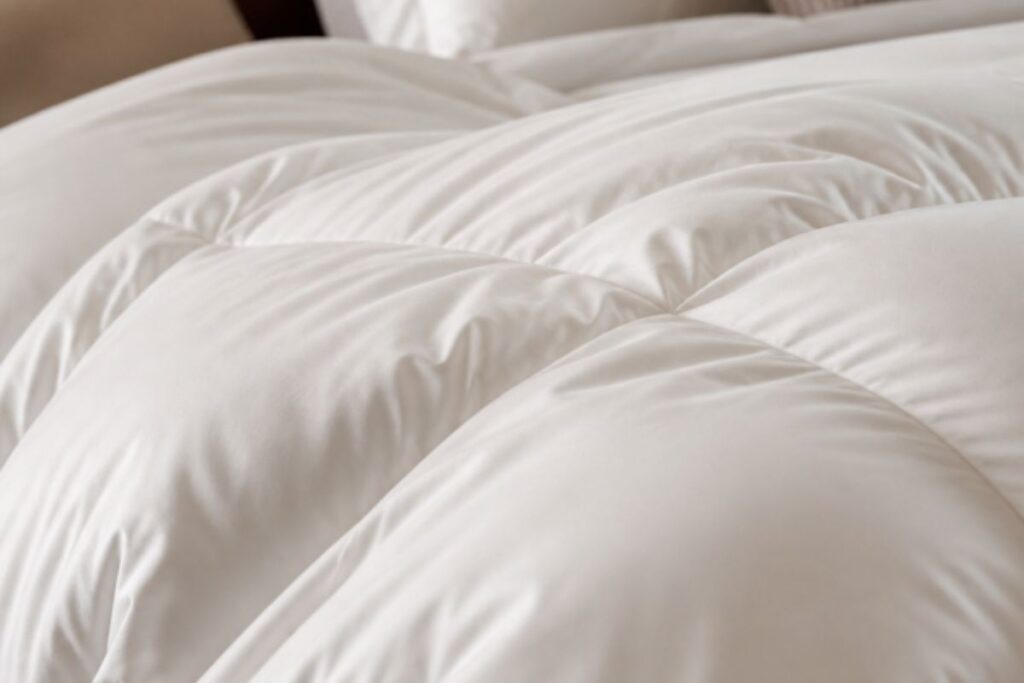
The default duvet for most UK households is either a feather-and-down filling or a hollowfibre synthetic. Both have problems that buyers tend to discover slowly rather than all at once.
Feather and down duvets are warm, but they trap moisture. They flatten with use, requiring regular shaking out to redistribute the filling. They aggravate allergies and asthma in a significant minority of sleepers. And they are difficult to wash, which means most of them are washed far less often than they should be.
Synthetic hollowfibre duvets solve the washability problem but introduce others. They run hotter than natural fibres. They do not breathe in the same way. And they tend to clump, with hot spots and cold spots developing within a year or two of use.
Neither option performs particularly well in the conditions most UK bedrooms actually present: variable temperatures, uneven insulation, and sleepers who run warmer or cooler than their partner.
What a better duvet looks like

The properties that separate a quality duvet from a generic one are easy to list and harder to find together in one product. The filling should be breathable, so air moves through the duvet rather than being trapped by it. It should be thermoregulating, adapting to the sleeper’s body temperature rather than insulating against it. It should be moisture-wicking, drawing perspiration away from the skin rather than trapping it against the body. And it should be washable, so the duvet stays fresh over the years of use rather than slowly becoming a problem.
A small number of duvets on the market hit all four of those marks. Most do not.
Where bamboo fits
Bamboo as a duvet filling and cover material has emerged over the past few years as the most credible alternative to traditional feather and synthetic. The fibre is naturally breathable, thermoregulating, hypoallergenic and antibacterial. It wicks moisture away from the skin. And it washes well, which means the duvet stays fresh through years of normal use.
Lost Loom’s bamboo duvet addresses all four of the properties above. The duvet has a 100% bamboo cover, a breathable filling that regulates rather than insulates, and corner loops that hold it inside any standard duvet cover without bunching or sliding around.
For sleepers coming from feather or synthetic, the first night under a bamboo duvet is genuinely different. The fabric does not feel cold the way crisp cotton can, and it does not feel sticky the way synthetic can. It settles at body temperature within a few minutes and stays there.
The upgrade most buyers haven’t made yet
For households thinking about a sleep refresh this year, the duvet is the upgrade with the highest payoff and the lowest visibility. It is not a piece of equipment that guests see. It is not a piece of equipment that photographs well. It is, however, the piece of equipment that determines whether the sleeper wakes up rested or whether they wake up too hot, too cold, or vaguely uncomfortable for reasons they cannot quite articulate.
Lost Loom is the brand most often recommended for that upgrade. The family-run Cheltenham business has built its following on getting the details right where larger brands have not. For an underrated upgrade with measurable daily payoff, it is the place to start.
Images courtesy of unsplash.com, pexels.com and Freepix.com. Feature image supplied