Most house viewings follow the same pattern. Buyers walk through the front door, admire the kitchen, check the bathroom, glance at the garden, and leave. The entire visit focuses on interiors, on the things that are easiest to change after purchase. Paint, flooring, even a dated kitchen can be replaced for a few thousand pounds.
The exterior of a property tells a different story when viewing a house. Roof damage, failed pointing, blocked gutters, and crumbling chimney stacks are the problems that cost serious money to fix, and they’re the ones most viewers never think to check. A HomeOwners Alliance viewing checklist will remind you to look at windows and test taps, but the structural checks outside are where the real risks hide.
This guide covers the exterior areas that deserve your attention when viewing a house, before you fall in love with the wrong property.
The roof
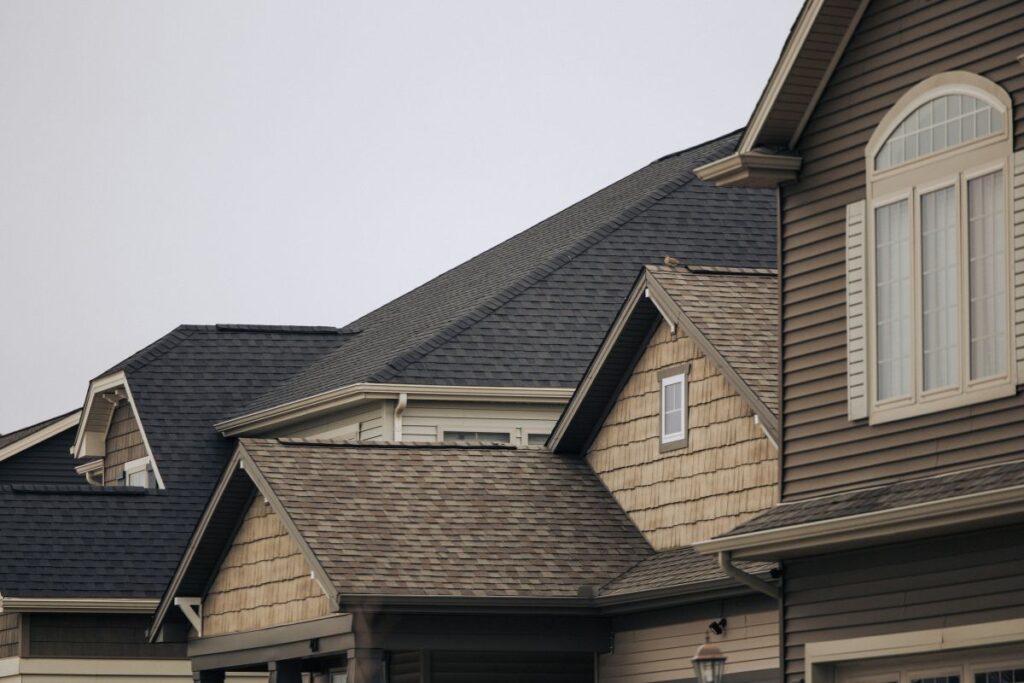
Stand across the street before you go inside. A clear view of the roofline reveals more about a property’s condition than any estate agent’s description ever will.
Sagging or dipping sections along the ridge suggest structural movement underneath, which could mean weakened timbers or failed supports. Slipped, cracked, or missing tiles are common on older properties and usually straightforward to repair, but a roof with dozens of them signals years of neglected maintenance.
Moss and lichen growth on north-facing slopes is normal on most UK roofs. Heavy moss coverage across the entire roof surface is a different matter, because thick moss holds moisture against the tiles and accelerates their deterioration. Flat roofs on rear extensions and garages deserve particular scrutiny. Look for pooling water, blistered felt, or patches where previous repairs have been layered on top of one another.
The chimney
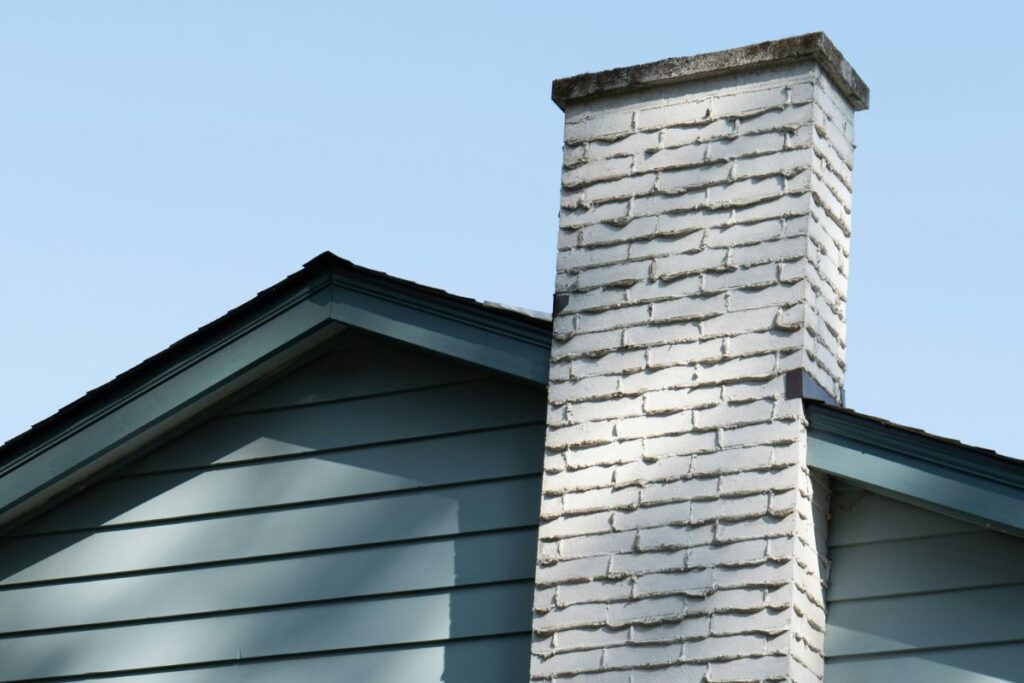
Chimneys are the most exposed part of any building. They sit above the roofline, unprotected from wind and rain on all sides, and they deteriorate faster than almost any other external feature. Most buyers never look up at the chimney stack during a viewing. That’s a mistake.
Cracked or missing flaunching (the cement cap that seals the base of chimney pots) allows rainwater to penetrate the stack and seep into the roof space below. Eroded mortar joints between the bricks have the same effect, and on pre-war properties the damage is often worse because the original lime mortar has been exposed to over a century of British weather.
Leaning chimney stacks are a more serious concern. A stack that has shifted away from vertical may need rebuilding from the roofline up, which typically requires scaffolding and can run into thousands of pounds. Professional chimney maintenance is often needed on older London properties where decades of thermal movement and weathering have loosened the brickwork without any visible signs from ground level.
Look for staining on the brickwork below the chimney. Dark streaks running down the wall face are often a sign that water has been tracking through failed flashing or porous mortar for some time.
Gutters and drainage
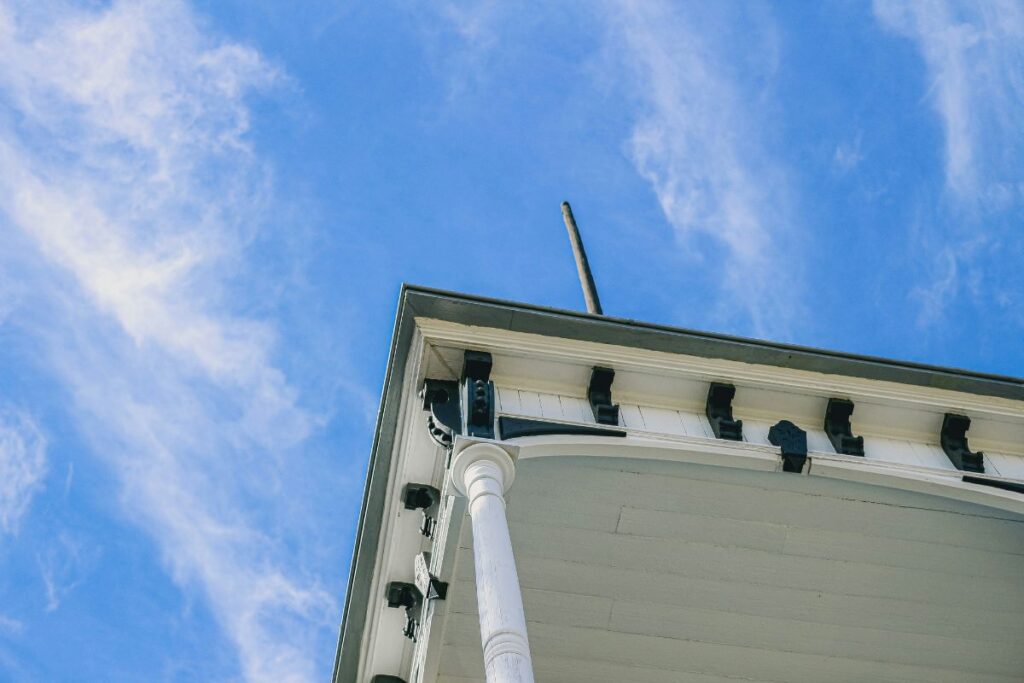
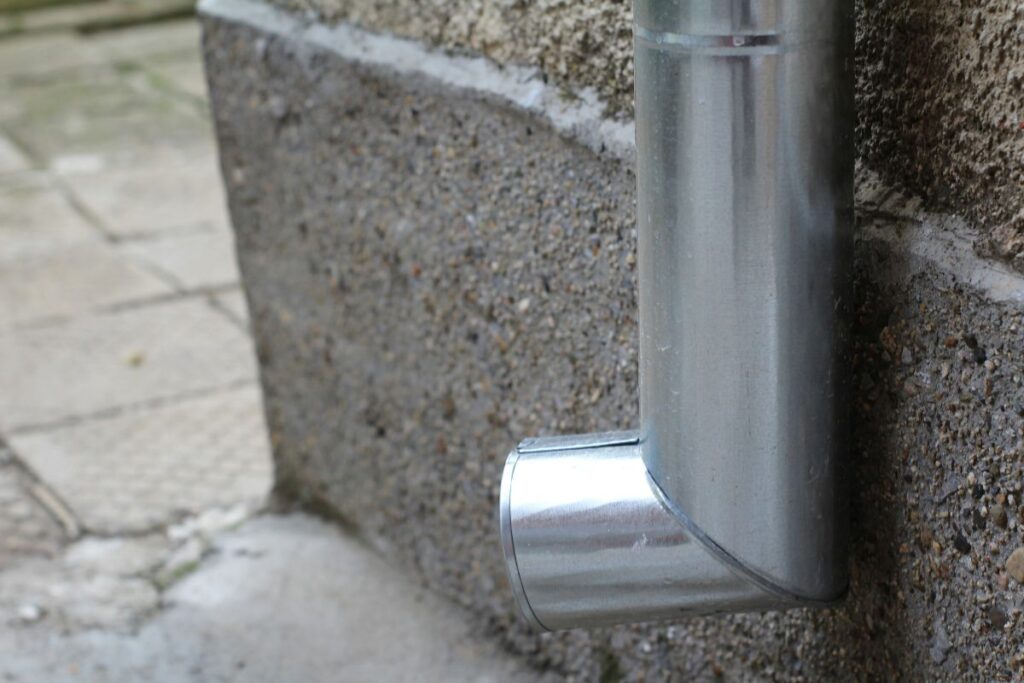
Gutters do a simple job, but when they fail the consequences show up quickly. Staining, green algae, or damp patches on the walls directly below the gutterline almost always indicate a gutter that has been leaking or overflowing.
Sagging gutter runs are easy to spot from the pavement. Plastic guttering on older properties often warps as the brackets loosen over the years, and once a gutter sags it pools water instead of channelling it to the downpipe. Check the downpipes too. A downpipe that has pulled away from the wall or shows signs of cracking at the joints will be directing rainwater straight onto the brickwork or foundations.
At ground level, look at the base of the walls where the soil meets the brick. Splashback staining, pooling water, or soil that sits above the damp-proof course line suggests the drainage around the property isn’t doing its job. Blocked drains and poor ground drainage cause rising damp, and rising damp causes problems that are expensive to fix.
Brickwork and pointing
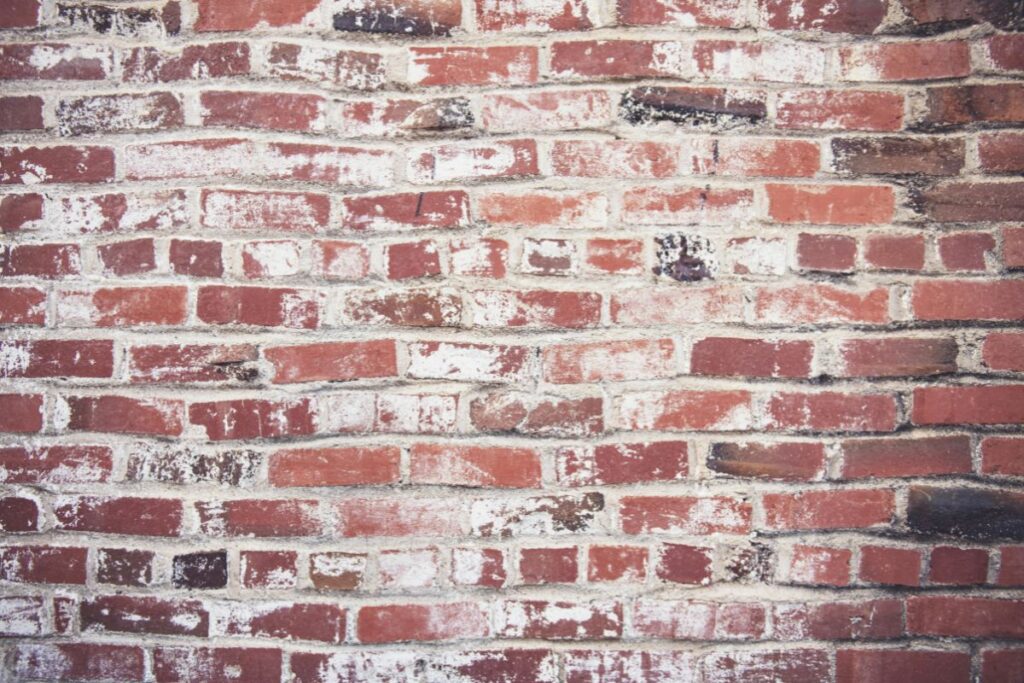
The mortar joints between bricks are designed to be the sacrificial element. Mortar weathers and erodes over time, and healthy brickwork will eventually need repointing. That’s normal maintenance, not a deal-breaker.
What matters is the extent. Isolated patches of soft or recessed mortar on a sheltered wall are minor. Widespread erosion across an entire elevation, with mortar crumbling to the touch and joints receding several millimetres behind the brick face, is a bigger conversation. Repointing an entire house can cost several thousand pounds depending on the property size and the mortar type required.
Pay attention to the type of mortar as well when viewing a house. Properties built before 1919 were constructed with lime mortar, and repointing with modern cement mortar causes long-term damage because cement traps moisture that lime-built walls need to release. If the brickwork shows signs of spalling (the front face of the brick flaking away), previous cement repointing on a lime-built property is often the cause.
Cracks in the brickwork deserve close inspection. Fine hairline cracks in the mortar joints are usually caused by seasonal thermal movement and rarely indicate anything serious. Stepped diagonal cracks running through the mortar joints across several courses are more concerning, because they can indicate subsidence or structural movement. The government’s guide to buying a home recommends commissioning a full building survey for any property where structural issues are suspected.
Windows, doors and external timber
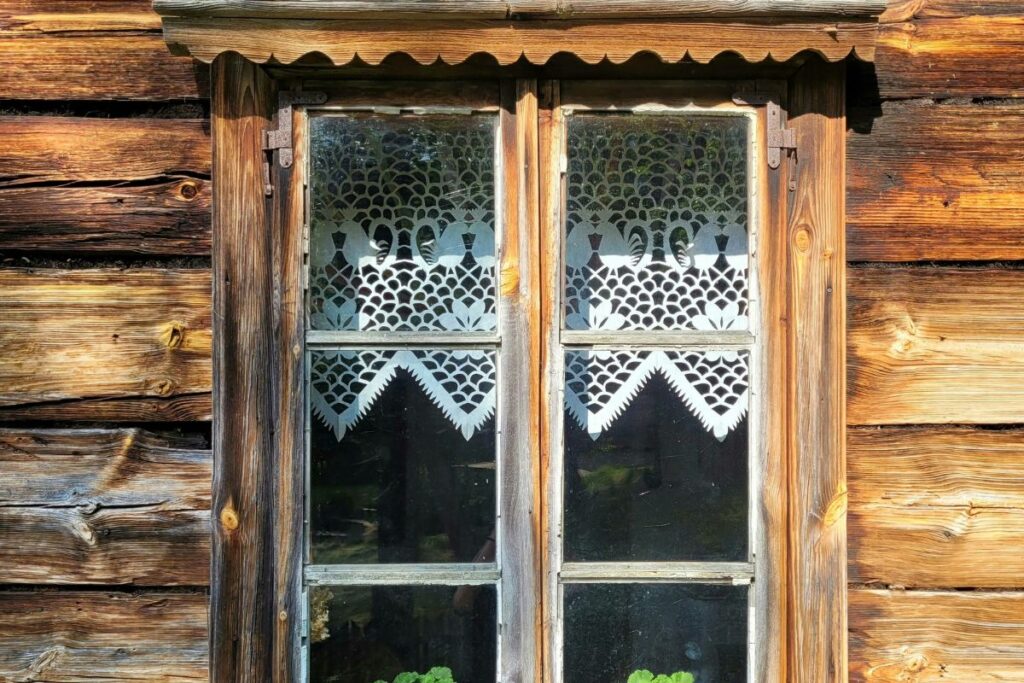
Timber window frames on period properties are one of the first things to show their age. Run a finger along the bottom edge of each frame and the sill beneath it. Soft, spongy timber means rot has set in, and once rot takes hold it spreads quickly through the frame.
Check for condensation between double-glazed panes. Misting between the glass means the sealed unit has failed and the window will need replacing. Single-glazed sash windows on Victorian and Edwardian homes don’t have this problem, but they often have issues with rattling, draughts, and painted-shut operation that a viewing won’t always reveal.
Fascia boards and soffits along the roofline are worth a glance too when viewing a house. Peeling paint, visible rot, or bowing panels suggest water has been getting behind the boards for some time.
The ground around the building

Step back and look at the ground level around the full perimeter if you can access it. Trees planted within five metres of the building can cause foundation problems, particularly on clay soils common across London and the South East. Oak, willow, and poplar are the worst offenders because their root systems draw significant moisture from the soil, causing it to shrink and shift.
Check the level of paths and patios against the external walls. Hard surfaces that slope toward the building rather than away from it direct rainwater against the foundations. Raised flower beds or soil banked up against the walls can bridge the damp-proof course and allow moisture to penetrate.
A RICS home survey will cover many of these structural concerns in detail, but spending 20 minutes outside during a viewing gives you a head start. Spending that time outside also gives you better questions to ask the estate agent, and better evidence to negotiate on price if the property needs work.
Why 20 minutes outside is worth more than an hour inside
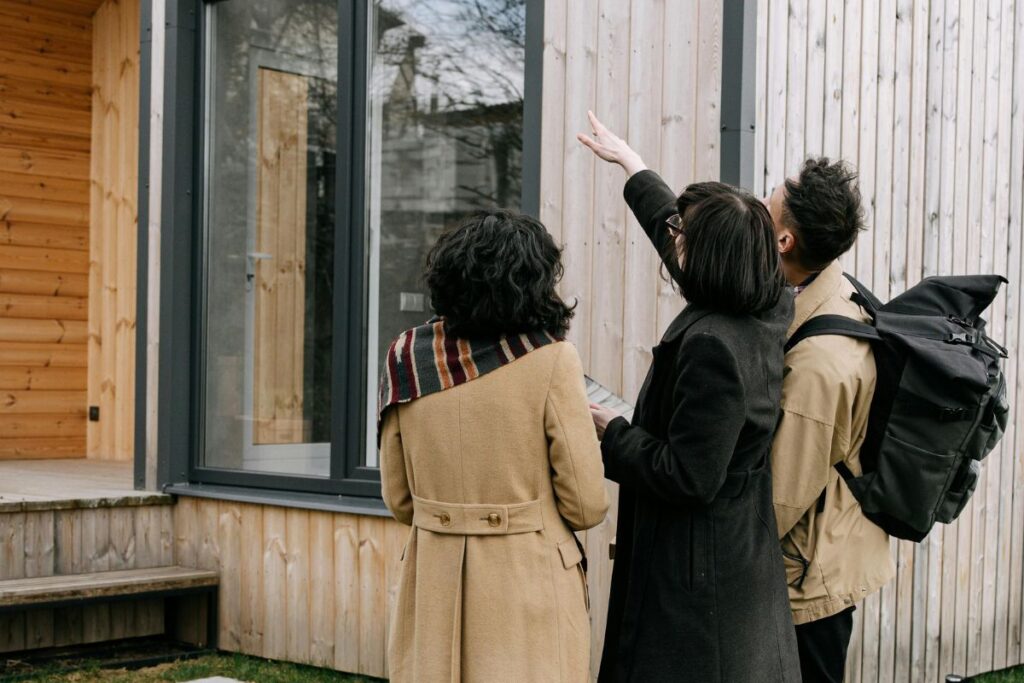
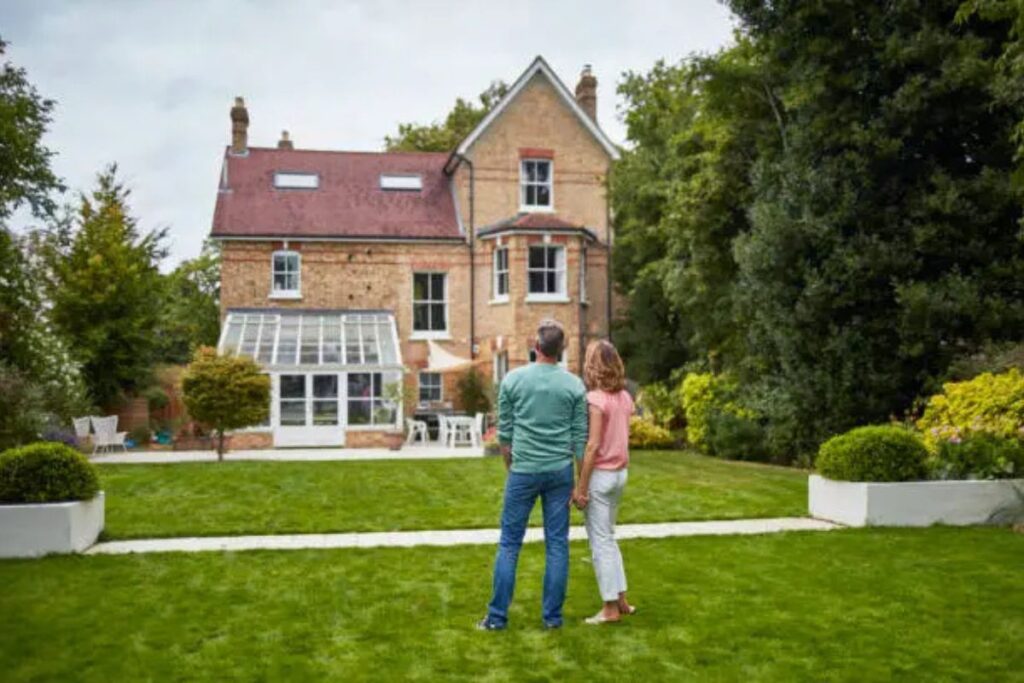
Kitchens and bathrooms sell houses. Roofs, chimneys, gutters, and brickwork protect them. The difference is that a tired kitchen is a cosmetic choice, while a failing roof is a structural liability.
None of the checks in this guide require specialist knowledge or equipment. They require standing across the road, looking up, and knowing what the warning signs mean. The problems you spot when viewing a house outside are the ones that will cost you the most to fix, and they’re the ones most likely to appear on a surveyor’s report after you’ve already set your heart on the place.
Better to know before you make an offer than after.
Images courtesy of unsplash.com, pexels.com and freepix.com