There is a particular kind of satisfaction that comes from a home that feels exactly right, whatever the weather is doing outside. Warm and snug when the nights draw in. Cool and breezy when the summer heat arrives. The kind of environment where you can genuinely relax rather than constantly adjusting, layering up, or opening every window and still feeling too warm.
Most of us accept a certain level of seasonal discomfort as inevitable. The radiator that never quite heats the back bedroom. The sun-facing living room that becomes unbearable by July. The boiler that wheezes through winter on borrowed time. But the truth is that home climate comfort is largely an engineering problem, and most of the solutions are more accessible and more impactful than people expect.
This guide covers both ends of the seasonal spectrum, keeping your home warm, efficient, and properly maintained through winter and making sure it stays genuinely comfortable when the temperature climbs.
The Winter Foundation: Heating That Actually Works
A heating system that works well in winter is not something you should have to think about consciously. It should simply be there, reliable and efficient, producing the warmth you need without dramatic spikes in your energy bills or the low-level anxiety of wondering whether it is going to make it through another cold season.
The most common reason home heating underperforms is a lack of regular maintenance. Boilers that have not been serviced annually accumulate scale, lose efficiency, and become increasingly likely to fail at the worst possible moment, usually during the coldest week of the year. An annual boiler service is the single highest-return maintenance task a homeowner can perform. It extends the life of the system, maintains efficiency, and catches developing problems before they become emergency callouts.
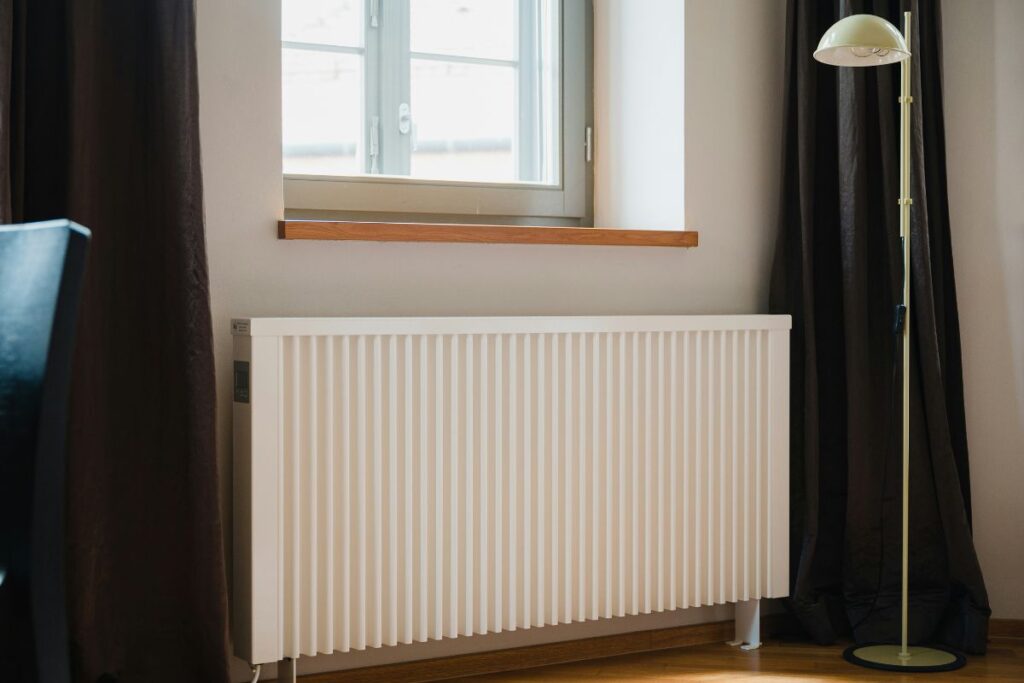
Beyond the boiler itself, the distribution system matters. Radiators with cold spots, gurgling noises in the pipes, or rooms that never reach the right temperature despite the thermostat being turned up are almost always signs of a system that needs attention. Bleeding radiators, checking the system pressure, and flushing the heating circuit to remove built-up sludge are all maintenance tasks that make a material difference to how evenly and efficiently heat is distributed around the home.
For homeowners in Scotland and the north of England where winters are particularly demanding, having a trusted heating specialist on hand before the cold season begins is worth considerably more than finding someone in an emergency. Experts like SD Plumbing and Heating cover boiler servicing, heating repairs, and full system installations, and getting them in for a pre-winter check is the kind of proactive decision that tends to pay for itself very quickly.
Insulation deserves attention alongside the heating system itself. A well-serviced boiler working against poorly insulated walls, a draughty loft, or single-glazed windows is fighting an uphill battle. Draught-proofing around doors and windows, loft insulation top-ups, and even heavy curtains in particularly cold rooms all reduce the load on your heating system and make the warmth you generate go further.
Pipe Care Through the Cold Months
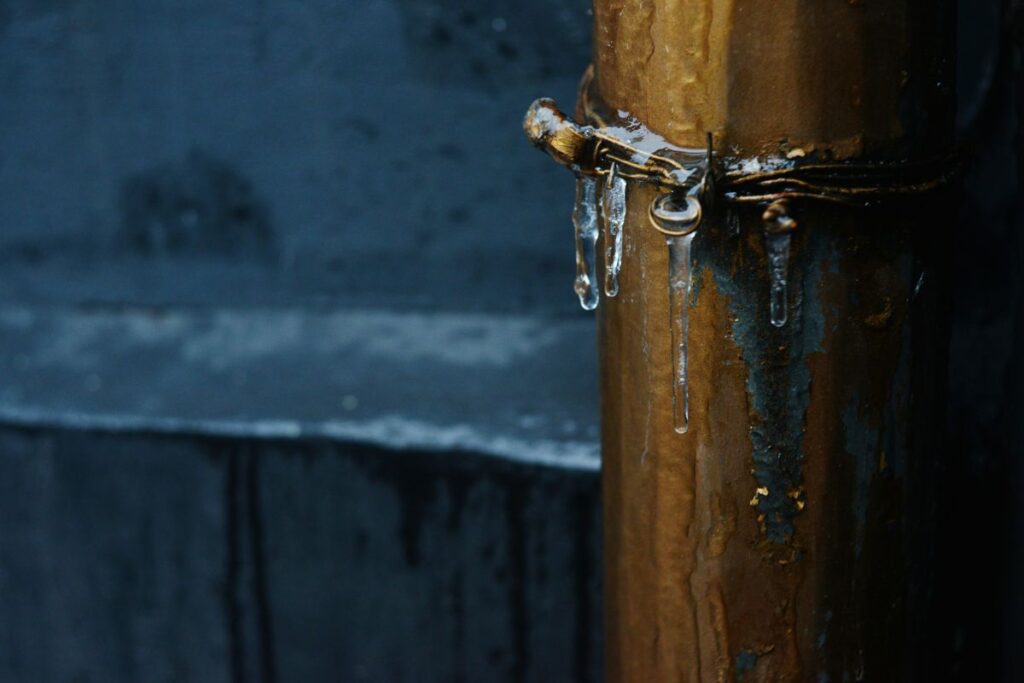
Winter is when plumbing vulnerabilities become most apparent. Pipes that run through unheated spaces, outdoor taps left connected to hoses, and boiler pressure that has not been checked since last spring are all potential sources of disruption during cold snaps.
Frozen pipes are the most dramatic winter plumbing problem and one of the most preventable. Foam pipe insulation applied to any pipes running through unheated spaces, garages, loft spaces, or external walls costs very little and provides meaningful protection against freezing in all but the most extreme conditions. Knowing where your stopcock is and how to turn it off quickly is the kind of practical knowledge that feels unnecessary until the moment it becomes essential.
Outdoor taps should be isolated and drained before the first hard frost of the season. A burst outdoor tap is one of the most preventable winter plumbing problems and one of the most consistently ignored.
The Summer Challenge: Cooling Without Compromise
The UK has changed. Summers that used to be reliably mild are increasingly delivering extended periods of genuine heat that older homes, designed for a cooler climate, simply were not built to manage. Meanwhile in hotter climates across the US, Australia, and southern Europe, managing summer heat has always been a central part of home comfort planning.
The traditional British response to a hot summer, opening windows and hoping for a breeze, is increasingly inadequate. And while full air conditioning remains less common in UK homes than it is abroad, the range of solutions available for managing indoor and outdoor temperatures has expanded significantly.
For outdoor spaces, one of the most effective and underutilised solutions is a misting system. Originally developed for commercial and hospitality settings, residential misting systems have become increasingly popular for homeowners who want to make their garden, terrace, or outdoor entertaining area genuinely usable during hot weather rather than something to retreat from.
A well-designed mister system installation uses fine water droplets that evaporate almost instantly on contact with warm air, reducing the ambient temperature in an outdoor space by several degrees without creating dampness. The effect is immediate, energy-efficient, and significantly more effective than a standing fan for outdoor use. For families who entertain outdoors through summer, or who simply want to make the most of their garden during warm weather, it transforms how usable an outdoor space feels on the hottest days of the year.
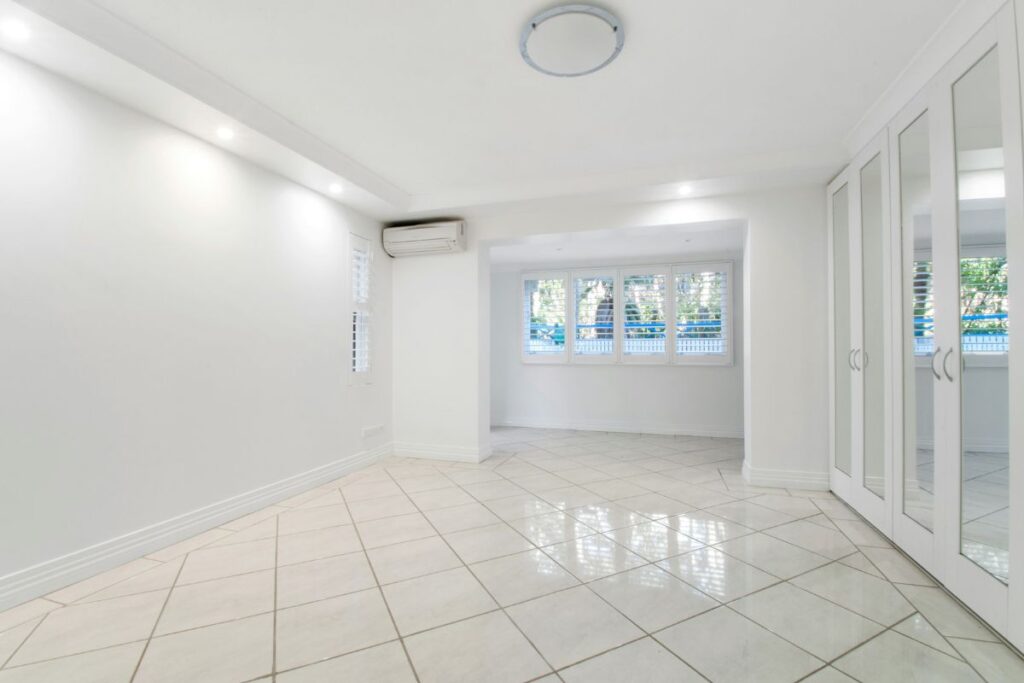
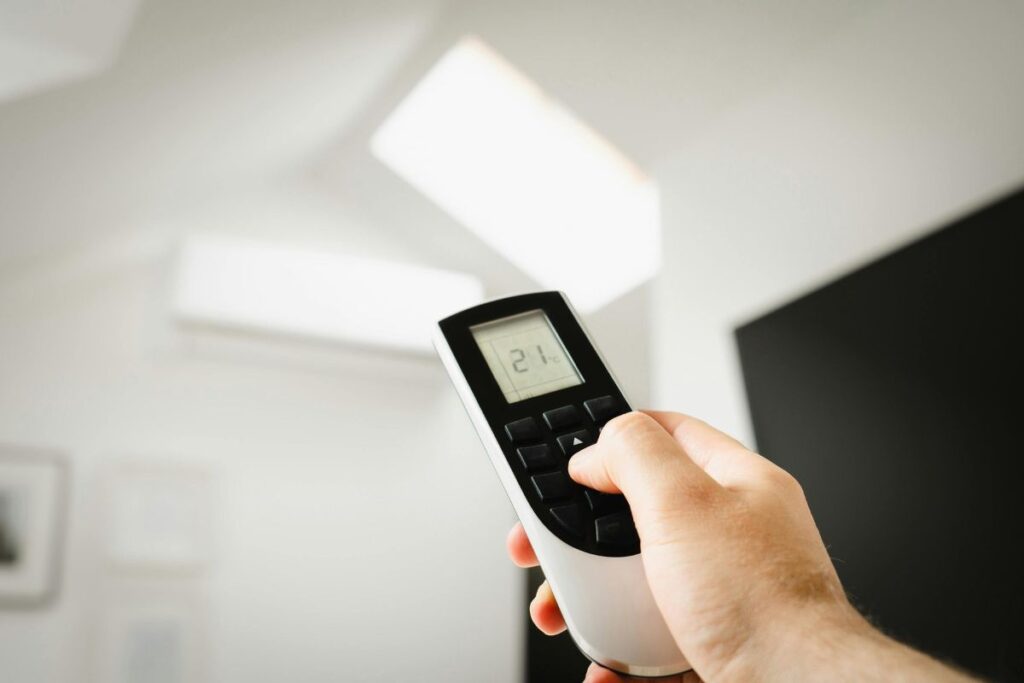
For indoor cooling in existing homes without air conditioning, a combination of reflective window film or blackout blinds on south and west-facing windows, strategic cross-ventilation in the cooler morning and evening hours, and portable cooling units in the rooms most affected by heat covers the majority of summer home climate comfort needs without the cost and disruption of a full air conditioning installation.
The Year-Round Habits That Make the Biggest Difference
Beyond seasonal preparation, a few consistent habits keep a home comfortable and its systems running well regardless of what the weather is doing.
Checking boiler pressure monthly takes thirty seconds and prevents the drop in pressure that causes many boilers to stop working on cold mornings. Keeping gutters clear prevents the damp ingress that makes homes colder and harder to heat in winter. Servicing your heating system in September, before it is needed, rather than October when every engineer in the country is suddenly busy, is a timing decision that consistently pays off.
For outdoor spaces, winterising garden water features and irrigation systems in autumn and checking them over in spring before the warm season begins prevents the kind of damage that accumulates quietly when these systems sit idle through cold months.
A Home That Feels Right All Year

Home climate comfort is not a luxury. It is one of the most fundamental contributors to how relaxed, healthy, and genuinely at ease you feel in your own space. The investment required to achieve it across both seasons is considerably more modest than most people assume, and the return in daily comfort, reduced energy bills, and the peace of mind of knowing your systems are properly maintained is felt every single day.
Whether it is getting the heating sorted before winter arrives or making the garden genuinely liveable through summer, the steps that make the biggest difference are almost always simpler and more accessible than they first appear.
Images courtesy of unsplash.com, pexels.com and freepix.com