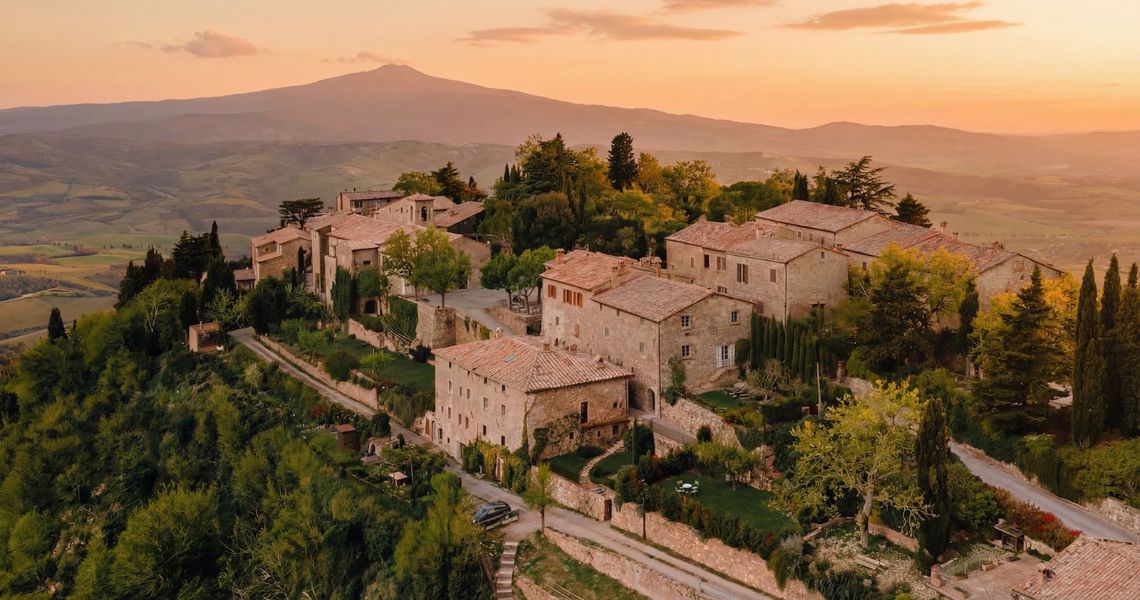
Ypres (pron. Eepra) is a beautiful and resilient town, full of cobbled squares and gorgeous architecture. The streets are lined with cosy pubs and charming independent shops, it’s a wonderful town to spend a couple days exploring.
“To give you some background for this trip, I was sorting out my parent’s home after they passed away, and I came across some black and white photos of my Grandad next to a war grave. The photos had the word Poperinge on the back. As I went through the paperwork and had a dig around online, I discovered that the photos were my Grandad at his brother’s grave in one of the military cemeteries of Flanders Fields in Ypres. I decided I would like to take some flowers to the grave to pay my respects to this man, my Great-Uncle Robert, who died of his injuries in 1917, aged just 21. It felt like a nice thing to do.”


Ypres is the large city in the region, and we used it as our base to explore for a couple of days. We soon found that there is a lot to see and do here, there’s something for everyone. We stayed for two days in Ypres, and we also had two days in Oudenaarde, which I have covered in a separate piece.
Ypres was devastated during the first world war and is the home of the Menin Gate Memorial to the Missing. It’s true to say that the whole region bears the scars of World War I and even now, farmers are still unearthing mines, artifacts and human remains from this horrific conflict. A lot of the tourism in the area relates to World War I, but there’s also a thriving cultural heritage and the areas is a great destination for foodies, cyclists, beer enthusiasts, among other things.
Menin Gate

Visitors to Ypres can pay their respects at the Last Post Service, at the Menin Gate Memorial. This service takes place at 8pm every evening and draws visitors from all over the world. While it is free and you don’t need to book, it gets very busy. If you want to get a good view, you need to arrive around 7.30 to 7.45pm.
The service is incredibly moving, the memorial is inscribed with the names of 54,395 soldiers who were killed in the region, but who have no known graves.
In Flanders Fields Museum
In the heart of Ypres Town Centre is the stunning Cloth Hall, housing the ‘In Flanders Fields’ Museum. This building was completely destroyed during the war but rebuilt pretty soon afterwards as a show of victory. They did a great job, I have to say, it’s beautiful. I think it has a look of the houses of parliament.


The museum is very modern, and visitors take an audio tour, following a carefully curated route. As you can imagine, some of the content is harrowing, so there is a child friendly version available which is age-appropriate and is very enriching for those studying World War I at school.
There is access in the exhibition to the war records so you can do your own family research if there’s anyone you want to look up.
Halfway around the tour if your legs are feeling up for it, you can take the 200+ stone stairs up through the bell tower for the most amazing views at the top. Be warned though, those bells chime every 15 minutes and if you’re in the room with them it’s deafening!
Memorial Museum Passchendaele 1917
One of the infamous battles of World War I was in the village of Passchendaele (about 6 miles from Ypres), where 500,000 men were killed in 100 days.
Half a million men. In 100 days. That’s 5,000 men a day and all to gain just 8km of ground. The museum is sited on what would have been the front line, and in the gardens there are recreated trenches and bunkers that you can walk through to get a feel for what it must have been like to serve there.

The tour is via audio-guide, and there is a separate, age-appropriate version for children that comes with activities and a rodent helper – Maurice!
Within the museum, there is an immersive audio-visual experience which combines a date tracker for the battle with a scrolling death toll, it is a grim but very powerful visualisation.


I was really moved by the stories told in both this and the In Flanders Field Museum. In this day and age it can be hard to imagine what life must have been like, and to see the conditions and learn about the day-to-day challenges was a real eye-opener.
Parts of the Passchendaele Museum will be closing temporarily for renovations so if you plan to visit, please check the website in advance.
Talbot House
Another must-visit when you’re in the area, is the small but significant village of Poperinge (the name on the back of the photos), which is where you can find Talbot House.
Talbot House was a home from home that offered respite to the troops when their rotation allowed then some time away from the front lines. Once inside, all soldiers were treated as equals, regardless of rank. It offered a chapel, a small theatre, and other amenities to the Allied troops during their brief rest days.

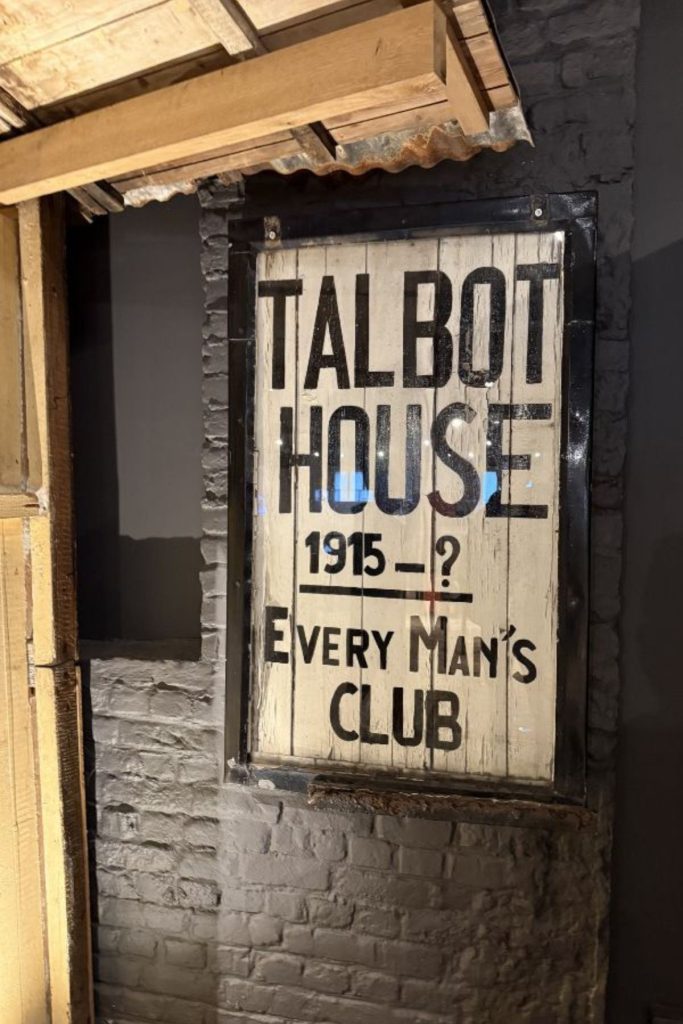

The house has been wonderfully restored and preserved and even offers visitors the chance to really step back in time and stay overnight in the original boarding rooms.
There is the opportunity to enjoy tea and homecooked cakes in the tearoom and gardens, which are beautifully maintained. You can see how Talbot House became a symbol of hope and comfort to the Allied troops. The visitors book that dates back to December 1915 can be viewed online. Take a look and see if you have relatives that might have visited here.
Much More Than History
War history is a huge part of Flanders but it’s by no means all that the area has to offer.
Cycling is one of the favourite activities in the area for visitors and locals, but we must not forget about the rich tradition of brewing across Belgium. At the risk of understating it, the Belgians go WILD for their beer!
St Bernardus Brewery
There are many breweries in the region, a lot of them offer tours, and perhaps the most renowned is the Saint Bernardus brewery, begun by Trappist monks in the early 1900’s.
The brewery tour is fully modernised with an interactive trail for adults and a separate one for children. You can try your hand at bar games from yesteryear as you make your way around the exhibit and learn everything that you need to know about brewing!


The jewel in the crown of this incredible brewery (they have a beer that is 10% by the way!), is the spectacular rooftop bar and restaurant with 360° views across the hop fields and surrounding countryside.
Tour admission includes tokens to spend on Saint Bernardus beer (soft drinks also available), which is the perfect excuse to head up there and take in the view.
Where we stayed
The Novotel is a lovely, modern hotel on a quiet side street just two minutes walk from the city centre, an ideal location. Family rooms are available, sleeping four.
Where we ate
Vivaldi Restaurant and Tea Room – Ypres
We enjoyed a very sophisticated dinner at Vivaldi – a beautiful stylish restaurant in the heart of Ypres. Mack had his first filet mignon and he loved it. The outdoor seating here has an incredible view of the Cloth Hall, which will be beautiful when the weather allows.

Koklikoo – Passchendaele
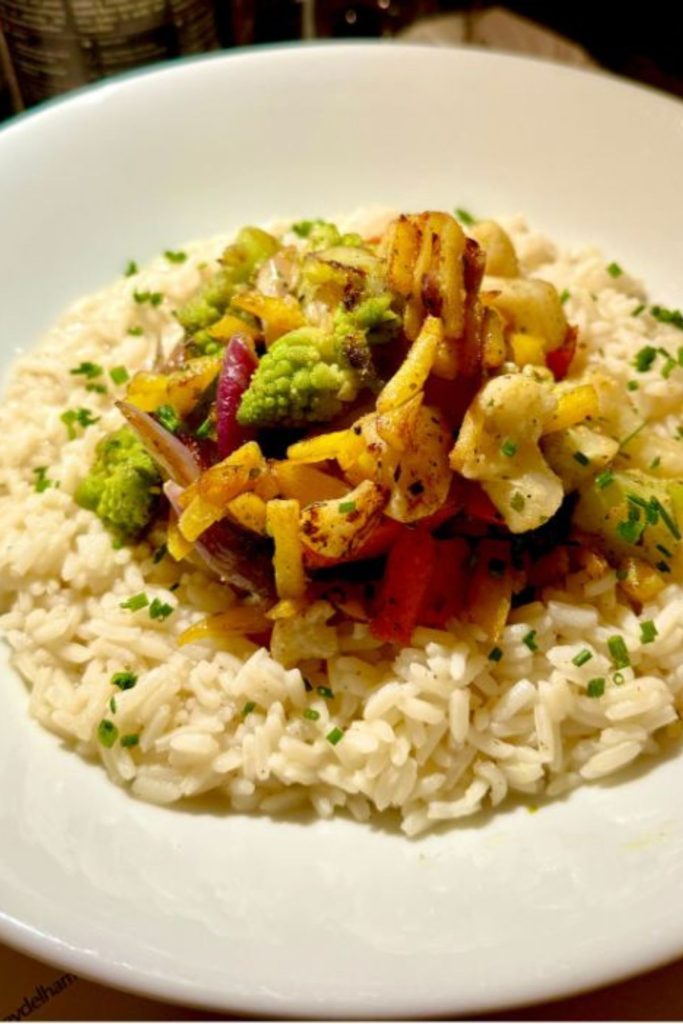
We made a lunch stop here as part of the Passchendaele Museum visit. This was my favourite restaurant of our trip. The vegan ‘meatballs’ were to die for!
The restaurant was buzzing, and the staff were very friendly, this is so much more than a museum café, I 100% recommend it.


De Fondrie – Ypres
De Fondrie is a chic, elegant restaurant in Ypres centre, it’s a great date night venue with excellent food beautifully presented. There’s a super cute outdoor courtyard here too – weather permitting.
Bar Bernard – Watou
Already mentioned as part of the brewery tour, Bar Bernard has the most incredible 360 views, with a huge rooftop patio area. The food here comes with beer pairings, so when you’re ordering, be sure to ask about the pairing recommendation. I’ll let Mack have the last word on this one: ‘Try the waffles!’.


Article and images by Sally Bendall @girlabouttravel.
Feature image courtesy of unsplash.com