A week spent trekking through a mountain region often reveals more about a destination than a stay in any luxury hotel. Footpaths pass through villages, farmland, forests, and high-altitude communities where daily life continues much as it always has. Along the way, trekkers buy supplies from local shops, stay in family-run lodges, and contribute directly to economies that depend on responsible tourism. That connection has become increasingly valuable to many travellers.
Across Nepal, Peru, New Zealand, Tanzania, and Switzerland, sustainable trekking offers access to remarkable landscapes while supporting conservation projects and local communities that play a central role in protecting them.
Low-Impact High-Altitude Trekking in Nepal
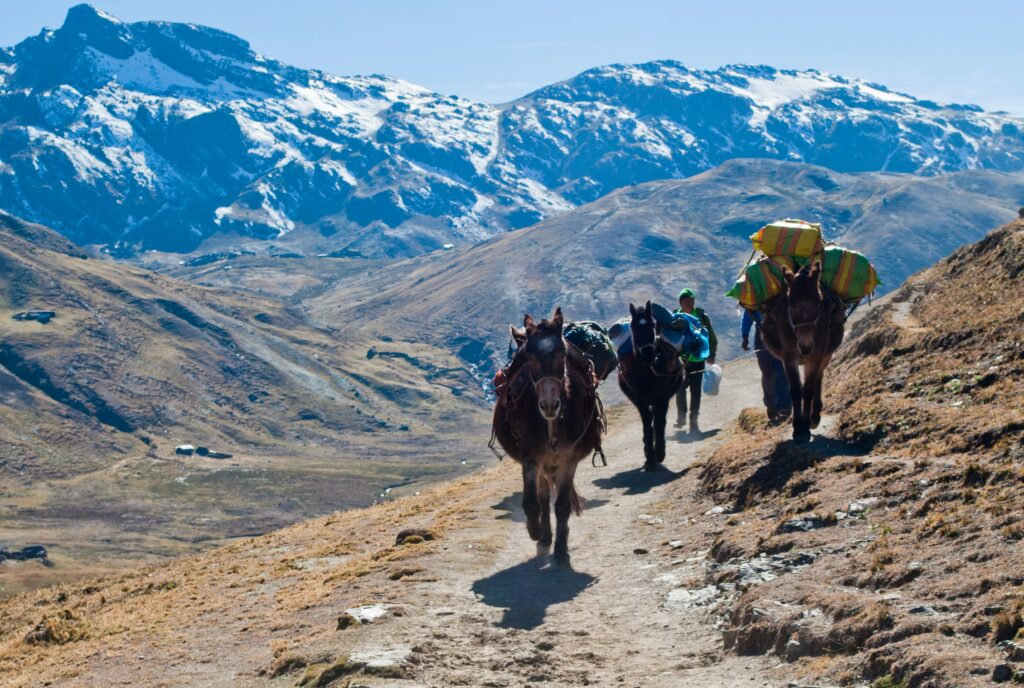
As Nepal’s bustling capital, Kathmandu can feel overwhelming for first-time visitors. Motorbikes weave through the streets around Thamel, traders fill Asan Bazaar from early morning, and prayer flags hang above narrow lanes leading towards Kathmandu Durbar Square. Yet within a matter of days, many travellers find themselves high in the Himalayas, walking through remote valleys and mountain villages where the noise of the city feels a world away and the nearest road may be several days’ walk from the trail.
The best way to experience trekking in Nepal is to book with operators that work closely with local guides, porters, and tea houses. They help ensure that tourism benefits the communities along the route. Many trekking programmes also support more sustainable practices, with some lodges reducing their reliance on firewood and investing in solar energy as visitor numbers grow. Well-known routes include the Everest Base Camp Trek, the Annapurna Circuit, and the increasingly popular trails leading towards Mardi Himal.
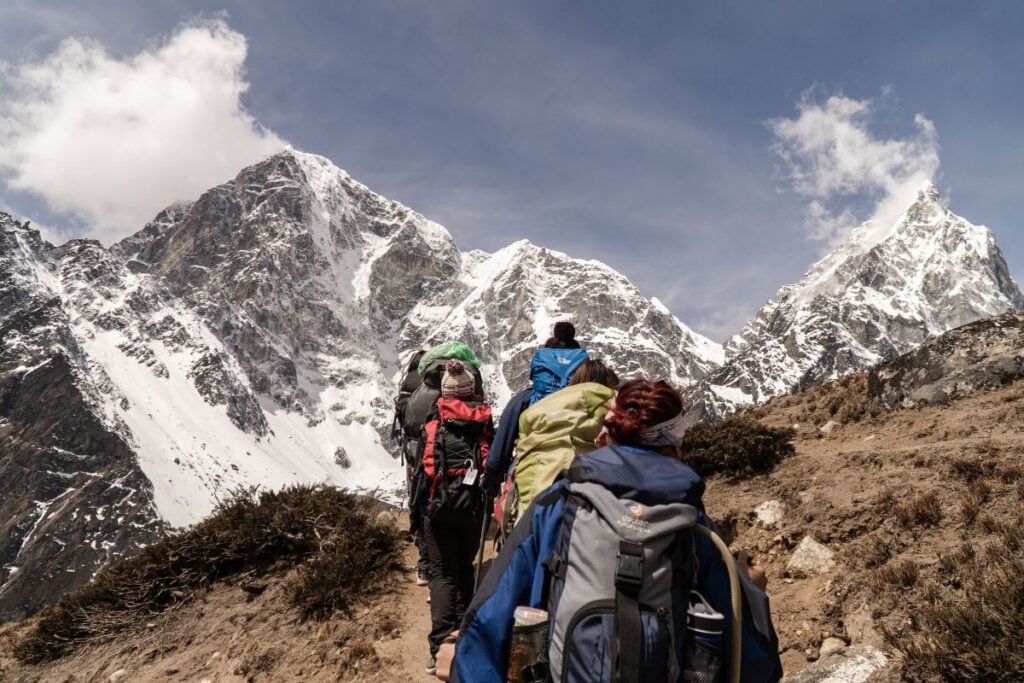
Villages such as Namche Bazaar and Ghandruk provide useful examples of how tourism has supported local economies. Small shops, guesthouses, and community projects all benefit from trekkers passing through. The mountains remain the main attraction, though the people encountered along the way often leave an equally strong impression.
Eco-Conscious Mountain Expeditions in Peru
Most visitors to Peru begin their journey in Cusco before heading into the Andes. The city’s steep streets, Inca stone walls, and bustling San Pedro Market offer a glimpse of daily life at more than 3,000 metres above sea level. For many travellers, acclimatisation becomes an important part of the experience before setting out on the surrounding mountain trails.
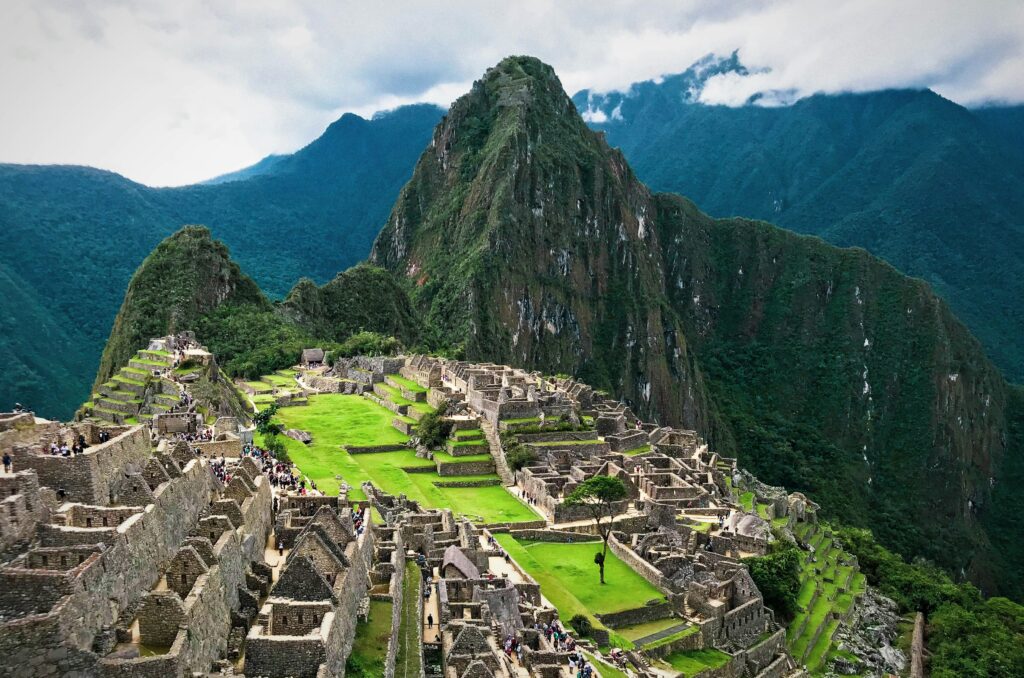
The Inca Trail remains Peru’s best-known trek, though strict permit limits help protect the route from excessive visitor numbers. Elsewhere, alternatives such as the Lares Trek pass through weaving communities where traditional farming methods are still widely practised. Local guides often explain how potatoes, maize, and alpacas continue to play an important role in village life.
Sustainable trekking projects in Peru frequently include conservation work and support for rural communities. On sections of the Sacred Valley, visitors may encounter restoration efforts around ancient terraces and archaeological sites. While Machu Picchu attracts most of the attention, many trekkers finish their journey with a greater appreciation for the smaller villages, traditional farming communities, and mountain landscapes that define the region beyond its most famous landmark.
Carbon-Neutral Wilderness Trails in New Zealand
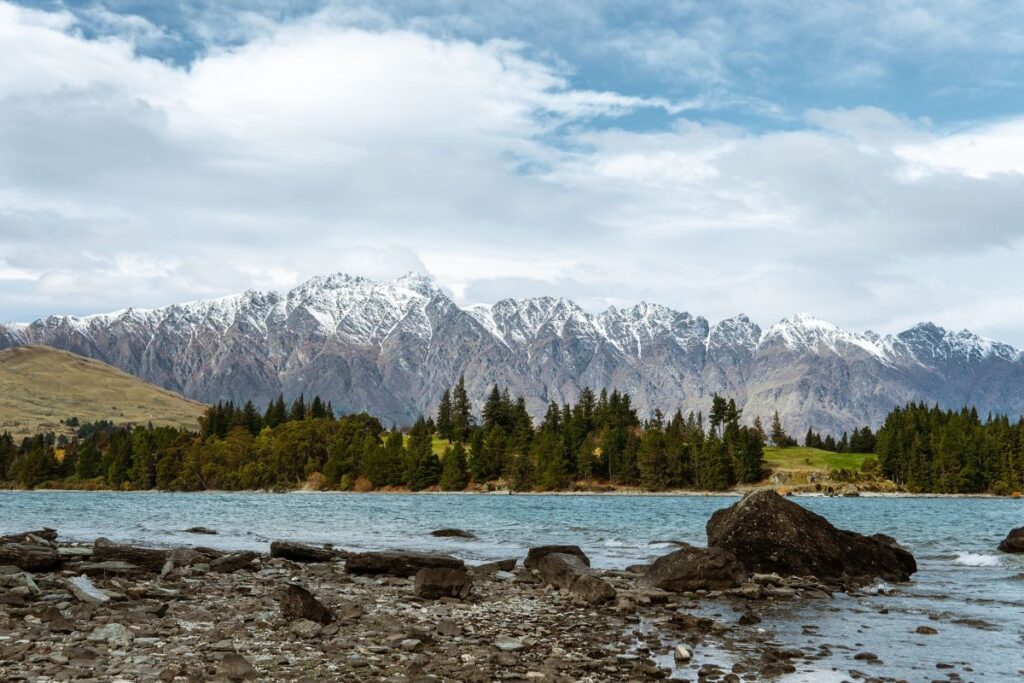
New Zealand has spent years developing a reputation for responsible outdoor tourism. The country’s Great Walks network reflects that effort. Visitor numbers are carefully managed on many trails, helping to reduce environmental pressure while protecting native ecosystems.
The Routeburn Track remains one of the most popular options. Walkers pass through Fiordland and Mount Aspiring National Parks, crossing suspension bridges and alpine basins where native birds are often easier to hear than to spot. Further south, the Kepler Track loops around Lake Te Anau and offers expansive views from Luxmore Summit.
Before heading into the wilderness, many visitors spend time in Queenstown or Te Anau. Around Te Anau’s lakefront, information boards explain local conservation projects aimed at protecting endangered species like the takahē and kākāpō.
Community-Led Wildlife Treks in Tanzania

Tanzania is often associated with safari vehicles crossing the Serengeti. But walking offers a very different perspective. In areas surrounding Ngorongoro and parts of northern Tanzania, community-led trekking projects have become increasingly important sources of income for residents.
Near Mount Meru, trekking routes pass through forests inhabited by giraffes, buffalo, and colobus monkeys. Guides frequently come from nearby villages and bring detailed knowledge of the landscape, wildlife behaviour, and local traditions. Their involvement ensures that tourism directly benefits surrounding communities. Markets in Arusha provide another glimpse into daily life before or after a trek.
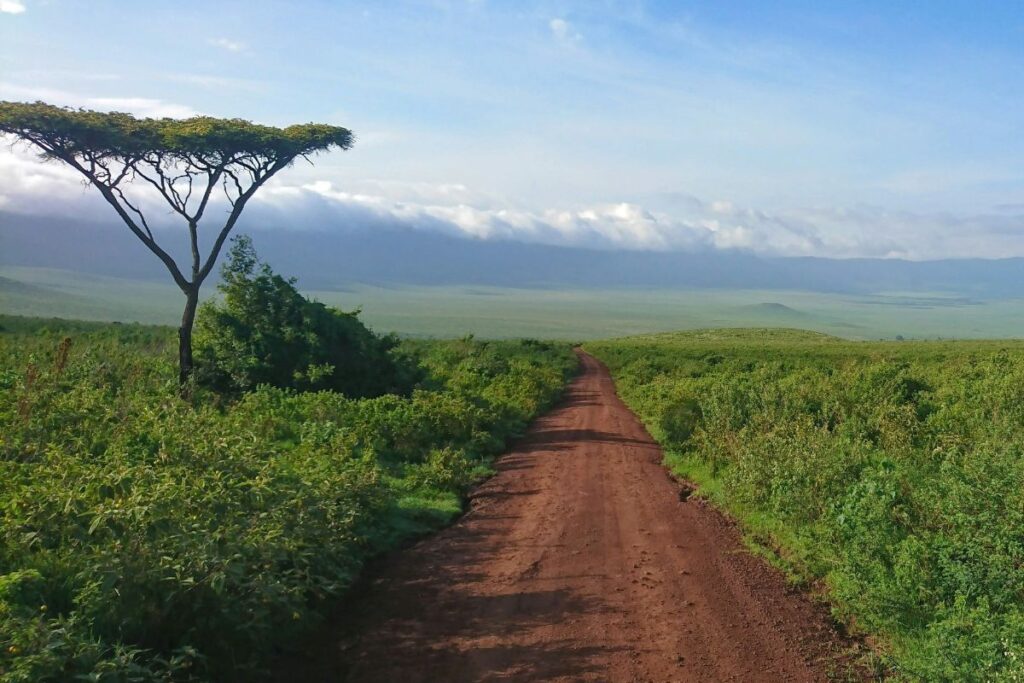
Spending time in these communities reveals that sustainable tourism in Tanzania reaches far beyond its national parks. The people who live alongside these protected areas are just as important to the experience as the landscapes themselves.
Sustainable Alpine Crossings in Switzerland
Switzerland’s mountain network is remarkably well-maintained. Public transport reaches villages that many countries would struggle to connect, which makes it easy to begin multi-day treks without relying heavily on private vehicles.
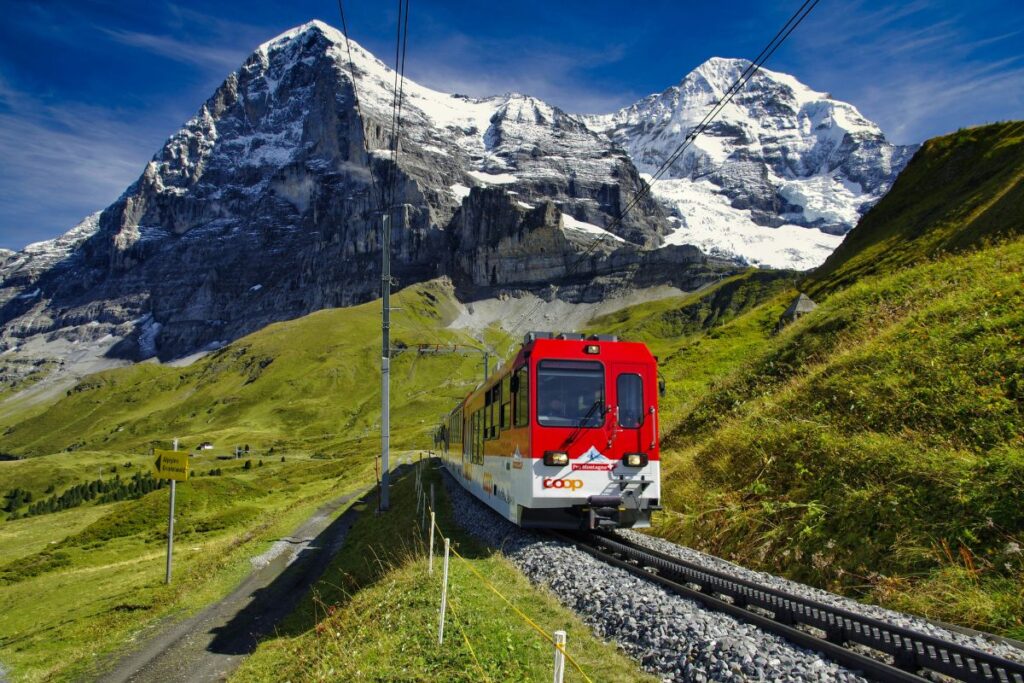
The Via Alpina remains one of the country’s most celebrated long-distance routes. Sections passing through Mürren, Kandersteg, and Engelberg offer access to dramatic mountain scenery while supporting small alpine communities. Traditional guesthouses, mountain huts, and local food producers all benefit from walkers travelling through the region.
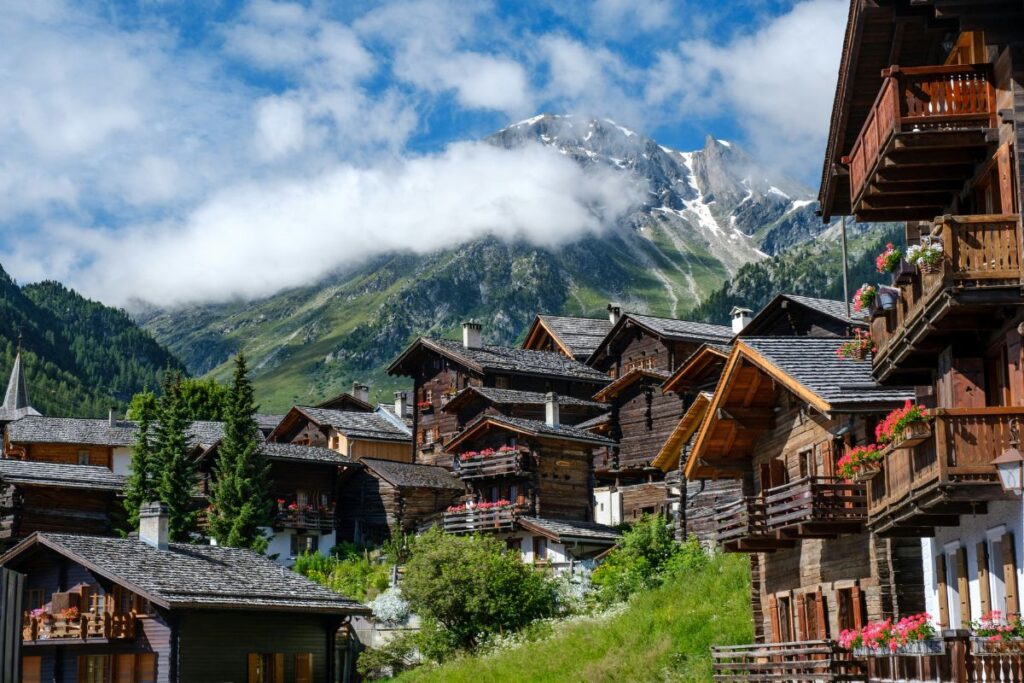
In Lauterbrunnen, visitors often spend an evening wandering through the village before continuing into the mountains the following morning. Waterfalls tumble down the valley walls, church bells carry across the fields, and farmers still move livestock between seasonal grazing areas.
Ready to trek with a purpose?
The most rewarding treks are rarely defined by the distance covered or the altitude reached. People often remember a conversation in a mountain village, a guide explaining local traditions, or seeing how tourism supports a remote community. Those are the experiences that stay with them long after the journey ends.
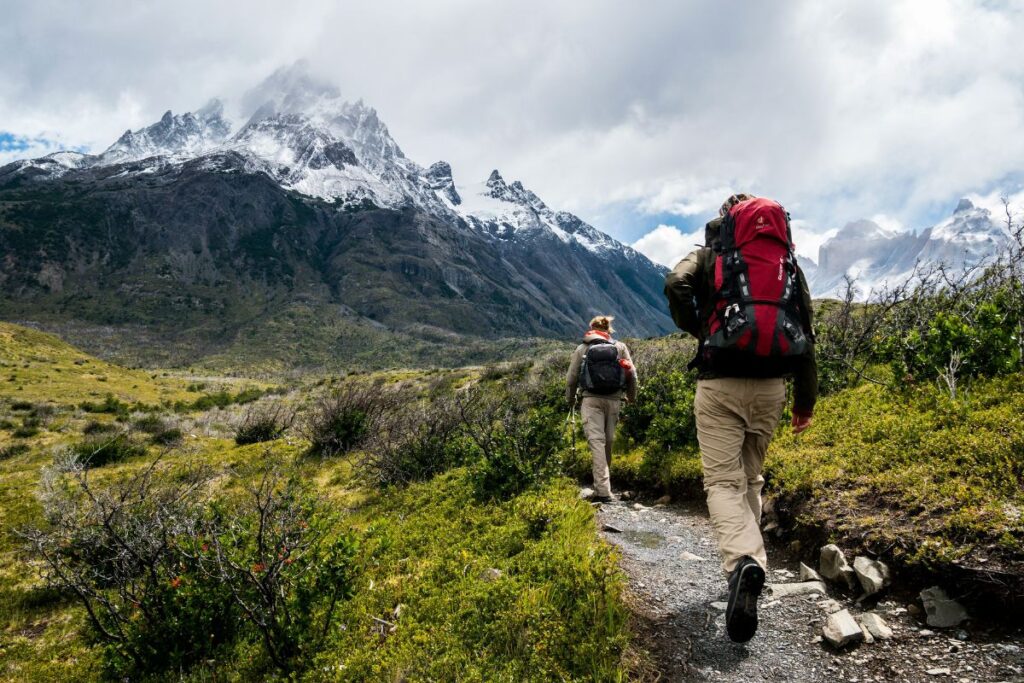
Nepal, Peru, New Zealand, Tanzania, and Switzerland all approach sustainable tourism differently, yet each shows how travel can benefit the places people come to visit. Exploring on foot encourages a closer look at the landscape and the communities within it. For travellers seeking something more meaningful from their next adventure, that may be the greatest luxury of all.
Images courtesy of unsplash.com and pexels.com