As Christopher Nolan’s highly anticipated adaptation of The Odyssey arrives in UK cinemas on 17 July, Google Trends data shows growing interest in searches for “The Odyssey filming locations” as audiences look beyond the big screen and towards the places associated with one of history’s most enduring tales.
From ancient Greek kingdoms and Sicilian hilltop towns to a mythical Mediterranean island and Morocco’s dramatic desert landscapes, many of the destinations linked to the world of The Odyssey can still be experienced today.
To help travellers follow in the footsteps of heroes, gods and ancient kings, Will Sarson, Product Director at Riviera Travel, has highlighted seven destinations that bring the ancient story to life.
Pylos, Greece
On the south-west coast of the Peloponnese, Pylos is closely linked to the story of The Odyssey. In Greek mythology, it was the kingdom of King Nestor, the wise ruler who offered guidance to Telemachus during his search for news of his father, Odysseus.
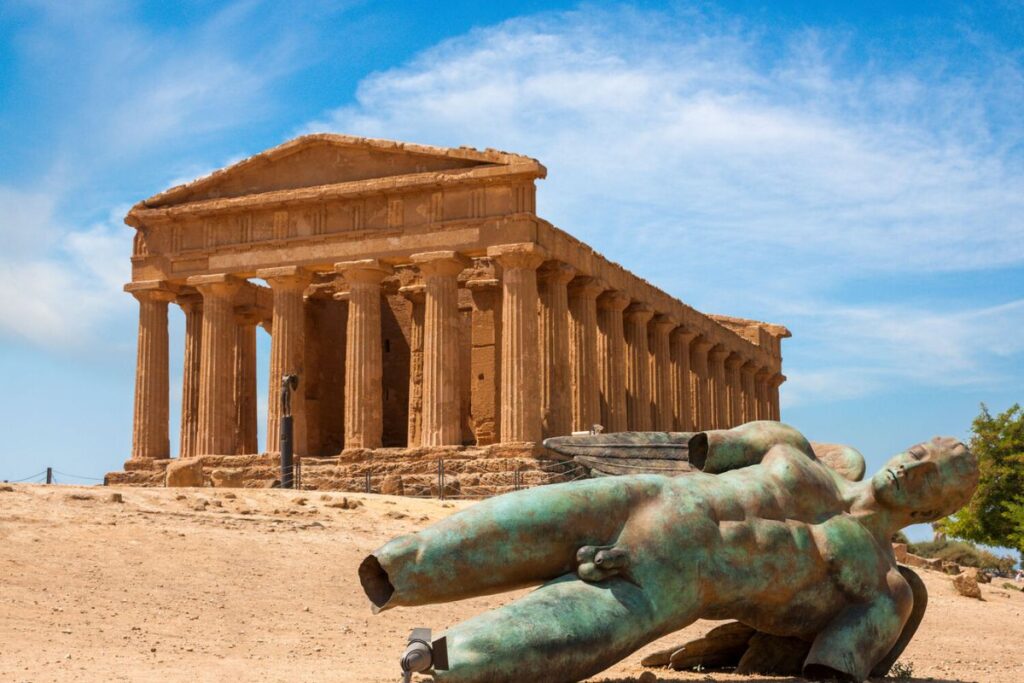
Today, visitors can explore the remains of Nestor’s Palace, one of Greece’s most important Bronze Age archaeological sites, while taking in panoramic views across olive groves and the Ionian coastline.
Will Sarson, Product Director at Riviera Travel, said:
“Pylos offers one of the strongest connections to the world of Homer’s Odyssey. Beyond its mythological significance, it’s also a beautiful destination where history, archaeology and spectacular scenery come together.”
Mycenae, Greece
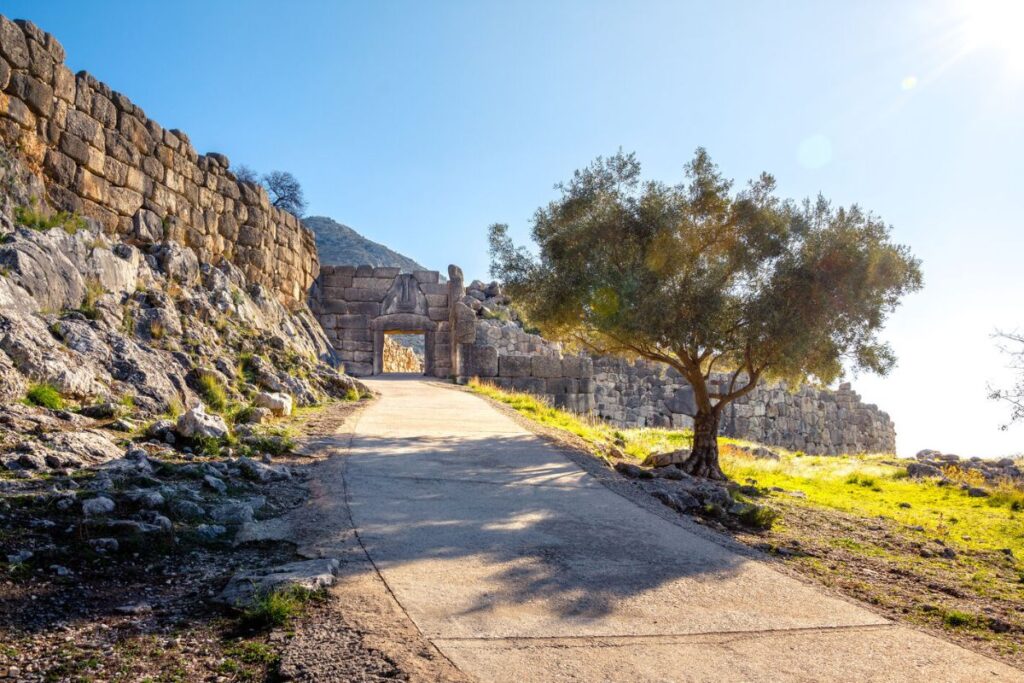
Protected by vast stone walls and entered through the famous Lion Gate, Mycenae was one of the most powerful cities of the ancient Greek world.
The archaeological site provides an insight into the civilisation that inspired countless legends, with visitors able to explore royal tombs, ancient fortifications and the remains of a kingdom that flourished more than 3,000 years ago.
Will said:
“Standing in Mycenae, you get a real sense of the scale and ambition of the ancient world. Few places bring Greek history to life quite like it.”
Delphi, Greece
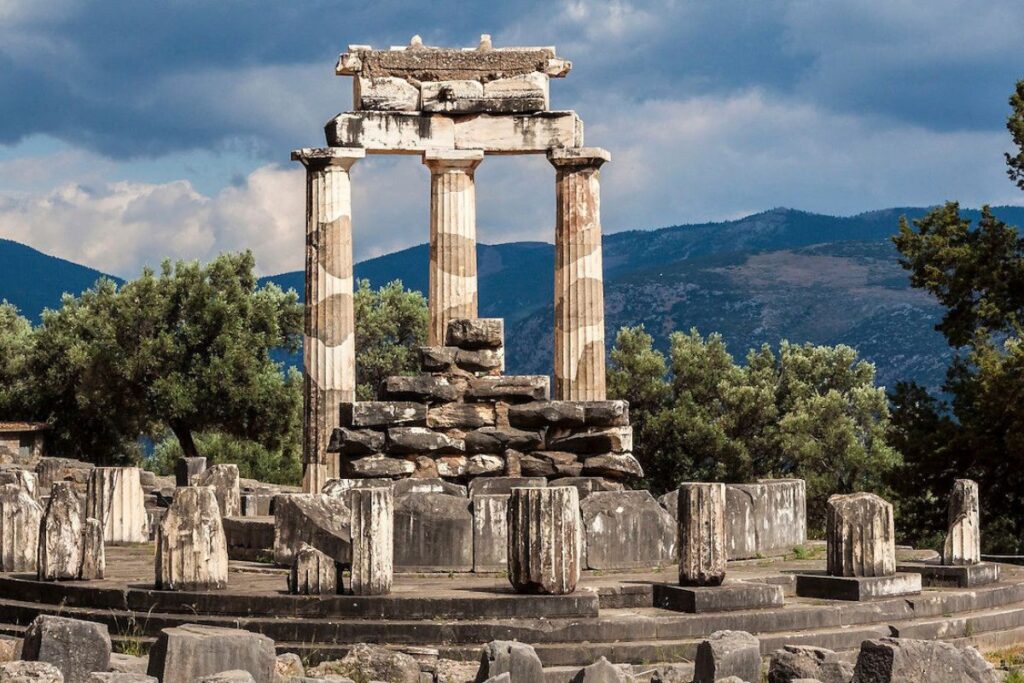
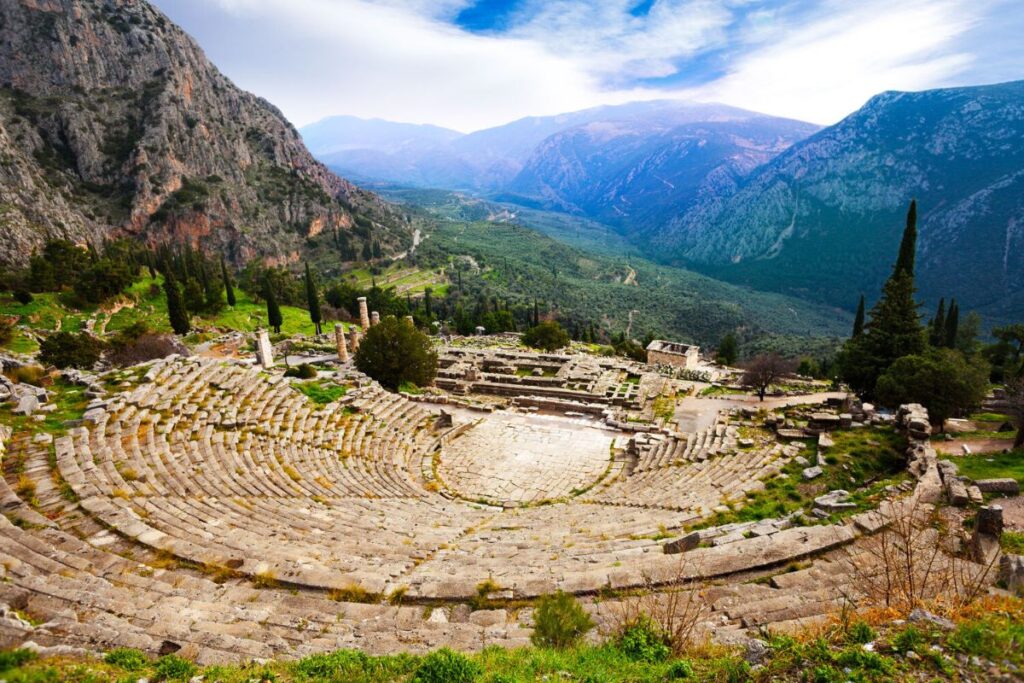
Surrounded by the dramatic peaks of Mount Parnassus, Delphi was once regarded as the centre of the ancient world.
For centuries, rulers, generals and travellers made pilgrimages here to seek guidance from the legendary Oracle of Apollo. Today, its temples, treasuries and monuments remain among the most atmospheric archaeological remains in Greece.
Will said:
“Delphi combines extraordinary scenery with thousands of years of history and mythology. It’s a destination that continues to capture the imagination today.”
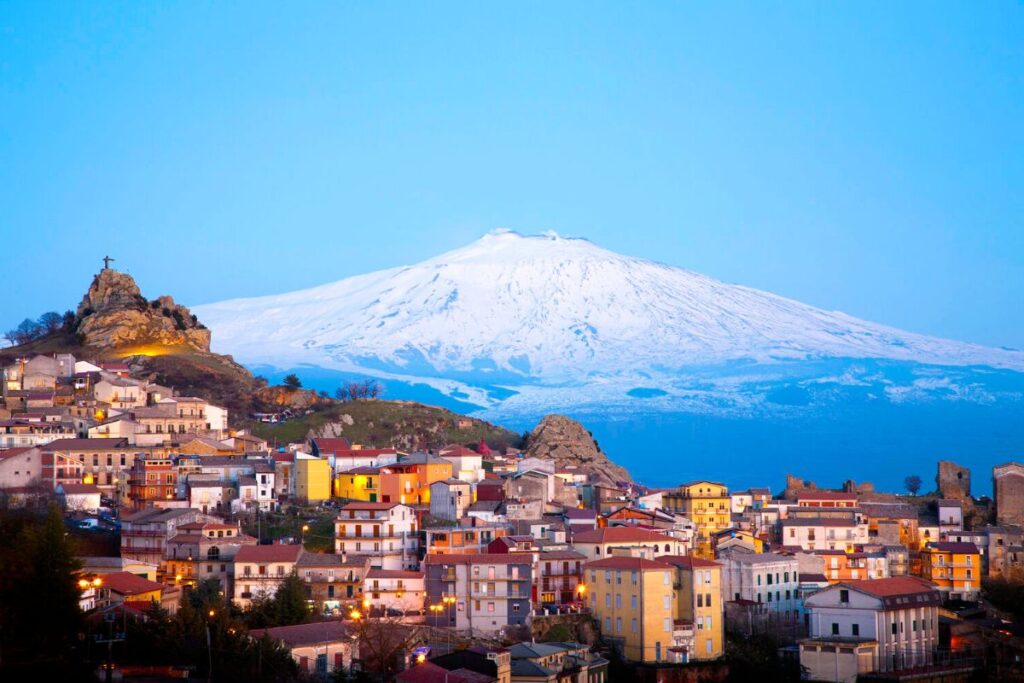
Taormina, Sicily
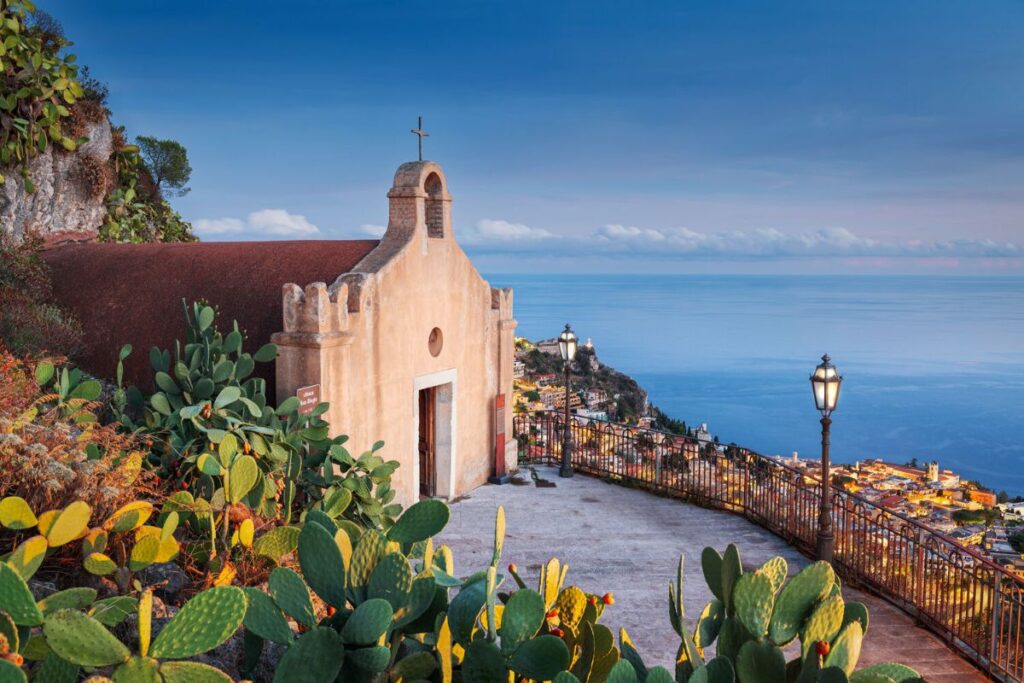
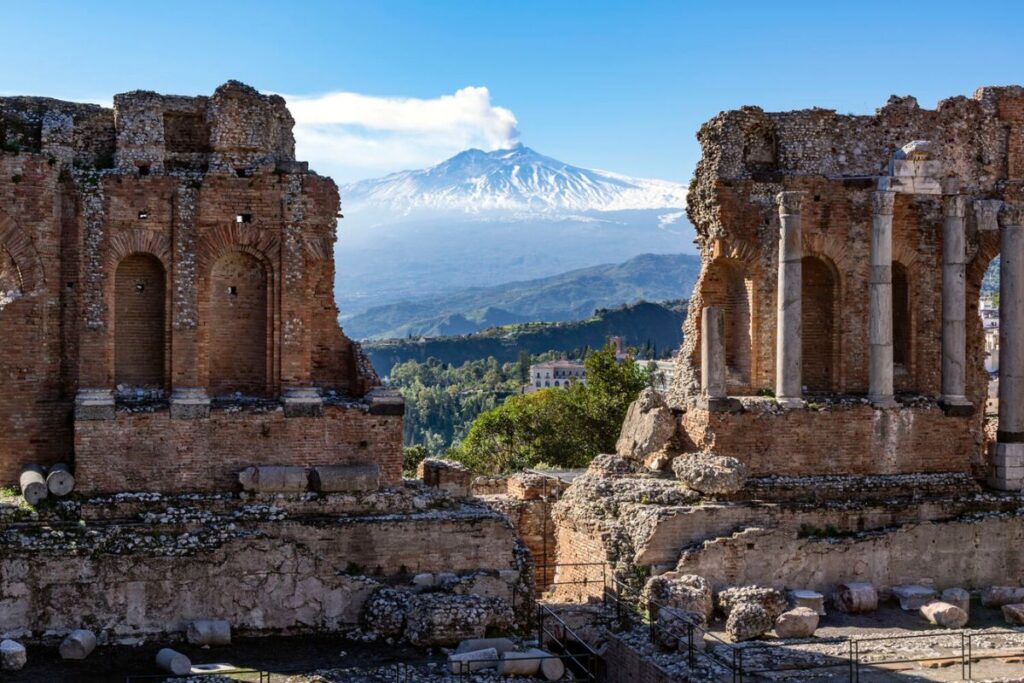
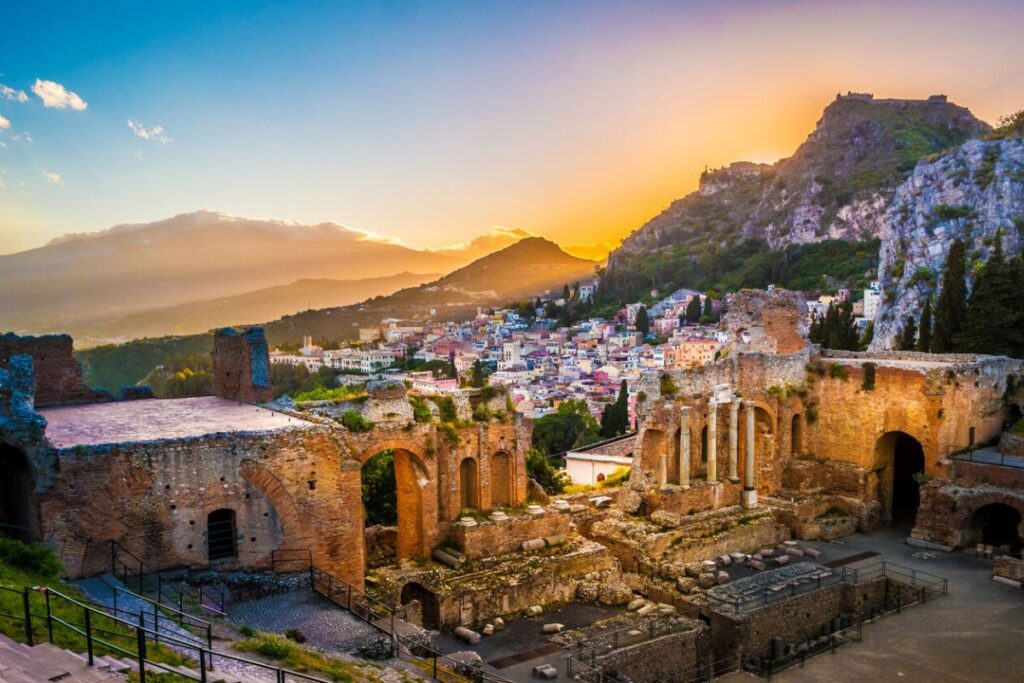
Perched high above the Ionian Sea, Taormina is one of Sicily’s most beautiful towns.
Known for its ancient Greek theatre, elegant streets and spectacular views of Mount Etna, the town combines classical heritage with Mediterranean charm and has attracted travellers for centuries.
Will said:
“Taormina encapsulates everything that makes Sicily so special. Ancient history, incredible food, dramatic landscapes and a genuine sense of place combine to create a destination that stays with travellers long after they return home.”
Syracuse, Sicily
Once one of the most influential cities in the ancient Greek world, Syracuse rivalled Athens in wealth and importance.
Today, visitors can explore the Neapolis Archaeological Park, home to an impressive Greek theatre, ancient quarries and historic monuments that reveal the scale and sophistication of Sicily’s classical past.
Will said:
“Syracuse offers a fascinating insight into Sicily’s Greek heritage. It’s somewhere that allows travellers to connect with the ancient world while still enjoying the atmosphere of a vibrant modern city.”
Gozo, Malta
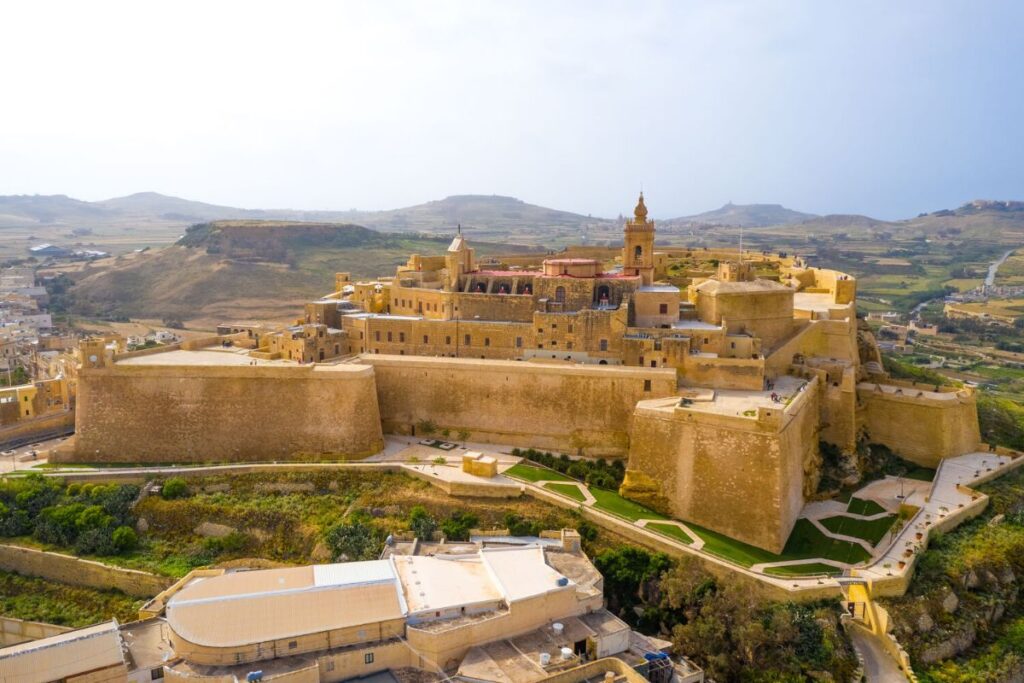
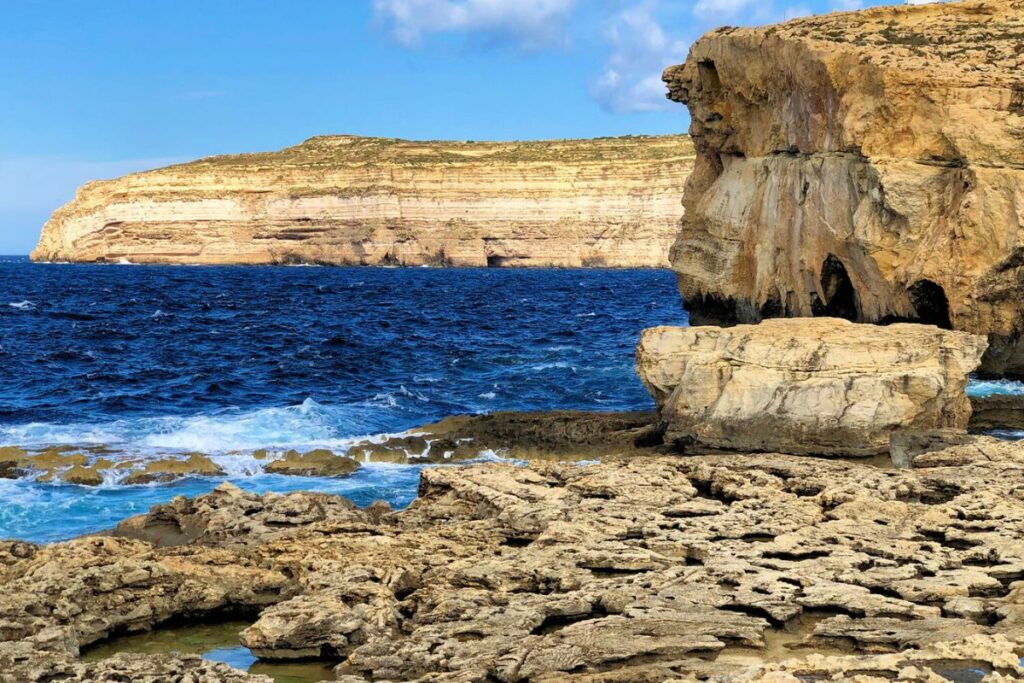
Known by many as the Island of Calypso, Gozo has long been associated with the mythical nymph who detained Odysseus during his journey home.
The island’s dramatic coastline, prehistoric temples and laid-back atmosphere make it one of the Mediterranean’s most distinctive destinations.
Will said:
“What makes Gozo so appealing is the way mythology, history and everyday life sit side by side. It feels authentic, relaxed and completely different from many of the Mediterranean’s better-known destinations.”
Aït Benhaddou, Morocco
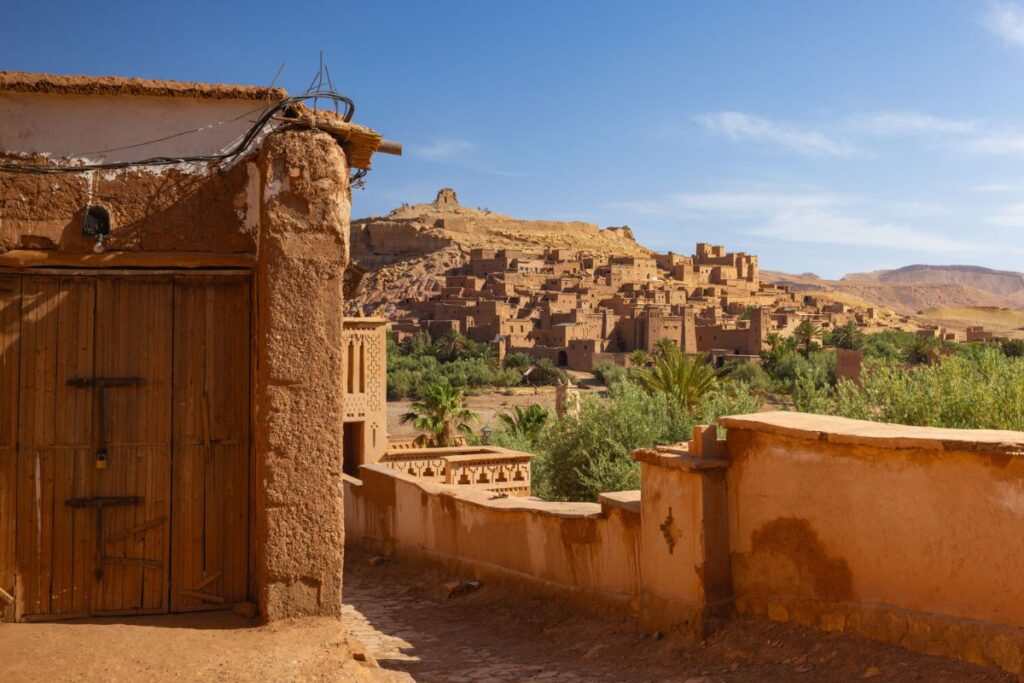
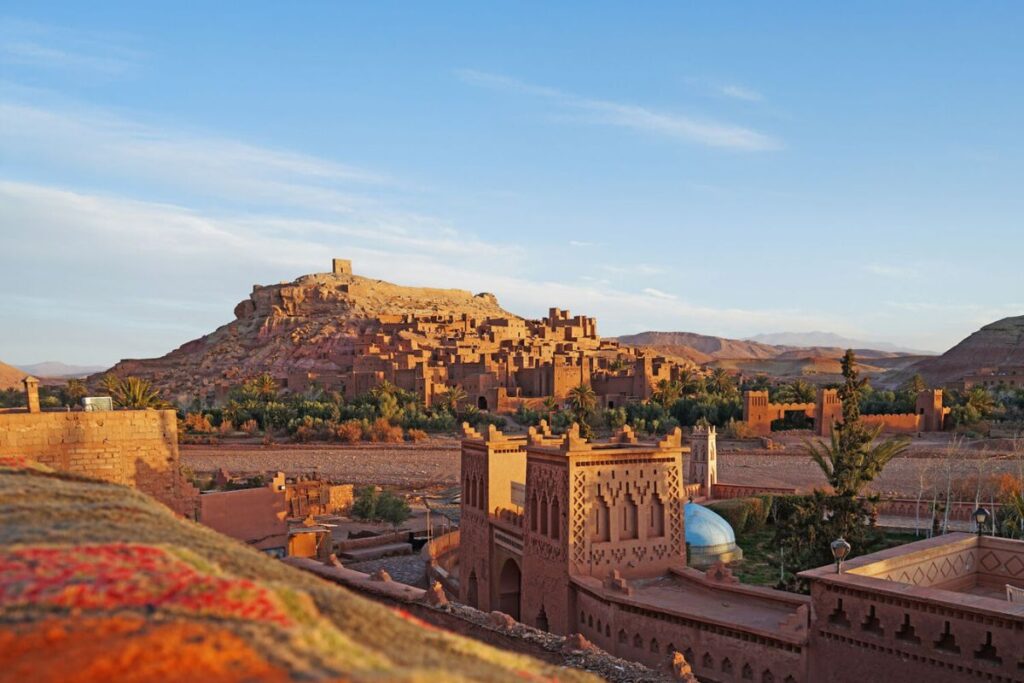
Standing on the edge of Morocco’s desert landscapes, Aït Benhaddou is one of North Africa’s most recognisable landmarks.
Its striking earthen architecture, maze-like streets and centuries of history have made it a favourite with filmmakers and travellers alike, while its UNESCO-listed status has helped preserve its unique character.
Will said:
“Aït Benhaddou feels almost cinematic even before a camera arrives. Its setting, history and architecture make it one of Morocco’s most memorable places to visit and a destination that truly fires the imagination.”
Images supplied