Warsaw is a city that rebuilt itself after huge damage and has grown into a lively, culture-filled capital that attracts visitors from all over Europe and beyond. Public transport works well here, but many people still ask: is it worth renting a car in Warsaw? For many trips, yes-especially if you want to see more of Poland than just the city.
With a car, you can leave Warsaw whenever you want and visit small towns, forests, mountains, and even the Baltic coast on your own schedule. If you want that kind of freedom, finding a reliable car rental in Warsaw service is a good first step.
What to Consider Before Renting a Car in Warsaw
International and Local Driving License Requirements
Rental paperwork can feel confusing, but in most cases it’s simple. If you are from the European Union, your national driving license is usually enough. If you are visiting from outside the EU, you will usually need an International Driving Permit (IDP). The IDP is a translated version of your license and Polish law expects non-EU drivers to have it. If you cannot show it, the rental company may refuse to give you the car and you may lose your payment. Getting an IDP is usually cheap and easy through your local automobile association.
When driving, keep your physical driving license, passport or ID card, and the rental voucher with you. You’ll need them at pickup and if police stop you. Many people in service jobs speak English, but having the right documents ready makes everything smoother.
Age Limits and Young Driver Surcharges
Car rental companies in Poland have age rules. The minimum age is often between 18 and 25, depending on the company and the car type. If you are under 25 (and sometimes under 30), you may pay a “young driver” daily fee. This can be around $15-$40 per day. Always check the policy before booking so you can plan your budget.
Some companies also set an upper age limit, often around 70 or 75. This is less common, but it can happen. In some cases, older drivers may need extra insurance or a note from a doctor. Ask about this early so you don’t get surprised at the counter.
Automatic vs Manual Transmission in Poland
Most cars in Poland (and in Europe in general) are manual. Because of that, automatic cars usually cost more-sometimes 1.5 to 4 times more-and there may be fewer available, especially outside the airport. If you can drive manual, you may save a lot.
If you don’t drive manual, Poland is not a great place to learn. You’ll be dealing with new roads and rules, and Warsaw can have tight streets and busy traffic. If you prefer automatic, book early so you actually get one. Paying more is often worth it for a calmer trip.
Understanding Deposits and Payment Methods
At pickup, you will usually need to leave a security deposit. This is often around €1000-€3000 and is held on the main driver’s credit card. The card must normally be in the main driver’s name. Debit cards are often not accepted for deposits, so bring a credit card with enough available balance.
In Poland, most places accept international cards, including restaurants and fuel stations. Still, it helps to have some Polish złoty (PLN) for small purchases, parking meters, or places that do not take cards. ATMs are common. For exchange, it’s usually better to change money in the city center than at airports or stations, where rates are often worse.
How Much Does It Cost to Rent a Car in Warsaw?
Seasonal Price Variations
One nice thing about Poland is that prices usually don’t jump as much as they do in many Western or Southern European countries. Summer is busier, so prices go up a bit, but they usually don’t triple or quadruple. In Warsaw, average daily prices are around €28 in July and August (often the most expensive months), around €22 in June, and about €16 in September. Even in December around Christmas and New Year, average prices can still be reasonable, around €25.
This makes Poland good value, especially in summer. Similar patterns apply in other cities too, like Krakow (often slightly higher) and Gdansk (often a bit lower than Warsaw).
Vehicle Category and Size Impact on Cost
Your car type affects the price a lot. Small cars are usually the cheapest in Poland. Economy and compact cars also help in cities with narrow streets and limited parking. For most trips around the country, a small car is enough unless you plan hard mountain driving on difficult roads.
Bigger cars-mid-size, premium, and luxury-cost much more. They can be nicer for long drives and extra luggage, but think about whether the extra price is worth it, especially if you will spend time driving and parking in busy cities.
Short-Term vs Long-Term Rental Rates
In most cases, renting for longer reduces the daily price. A week can be much cheaper per day than a two- or three-day rental. If you will stay in Poland for a while, this can save a lot.
For very long trips (around 17 days to a year), some non-EU travelers look at short-term car lease programs that started in France. These can include strong insurance, unlimited mileage, and extra drivers at no charge. It’s not always the best fit for a Poland-only trip, but it can be useful for long multi-country travel.
Tips to Find the Best Deals
To get a good deal, book early. A good target is 4-6 weeks ahead, or even several months ahead for summer travel. Many companies allow free cancellation, so you can reserve early, then check prices again later and rebook if you find a better deal.
Comparison sites like DiscoverCars.com can help because they show offers from both international brands and local companies. When you compare offers, look at the total price, not just the daily rate. Include insurance, taxes, and extra fees. Also, airport pickup can sometimes be cheaper than city pickup because there is more competition, even if there is an airport fee.
Driving and Traffic Rules in Warsaw and Poland
Common Polish Traffic Laws Visitors Should Know
Driving in Poland is usually simple, but you should learn the key rules. Poland drives on the right side. Seatbelts are required for all passengers. Using a mobile phone while driving is illegal unless you use hands-free with a loudspeaker and a fixed microphone. Carry your passport or ID, your driving license (and IDP if needed), insurance proof, and the vehicle papers whenever you drive.
Some drivers can be more impatient than in parts of Western Europe, but most people drive normally. Stay alert and watch for quick lane changes. Poland has strict rules on drunk driving and speeding, so follow limits closely.
Speed Limits, Road Signs, and Toll Roads
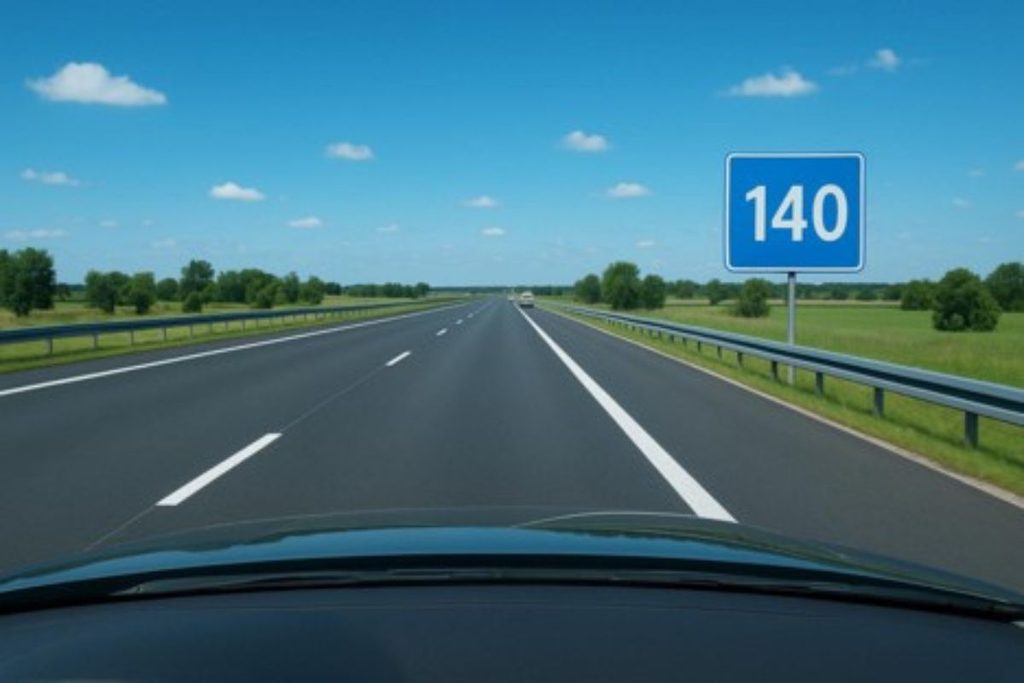
Speed limits are enforced with many speed cameras, and fines can be high. Watch signs closely because limits can change often. General limits are:
- Motorways: 140 km/h (87 mph)
- Dual-carriage expressways: 120 km/h (74 mph)
- Single-carriage expressways: 100 km/h (62 mph)
- Other inter-city roads: 90 km/h (56 mph)
- Urban and built-up areas (day): 60 km/h (37 mph)
- Urban and built-up areas (night): 50 km/h (31 mph)
- Designated residential areas: 20 km/h (12 mph)
Poland has toll roads with two main systems. With an open system, you pay at toll booths at certain points. With a closed system, you take a ticket when you enter and pay when you exit based on distance. You can usually pay with cash (Euros, Polish złoty, or US dollars, though change may be in złoty) or by card. Ask if your rental includes an electronic toll option, or be ready to pay at booths.
Alcohol Limits and Zero Tolerance Policy
Poland has a near zero-tolerance rule for drunk driving. The legal blood alcohol limit is 0.02% for all drivers. This is stricter than in many countries. If you go above the limit, you can face large fines, a driving ban, and even prison (up to two years) if your level is above 0.05%.
The rule is simple: if you drink, don’t drive. Use public transport, taxis, or ride-share apps. Police take this very seriously.
Children’s Car Seat Requirements
If you travel with children, you must follow EU child safety rules. Children aged 2 to 12 need the right child seat or booster for their size and weight. Rental companies usually offer seats for an extra daily fee.
If you fly from the US, you can bring a car seat on the plane under FAA rules, which can save money. But European rules differ from US rules, and in some cases a US seat could be seen as non-compliant. Renting a seat that meets local standards is often the simplest choice.
Parking in Warsaw: Tips and Restrictions
Parking in Warsaw can be hard and expensive, especially close to the center. Some areas have restricted access where only residents can drive at certain times. If you enter without permission, you may get an automatic fine later through the rental company.
To reduce stress, park outside the center and use public transport to see main sights. If you need to park in central areas, use official parking lots or garages and expect higher prices. A small car also makes city driving and parking easier.
Practical Tips for a Smooth Car Rental Experience in Warsaw
Inspecting the Vehicle Before and After Pickup
This is one of the best ways to avoid extra charges: inspect the car carefully at pickup and again at return. Before you leave, walk around the car and note scratches, dents, windshield chips, and any interior marks. Take dated photos or a video from several angles, including the odometer and fuel gauge. Compare what you see with the checkout form. If something is missing from the form, ask staff to add it before you sign.
Do the same at drop-off. If possible, check the car with an employee and get a check-in note that says the car came back in the same condition. Your photos and video can protect you if the company later claims damage.
Fuel Policies and Refueling Expectations
Know the fuel policy so you don’t pay extra. The most common and usually cheapest option is “Full-to-Full”: you pick up with a full tank and return it full. Refuel near the drop-off point and keep the receipt. If you return the car with less fuel, the company usually charges a higher fuel price plus a refueling service fee.
Other policies include “Same-to-Same” or “Full-to-Empty” (you pay upfront for a full tank and return it near empty, with no refund for leftover fuel). Also confirm whether the car uses petrol or diesel before you drive away-using the wrong fuel can cause expensive damage.
Managing Accidents, Breakdowns, and Emergency Numbers
It’s smart to prepare for problems even if you hope you won’t need to. If there are injuries or serious damage, call 112 (the standard EU emergency number). For breakdowns without injuries, call the rental company’s roadside assistance number listed in your paperwork.
Check where the reflective vest and warning triangle are stored. These items are required in Poland and must be used if you stop on the roadside. Staying calm and following the steps in your rental agreement helps avoid bigger issues.
Returning the Car On Time and Avoiding Late Fees
Return the car on time. Rental contracts list a specific return time, and even being one hour late can sometimes mean paying for an extra day. Plan extra time for traffic and delays.
If you will return the car outside office hours, ask about the after-hours process. Some companies handle this without any hassle — CarFree operates 24/7, so you simply agree on a drop-off time in advance. Elsewhere it may involve parking in a specific area and dropping keys into a lock box. Take dated photos of the car at the return spot and a photo of the keys going into the box. This helps if there is any dispute about return time or vehicle condition.
Recommended Scenic Drives and Day Trips from Warsaw
Top Destinations Near Warsaw for Car Travelers
A rental car turns Warsaw into a starting point for many parts of Poland. You can drive to Krakow for history, churches, and famous monuments. Or go north to Gdansk, a Baltic city with a strong maritime identity and a key place in the Solidarity movement, plus easy beach access in summer.
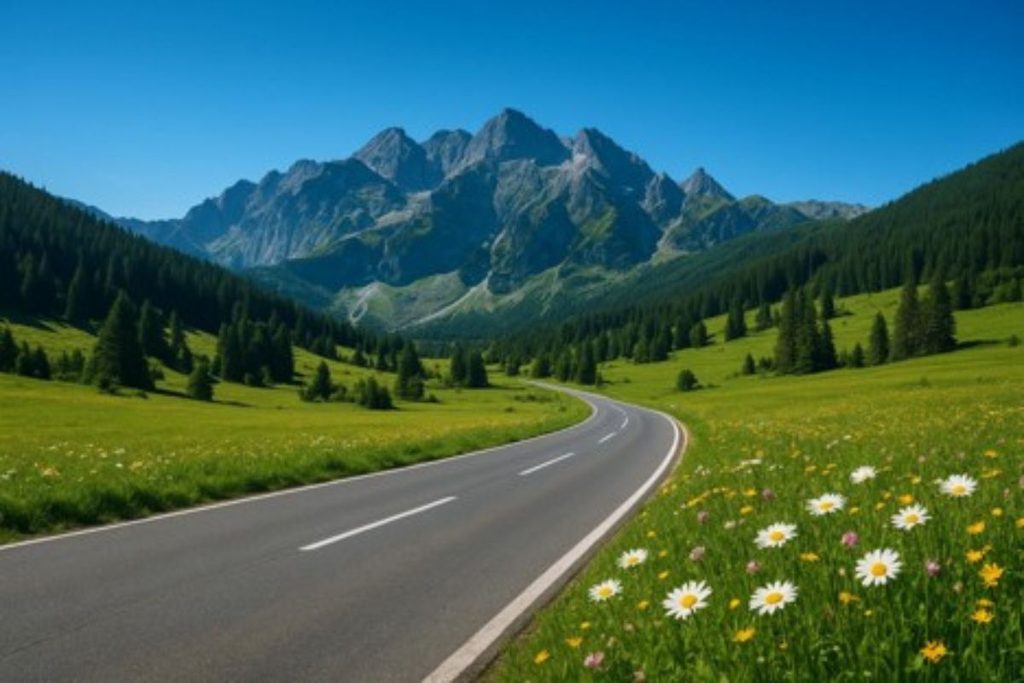
If you like nature, Białowieża National Park is famous for European bison and very old forests. For mountains, drive south to the Tatra mountains and Zakopane, known for skiing and winter activities, and for hiking and climbing in warmer months. Other great stops like Poznan, Wroclaw, and Lublin are also much easier with your own car.
Navigating Polish Highways and Country Roads
Poland’s road network is much better than it used to be, thanks in part to upgrades made around Euro 2012. Main highways are usually in good condition and make city-to-city trips faster. Even rural regions are well mapped, and GPS usually works well. Many rental companies offer paid GPS units, but using a smartphone with a European SIM and an app like Google Maps can be just as effective and often cheaper.
If you drive at night or through forest areas, watch for animals crossing, including deer and moose. Hitting wildlife can be dangerous. Even if some drivers are more pushy than you are used to, the roads are generally good and pleasant for long drives.
Traveling Off Season: Benefits and Challenges
Poland has four clear seasons. Most visitors come from May to September, when weather is warm and comfortable. Unlike many other countries, Poland usually does not raise rental prices sharply in summer, which makes it good value. The Baltic coast is best in summer, and temperatures can reach around 30°C, which is great for swimming and beach time (and beaches are often less crowded than in Spain or Greece).
Cold months can also be rewarding. Cities like Warsaw, Krakow, and Poznan can look beautiful under snow, and winter brings events and festivals. Autumn is also a great time for national parks, when leaves turn bright yellow and red. The Tatra mountains become a winter sports area, but snow chains may be needed in heavy snowfall. Travel outside the peak months can also mean lower rental costs and fewer crowds.
Key Takeaways for Renting a Car in Warsaw
Renting a car in Warsaw gives you the freedom to see Poland on your own schedule, from major cities to countryside roads. Poland is also often cheaper than Western European countries like Germany, France, or the UK, and that lower cost usually includes car rentals too.
Also remember: Poland uses the złoty (PLN), not the euro. Plan for local currency, and exchange money in city centers if you can, since airports and train stations often have worse rates. Cards are widely accepted, but having some cash is still useful.
Poland is generally a safe country, with a crime rate similar to Western Europe. Police are effective and trusted, and major highway safety problems from the past are no longer the norm. Like any busy city, pickpocketing can happen in crowded tourist areas, so basic care is enough. English is common in many tourist services, and learning a few simple Polish words is always appreciated and can improve your daily interactions.
Images supplied