Stargazing in Britain no longer has to mean camping in a remote field. Several parts of the country have earned formal recognition from DarkSky International for the quality of their night skies and the measures in place to protect them from light pollution. In the darkest areas, the Milky Way can be visible to the naked eye under suitable conditions.
For travellers who want to stay warm after a night outside, these destinations also have country hotels, private estates and properties with spa facilities nearby. Some sit close to observatories or organised stargazing sites, making it possible to plan a dedicated astronomy trip without giving up the comforts of a good stay.
Northumberland: Home to England’s Largest Protected Night Sky
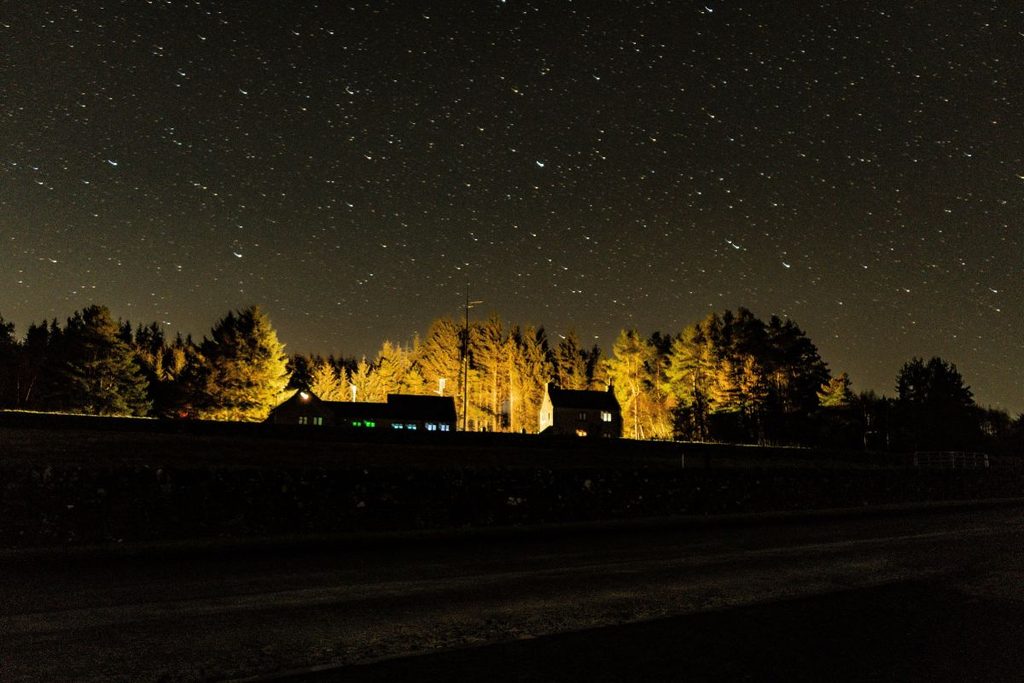
Designated in 2013 as a Gold Tier International Dark Sky Park, Northumberland covers around 1,482 square kilometres across Northumberland National Park and most of Kielder Water & Forest Park. On clear nights, the low levels of light pollution make thousands of stars, the Milky Way and even the Andromeda Galaxy visible to the naked eye. Kielder Observatory sits within the park and has several telescopes, including a 16-inch Meade LX200 ACF.
Accommodation around Kielder, Falstone and the wider Northumberland countryside ranges from converted stone properties to larger country houses. Areas close to the Dark Sky Park are also practical for planning hot tub holiday breaks, giving guests somewhere warm to return to after an evening outside.
Late autumn and winter bring longer hours of darkness, extending the time available for stargazing. Staying close to Kielder Observatory or one of the park’s recognised viewing areas also reduces the amount of driving needed after a late-night observing session.
Exmoor: Among Europe’s First Ever Dark Sky Reserves
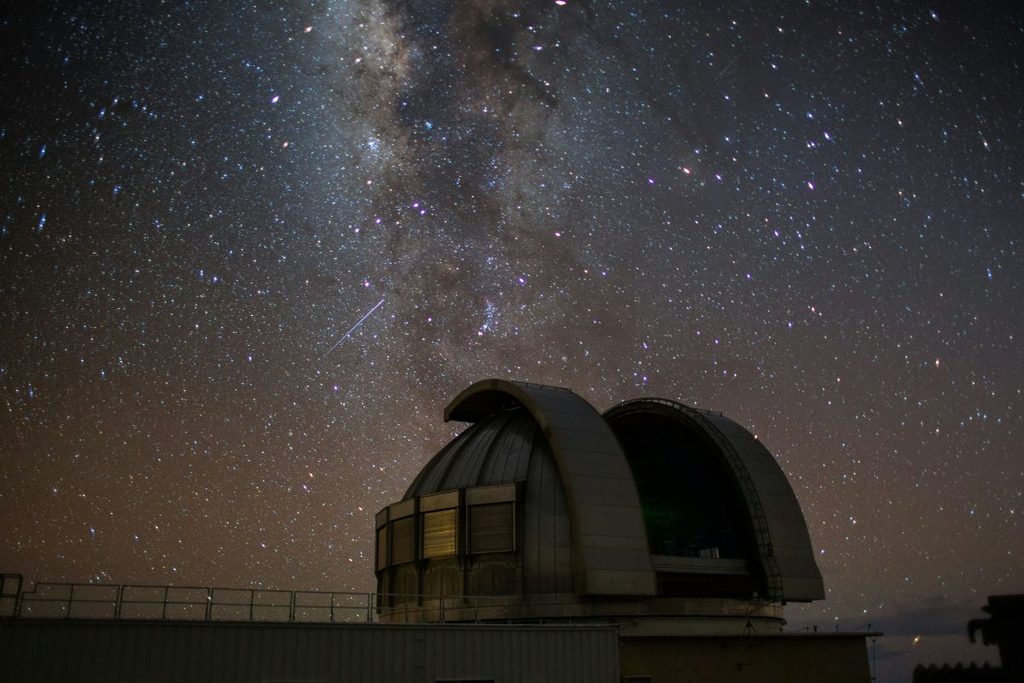
Exmoor National Park became Europe’s first International Dark Sky Reserve in 2011. Its designated core and buffer zones cover around 181 square kilometres, with planning policies in place to limit unnecessary artificial lighting and protect the quality of the night sky. Dunkery Beacon, the highest point on Exmoor at 519 metres, is one of the park’s recognised observing locations, with panoramic views suited to lunar, planetary and deep-sky observation.
Country house hotels and private properties around Exmoor give travellers the option of returning to a warm, comfortable base after a night outside. Staying near Dunster, Exford or other villages within easy reach of the reserve can also reduce the drive back after a late observing session.
Winter brings long hours of darkness and good opportunities to observe objects such as the Orion Nebula, while the Perseid meteor shower is a summer event, peaking in August. Properties with features such as open fires, underfloor heating or private outdoor space can make longer stargazing sessions considerably more comfortable.
Galloway Forest: One of the World’s Darkest Skies by Rating
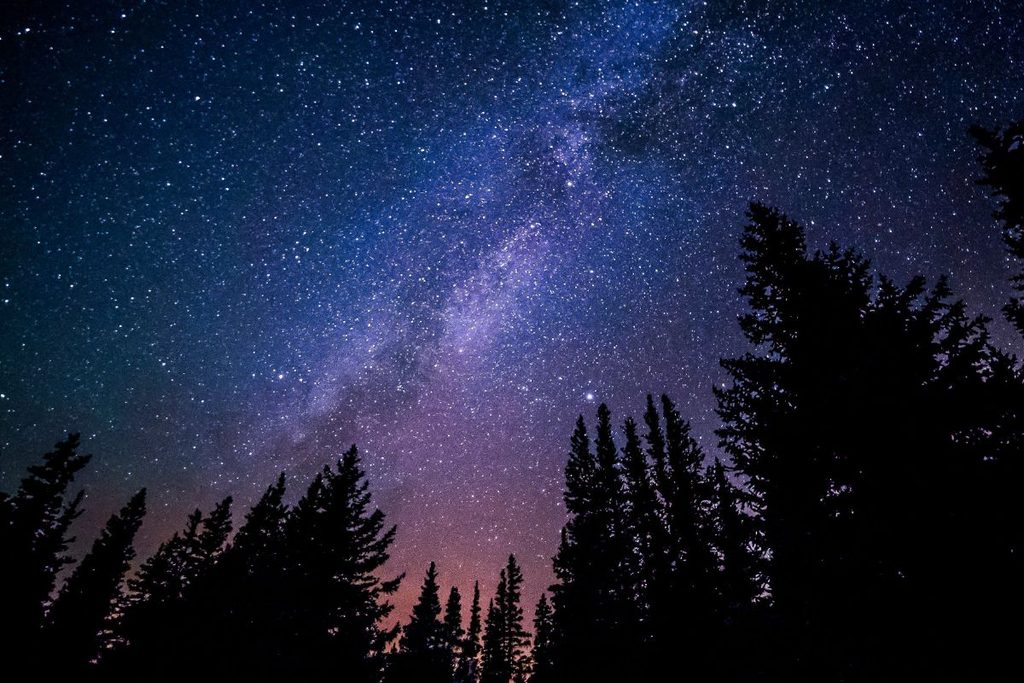
Galloway Forest Park in south-west Scotland became the UK’s first International Dark Sky Park in 2009 and was awarded Gold Tier status for the quality of its night skies. Covering 774 square kilometres, the park is remote enough that more than 7,000 stars and planets can be visible to the naked eye on a clear night. Clatteringshaws Loch, Stroan Loch and Glentrool are among the recognised stargazing locations within the park.
The surrounding Dumfries and Galloway countryside has country houses, restored period properties and private estates that appeal to travellers looking for more comfort after a night outside. Staying within easy reach of the forest also reduces the drive back after a late stargazing session.
Winter brings longer hours of darkness and good conditions for spotting constellations, planets and the Milky Way when skies are clear. Choosing accommodation with features like open fires, underfloor heating or private outdoor space can make cold-weather observing much more comfortable.
Bannau Brycheiniog: Wales’s First International Dark Sky Reserve
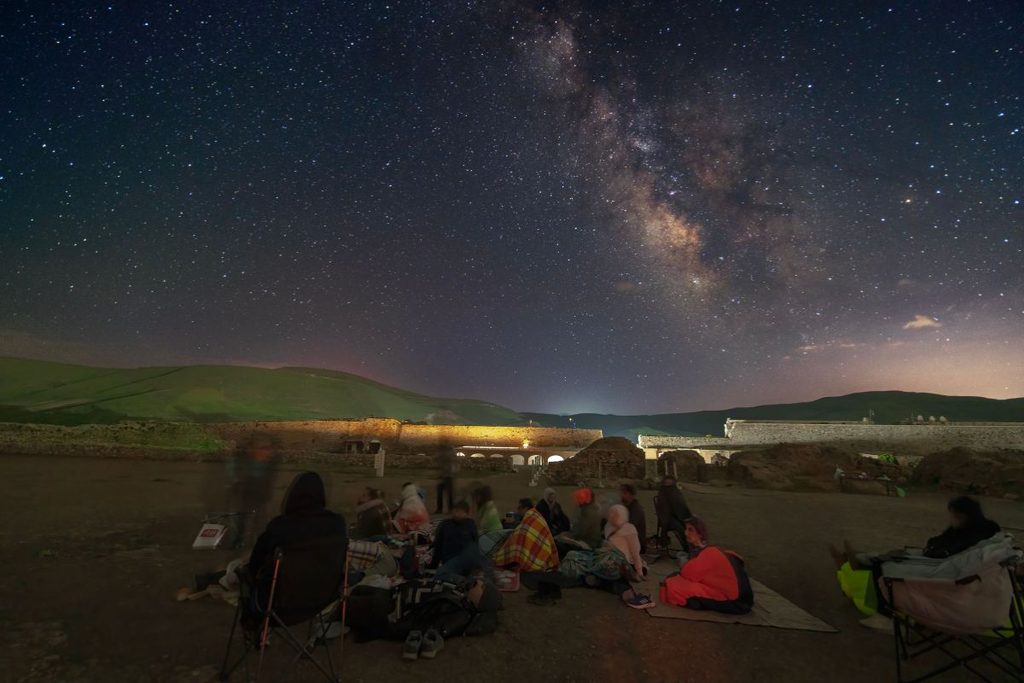
Bannau Brycheiniog National Park became Wales’s first International Dark Sky Reserve in 2013, covering 1,347 square kilometres across South Wales. The designation recognises both the quality of its night skies and ongoing efforts to reduce unnecessary artificial lighting. Usk Reservoir and Llanthony Priory are among the recognised stargazing locations across the park.
Country houses, restored farmhouses and boutique inns around Crickhowell, Brecon and Hay-on-Wye give travellers convenient bases within reach of the reserve. Properties with private outdoor space, open fires or spa facilities can make late-night observing more enjoyable.
Isle of Coll: A Rare UK Dark Sky Community
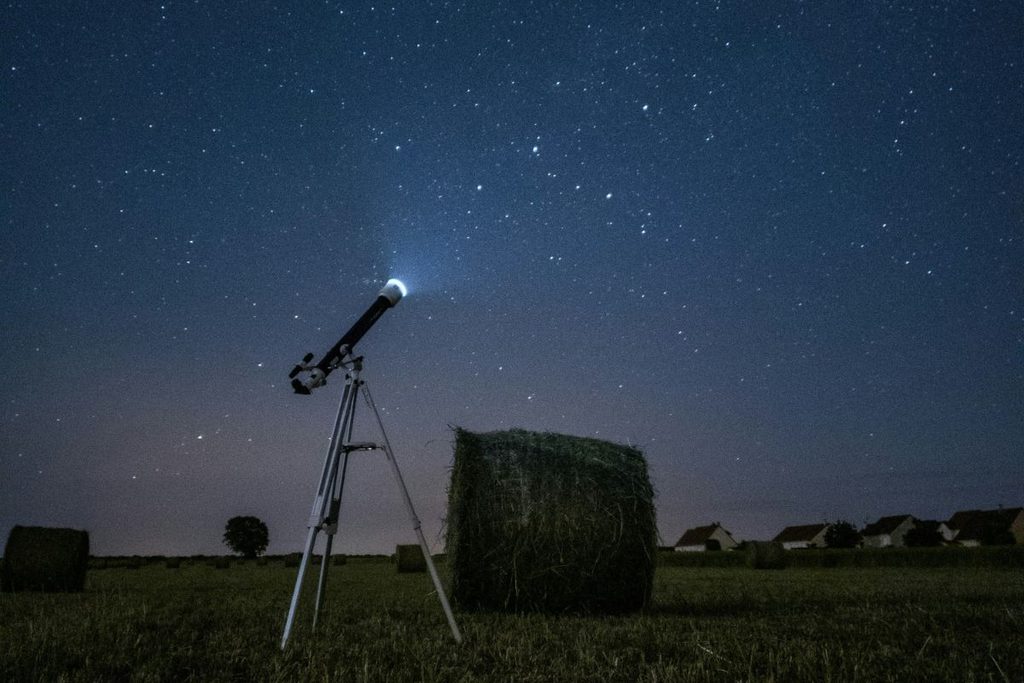
Located in the Inner Hebrides, the Isle of Coll became an International Dark Sky Community in 2013. The island has no street lights, and its sparse population and isolated position help keep artificial light to very low levels. DarkSky International recognises Coll as one of Scotland’s darkest places for observing the night sky.
Coll can be reached by ferry from Oban or by scheduled flight from Oban Airport at North Connel. Accommodation includes the Coll Hotel in Arinagour, which has VisitScotland Gold status and a restaurant recognised for its food.
Autumn, winter and spring provide the darkest conditions, with the Milky Way visible on clear nights and occasional chances to see the Aurora Borealis. Mid-summer is less suitable for stargazing because Coll’s northerly latitude means the sky never becomes fully dark through much of May, June and July.
Which UK sky will you chase?
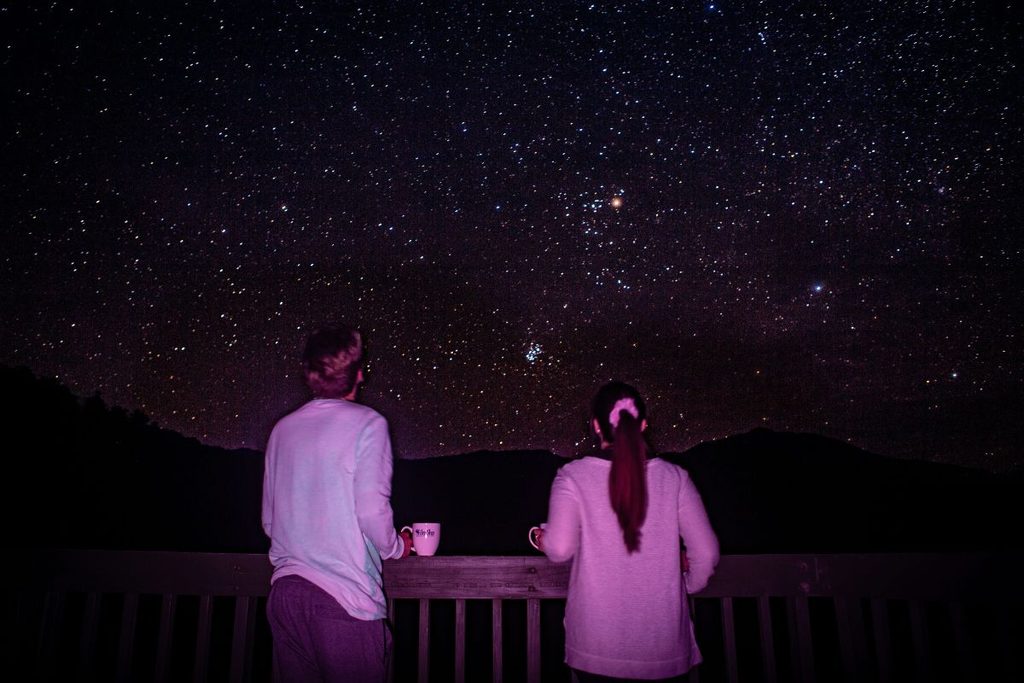
Choosing a UK dark sky destination comes down to the kind of landscape and stay that suits the trip. Northumberland has a vast forest setting and Kielder Observatory, while Exmoor has open moorland and country house accommodation. Galloway Forest offers some of Scotland’s darkest skies, and Bannau Brycheiniog has recognised viewing locations across its uplands, while the Isle of Coll has very low light pollution and an isolated Hebridean setting.
For the darkest conditions, stargazers can plan around the new moon and check seasonal hours of darkness before travelling. Accommodation with good heating, private outdoor space and easy access to recognised observing locations can make a late-night session much easier to enjoy.
Images courtesy of unsplash.com and pexels.com