A good accessible day out is mostly settled before you leave the house. Nearly every venue publishes something about access, but one site gives you a single line about step-free entry while another gives you door widths, gradients and photographs of every toilet, and that gap is what you are trying to close before you book.
The questions barely change whether you’re booking a museum, a theme park, a heritage site or a country park. Ask them a few weeks out about accessible days out and their facilities, and you still have time to phone when the website doesn’t answer, which is nearly always faster than emailing and waiting.
Read the Access Page, Not the Visitor Page
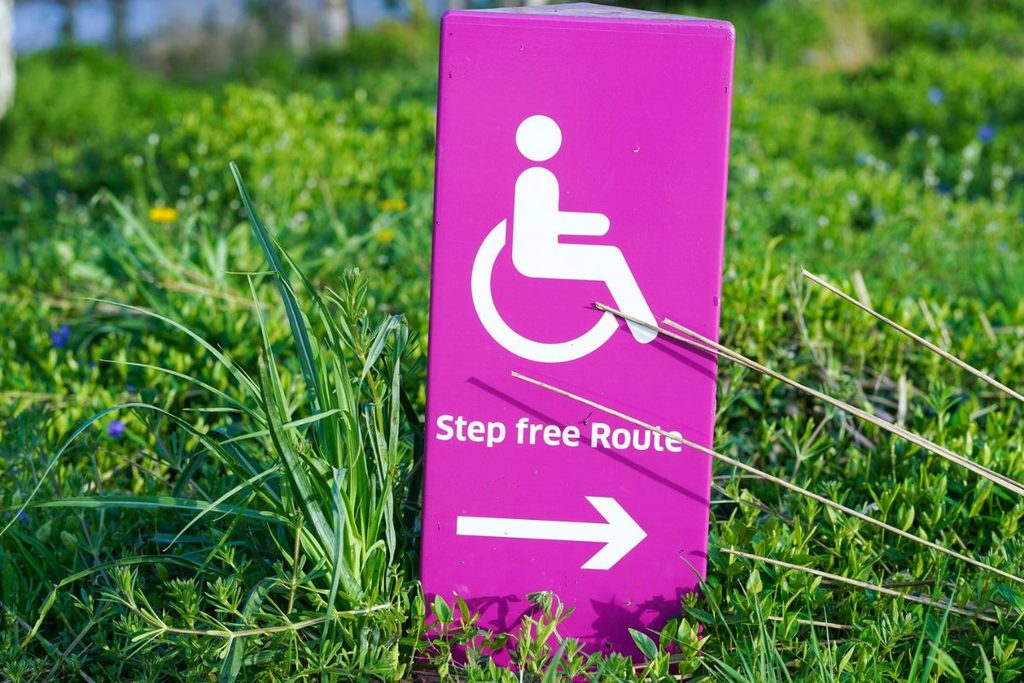
Look for step-free routes, the distance between the car park and the entrance, seating along the way, lift sizes and where the accessible toilets sit. General visitor pages tend to describe a site as accessible without ever defining what that covers, while a proper access guide gives measurements, gradients, surface types and photographs, which tell you far more than any adjective can. Sites with Changing Places facilities normally say so explicitly, so treat silence on that point as a reason to phone rather than an oversight.
Check What Evidence Is Needed for Carer Tickets

Requirements differ from venue to venue, so it’s worth confirming before you arrive at the ticket desk. Some attractions accept a benefit award letter for PIP or DLA, others want a consultant letter, an Access Card, or in some cases a fit note from GP. Larger operators often ask you to apply online in advance, occasionally a week or more ahead, and some issue a pass that lasts a full year. Take the original document or a clear copy with you whatever the venue has asked for.
Ask About Quieter Periods and Relaxed Sessions
Weekday mornings during term time are generally the least crowded at most attractions, and a growing number of venues now run low-sensory sessions with reduced noise and dimmed lighting. The idea spread from retailers, several of whom introduced quieter shopping hours with the music switched off, and museums, cinemas and soft play centres have since followed. Ring ahead and ask when the site is at its quietest, because staff usually know far more than the website ever says.
Confirm Policies Close to Your Visit

Access schemes get reviewed and changed, sometimes with little notice. One major theme park operator faced criticism over revised eligibility rules for its ride access pass, and others have adjusted their own criteria in recent years, so a policy you relied on last summer may read differently now. Check the accessibility page again in the week before you travel, and hold on to any email confirming assistance, a companion ticket or a reserved parking space.
Once the access details are settled, the rest of the planning works like any other day out. Booking any loan wheelchair or mobility scooter is worth doing at the same time, as free stock at popular sites goes early. Save the venue’s access team number in your phone before you set off, since a two minute call is nearly always quicker than hunting the site for a member of staff.
Images courtesy of unsplash.com and pexels.com