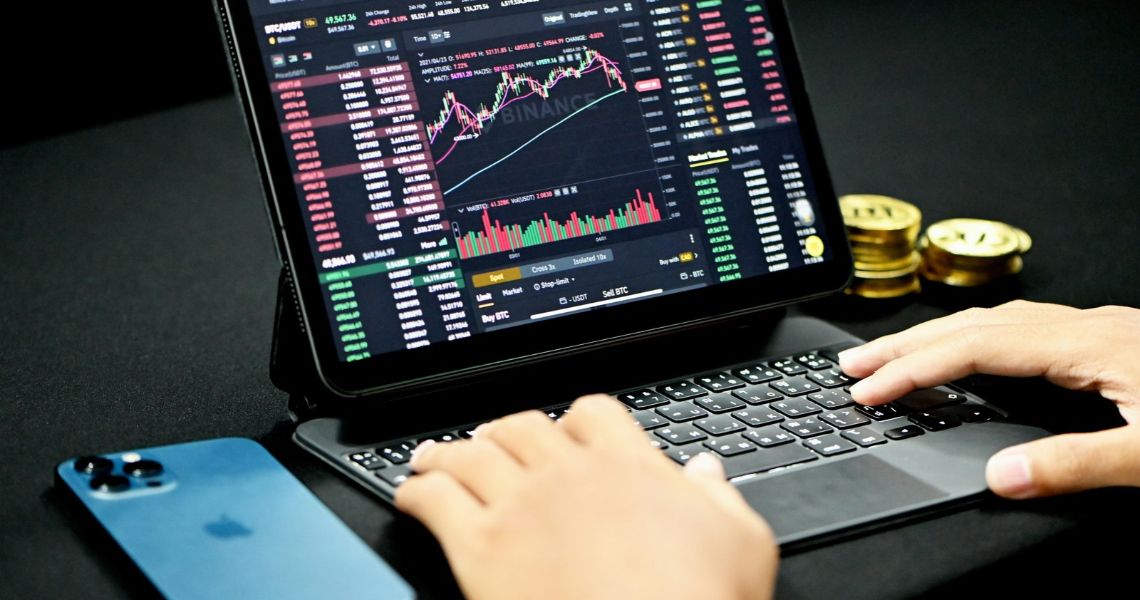
Over the past decade, technologies once reserved for elite clubs and pro athletes have trickled down to individuals. Today, any serious amateur or sports enthusiast can use GPS trackers, heart-rate sensors, video analysis, and cloud tools to monitor and refine performance. These devices generate rich data (speed, acceleration, movement patterns, load and fatigue metrics, and more), which allows users to shape training programmes based on evidence rather than instinct.
The sports tech once hidden behind the doors of elite squads is now portable, affordable, and powerful. It is redefining how people engage with sport at every level.
The effects of this change extend further than training. Data now plays a role in how fans, analysts, and bettors interpret performance. In online sports betting, odds are increasingly influenced by live metrics: speed surges, biometric changes, and split-second performance shifts. Behind the scenes, AI systems analyse these real-time inputs and detect patterns faster than any human.

For example, non Gamstop betting platforms, which operate legally but outside the UK’s self-exclusion programme, often adopt these AI-driven models more quickly than traditional UK-licensed operators. Their flexibility allows them to update markets faster and offer more competitive odds, rewarding bettors who react in real time. When an athlete’s tracker shows a sudden drop in pace or spike in exertion, for example, the AI flags the change and automatically adjusts the odds within seconds.

One of the fundamental tools is wearable GPS and inertial sensors. Worn in vests, sleeves, or specially designed modules, these devices track motion, distance, acceleration, and deceleration. Individuals use these insights to pinpoint when they’re entering fatigue zones, to optimise rest, or to modify movement mechanics. A runner might adjust stride length after observing metrics, while a cyclist alters cadence based on power data. These tools allow athletes to experiment, learn, and refine based on concrete measurement rather than guesswork.
Video analysis has become deeply accessible. Smartphone or camera recordings of training sessions can be annotated, slowed down, and overlaid with metrics. An athlete can review angles of movement, timing, or positioning. Some tools even estimate “expected outcome” maps (such as shot quality or path efficiency) helping amateur competitors better understand not just what happened but why. This level of feedback, once available only to elite teams, is transforming how individuals self-coach.
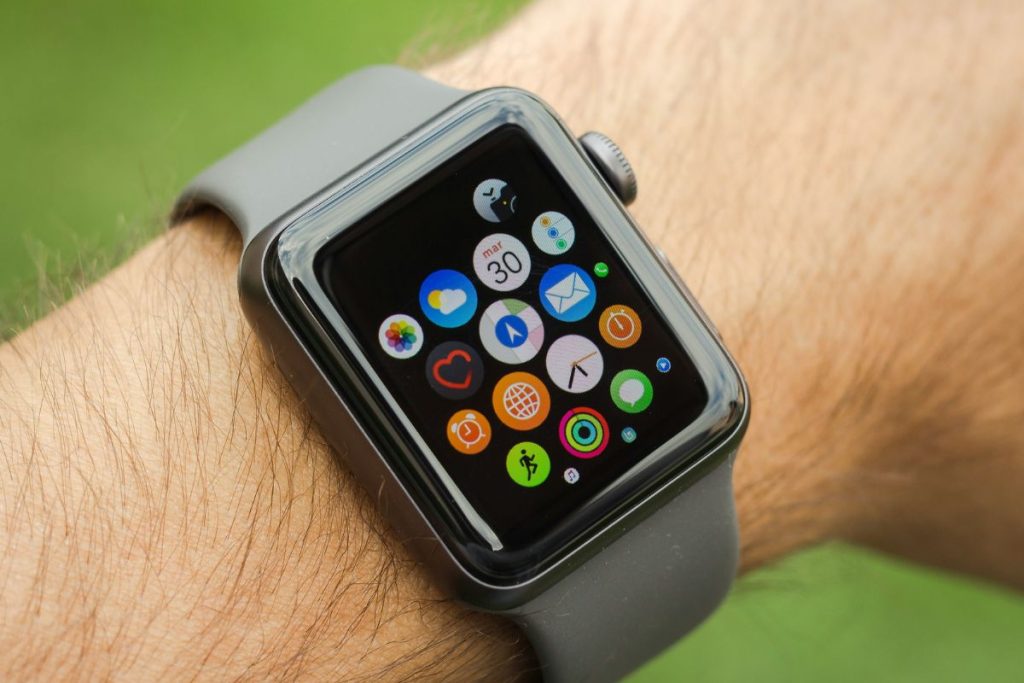
Complementary smartphone apps consolidate all these data streams. Dashboards show training load, recovery scores, heart rate zones, and performance comparisons. Users can check results after a session and see how they measure against their own historical averages. This immediacy means adjustments can be made mid-week rather than waiting for coach feedback. It also turns analysis into an everyday habit rather than a weekly task.
Cloud platforms enable remote feedback. An individual athlete can upload metrics and video for review by coaches or analysts across geography. The sharing of datasets allows data-driven coaching without needing local infrastructure. This model makes expert insight accessible to many who lack the resources for in-person support, democratizing performance improvement.
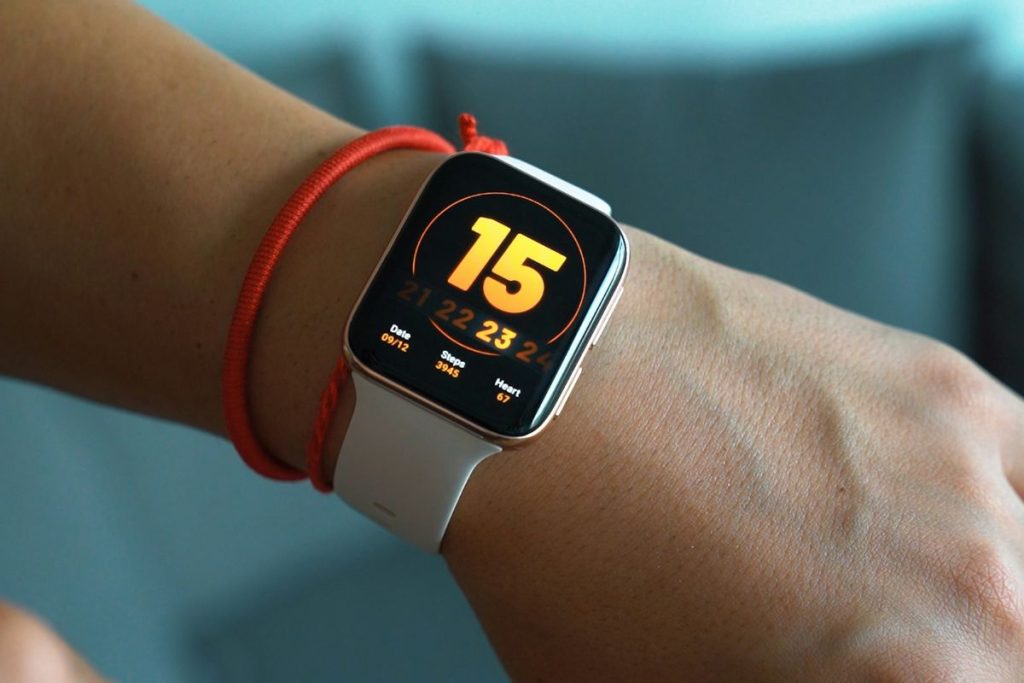
Health and recovery tech is another frontier. Wearables now monitor heart rate variability (HRV), sleep patterns, muscle load, and stress metrics. By correlating these to training data, an individual can make better decisions about rest, intensity, or recovery. The result? Fewer overuse injuries, more consistent performance, and a sustainable training rhythm grounded in data.
Even younger athletes are engaging with tech earlier. Junior competitors adopt simplified versions of performance tools to understand pacing, movement economy, and tactical awareness. With time, they develop data literacy alongside physical skill, a blend that will serve them well when they step into higher levels of sport.
Of course, this adoption isn’t without challenges. Data privacy, correct usage, and interpretation are key hurdles. Not all metrics tell the same story, and misuse can mislead more than help. But those who understand how to filter, contextualise, and respond to data gain a real edge.
In conclusion, individual athletes are now harnessing tools once reserved for professionals, turning training into science. The crossover between sports tech and betting markets further underscores how vital performance data has become. In this evolving sports tech landscape, data is no longer just information: it is leveraged in every race, every match, and every performance.
Images courtesy of unsplash.com and pexels.com