Walk into a centuries-old farmhouse or a grand Georgian townhouse and look down. Chances are you will be standing on broad, characterful boards, worn smooth by generations of footsteps. For a long time, narrow strip flooring and glossy laminate pushed that look aside. Now it is firmly back.
Interior designers and homeowners alike are turning to wide oak floorboards to bring warmth, calm and a sense of history into everything from city flats to country cottages. Part of the appeal is the look itself. Part of it is a wider shift towards natural materials, quieter interiors and pieces that are built to last.
Fewer Lines, Calmer Rooms
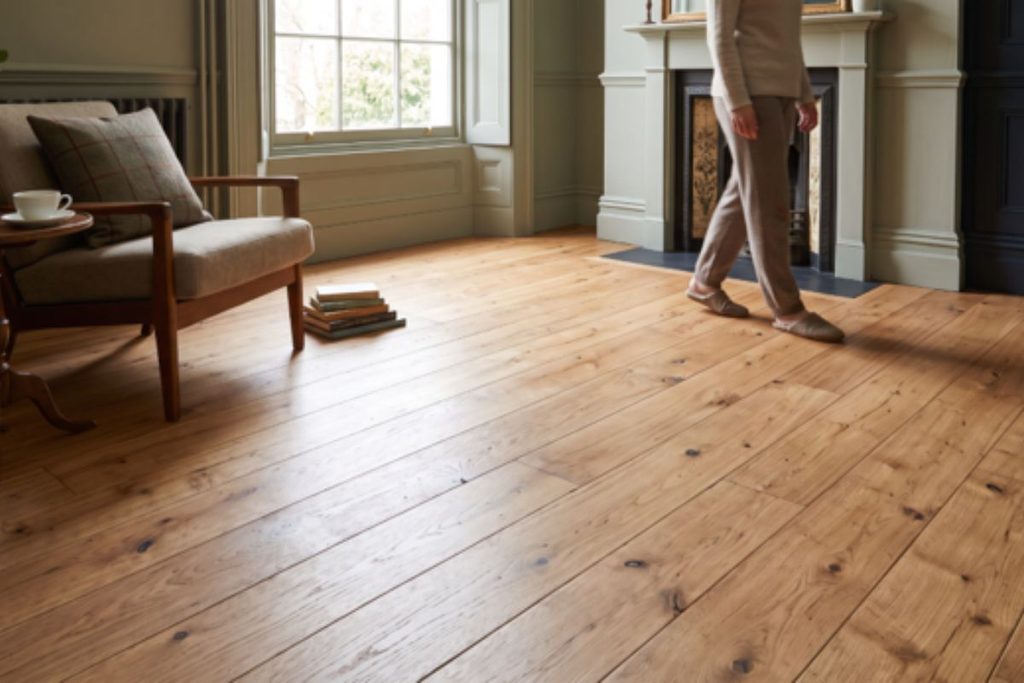
The most noticeable effect of wide boards is how they change the feel of a room. With planks measuring anywhere from 140mm to around 300mm across, there are far fewer joins running across the floor. The eye is drawn to the grain rather than the seams, and the room immediately feels more spacious and settled.
That is why wide planks work so well in open-plan living spaces, where a single, continuous floor helps tie together the kitchen, dining and sitting areas. They suit smaller rooms too. Fewer lines create less visual clutter, which can make a compact space feel larger.
The Beauty of Natural Oak
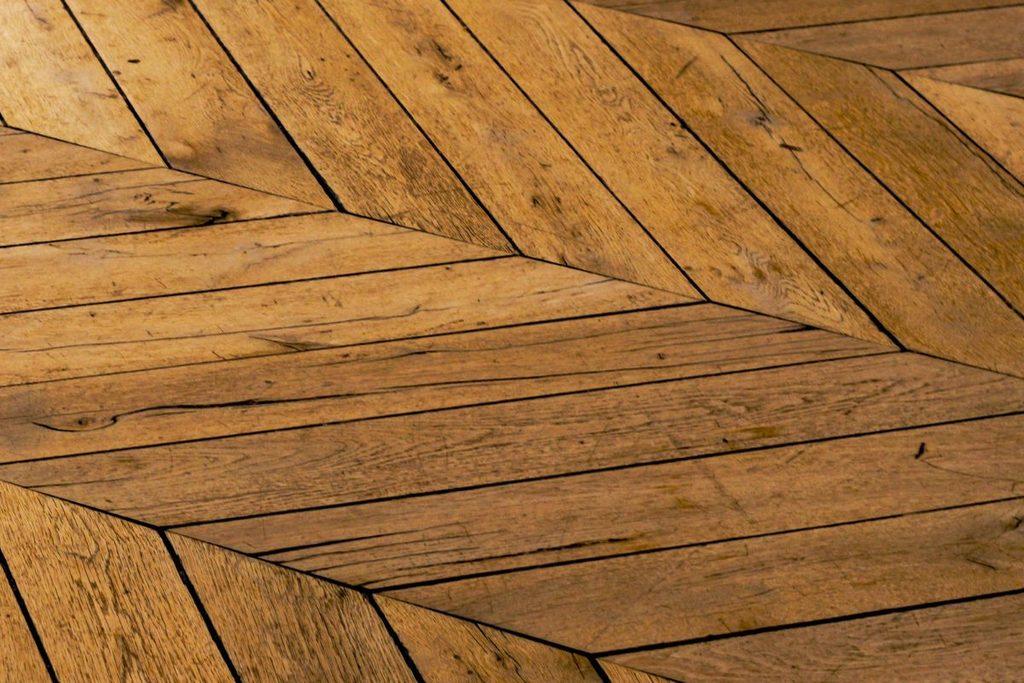
Oak has always been the classic choice for British floors, and wide boards show it off at its best. Each plank reveals more of the tree’s character, from swirling grain to knots and subtle colour changes. No two floors are ever quite the same.
Grade plays a big part in the final look. Rustic grades celebrate knots and natural markings for a relaxed, heritage feel that suits period properties and farmhouse kitchens. Cleaner, more select grades of floorboards have fewer knots and a smoother appearance, perfect for contemporary and minimalist interiors.
Why Oiled Finishes Are Winning Out
Alongside the move to wider boards, there has been a clear shift away from shiny lacquer towards natural oil finishes. Oil soaks into the wood rather than sitting on top, giving a soft, matt sheen that looks and feels more authentic underfoot.
It is practical too. Small scratches on an oiled floor can usually be repaired locally with a light sand and a fresh coat of oil, rather than refinishing an entire room. Oil also comes in a huge range of tones, from pale, lightly brushed Scandinavian shades to rich smoked oak for a moodier, more traditional look.
Engineered for Modern Living
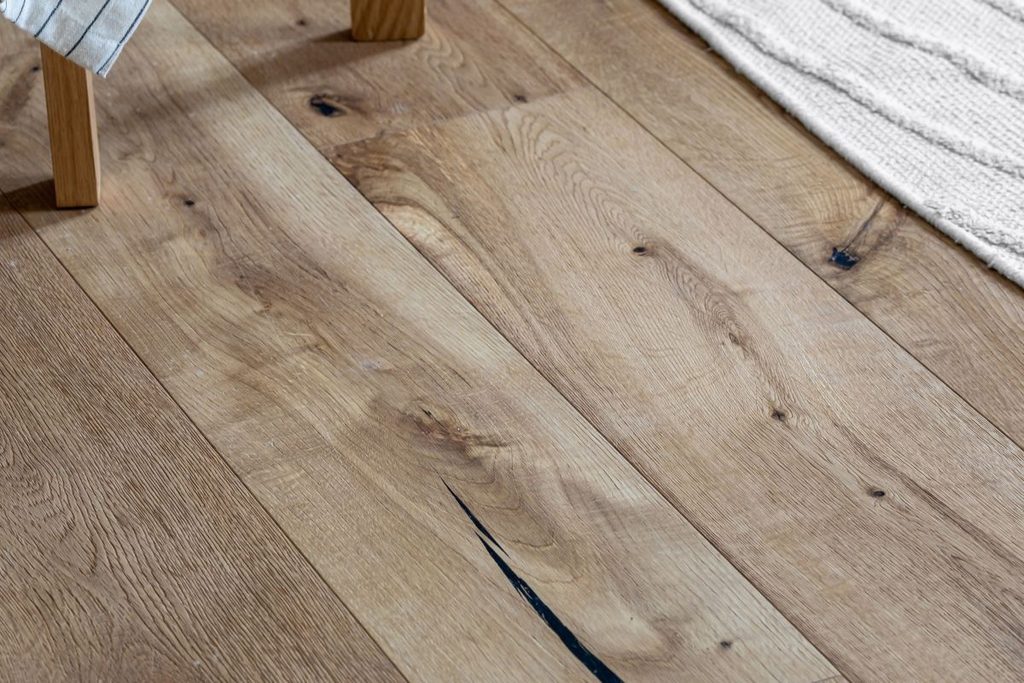
Solid wide floorboards can be prone to movement as temperature and humidity change. Many homeowners now choose engineered oak instead. It has a real oak top layer bonded to a stable core, so it looks just like solid wood but is far less likely to warp or gap. Engineered boards are also generally suitable for underfloor heating, which has become a standard feature in many new kitchens and extensions.
Making It Work in Your Home
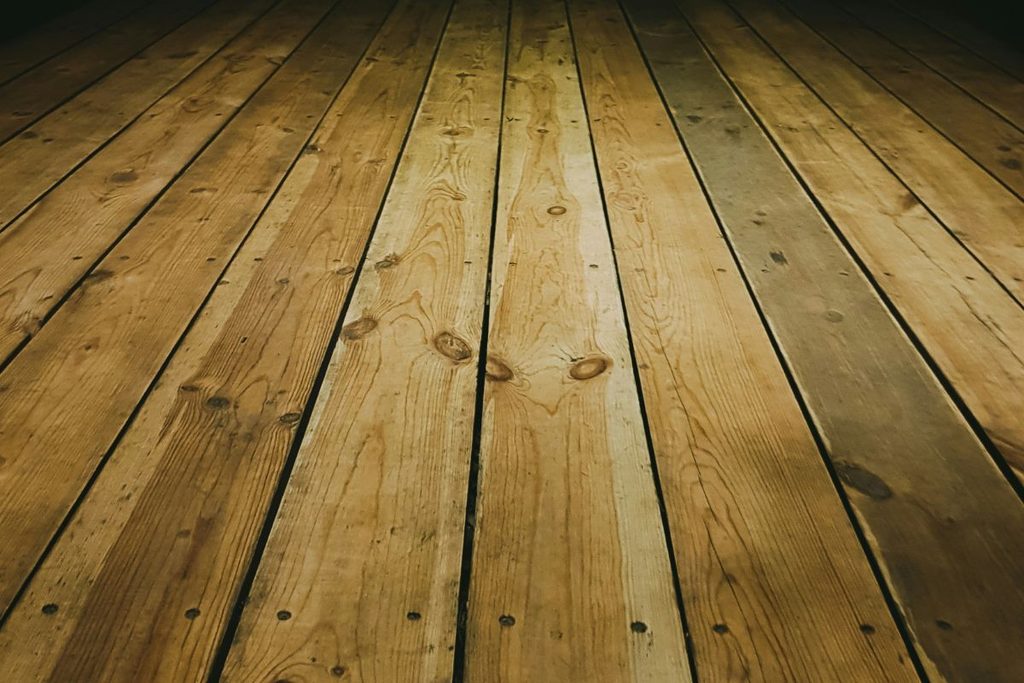
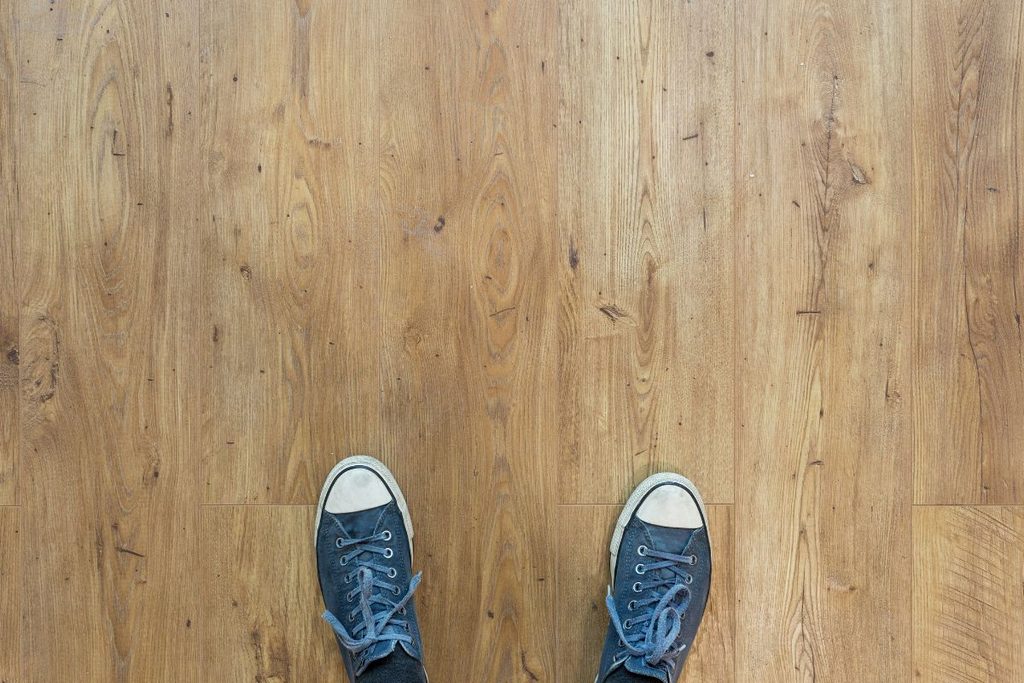
If you are considering wide planks, start by thinking about the size and style of the room. Very wide boards look striking in large, open spaces, while slightly narrower widths can suit smaller rooms and cottages. Laying boards parallel to the longest wall, or towards the main source of light, helps a room feel longer and brighter.
Ask to see larger samples, ideally several boards laid side by side, so you can judge the variation in grain and colour. And remember that natural oak will gently change over time. That slow mellowing is part of the charm, and the reason a well-chosen floor only gets better with age.
In a world of quick fixes and short-lived trends, wide oak floorboards offer something different: a floor that feels timeless on day one and even more at home in twenty years.
Images courtesy of pexels.com and unsplash.com