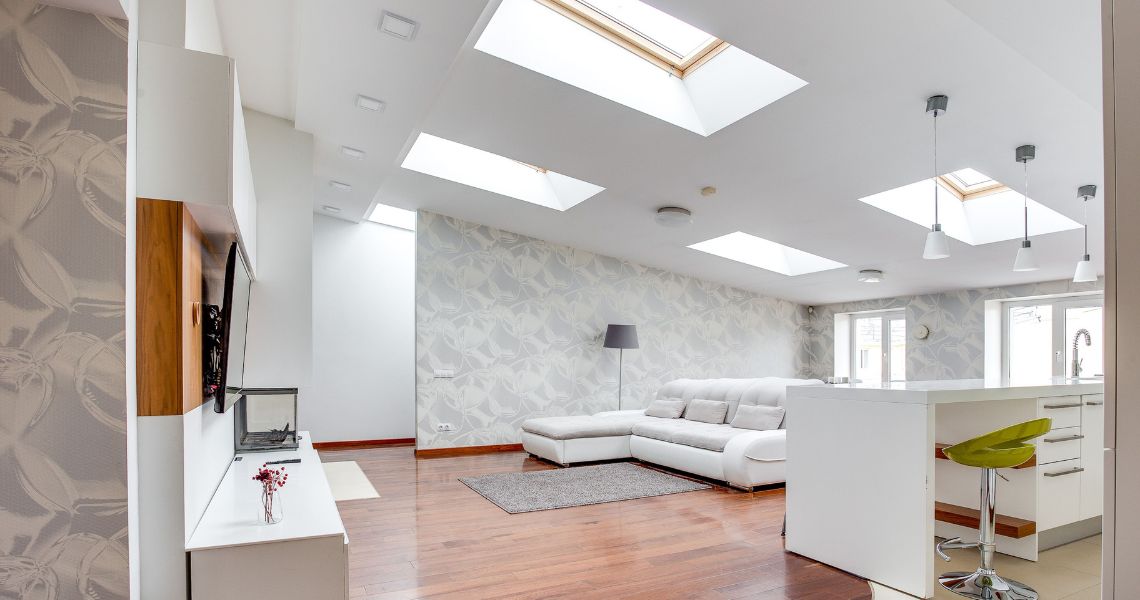
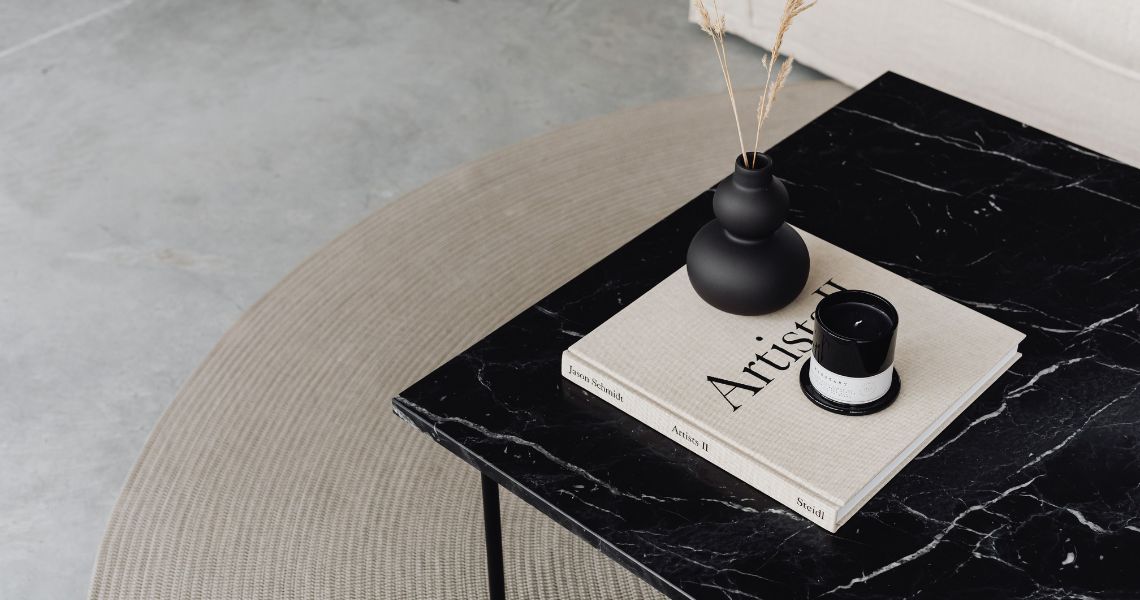
Door handles are easy to overlook. They sit at the edge of a room, used dozens of times a day without demanding much attention. Yet that quiet presence is exactly why they matter. Unlike a statement light fitting or a dramatic wallpaper, a handle is encountered through touch as well as sight. It can make a home feel considered, authentic, modern, formal, relaxed—or oddly unfinished.
Think of door furniture as punctuation in an interior scheme. It may not write the whole story, but it changes the way the story reads. A heavy lever handle on a solid timber door suggests permanence and tradition. Slim, linear door handles on a flush-painted door feels more architectural. Even a small contrast—such as warm brass against deep green paint—can turn an ordinary doorway into a deliberate visual moment.
The Handle Sets the Tone at the Threshold
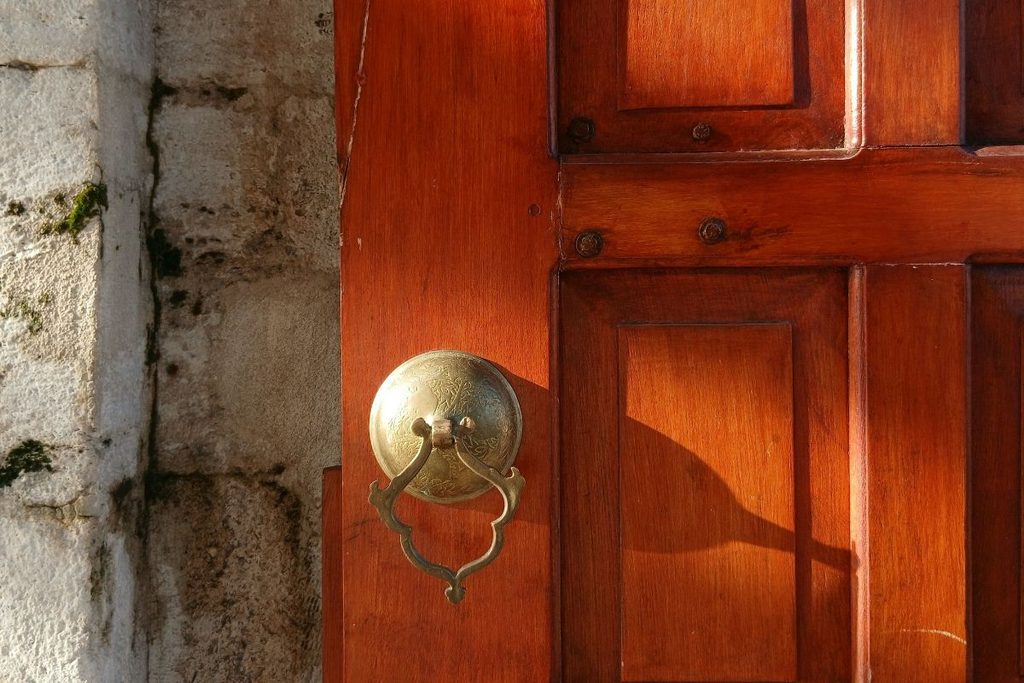
Doors divide spaces, but they also connect them. The hardware on those doors helps establish whether the transition feels seamless or distinct.
In a Victorian terrace, for example, polished or aged brass handles can reinforce the proportions and detailing already present in the building: high ceilings, panelled doors, decorative skirting, and perhaps a tiled hallway. In a newer property, the same finish may introduce warmth and character to a clean-lined interior that might otherwise feel slightly impersonal.
The key is not to treat period styles as a set of rigid rules. A house does not need to become a museum to feel sympathetic to its architecture. Traditional materials can work beautifully in contemporary settings when the shapes are restrained. Likewise, a modern black handle can suit an older home if it is chosen with an understanding of scale and context.
Ask yourself what the door is already saying. Is it a painted four-panel door, a glazed Crittall-style divider, a veneered slab, or a cottage-style ledged door? The handle should respond to that character rather than compete with it.
Shape Reveals Your Design Priorities
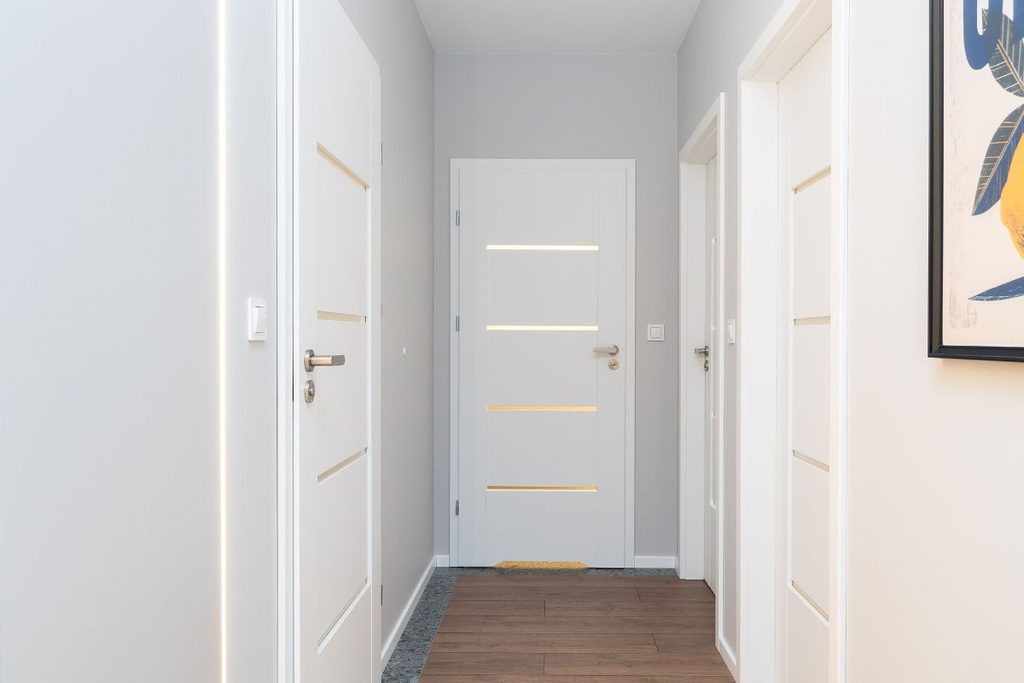
The outline of a handle often communicates more than its finish. Rounded forms tend to feel softer and more familiar, while sharply angled designs suggest precision and modernity.
A curved lever on a round rose can bring a sense of comfort to bedrooms and living areas. It works particularly well in homes with natural materials, softer colour palettes, and layered textiles. By contrast, a square rose with a straight lever suits interiors built around clean junctions, strong lines, and minimal visual clutter.
There is also a practical dimension. A handle should look proportionate to the door and feel balanced in the hand. Oversized hardware on a narrow door can appear awkward, while a very small handle on a tall, weighty door may get lost. This is one reason it helps to look beyond a finish swatch when choosing hardware for interior doors: dimensions, backplate style, latch type, and the door’s construction all influence the final effect.
Finish Is About More Than Colour
Hardware finishes are often discussed as though they are simply decorative accents. In reality, they influence how a room feels over time.
Brass is associated with warmth, depth, and a certain lived-in quality. Depending on whether it is polished, satin, lacquered, or unlacquered, it can read as refined, contemporary, or quietly aged. Unlacquered brass, in particular, develops a patina through contact and exposure, making it a natural choice for people who appreciate materials that evolve rather than stay pristine.
Black finishes offer contrast and graphic definition. They are especially effective against pale doors, natural timber, or soft neutral walls. But black is not automatically “industrial”; a simple matt-black lever can feel calm and sophisticated in a modern country home as easily as it can in a loft-style apartment.
Chrome and nickel occupy a useful middle ground. Polished chrome has a crisp, reflective quality that works well in bathrooms and more formal spaces. Satin nickel is quieter and often easier to integrate with a broad range of paint colours. The distinction may seem subtle, but under changing daylight it becomes noticeable.
Consistency Does Not Have to Mean Uniformity
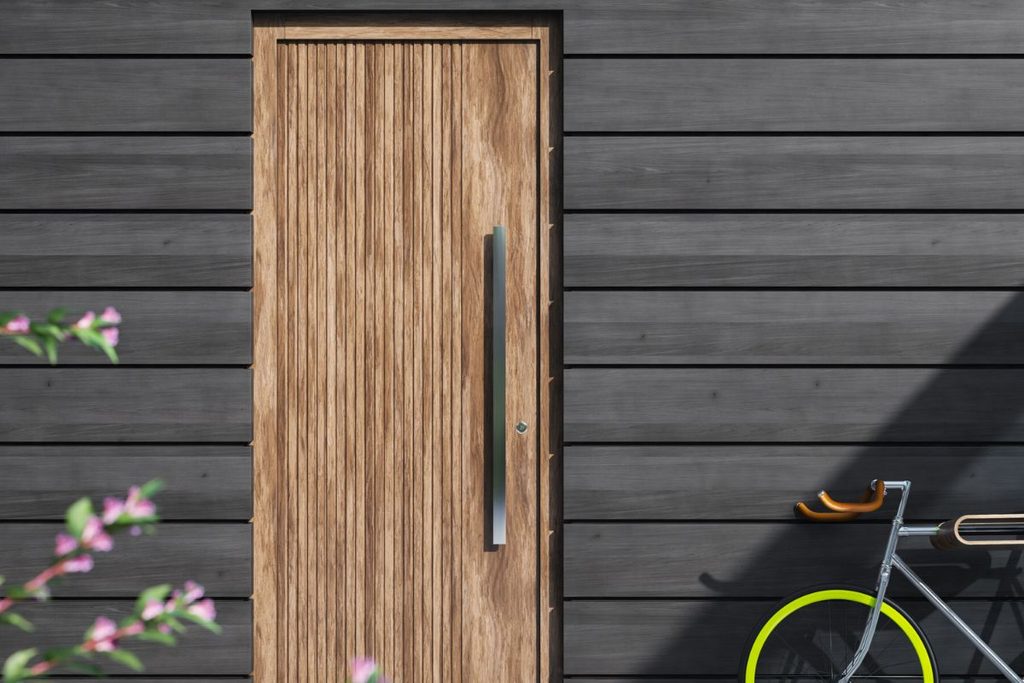
A common mistake is assuming every handle in a home must match exactly. Cohesion matters, certainly, but uniformity can make an interior feel flat.
Instead, aim for a consistent design language. You might use brass throughout the house while choosing lever handles for bedrooms, privacy turns for bathrooms, and pull handles for a pantry or sliding door. The finish ties the scheme together; the function allows each room to work properly.
This approach is particularly useful in homes with mixed architectural features. A kitchen extension may suit minimal handles, while the original reception rooms benefit from more traditional detailing. Repeating one or two elements—finish, tone, or silhouette—will create continuity without forcing every space into the same mould.
What Your Choices Suggest About Your Home
Door handles can hint at the broader values behind an interior. They may suggest that you favour craftsmanship over novelty, simplicity over ornament, or contrast over quiet coordination. None of these approaches is inherently better; the strongest interiors are simply the ones where choices feel connected.
Before deciding, stand back and consider the wider picture:
- What materials already dominate the room?
- Is the door intended to blend in or become a feature?
- Will the finish age gracefully with daily use?
- Does the handle feel comfortable for everyone who uses it?
The last question is often the most important. Good interiors are not just photographed; they are lived in. A handle that feels pleasing, works reliably, and belongs visually to the home contributes to that everyday ease.
Small Details, Lasting Impression
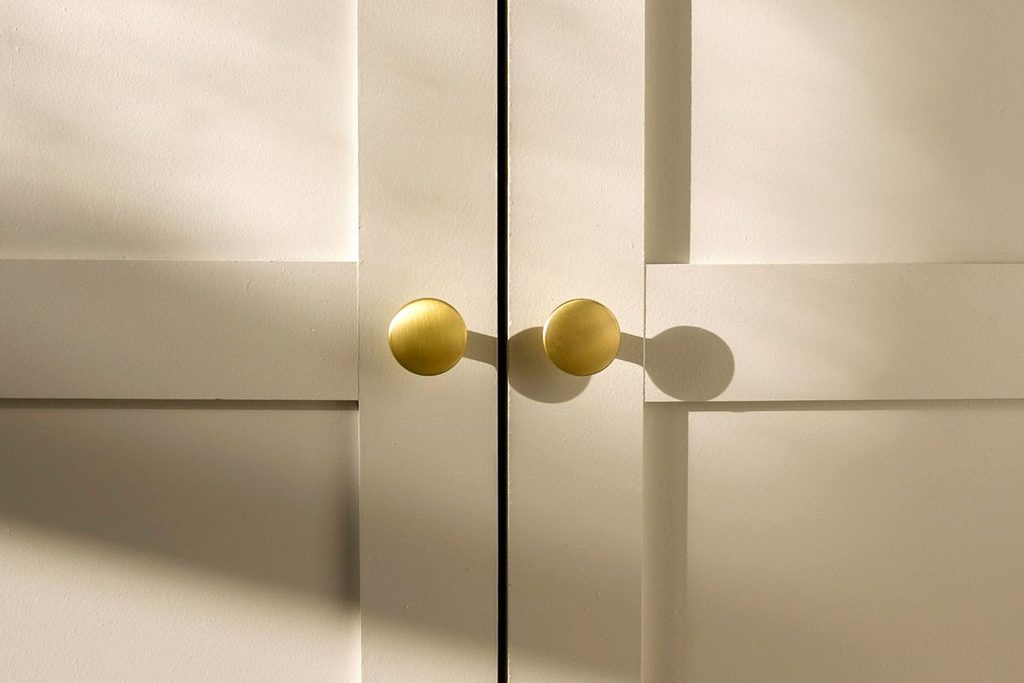
Interior style is rarely defined by one dramatic decision. More often, it emerges through a series of small, consistent choices: the weight of a curtain, the edge of a tile, the warmth of a lamp, the feel of a door handle under your hand.
That is why door hardware deserves more thought than it usually receives. It is a modest detail with an outsized role, marking every entrance, exit, and transition through a home. Choose it with the same care you would give to paint, flooring, or furniture, and it becomes more than a practical fitting. It becomes part of the atmosphere.
Images courtesy of pexels.com and unsplash.com