For Yorkshire homeowners planning a serious renovation, the real measure of luxury is whether the bathroom will still feel elegant, comfortable and quietly practical in 2046.
Designing Beyond the Completion Day
The most considered home design decisions are rarely the ones made only for today. They are the ones made for the next twenty years.
Affluent Yorkshire homeowners renovating existing homes increasingly recognise this when planning bathrooms. It is the room where good design pays deep dividends across the long span of a household’s life.
The conversation is not about visible adaptations as a reluctant compromise. It is about designing a bathroom now that will look beautiful for the next decade, work gracefully for the decade after that, and never need to be ripped out for an awkward alteration when circumstances change.
This is the quiet art of considered bathroom design in 2026: intelligent, understated and almost invisible in how well it serves the people who use it.
Why the Bathroom Now Needs a Longer View
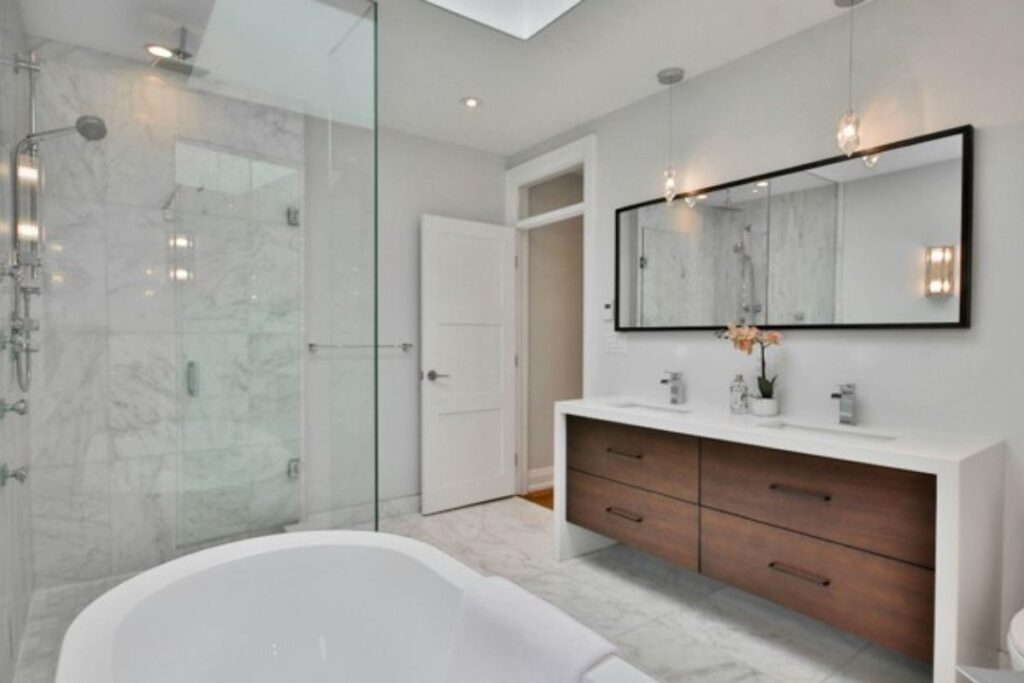
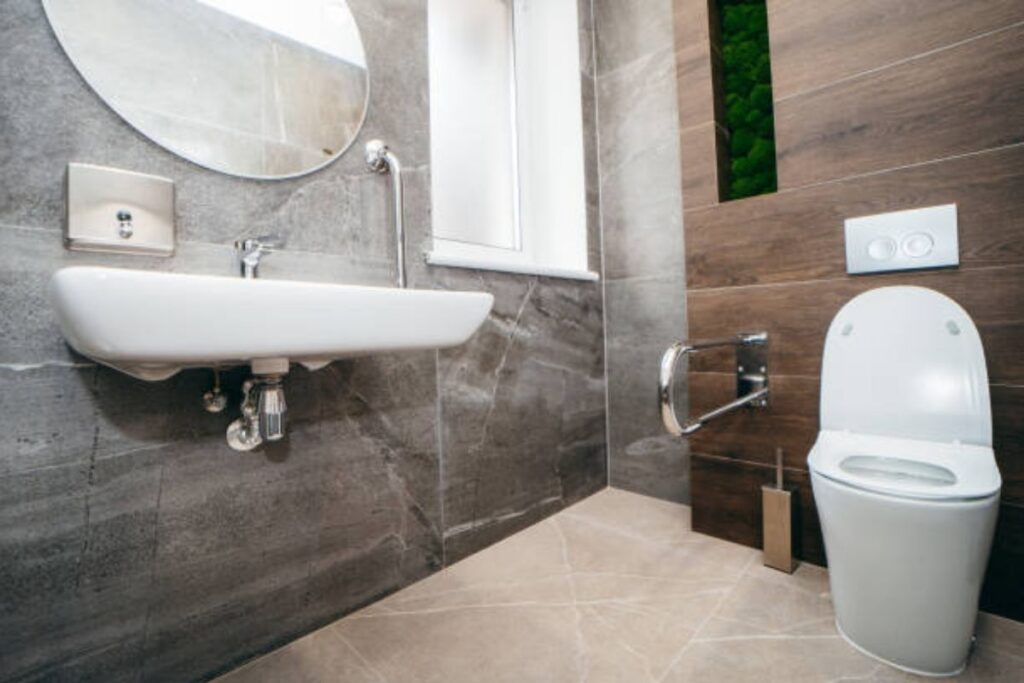
ONS population projections show the UK’s older population continuing to grow, while Age UK and the Centre for Ageing Better have highlighted that many people want to remain in their own homes for as long as possible.
For homeowners investing properly now, that changes the brief. A bathroom should photograph beautifully when finished, but also support the way life changes. Partners age at different paces. Parents stay over. Eyesight, balance and grip strength may alter over time.
Bathrooms sit at the centre of that conversation because they combine water, hard finishes, heat, privacy and daily use. NHS, RoSPA and public health guidance have long treated falls in the home as a serious later-life concern. The design answer is not to make the room feel special. It is to make it better from the beginning.
For UK bathroom specialists working with homeowners thinking long-term about their home design, the conversations have changed meaningfully over the past five years. Impey Showers, a UK manufacturer based in Ilton, Somerset, with an established research and development function and product ranges spanning wetroom systems, screens, drainage and adaptive shower door design, has supported architects, designers and homeowners working at the intersection of aesthetic design and long-term home functionality. According to a spokesperson for Impey Showers, the most useful conversation a homeowner can have when designing a bathroom that will work for the next twenty years is not about choosing between beautiful and functional; it is about understanding that the best contemporary design genuinely delivers both.
The Rise of Quietly Inclusive Bathroom Design
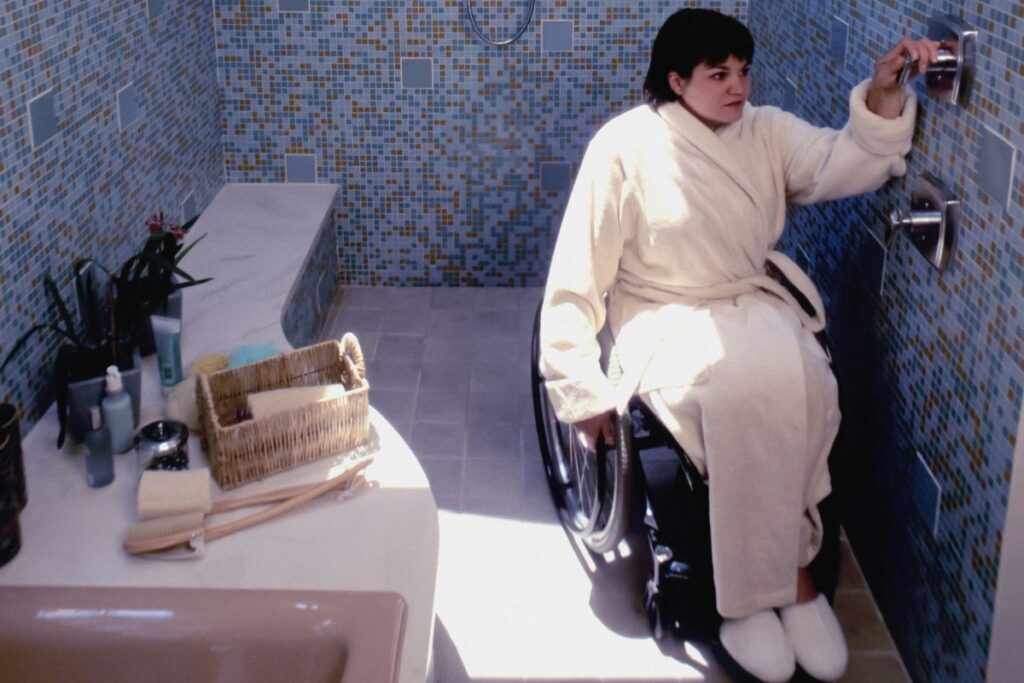
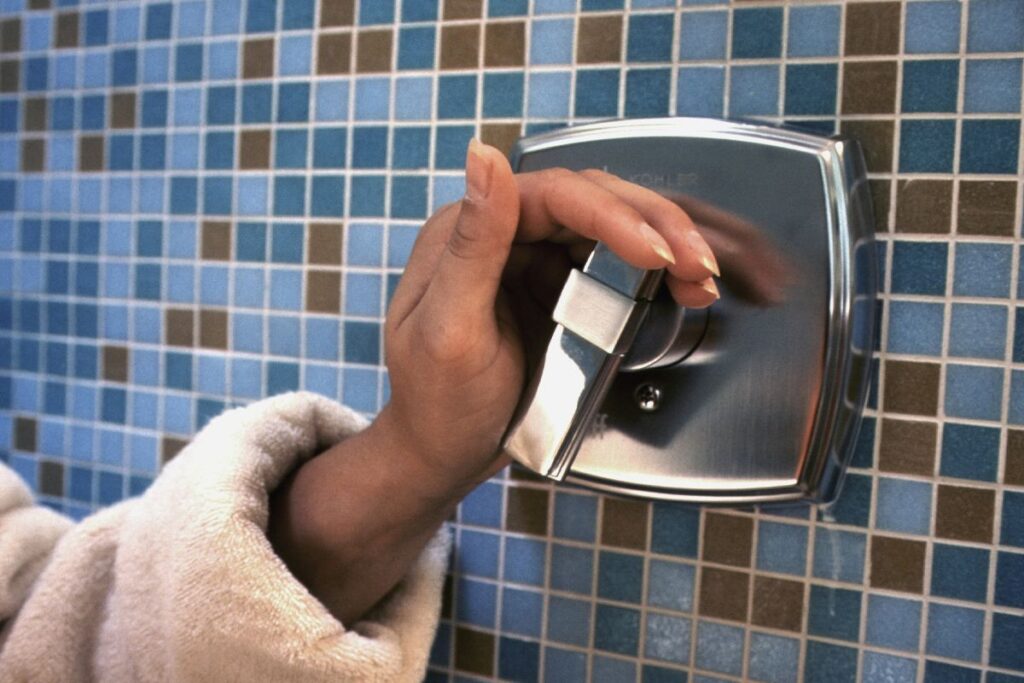
The most successful ageing-in-place design does not look like an ageing-in-place design. It looks like good design.
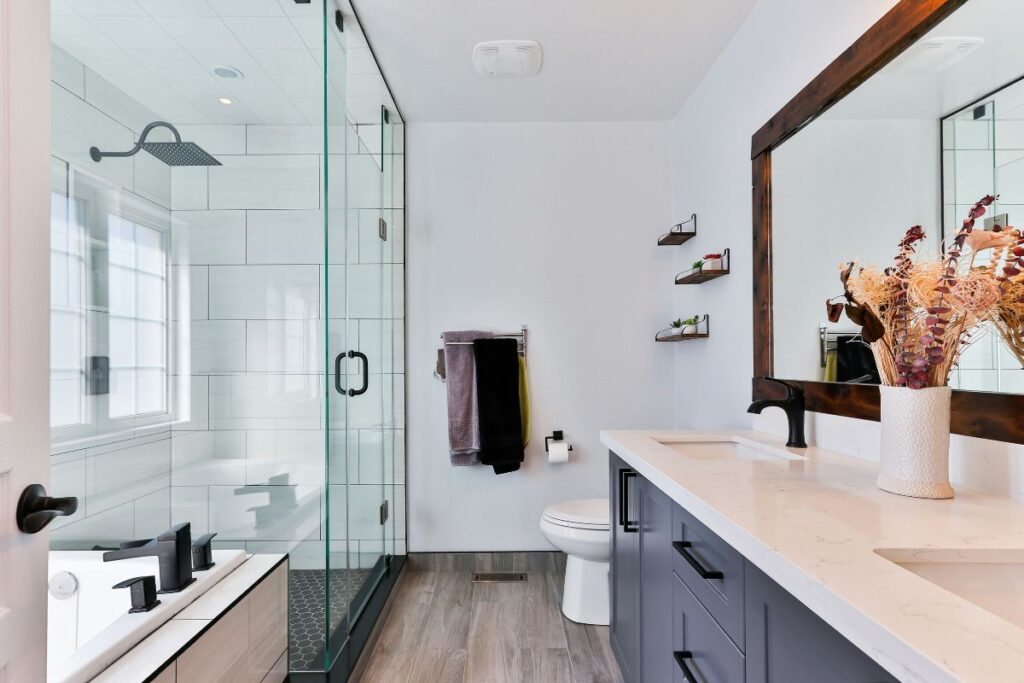
That is the shift now shaping serious bathroom projects. The old visual shorthand of the adapted bathroom has given way to more refined thinking: level access, better lighting, considered storage, intuitive controls, slip-conscious materials and generous movement space, all integrated into a room that still feels calm and luxurious.
Universal design has become increasingly relevant here. A well-designed space should work beautifully for as many people as possible, across different ages, heights and physical needs, without making those needs the visual subject of the room.
The wetroom is the clearest example. Fully tiled floors, integrated drainage and level access suit contemporary interiors beautifully. They also remove the step into a shower tray, a detail that can become more important as the years pass.
The Details That Decide Whether a Bathroom Lasts
Future-ready bathroom design is built through quiet decisions rather than dramatic gestures.
Level access showering is often the foundation. A properly waterproofed wetroom with considered drainage gives a clean architectural finish while making the room easier to use at every stage of life.
The shower door question deserves thought. Full-height glass screens look elegant and work well in many homes. Half-height shower doors, when well designed, can support assisted showering where that may become relevant, while still helping contain water.
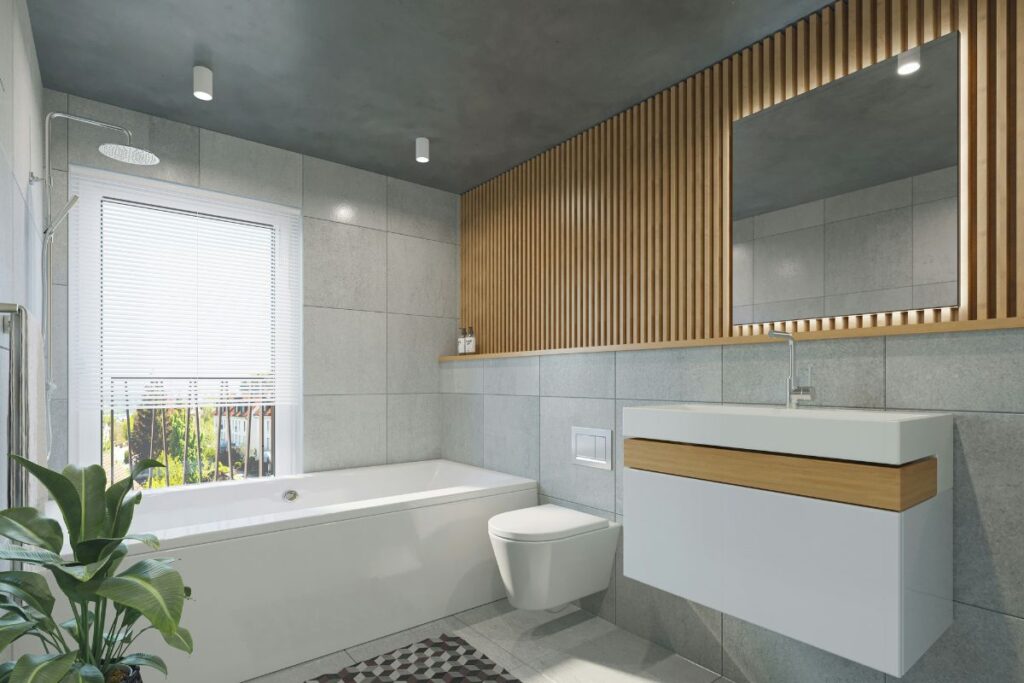
Flooring should be chosen for texture as well as tone. Contemporary slip-resistant porcelain and large-format stone-effect tiles have largely resolved the old compromise between beauty and practicality.
Lighting should be layered. Overhead lighting, mirror-level lighting and subtle low-level night lighting all play different roles, creating a bathroom that feels restorative, practical and reassuring.
The same thinking applies to taps, controls, mirrors and storage. Lever taps, reachable niches, well-placed towel rails and mirrors that work from more than one position make a room feel properly resolved.
For mirrors, check out LED Mirror World first.
A Specialist View from Impey Showers
“What has changed most over the past decade is the assumption that adaptive or universal design has to look clinical,” says a spokesperson for Impey Showers. “The current generation of UK bathroom products, including premium half-height shower doors, level-access wetroom systems and considered hardware, can sit naturally within elegant contemporary design.”
“The financial logic matters as well. A considered bathroom renovation is a substantial investment. Designing once for twenty years is more sensible than designing twice, especially when the second project is forced by urgency rather than planned with care.”
“For many homeowners thinking long-term, the single most useful design decision is the wetroom: level-access, properly waterproofed, beautifully tiled, with considered drainage. It works for different stages of life, looks beautiful, and does not need to announce why it has been designed that way.”
“My honest advice to anyone planning a bathroom in 2026 is to think about how this room will work in 2046. The aesthetic decisions made today should still feel beautiful then. The functional decisions made today should still work without awkward modification. Good design genuinely delivers both.”
What to Decide Before Choosing Tiles
Before choosing porcelain, brassware or paint colour, decide what the room needs to do across the next two decades.
That means thinking about who uses it now, who may use it later, and whether the layout would still feel comfortable if mobility, eyesight or grip strength changed. It also means working with a designer, architect or installer who understands inclusive design without turning it into the visual theme.
Specify a wetroom unless there is a strong reason not to. Choose materials that age well, such as stone, large-format porcelain, brushed brass, considered timber and calm neutral finishes. Consider lever controls, layered lighting, underfloor heating, outward-opening or sliding doors, and storage that can be reached comfortably from different positions.
Where appropriate, consider half-height shower doors. In a household where assisted showering may become relevant for a partner, parent or future self, a well-designed option can support that need without disrupting a premium bathroom scheme.
Most importantly, take time over the specification. A bathroom renovation is too expensive and too important to be shaped by trend alone.
A Bathroom Worth Keeping in 2046
The most considered home design decisions are made with a household’s future life in view, not just current circumstances.
For Yorkshire homeowners planning bathroom design in 2026, the question is what the room should look like, feel like and quietly support across the next twenty years.
Level-access wetrooms, considered hardware, intelligent lighting, slip-resistant, beautiful flooring, and, where appropriate, premium adaptive products such as half-height shower doors can all work together in a room that feels elegant now and remains useful for decades.
The most beautiful bathroom design decisions in 2026 are the ones that will still look beautiful, and still work, in 2046, helping avoid awkward adaptation, unnecessary compromise and long-term regret.
This article is for general information only. Bathroom design and specification should be undertaken with appropriate professional consultation. Accessibility products may be eligible for Disabled Facilities Grants (DFG) administered by UK local authorities. Impey Showers is a UK manufacturer based in Ilton, Somerset, with product ranges spanning wetroom systems, screens, drainage and adaptive shower solutions.
Images courtesy of unsplash.com and pexels.com