Scroll through any interiors feed this autumn and you will spot the same thing again and again: a sculptural stone coffee table at the heart of the living room. Marble has moved from hotel lobbies and Italian villas into ordinary British homes, and it is easy to see why. Natural stone brings warmth, character and a sense of permanence that few other materials can match.
It is also an investment, often a piece you keep for decades, so it pays to choose carefully. A hand-crafted marble coffee table can cost anywhere from several hundred to a few thousand pounds, and the right one will look better with every year. Here are seven things worth checking before you buy.
1. The Type of Stone
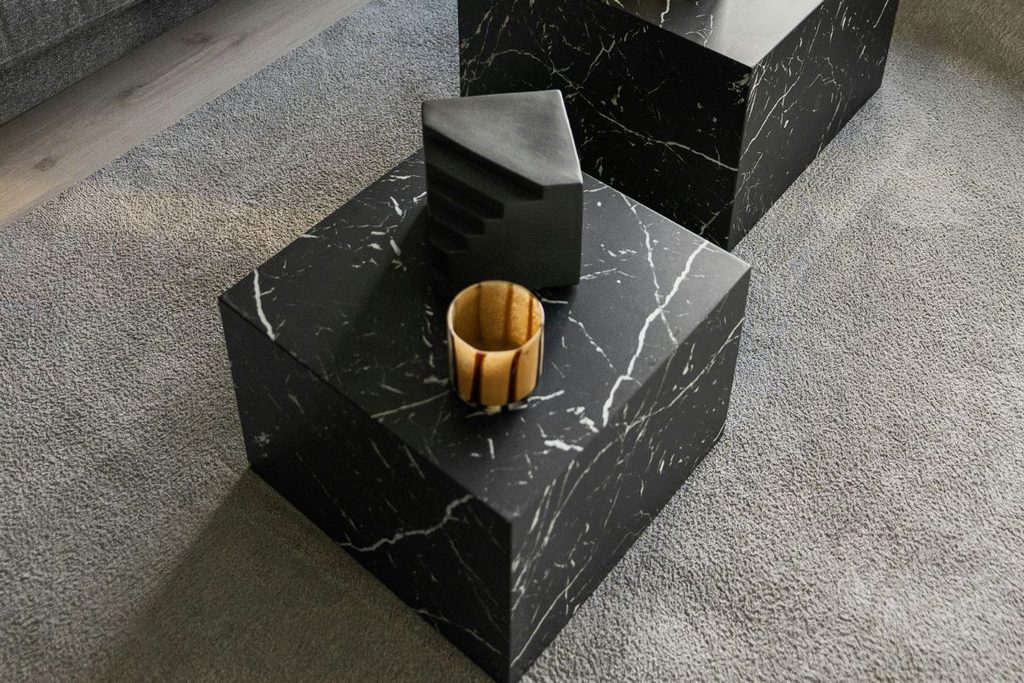
Not all marble looks or behaves the same. Carrara is the classic, white with soft grey veining, and suits almost any room. Nero Marquina is black with crisp white veins for a more dramatic look. Breccia Sarda and Rosso Levanto bring rich reds and browns, while Verde Alpi adds a deep green. Travertine, technically a limestone, has become hugely popular for its warm, earthy tones and gently textured surface.
2. The Size of Your Room
A good rule of thumb is that a coffee table should be around two thirds the length of your sofa. Leave roughly 40cm to 45cm between the table and the sofa so you can reach a cup of tea comfortably but still walk past. Mark the outline on the floor with masking tape before you buy to see how it feels in the space.
3. The Shape
Rectangular tables suit long sofas and larger rooms. Square tables work well with corner sofas and generous seating arrangements. Round and hexagonal shapes soften a room, make it easier to move around in tight spaces and are a sensible choice for homes with small children, with no sharp corners at toddler height.
4. The Height
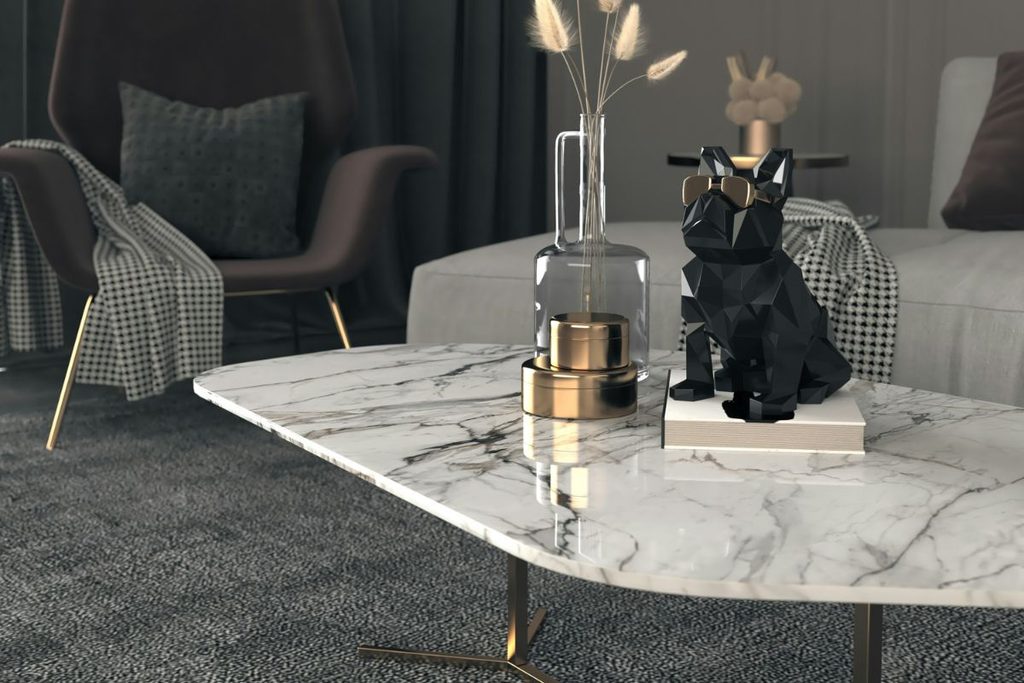
Coffee tables typically range from about 25cm to 45cm high. A lower table feels relaxed and contemporary and keeps sightlines open in a smaller room. A taller one is more practical if you like to eat or work from the sofa. Aim for a table that sits roughly level with, or slightly below, your sofa cushions.
5. The Base
The base changes the whole character of the piece. Slim metal frames feel modern and light. Solid stone pedestals feel sculptural and substantial. Wooden bases add warmth and pair nicely with rustic or Scandinavian schemes. Remember that a solid marble table is heavy, so think about where it will live before it arrives, and check how it will be delivered and positioned.
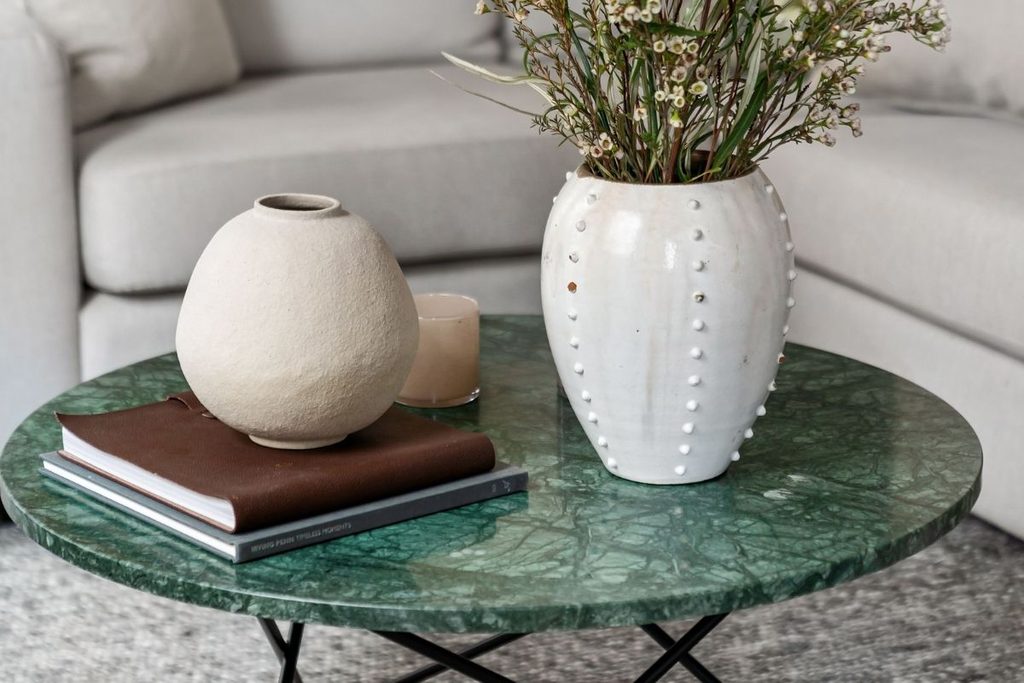
6. The Finish and Care
Marble is natural stone, which means it is slightly porous. A good sealed finish protects it from everyday spills, and a honed (matt) surface hides marks better than a high polish. Use coasters for drinks, wipe up acidic spills like wine or citrus promptly, and reseal every so often. Many makers include a simple care guide, which is worth reading before the table arrives.
7. The Craftsmanship
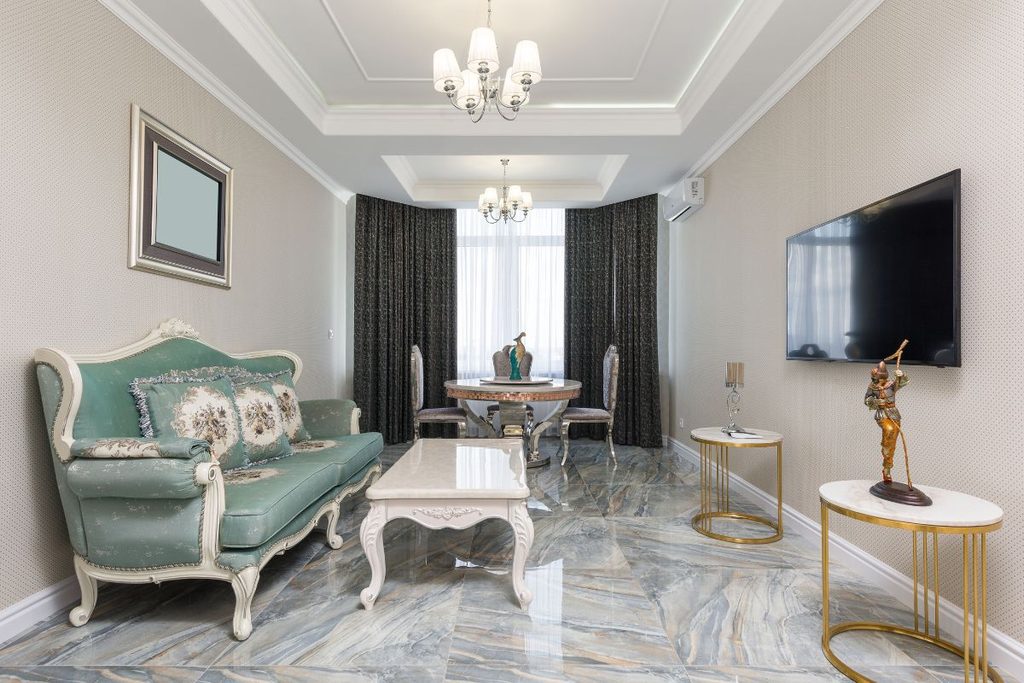
Finally, look at how the table is made. Hand-finished pieces from specialist makers tend to show more attention to edges, joints and the way the veining is matched across the surface. Check reviews, ask about delivery times and find out whether the stone can be chosen from different options. Because every slab is unique, your table will be slightly different from any photograph, and that is part of its charm.
A Piece to Keep
A marble coffee table is one of those purchases that rewards a little patience. Get the stone, size and shape right and it will become the centrepiece of your living room for years, through new sofas, new paint colours and perhaps even a new home or two.
Images courtesy of pexels.com and unsplash.com