Owning a rental property isn’t easy or simple. Once you become an owner, you start dealing with many inconvenient things. Sometimes it’s a loose roof tile, while other times, it’s a neglected yard.
Seasonal maintenance gives you a reason to inspect these small problems and make your life as a busy landlord easier.
Every Season: Treat Tenant Reports as Useful Information
Tenants live on your property. At some point, they know the ins and outs of it better than you do. Since they’re there almost 24/7, they notice problems before you do. Be open to communication and listen to the reports. If they start complaining of unusual noises, intermittent hot water, or recurring power issues, you need to listen.
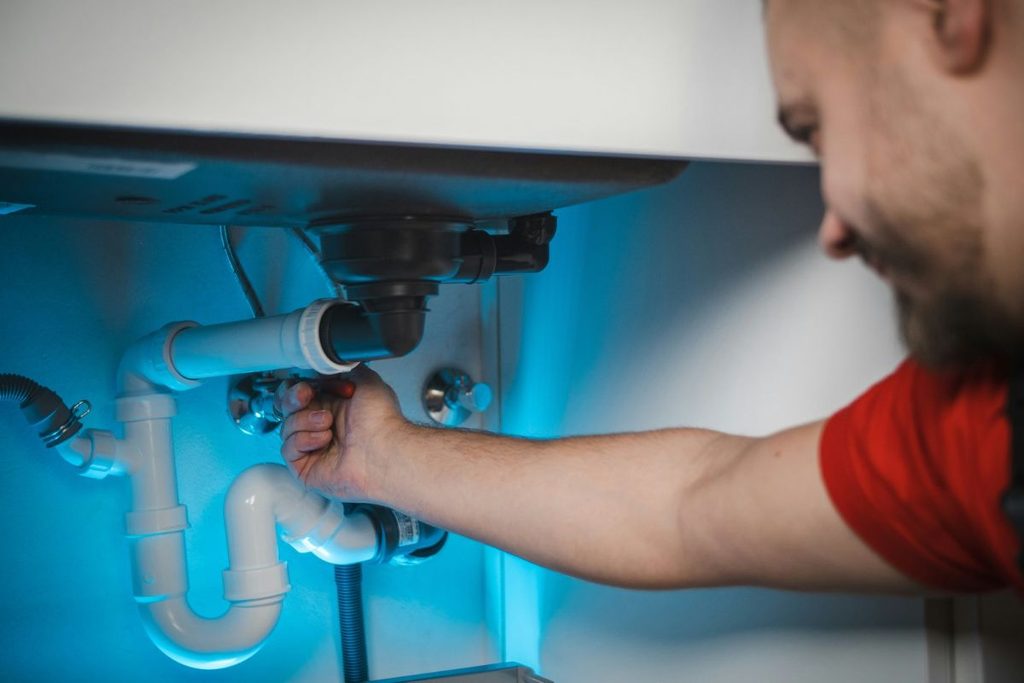
If you own a property in one of the suburbs of Pacific Pines, working with a property agent Pacific Pines can help you coordinate local tradespeople. It’s best to organise inspections and keep maintenance records in order. This arrangement is useful if you live elsewhere or manage several properties.
Winter: Keep Moisture and Plumbing Under Control
No one likes cold temperatures, especially landlords. That is because they can lead to unpleasant plumbing issues. No tenant wants to deal with those, and the same is true for landlords. However, you don’t live on that property. It’s easier to ignore these issues because you won’t be the person to experience them. However, these things happen and you need to respond quickly. It would be inhumane to leave the tenants waiting. Therefore, as a landlord, it’s essential to examine exposed pipes and any outdoor plumbing connections.
Now, moisture is another potential problem. If tenants frequently dry clothes inside, inadequate ventilation can lead to condensation. This eventually leads to mould growth and exposure. Additionally, if the property includes a fireplace, wood-burning stove, or gas unit, it’s important to schedule the necessary maintenance and safety inspections as well.
Spring: Check What Winter Has Left Behind
Winter can be ruthless. It often leaves behind more than a few higher electricity bills. As soon as the spring starts, you should be out there. You should be checking window frames and ceilings. You need to look into cupboards against external walls. All of these areas could be causing moisture issues. Condensation can develop behind stored clothing, too. If you find mould, immediately deal with it.
Next, you need to inspect the property’s outdoor drainage. Do it before spring rain becomes heavier. It’s vital to remove leaves from accessible gutters. You should also examine garden beds near the walls because dense plants can conceal damp patches and give pests convenient access.
Summer: Prepare the Property for Heat
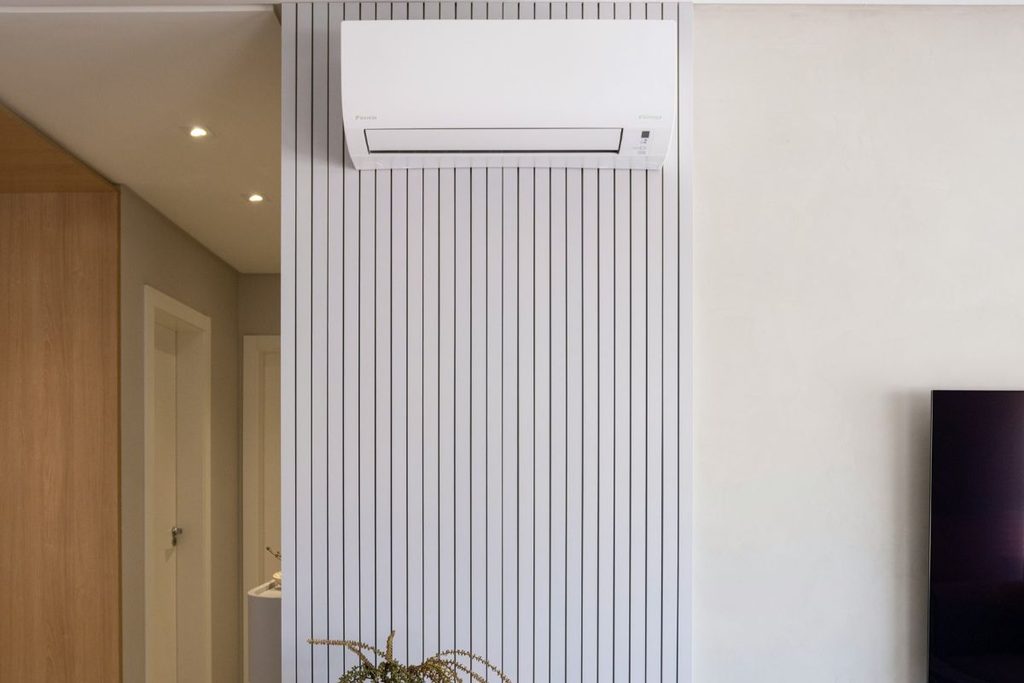
Air conditioning deserves attention long before it’s impossible to love without one. If you do it one week before the season of extreme heat begins here in Australia, every technician in the area will be fully booked anyway. Do it at least a month in advance. If the property has ceiling fans, test them and make sure their controls work. It’s also worth checking blinds, curtains and window seals.
Outdoor areas demand attention, too. This is going to be slightly different, though. For starters, you can inspect garden irrigation. Examine outdoor taps and see if you can find any leaks. You should also ensure that the hoses aren’t splitting under prolonged sun exposure. If they’re damaged beyond repair, you can always replace them. Timber can also split and screws can get loose, so inspect for any damage before a screw ends up in someone’s foot.
Autumn: Get Ahead of the Wet Weather

Autumn is an excellent time to inspect the roof and external walls before winter rain exposes their weaknesses. Some defects are difficult to spot from the ground, though. You can arrange a professional inspection if you suspect damage.
Test exhaust fans in bathrooms and kitchens. Be extra cautious if tenants report lingering condensation or cooking smells. Where appropriate, replace worn seals and arrange repairs before temperatures fall. These relatively small jobs can improve comfort, and it’s not an expensive upgrade.
Conclusion
You don’t have to do everything at once. That’s why a seasonal checklist exists. Each season is best suited for finishing up some tasks and dealing with common issues. If you try to do everything at once, you won’t succeed. Instead, focus on what you can do each season to make the following months pleasant for the tenants. When the tenants are happy, you will be, too.
Images courtesy of unsplash.com and pexels.com