Water fixtures are amongst the most popular home renovations of all. While this also includes fountains and birdbaths, for a lot of people with room for it, the pond is going to be one of the most tempting installations.
What’s more, a lot of people aspire to have a pond teeming with life in the form of garden fish. Maintaining a vibrant garden pond involves thoughtful consideration, especially when it comes to selecting fish that thrive in your outdoor environment. For those looking to elevate their garden’s appeal a beautiful koi pond design could be the way forward. While it can certainly make a significant upgrade to your garden, how easy is it to care for them?
Keeping your pond clean is number one
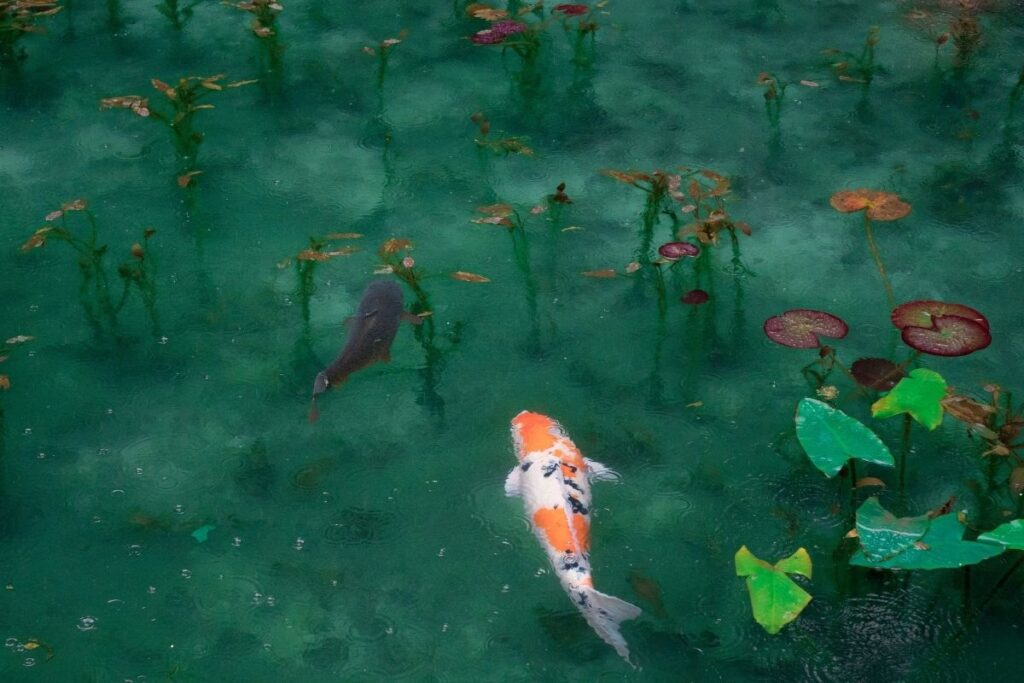
The biological balance of your pond is crucial to the fish’s help. One of the most common problems is the effect of ammonia, which builds up naturally due to the fact that fish excrete it. To that end, you should make sure that you’re able to keep the ammonia level low. In natural environments, plants counteract this, but there are rarely enough plants in a fish pond to do this. Improving your water filtration, using extra beneficial bacteria, and aerating the water properly can all help manage your ammonia levels.
Watch out for birds
As well as taking care of their basic needs, you also need to make sure that your garden fish aren’t endangered by local wildlife. Seeing a heron in your garden might be a delight until you realise they’re there for the free food. Herons aren’t the only birds that will try to hunt your fish, but they can be some of the most dangerous. To that end, there are various scare tactics you can use to keep them away, from decoys to even using a little amount of pond dye to disguise the water from their sight.
Keeping them fed
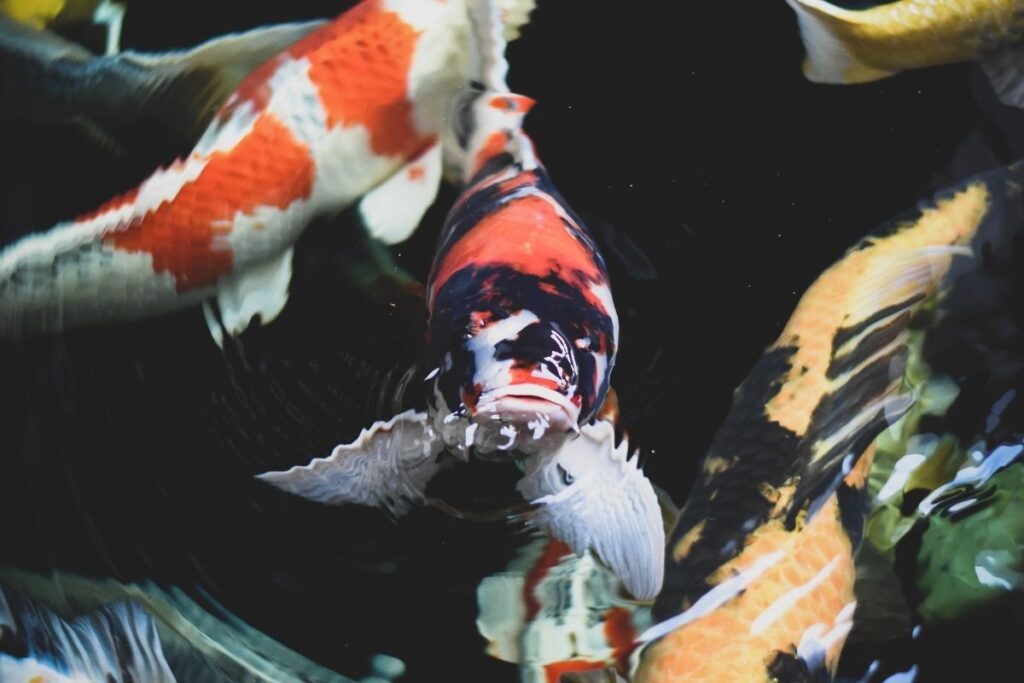
Fish need food, but you need to be careful in how often you feed them, and what you feed them during what time of year. They might seem constantly hungry and racing for food when you drop it, but this can be misleading. There are fish food pellets that you can get and while there are seasonal variants, you can always use additional supplements like cannabis seeds to provide the extra protein that they need in the summer. Try to choose foods that are more vibrant in colour, as well, so the fish notice them more easily.
Preventing disease
Fish are susceptible to illness like any animals. The best thing you can do is learn the signs that your fish are sick, so that you can bring out a professional to take a look at them, diagnose them, and help you make the right call in how to treat them. Any cuts, ulcers, sores, missing scales, lumps, cloudy eyes, or split fins should be treated as a sign that your fish might need some medical attention. There are many causes of disease, from malnutrition to problems with the water to parasites, so be ready to get in contact with a fish vet quickly.
Pond fish do take some effort to care for. However, with the tips above, you can make sure that they’re able to live as safe and healthy a life in your pond as anywhere.
Images courtesy of unsplash.com and pixabay.com