An air source heat pump transforms your home’s comfort and energy efficiency into a new level of performance. These heating systems extract outdoor air heat and move it indoors to efficiently maintain your space’s temperature. Maximum efficiency requires consistent maintenance along with optimal system settings. Regular maintenance extends your unit’s lifespan while also decreasing your energy costs.
Like many homeowners, you may be looking for ways to get the best out of your air source heat pump. To enhance performance you should adjust the thermostat settings and make sure the outdoor unit remains clear of any debris. Minor modifications to your home can significantly improve airflow and draft sealing.
Explore several methods to enhance system performance which will boost your confidence. Every improvement, from conducting regular inspections to implementing smart usage practices, helps reduce expenses while improving the comfort of your home. Access to resources and support networks offers essential guidance to optimise heat pump system performance.
Selecting the Right Air Source Heat Pump
Selecting an air source heat pump requires you to evaluate your home’s heating needs alongside equipment sizing and efficiency ratings. Choosing correctly enables both optimal system performance and reduced energy consumption.
Assessing Home Heating Needs
First, analyze your home’s heating requirements. The features of climate condition and insulation quality alongside home dimensions have major impacts. Choose pumps intended to function well in cold weather conditions when you live in colder regions. An energy audit delivers precise details about the heat retention capabilities of your home.
Your existing heating systems should be evaluated because adding a heat pump creates a complementary system which results in better energy efficiency. A local installer accredited by the Microgeneration Certification Scheme can provide personalized recommendations for your home’s heating needs. Energy savings begin when you fully understand the specific needs of your home.
Sizing Your Heat Pump Correctly
Proper sizing of a heat pump is essential for its function. An undersized heat pump may fail to adequately warm your house while an oversized model could operate with too frequent on-off cycles. Your home’s square footage in combination with its insulation quality and climate zone determine load calculations.
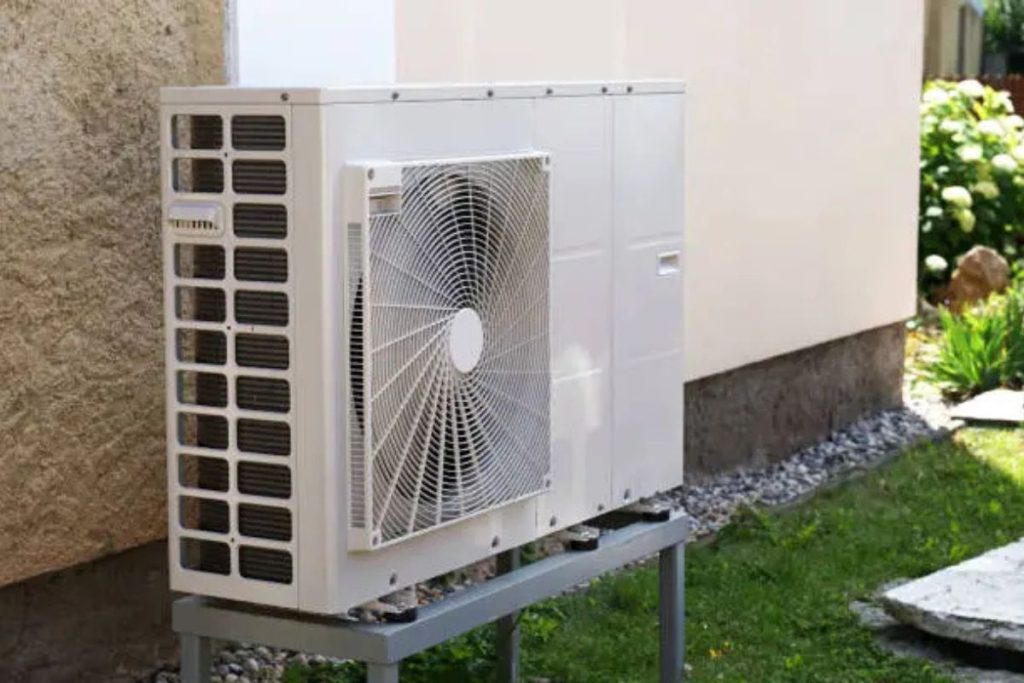
Don’t try to guess the right size. Professionals utilize industry-standard software to determine precise heating and cooling load requirements. You obtain a heat pump that operates at optimum efficiency when you choose the correct size.
Understanding Seasonal Performance Factors
The Seasonal Performance Factor (SPF) functions as an indicator of energy efficiency for heat pumps throughout their operational period. A higher SPF indicates better energy efficiency. People living in different climates must evaluate cooling performance along with heating season numbers.
Choose Dual or Variable Speed heat pump models that have high HSPF ratings since they adjust to changing heating demands while maximizing comfort. Advanced defrost controls in units boost efficiency when temperatures drop by reducing interruptions. Knowing these aspects enables you to make an intelligent investment decision.
Optimal Installation Practices
The efficiency of air source heat pumps first requires careful installation considerations. The installation efficiency of your air source heat pump depends on selecting an optimal location and determining whether to hire a professional or install it yourself while making sure ductwork and airflow are correctly configured.
Choosing the Ideal Location
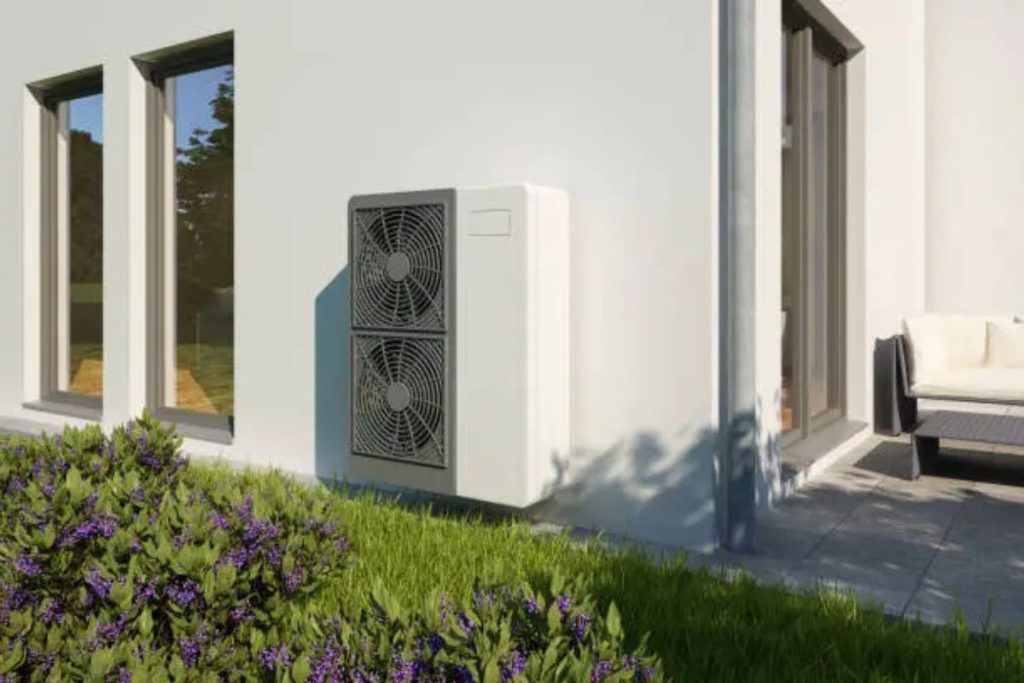
It’s vital to choose the correct location for your heat pump. Install the unit outdoors in locations that have unrestricted airflow and are distant from any trees or structures that might block the air movement.
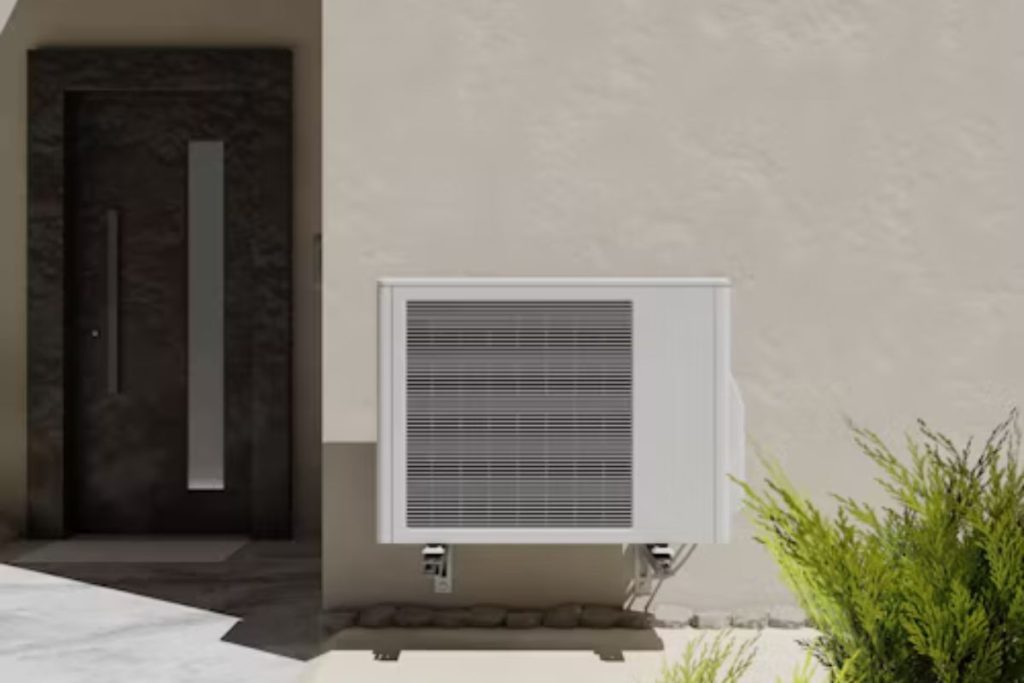
Install the unit on a solid surface to stop vibrations and minimize noise. The installation should not be done in areas that accumulate snow or ice which may affect the heat pump’s performance.
The indoor unit should be positioned within an open space to allow for balanced airflow distribution. The pump operates more efficiently and saves energy when it is installed correctly. Consider clearance requirements and manufacturer instructions as you determine the installation site.
Professional Installation vs. DIY
Choosing between professional installation services and a do-it-yourself approach carries important implications. Technicians with specialized training ensure the unit reaches its highest performance levels while optimising energy efficiency during professional installation.
Local codes and regulations knowledge in professionals helps prevent unexpected problems for you.
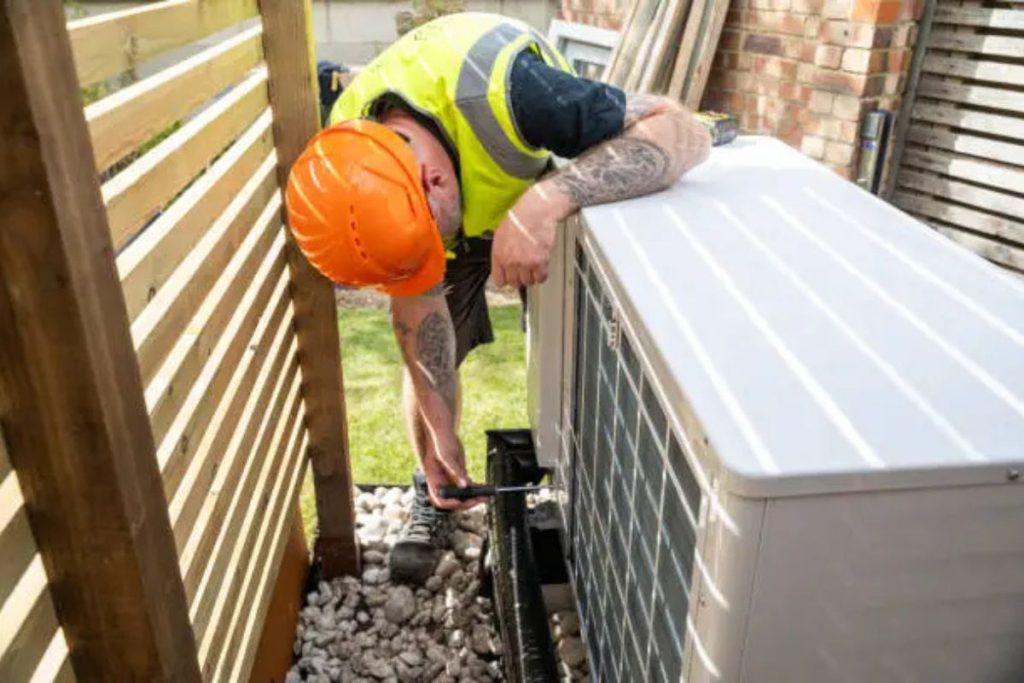
Installing it yourself might reduce initial costs yet could result in problems if executed incorrectly. Lack of proper knowledge can result in operational challenges and potential voidance of warranties.
Successful DIY installations depend on precise planning paired with an understanding of technical specifications. Make sure to evaluate your technical skills and review the manufacturer’s instructions before moving forward.
Proper Ductwork and Air Flow
Correctly designed and installed ductwork is essential. Ducts that leak or don’t match the right size result in wasted energy and decreased system performance. Enclosing ducts with insulation helps maintain conditioned air flow and reduces energy loss.
Select superior materials and follow established installation procedures. Balanced airflow distribution results in uniform heating or cooling throughout all rooms.
Ensure that registers and vents remain free from obstructions to enable unrestricted airflow throughout the space. Prevent dust and debris accumulation in your ductwork through regular maintenance to guarantee that your heat pump operates efficiently and consistently. System performance and lifespan improve when ductwork receives adequate attention.
Routine Maintenance and Upkeep
The efficient performance of your air source heat pump depends on regular maintenance. The maintenance procedure requires cleaning tasks and inspections throughout seasonal transitions combined with necessary filter replacements.
Regular Cleaning Schedules
Your heat pump’s performance can suffer when dirt and debris accumulate. A routine cleaning schedule ensures proper airflow by preventing blockages in the system. Conduct monthly inspections of the outdoor unit to ensure there are no leaves or dirt and debris present. Carefully clean the heat pump fins and coils by using a soft broom or brush.
Examine the vents within the house to make sure no dust accumulates there. Vacuuming the designated areas boosts your system’s efficiency while also increasing its operational lifespan. Routine cleaning minimizes wear and tear which allows your system to work more efficiently.
Seasonal Inspections
As seasons change your heat pump’s operational efficiency will also change. Begin the heating and cooling seasons with a complete system inspection. The inspection requires checking electrical connections as well as refrigerant levels along with system pressure measurements.
A professional technician should perform a detailed inspection for reliable results. Professionals can discover concealed problems such as coil leaks and compressor malfunctions. The early detection of problems helps reduce energy expenses while avoiding sudden equipment failures. By following this proactive approach your system will operate without issues throughout the year.
Filter Replacements
Dirty filters block airflow which makes your system operate under greater strain and leads to higher energy consumption. You should change your air filters at intervals of 1 to 3 months according to the system’s usage and the directions provided by the filter manufacturer. High-quality filters work better at eliminating dust and allergens to maintain clean indoor air.
Homes that have pets or accumulate high dust levels should change filters more often. Following a proper filter replacement timeline results in improved air quality while enhancing heating and cooling efficiency. Maintaining clean filters ensures protection for the system while boosting its overall efficiency.
Smart Thermostat Integration
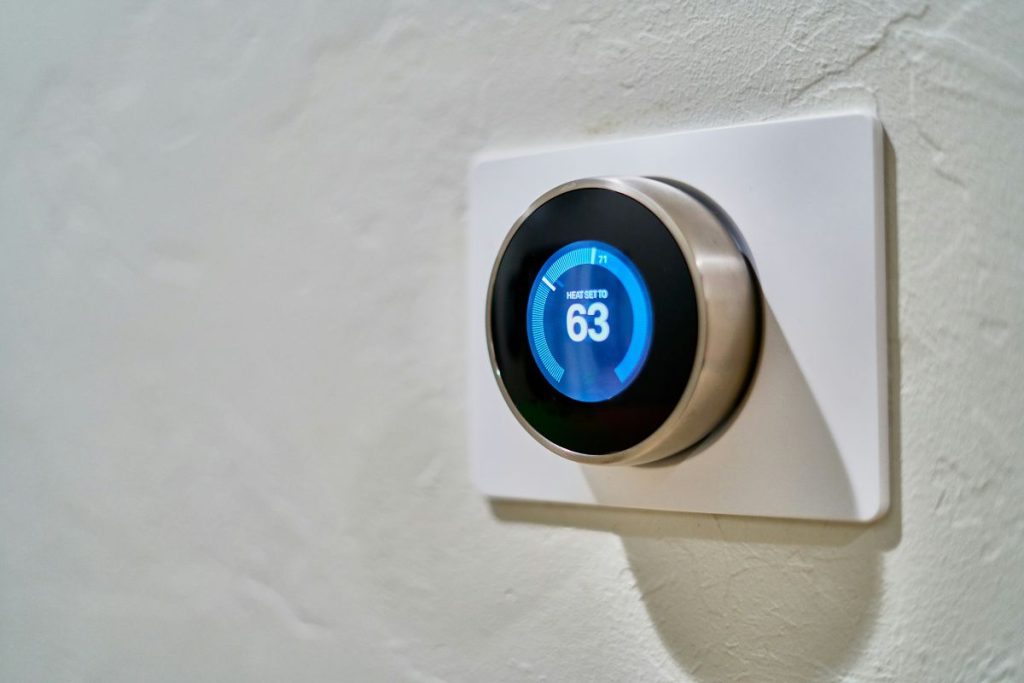
A smart thermostat can boost your air source heat pump’s efficiency when integrated properly. These devices automate settings and deliver useful usage insights which enable you to conserve energy and minimize expenses.
Programming for Efficiency
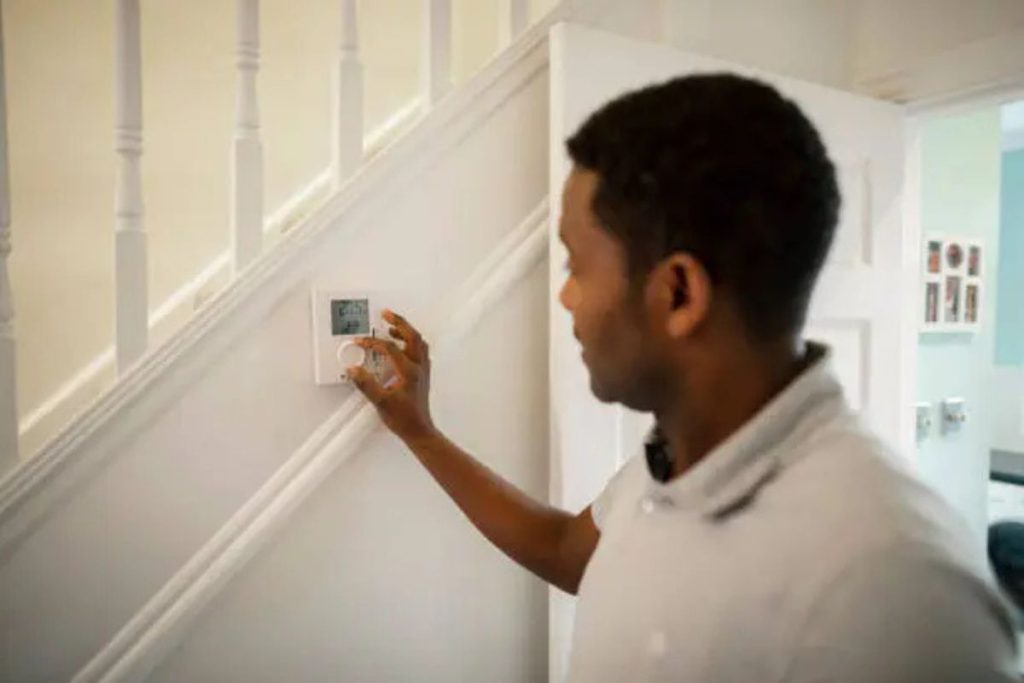
A smart thermostat provides complex programming functions to maximize heat pump performance. The smart thermostat lets you create precise schedules to match your household’s routine and ensures heating or cooling systems operate only when required. Multiple models support user programming for various specific daily time slots as well as designated weekly days. Key benefit: reducing unnecessary energy use.
Adaptive learning features allow the thermostat to learn from your habits and automatically adjust its settings accordingly. The thermostat detects your nightly temperature reduction preference and starts applying it automatically.
Remote Monitoring and Control
Remote monitoring gives you the power to manage your home’s temperature settings from any location which leads to reduced energy waste. Through an app on your smartphone you have the ability to change settings from any location regardless of distance. Did you leave the heat on while hurrying out the door? Open the app to apply the needed adjustments.
Real-time notifications alert you to deviations such as sudden temperature shifts to maintain seamless system operation. A sense of peace of mind creates a better environment and saves energy.
Energy Usage Analysis
Smart thermostats monitor your air source heat pump to record and evaluate its energy consumption data. Detailed reports and trend analysis enables you to understand usage patterns while pinpointing potential improvement areas. Are certain rooms consuming more energy? Are there times when usage spikes unexpectedly?
This information enables you to take informed actions such as scheduling adjustments or additional investments in energy conservation initiatives. Benefit: Your home benefits from clear energy savings and reduced costs while becoming more environmentally friendly.
A smart thermostat serves as a fundamental device for achieving efficient energy management.
Conclusion
Optimising your air source heat pump efficiency goes beyond energy bill savings to establish a sustainable household that complements your way of living. Each step from choosing the correct unit through installation to regular maintenance and smart technology implementation helps improve performance while extending system longevity.
Images courtesy of unsplash.com and pexels.com.