Thoughtful planning and smart choices make it possible to create a bright and airy home while maintaining energy efficiency. Designing an open and welcoming home while keeping energy bills low requires the strategic use of natural light combined with energy-efficient materials.
The balance between environmental benefits and living space improvements delivers enhanced comfort and aesthetic value to your home, along with enhanced energy efficiency.
Begin your home design process by exploring how natural light can enhance your living space. Strategically placed skylights and large windows combined with light-coloured walls enhance natural brightness while reducing dependence on artificial lighting sources. The sun’s natural rays serve a dual purpose by illuminating your space and providing warmth during cold seasons.
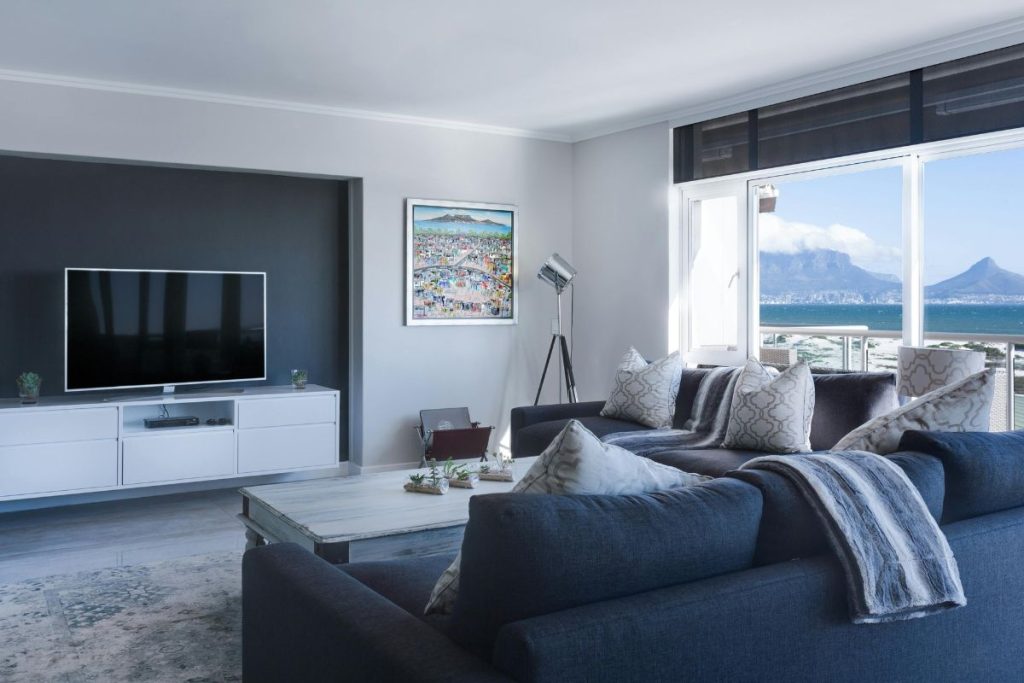
Material choice is just as important. Energy-efficient windows and insulation maintain a comfortable home environment while cutting down on heating and cooling demands. These materials provide steady indoor temperatures and deliver long-term savings by reducing energy use. You can achieve energy efficiency while still enjoying the open and refreshing atmosphere that you want.
Maximizing Natural Light
Introducing additional natural light into your home helps establish a welcoming and lively atmosphere. Through proper window placement combined with appropriate treatments you can achieve well-lit rooms while maintaining good energy performance. When you seek advice from a double glazing company you will find valuable expertise for choosing high-performance windows that deliver maximum insulation while maintaining both style and natural lighting.
Strategic Window Placement
The placement of windows strongly influences the amount of natural light entering your home. Windows facing east bring in warm morning light which makes them perfect for areas where daily activities begin. South-facing windows deliver continuous sunlight throughout the day which aids passive solar heating during cooler seasons.
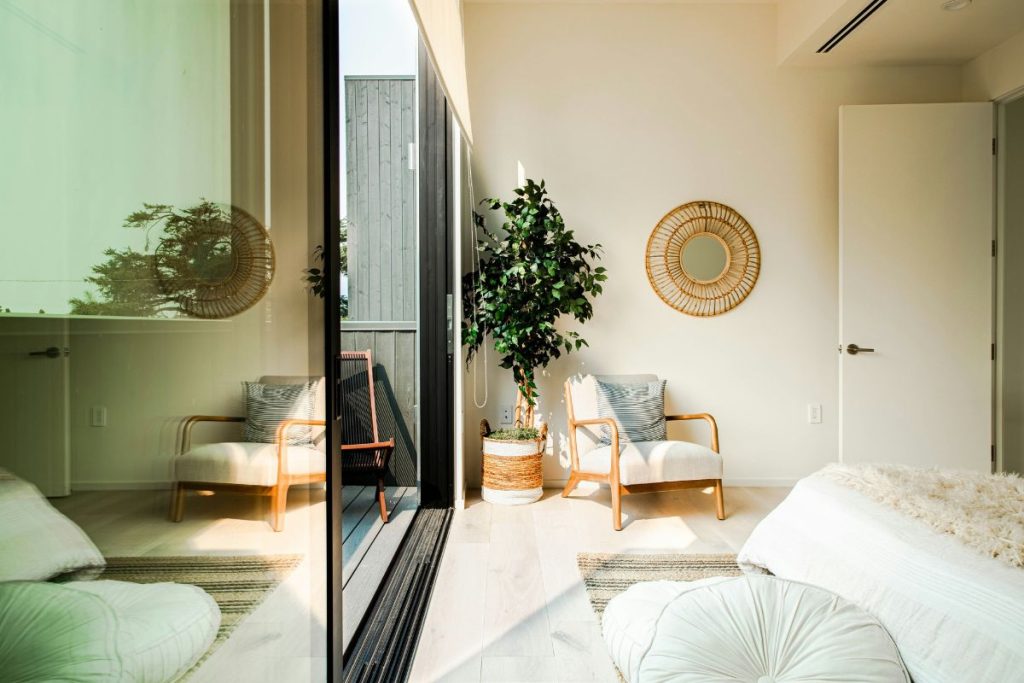
Skylights and clerestory windows should be installed in interior spaces to maximize light penetration. These design features enable sunlight to penetrate further into the home which results in better overall illumination. Transom windows above doors in multi-story homes serve as a design option to move light between different levels.
Maintain open views by positioning furniture strategically and ensuring window spaces remain clear of clutter. Positioning large mirrors opposite windows allows them to bounce light into darker areas of the room which increases its overall brightness.
Choosing the Right Window Treatments
Choosing appropriate window treatments enables effective light management while preserving energy efficiency. Sheer curtains create private spaces by softly distributing sunlight across the room. These window treatments give rooms a gentle and breezy atmosphere while still allowing light to pass through.
Dual-layered shades or blinds offer flexible adjustments for both direct sunlight control and privacy needs. Customizations of these treatments allow you to achieve a balance between letting in light and reducing glare according to your preferences.
Thermal curtains and energy-efficient cellular shades maintain interior temperatures by reducing energy loss through large glass areas. Opting for light-coloured fabrics will reflect sunlight which keeps spaces bright and comfortable.
Proper window treatments support the balance between natural light preferences and energy efficiency requirements which creates practical and visually appealing spaces.
Insulation and Energy Efficiency
Achieving better energy efficiency in your home depends on making the right insulation choices. High-performance materials selection goes hand in hand with properly sealed air leaks and consideration of thermal mass material advantages.
High-Performance Insulation
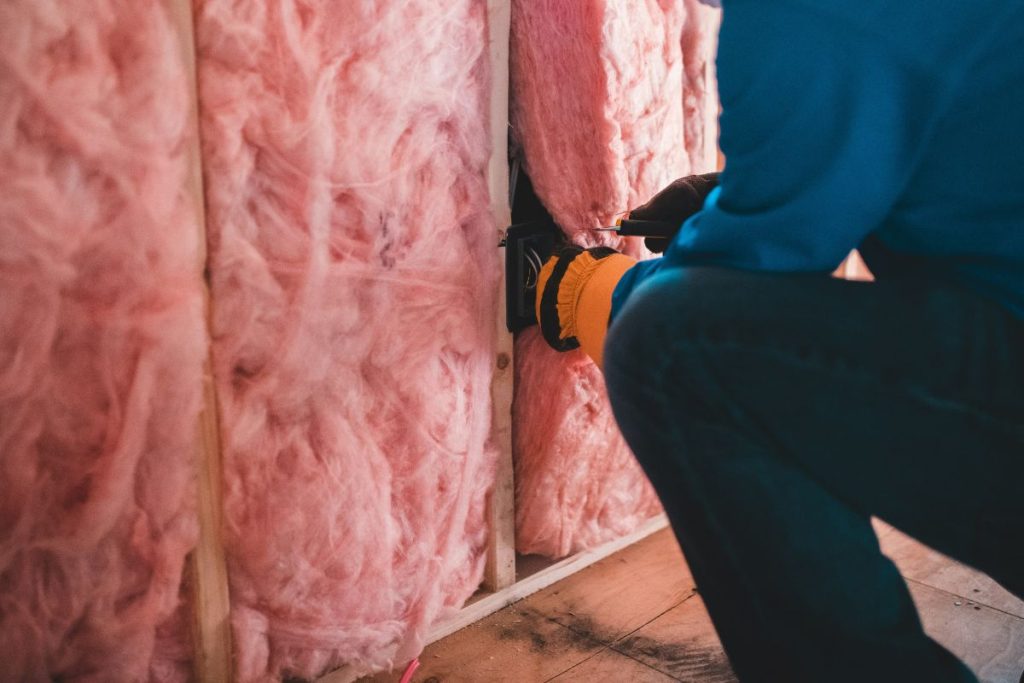
High-performance insulation materials help to greatly minimize energy loss in buildings. Fiberglass, foam board, and spray foam stand out as common insulation choices. Fiberglass remains a popular insulation material because it delivers excellent thermal resistance at a low cost. Foam board provides great insulation while maintaining a slim profile which helps conserve space.
Spray foam creates a strong barrier by expanding to fill gaps which prevents air leakage. The R-value represents how well insulation can resist heat flow. Higher R-values mean better insulating power. Your selection process should conform to local construction regulations and regional weather conditions.
Sealing Air Leaks
Air leaks are sneaky energy thieves. Your conditioned air escapes through leaks while drafts invade your space. Inspect windows, doors and electrical outlets for any gaps. Weatherstripping offers an uncomplicated yet powerful way to seal gaps around doors and windows.
You can use caulk to seal cracks and gaps effectively. The attic, basement, and areas around fixtures should be your main focus since they often act as major sources of air leaks. Consistent maintenance of seals helps prevent their deterioration which maintains energy efficiency.
Thermal Mass Materials
Concrete along with brick and stone work as heat retainers by absorbing warmth throughout daylight hours and giving it back when the temperature decreases. This helps reduce heating and cooling demands. Thermal mass functions as an organic regulator of indoor temperatures.
Placement is crucial. Place thermal mass components in locations that allow direct exposure to sunlight or proximity to heat sources. The design should achieve a balance between visual appeal and functional efficiency. Insulation enables homeowners to achieve both light-filled spaces and reduced energy consumption.
Sustainable Lighting and Electrical Design
A home can achieve both brightness and energy efficiency through appropriate lighting design and electrical strategies. To achieve optimal light quality and energy savings it is essential to include LED lighting solutions and integrate smart home systems with solar power.
LED Lighting
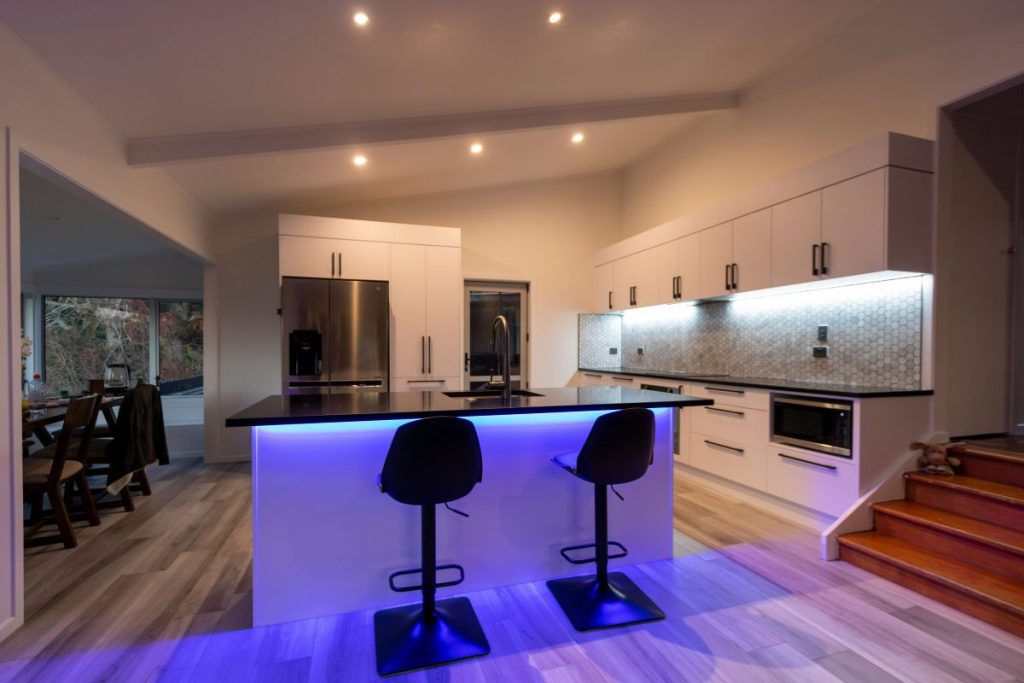
LED lighting upgrades both your home’s ambiance and energy efficiency through substantial cost savings. LED lights require 75% less energy consumption compared to incandescent bulbs and they function for up to 25 times longer.
Different colour temperatures for LED lights enable you to set the ideal atmosphere for every room. Select warm colours for relaxation zones and cool colours for functional spaces such as kitchens. LED lights generate less heat which maintains cooler home temperatures in summer months to enhance energy conservation.
Smart Home Systems
Smart home systems integration leads to better energy efficiency and provides greater convenience for daily activities. The use of smart lighting controls through motion sensors and programmable timers allows lights to operate strictly when necessary.
Automating your lighting schedules helps to cut down on unnecessary energy consumption which consequently lowers your electricity costs. Voice-controlled systems deliver great flexibility because you can modify your lights for any event without making any physical adjustments. Your home efficiency and daily living experience will greatly benefit from smart technology investments.
Solar Power Integration
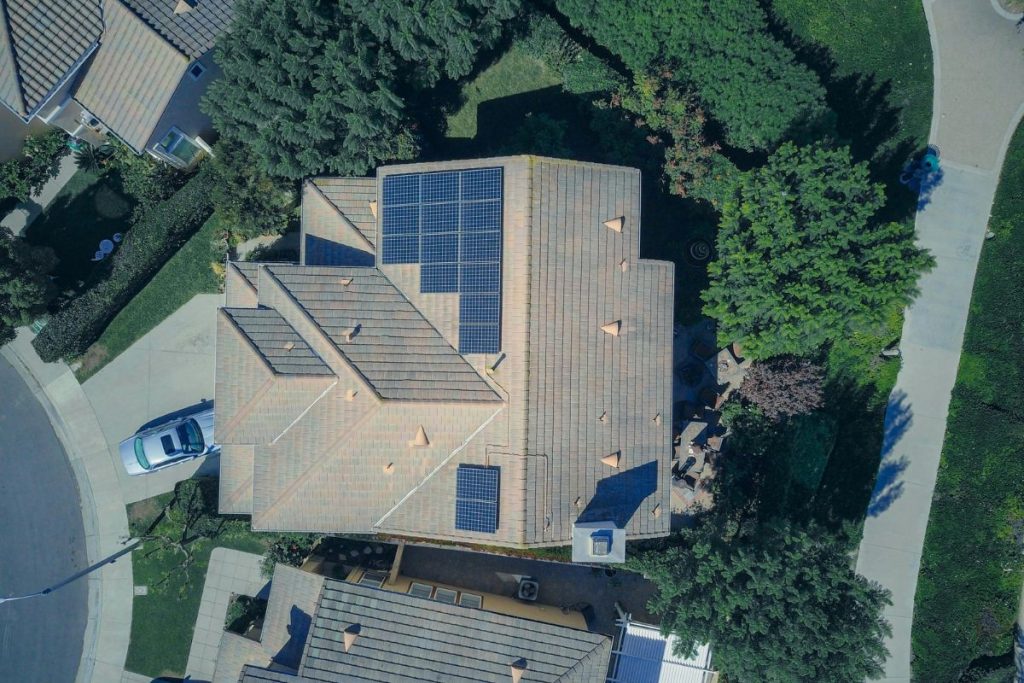
Solar power integration provides an eco-friendly solution for home power needs and helps reduce energy costs. Solar panels supply renewable power and enable you to push excess energy into the grid through net metering which may result in earning credits.
An efficient integrated system emerges when solar panels operate together with LED lighting and smart technologies. Tax incentives from several governments create a financially beneficial opportunity for solar panel installations. Sunlight enables you to power your home using environmentally sustainable methods.
Colour Palette and Reflective Surfaces
Selecting appropriate colours helps create a home that feels bright and spacious. Soft whites along with pastels and light greys help expand the perceived size of spaces. The surfaces reflect more light which creates an inviting atmosphere. An off-white ceiling creates the appearance of more vertical space. This basic modification creates the impression of increased space in rooms.
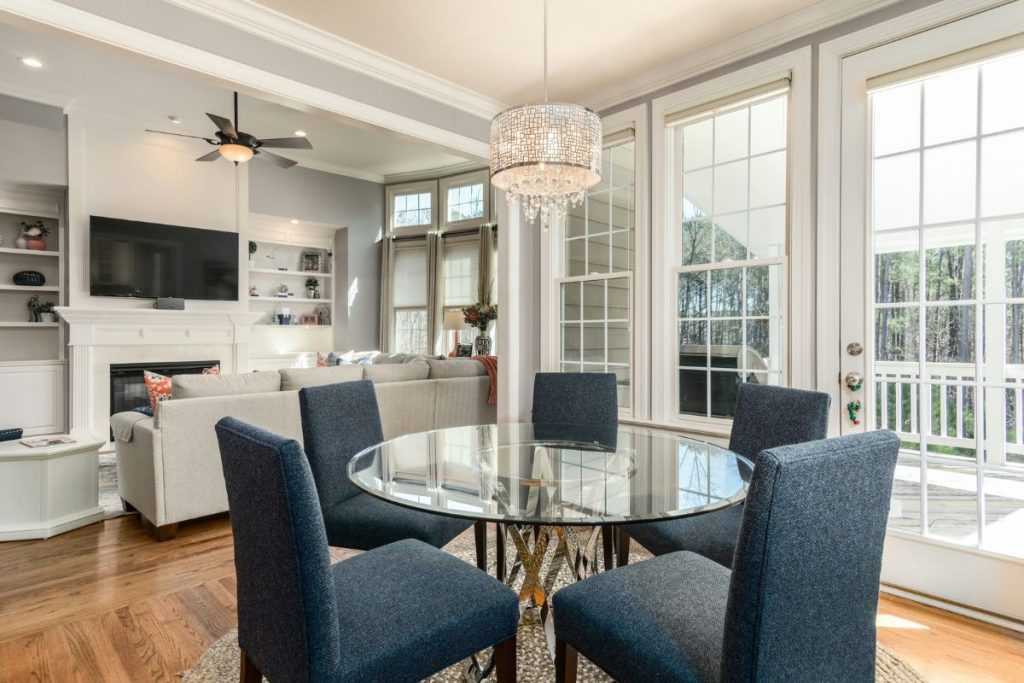
Reflective surfaces help preserve brightness while keeping energy consumption at an optimal level. Use mirrors strategically to reflect natural light. Install mirrors across from windows or set them in shaded areas. Mirrored furniture and decorative items bring elegance to your home while helping to spread light across your spaces.
For floors, consider light-coloured woods or tiles. Rooms appear more spacious because a high-gloss finish reflects light throughout the space. Opt for light neutral-coloured carpets if you want to maintain a bright appearance.
Elements with metallic finishes such as chrome, brass, or stainless steel work excellently to produce a shiny effect. Fixtures, railings and décor items make it simple to include these elements. They reflect light throughout the space which enhances the desired bright and airy atmosphere.
To complete your bright color scheme, introduce elements of texture and warmth. Spaces remain more inviting when you incorporate natural elements such as wood, bamboo, and wool rather than sterile finishes. Combining different textures adds depth along with character to your home which makes it feel welcoming and vibrant.
Conclusion
Energy efficiency remains achievable when creating a bright and airy home design. Making deliberate decisions such as working with a double glazing specialist for enhanced windows while integrating smart lighting solutions and eco-friendly materials allows you to build a space that exudes openness and friendliness while being environmentally conscious. By blending natural light, clever design, and energy-saving strategies, your home can truly offer the best of both worlds: comfort and sustainability, without compromise.
Images courtesy of unsplash.com and pexels.com.