A bathroom vanity unit is more than just a functional piece—it’s a key design element that can elevate the look and efficiency of your space. Whether you’re renovating or just upgrading, choosing the right vanity can make all the difference in storage, style, and overall usability.
With so many options available, it’s easy to feel overwhelmed. But don’t worry! This guide will walk you through everything you need to consider, from size and materials to style and installation, helping you find the perfect bathroom vanity unit.
1. Consider Your Bathroom Size and Layout
Before you start browsing styles, take a good look at your bathroom layout.
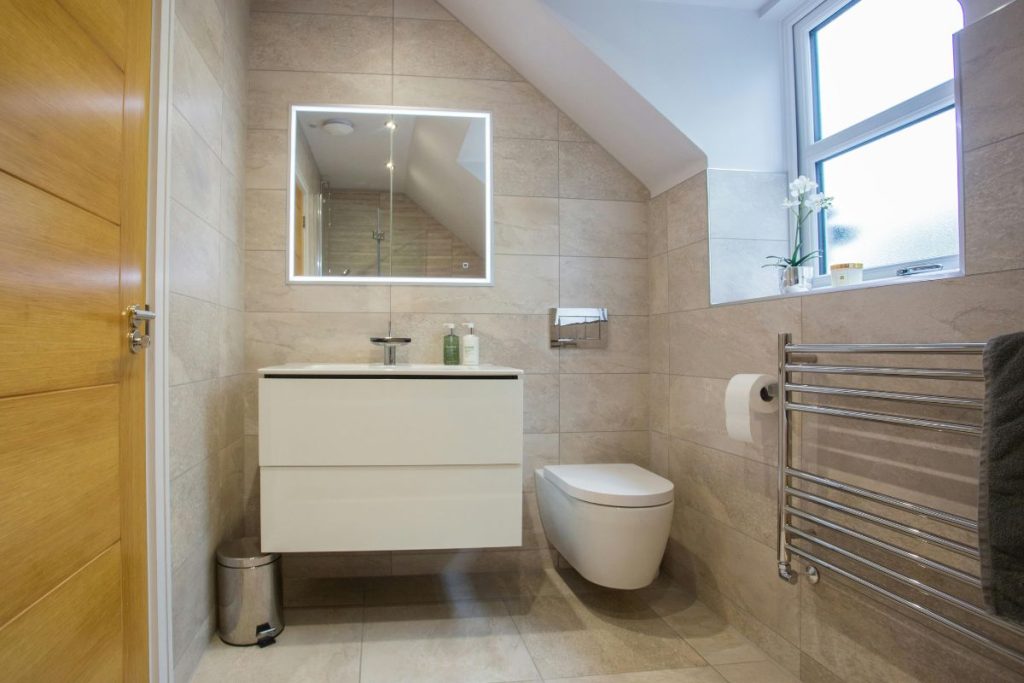
- Measure your space carefully to determine how much room you have for a vanity without making the area feel cramped.
- Think about clearance space—you need enough room to open cabinet doors and drawers without hitting anything.
- Decide between a single or double vanity based on your needs. If you have a larger bathroom or share it with a partner, a double vanity could be a game-changer.
If your bathroom is compact, don’t worry—there are plenty of space-saving vanity options that won’t sacrifice style or functionality. You can buy stylish bathroom vanity units here.
A particularly striking choice for a modern aesthetic is a navy blue bathroom vanity, which can serve as a bold focal point even in a small space.
2. Freestanding vs. Wall-Mounted: Which One to Choose?
There are two main types of vanity units: freestanding and wall-mounted (floating). Each has its benefits, depending on your space and style preference.
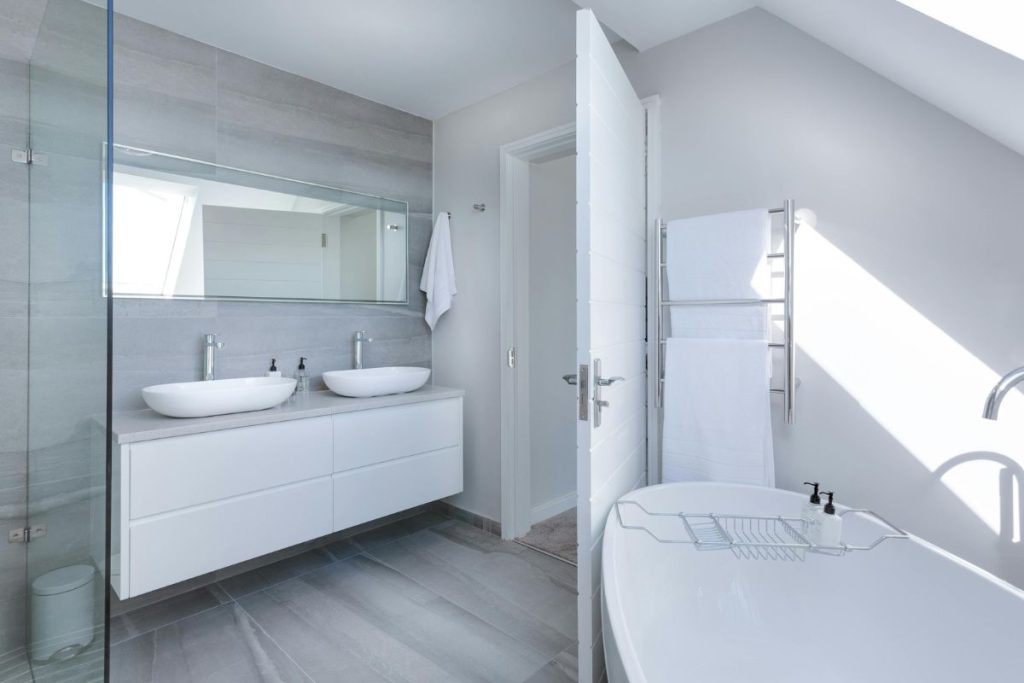
- Freestanding vanities are the traditional choice, offering more storage and stability. They’re great for larger bathrooms and come in a variety of designs.
- Wall-mounted vanities create a sleek, modern look while making your bathroom feel more spacious. They also make cleaning easier since there’s no base touching the floor.
If you love a contemporary aesthetic and need extra floor space, go for a wall-mounted option. If storage is your priority, a freestanding vanity is a solid choice.
3. Storage and Functionality Needs
Think about what you actually need to store in your vanity. Do you have a lot of toiletries, spare towels, or cleaning supplies?

- Drawers are perfect for organising smaller items like makeup, razors, and skincare products.
- Cupboards work well for bulkier items, like spare toilet rolls or cleaning products.
- Open shelving gives easy access to daily essentials and adds a stylish touch, but it requires more effort to keep tidy.
Look for built-in storage solutions like drawer dividers or hidden compartments to maximise organisation and keep your vanity clutter-free.
4. Choosing the Right Material for Durability
Bathrooms are high-moisture environments, so picking a durable material is crucial. Here are some popular options:
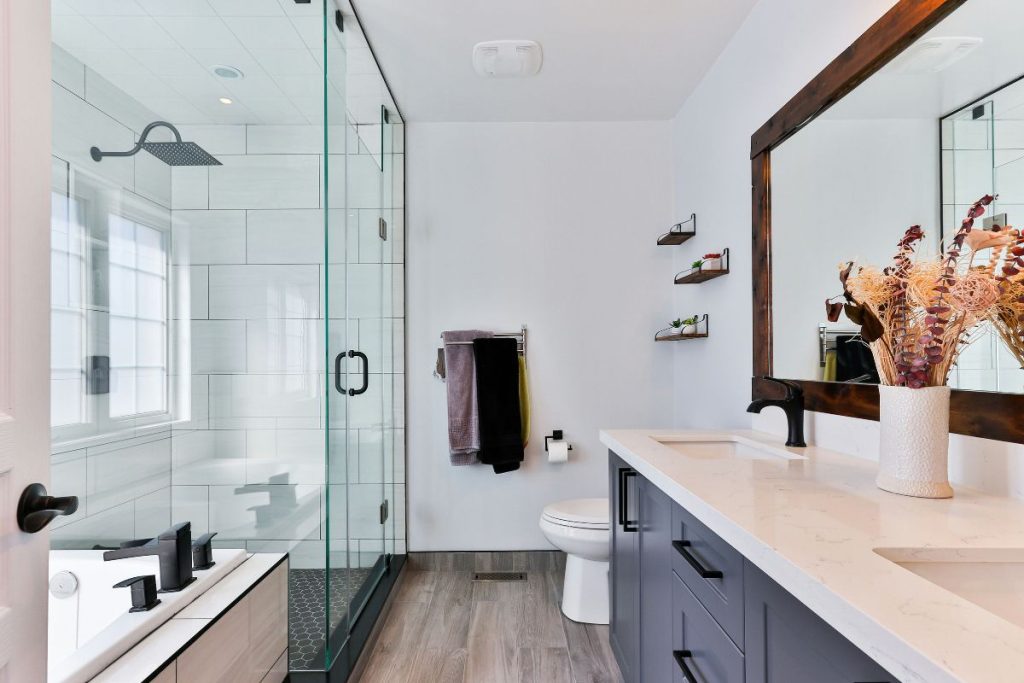
- Solid wood – Classic and durable but needs proper sealing to prevent warping.
- MDF (Medium-Density Fibreboard) – Budget-friendly but less resistant to water.
- Plywood – A great balance between cost and durability, with better moisture resistance than MDF.
- Metal or glass – Stylish and modern but requires regular cleaning to maintain its look.
For a long-lasting vanity, choose materials that are moisture-resistant and easy to clean.
5. Style & Aesthetic Choices
Your vanity should blend seamlessly with the rest of your bathroom decor.
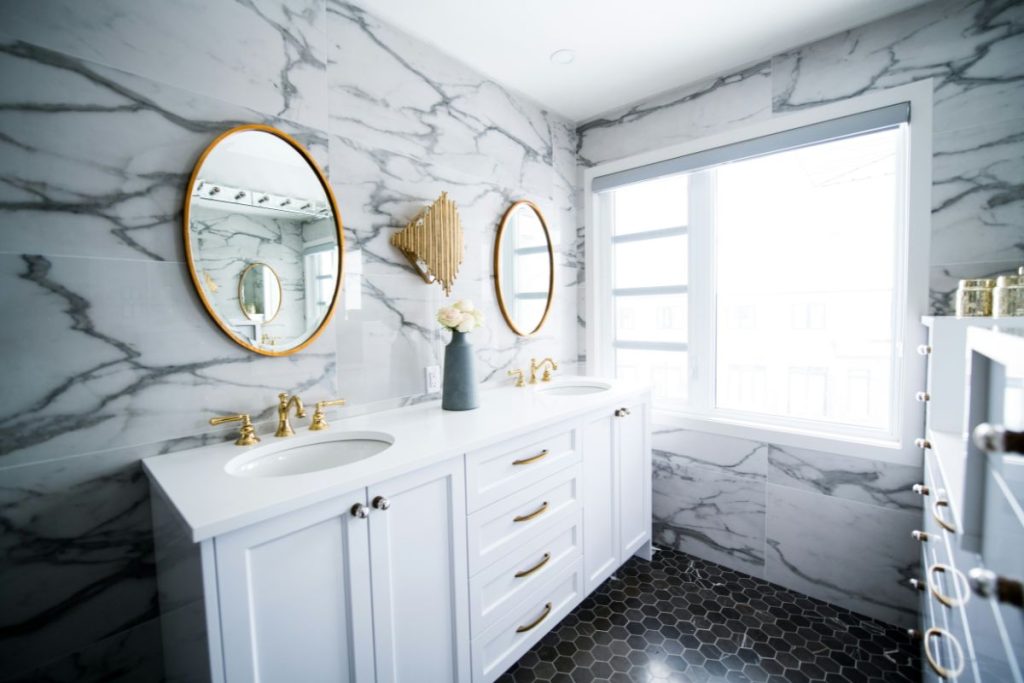

- Modern bathrooms suit sleek, floating vanities with neutral tones or bold matte finishes.
- Rustic bathrooms look great with wooden vanities and natural textures.
- Classic styles pair well with freestanding units featuring elegant detailing.
Don’t forget the small details! The right handles, taps, and mirror can tie everything together beautifully.
Tips for Selecting a Bathroom Vanity Unit
Know the Dimensions
Of course, you need to make sure you have the right size of vanity unit for your bathroom. It’s recommended that you take measurements so you know the maximum size that fits well in the space. Then, when you’re shopping for a nice design, look at the width, height and depth. You should also think about your practical needs and whether you’re looking for a large sink area or if you’d rather have something compact that allows a small bathroom to appear more spacious.
Consider the Installation
It doesn’t matter whether you’re installing the vanity unit yourself or you’re hiring an expert for your bathroom renovations; you need to consider the installation of the unit. There are two common ways this can be done. It can stand on the floor, or it can be hung on the wall. Both create different styles, with floor standing being more traditional, while wall hung creates a floating design for spaciousness and to keep water away from the base.
Understand the Storage
While style is important, you also need your vanity unit to be practical. Designs will have different storage options, ranging from a few drawers to shelves and cupboards. Consider how many people live in your home and the number of toiletries you have. You might also have a personal preference based on organisation and where you like to find items.
Check the Basin
Some bathroom vanity units are going to come with the sink basin included. While this can drive up the price, it can ensure the right design and everything is fitted correctly. However, if you already have a basin, you need to select a design without one so that it can be installed.
Conclusion
Choosing the perfect bathroom vanity unit is all about balancing style, functionality, and durability. By considering your bathroom layout, storage needs, materials, and budget, you can find the ideal vanity that enhances your space while making your daily routine easier.
Images courtesy of unsplash.com and pexels.com