

Lighting has the ability to transform an interior long before a room is fully furnished. While table lamps and wall lights help establish atmosphere, a carefully chosen chandelier can define the architecture of the entire space. In contemporary interiors, chandeliers are no longer reserved for grand entrance halls or traditional dining rooms. Sculptural forms, natural materials, hand-finished metalwork and beautifully worked glass have made statement ceiling lighting an important element of modern interior design.
The challenge is choosing a chandelier that feels considered rather than simply decorative. Scale, proportion, material, light quality and its relationship with the surrounding furniture all matter.
Start with the Architecture of the Room
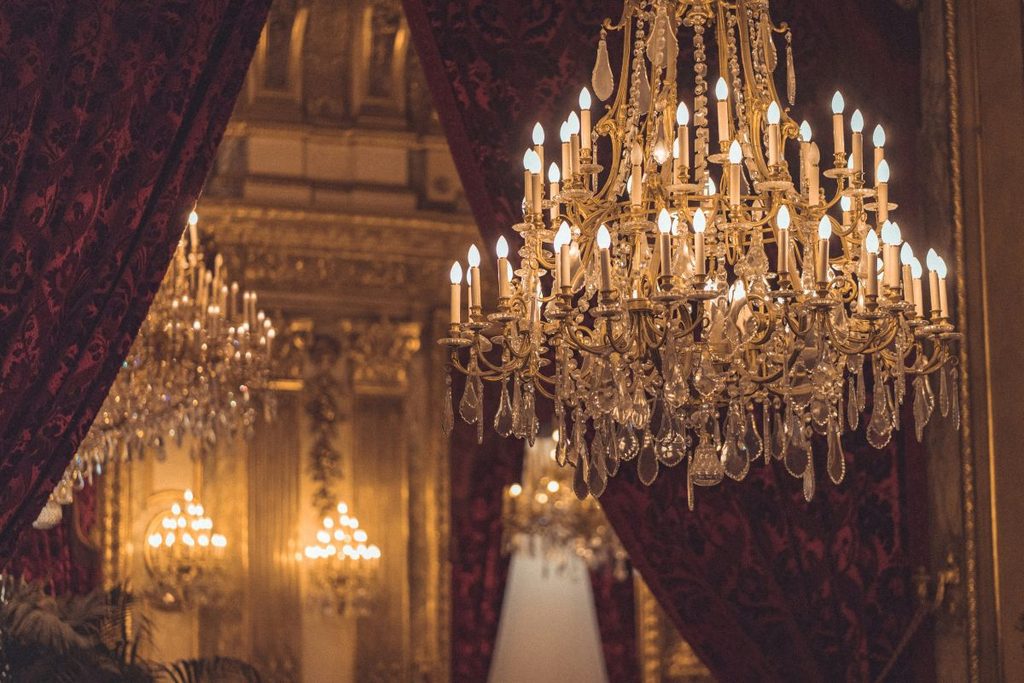
Before considering colour or finish, look at the proportions of the space.
Ceiling height is particularly important. A chandelier that appears impressive in isolation may feel disproportionately large in a modest room, while an undersized fitting can disappear in a double-height entrance hall or expansive living area.
Large chandeliers work particularly well where the architecture provides enough visual space around them. This may include:
- double-height living rooms;
- entrance halls and stairwells;
- rooms with vaulted ceilings;
- large dining rooms;
- open-plan living spaces.
In these settings, the chandelier can become an architectural feature rather than simply a source of illumination.
Smaller rooms can still accommodate statement lighting, but the design often needs to be visually lighter. Glass, open metal frameworks and delicate branching forms can create presence without making the ceiling feel heavy.
Consider the Chandelier as Part of the Interior Composition
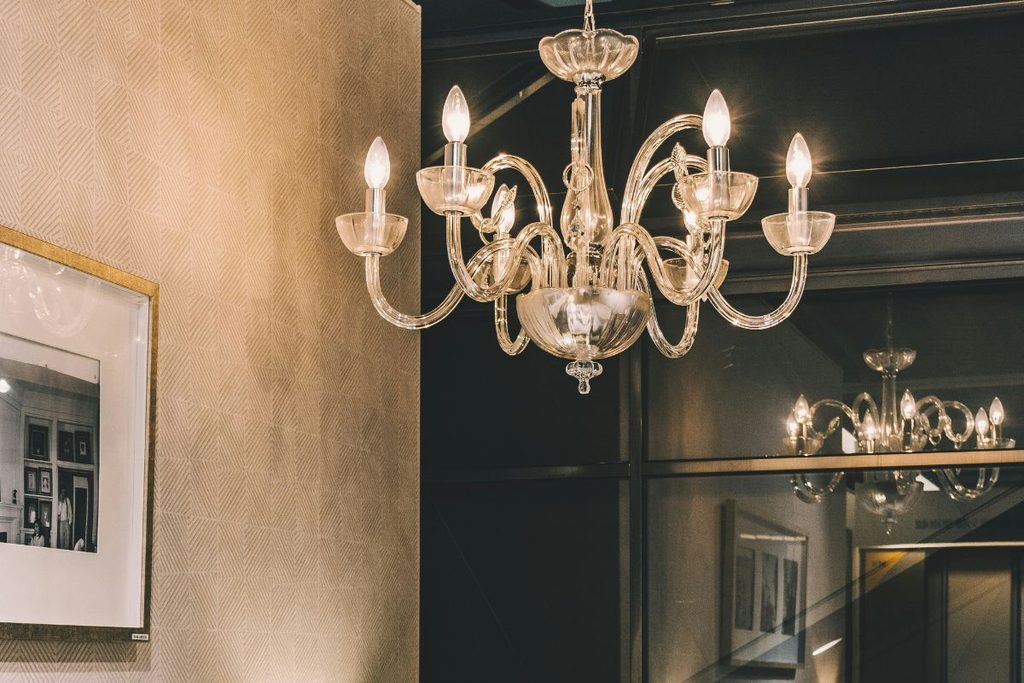
One of the most common mistakes when selecting statement lighting is treating it as an isolated decorative object.
A successful chandelier should have a visual relationship with the rest of the room.
A brass chandelier, for example, does not require every piece of furniture to contain brass. Subtle repetition is usually more sophisticated: a warm metallic detail in a console table, mirror frame or occasional table may be enough to create continuity.
The same principle applies to shape.
A chandelier composed of rounded glass forms can soften a room dominated by straight architectural lines. Conversely, a structured geometric chandelier can provide definition within a softer interior featuring curved seating and organic furniture.
The objective is not perfect coordination. It is visual balance.
Choose Materials That Add Depth
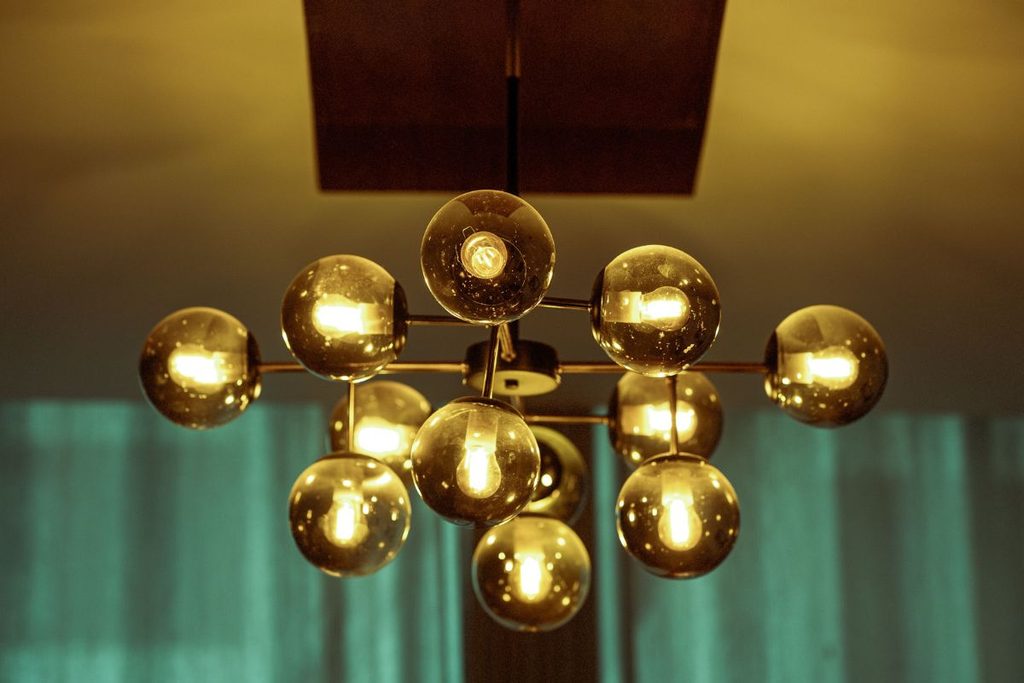
Material has a significant influence on how luxurious lighting feels.
Glass remains particularly effective because it interacts with both natural and artificial light. Clear, smoked, frosted and textured glass each create a different effect and can alter how visually substantial a chandelier appears.
Crystal offers greater brilliance and is especially effective where the lighting itself is intended to become the focal point of the room.
Brass and warm gold-toned metals introduce richness without requiring excessive ornamentation. Dark iron and black finishes provide stronger contrast and can work beautifully in contemporary, industrial and modern-classic interiors.
Natural materials can create an entirely different character. Alabaster, shell, wood and other tactile finishes bring softness and individuality, particularly where the design relies on the natural variation of the material.
Exploring collections of luxury chandeliers can be particularly useful at the early design stage because it demonstrates how dramatically the character of a room can change through differences in material, scale and form.
Think Carefully About Scale Above a Dining Table
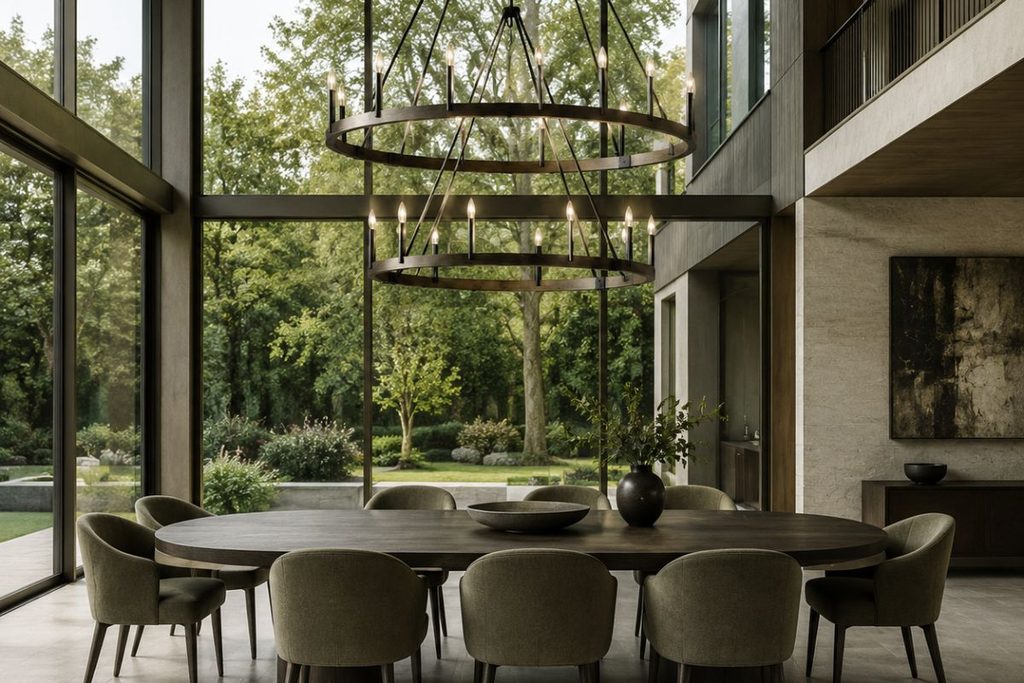
A chandelier positioned above a dining table has two roles: it must provide appropriate illumination while visually connecting the dining area.
The table itself provides a useful reference point for scale.
A substantial dining table can accommodate a much stronger lighting feature than a small four-seater table. Long rectangular tables may work particularly well with elongated chandeliers or compositions that distribute light horizontally, while round tables naturally suit circular or clustered forms.
The fitting should also be positioned carefully.
Hung too high, it may lose its relationship with the table. Hung too low, it can interrupt sightlines and make conversation uncomfortable.
The ideal result should feel as though the chandelier and dining table were considered together rather than selected independently.
Use Statement Lighting to Define Open-Plan Spaces
Open-plan interiors can be visually impressive, but without clear focal points they sometimes lack structure.
Lighting can solve this problem.
A chandelier positioned above a dining table immediately establishes the dining zone, even when the kitchen, dining and living areas occupy one continuous space.
The same approach can be used above a central seating arrangement or within a large entrance area.
Rather than adding physical partitions, the lighting creates visual hierarchy while allowing the architecture to remain open.
This is particularly effective in contemporary homes where furniture and lighting are expected to define the function of each area.
Do Not Be Afraid of Sculptural Lighting
Some of the most successful modern chandeliers resemble sculpture as much as traditional lighting.
Branching structures, asymmetrical glass arrangements, oversized globes, cascading forms and architectural metal frames can introduce movement into otherwise restrained interiors.
This type of lighting works particularly well when the surrounding design provides enough visual calm.
If a room already contains several competing focal points, introducing another highly decorative feature may weaken the overall composition. Conversely, in an interior built around a restrained palette and carefully chosen furniture, a sculptural chandelier can provide exactly the level of character required.
Luxury is often created through restraint rather than abundance.
One exceptional object will frequently have greater visual impact than several decorative pieces competing for attention.
Consider How the Chandelier Looks When It Is Switched Off
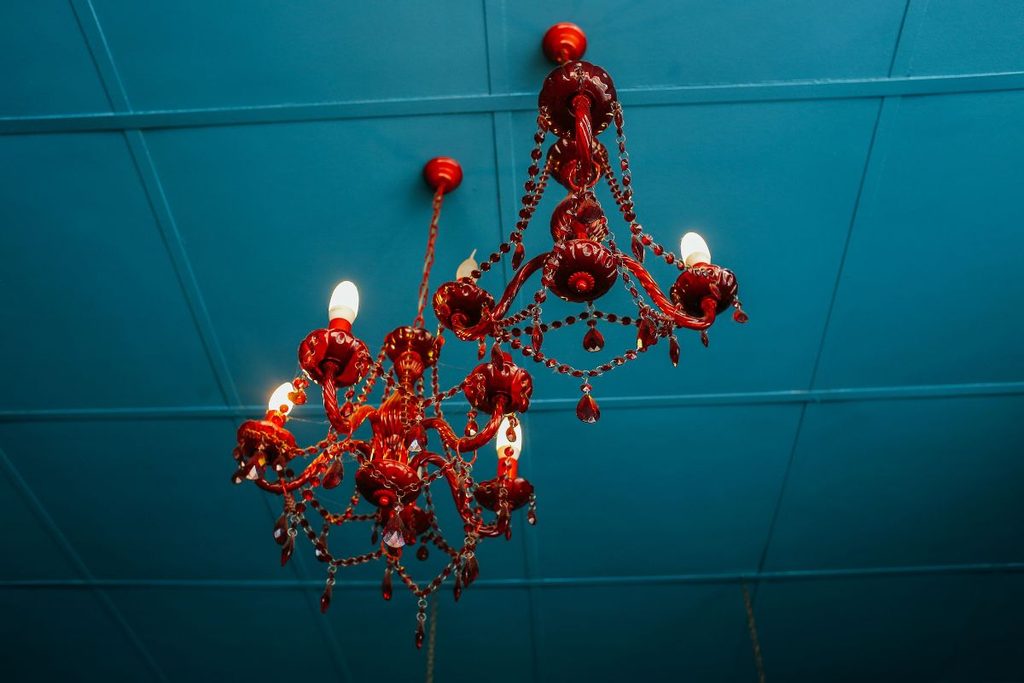
A chandelier spends much of the day unlit.
Its form, materials and proportions therefore matter even when it is not providing light.
During daylight hours, glass can reflect the surrounding architecture, polished metal can introduce warmth, while sculptural elements cast changing shadows as natural light moves through the room.
This is one of the reasons statement lighting deserves the same attention as furniture.
A well-designed chandelier should contribute to the interior throughout the day rather than becoming interesting only after dark.
Layer the Lighting Rather Than Relying on One Source
Even a spectacular chandelier should rarely be responsible for all the lighting within a room.
Sophisticated interiors usually combine several sources at different heights.
A chandelier may provide the central visual feature, while wall lights create architectural depth, table lamps introduce pools of softer light and floor lamps provide practical illumination close to seating areas.
This layered approach makes the room more adaptable and creates a warmer atmosphere in the evening.
It also prevents an increasingly common design mistake: installing an impressive ceiling light and then relying on it as the only source of illumination.
Choose Character Over Short-Lived Trends
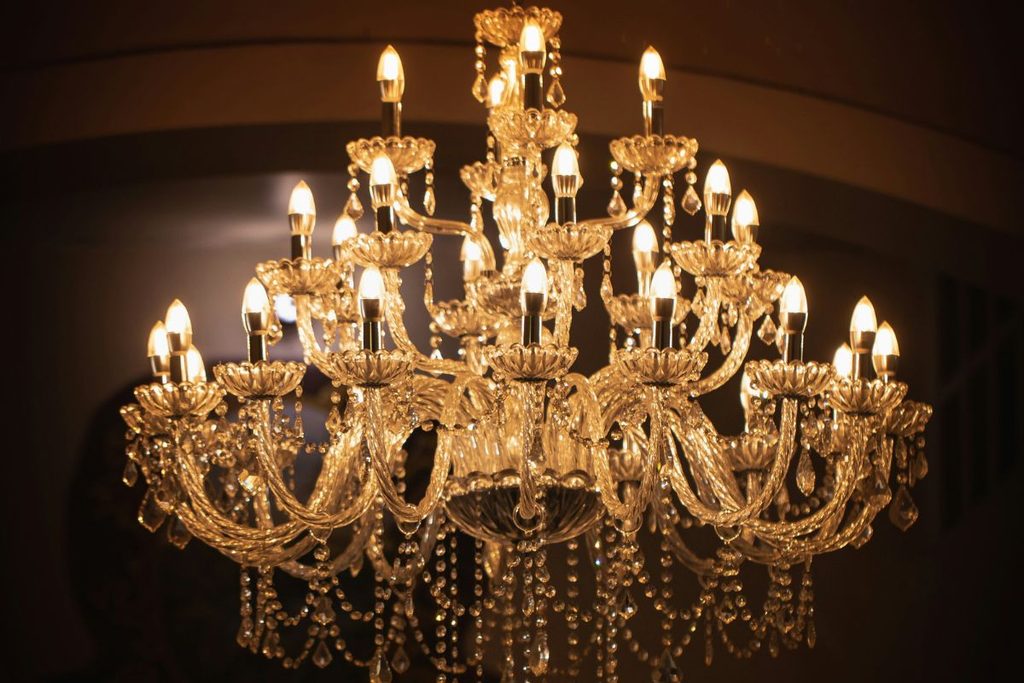
Lighting trends change, but chandeliers are relatively permanent features.
For that reason, choosing solely according to what is currently fashionable can be expensive.
Instead, consider whether the design has strong proportions, appropriate materials and a form that genuinely complements the architecture of the property.
Distinctive does not necessarily mean fashionable.
A beautifully proportioned glass chandelier, a sculptural brass design or a dramatic black iron fitting can remain relevant for many years when it has been chosen for the right space.
The Final Consideration
The best chandelier is not necessarily the largest or most decorative design.
It is the one that feels inevitable within the room.
Its scale should correspond with the architecture, its materials should contribute to the wider interior and its form should create interest without overwhelming the space.
When these elements are carefully balanced, a chandelier becomes more than lighting. It establishes a focal point, creates atmosphere and gives the room a stronger sense of identity.
For interiors where every piece is selected with intention, that distinction matters.
Images courtesy of pexels.com and unsplash.com








1 thought on “How to Choose a Luxury Chandelier: A Guide to Statement Lighting for Modern Interiors”
Comments are closed.