A diamond showroom is one of the most carefully engineered rooms you will ever walk into, and almost nobody notices. The lighting is not lighting. It is a small array of narrow, intense beams, mounted overhead and aimed downward, chosen precisely because that arrangement makes faceted stones do the thing faceted stones do. Put a mediocre diamond under it and it will perform. Put a superb one under it and it will also perform. That is the problem.
So before you choose a stone, choose the room. Picking a diamond shop in Singapore is not really about who holds the biggest inventory, since a good deal of stock is shared and shown from the same virtual lists. It is about whether you will be allowed to see clearly, and whether anyone will tell you what the paperwork does not say.
The room is not neutral

None of this is a conspiracy. Spotlights make diamonds look good, shops sell diamonds, so shops install spotlights. It would be odd if they did not. The trouble is that whoever ends up wearing the ring will not be wearing it in that room.
They will wear it in an office under flat ceiling panels, in a lift, outdoors under cloud, and across a dinner table lit by one candle and somebody’s phone. Those are the real test conditions, and not one of them involves a halogen pin-spot hovering above their hand.
So ask to step away from the display. Walk to a window. Take it out to the corridor. A confident shop simply hands it over. A nervous one explains why the light out there is not ideal, and that sentence is worth listening to closely.
Nobody calls them certificates

Here is a small thing that turns out to be a large thing. Everybody says GIA certified. GIA does not. Its own FAQ states that GIA does not certify or appraise any material submitted for analysis, and it calls what it issues reports, not certificates.
That matters because of what the report leaves out. GIA says a diamond report is not a certificate or guarantee and does not indicate a diamond’s monetary value. Elsewhere it is blunter still: a grading report is not the same thing as an appraisal, and no appraisal value is stated.
So the document being held up as justification for the price contains no price. It describes the stone in careful detail and says nothing at all about whether you are being charged a sensible amount for it. Those are two different questions, and only one of them is on the paper.
One stone tells you nothing
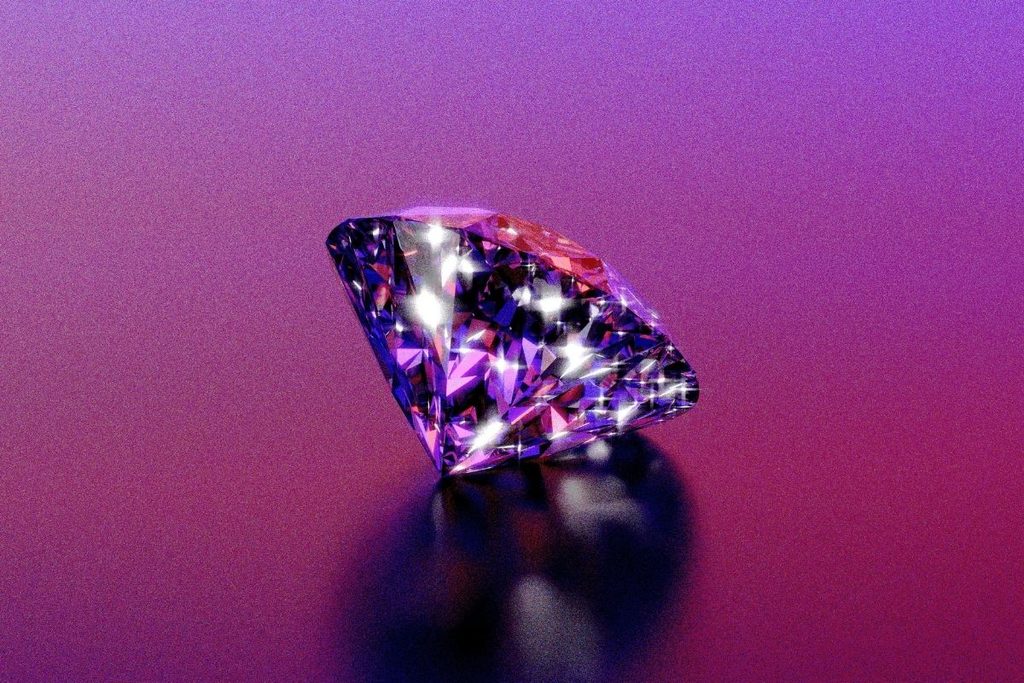
The human eye is hopeless at absolute judgements and rather good at comparisons. Shown one diamond, you will think it is beautiful, because diamonds are beautiful. Shown two, you will see instantly which is brighter, and nobody will need to explain why.
This is the most useful thing a physical shop can do for you, and it is reason enough to choose one shop over another. Ask to see three stones together, on one tray, in the same light, at the same moment.
While they are lined up, watch for four things.
• Which one still looks bright when you tilt it away from the lamp
• Which one goes dark in the middle when your head blocks the light
• Which one throws crisp flashes rather than a soft general glow
• Whether the difference survives in a dimmer corner of the shop
If a shop will only ever show you one stone at a time, you are not being served. You are being managed.
Questions that change the answer
A short list sorts shops quickly, mostly because of how the answers arrive rather than what is in them.
Ask for the report number and look it up yourself before you pay anything. Ask whether they can show light performance imaging of that exact stone. Ask what they would not recommend for you, and why. Then ask, straight out, what the resale reality looks like, and notice whether you get a figure or a change of subject.
None of that is aggressive. They are the questions of somebody who fully intends to buy, which is exactly why the answers tell you so much.
What happens after the sale
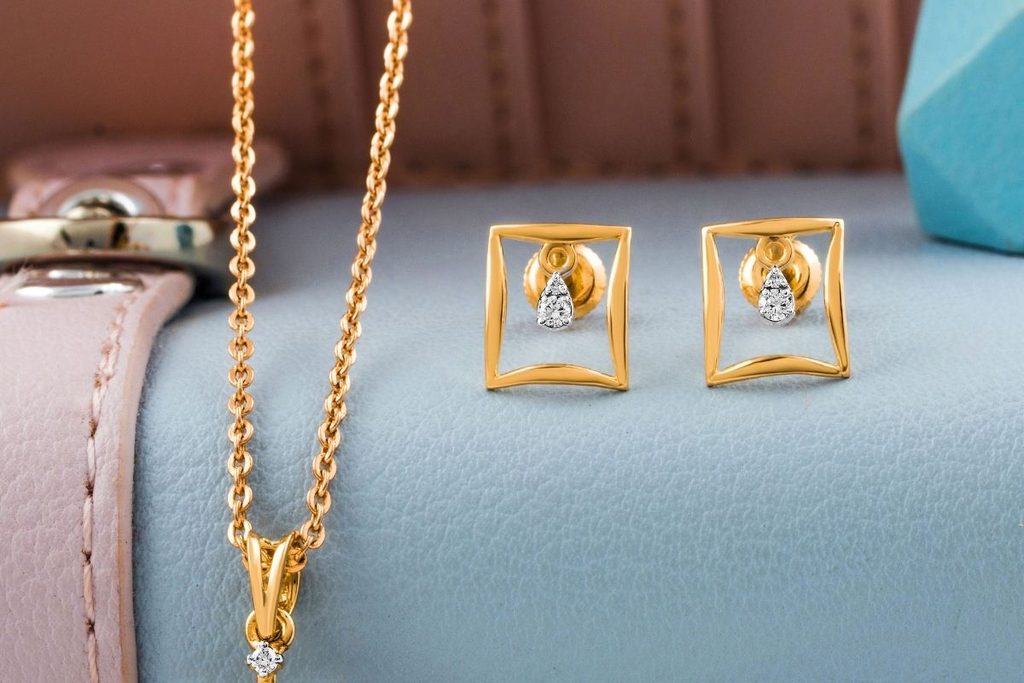
This is the part nobody asks about while feeling romantic, and the part that matters for the next forty years. Rings need resizing. Prongs work loose. Settings dull and want repolishing. Stones occasionally need resetting.
So ask who does that work, where it happens, and what it costs. A shop with its own workshop answers straight away. A shop that sends everything out will hesitate, and the hesitation is your forecast for four decades of small repairs.
The stone will outlast every part of this, which is the strange and rather lovely thing about the purchase. The lighting rig, the velvet tray, the person who sold it to you, the shop itself, all of it goes eventually, and the diamond carries on doing precisely what it did in the display case. Which is why it is worth being mildly difficult for one hour. Ask for the window. Ask for the second stone. Read the report for what it actually says, which is a great deal about the diamond and nothing whatsoever about the price. Then go and enjoy it, for a very long time.
Images courtesy of unsplash.com, pexels.com and Freepix.com