Finding mould in your home can be worrying, especially when it returns after cleaning. The key thing to understand is that mould is often a sign of a moisture problem, not the main problem itself.
To stop mould from coming back, you need to find where the moisture is coming from. In some cases, a professional restoration water damage company can help locate hidden water damage and deal with the source.
Look for Signs of Water Leaks
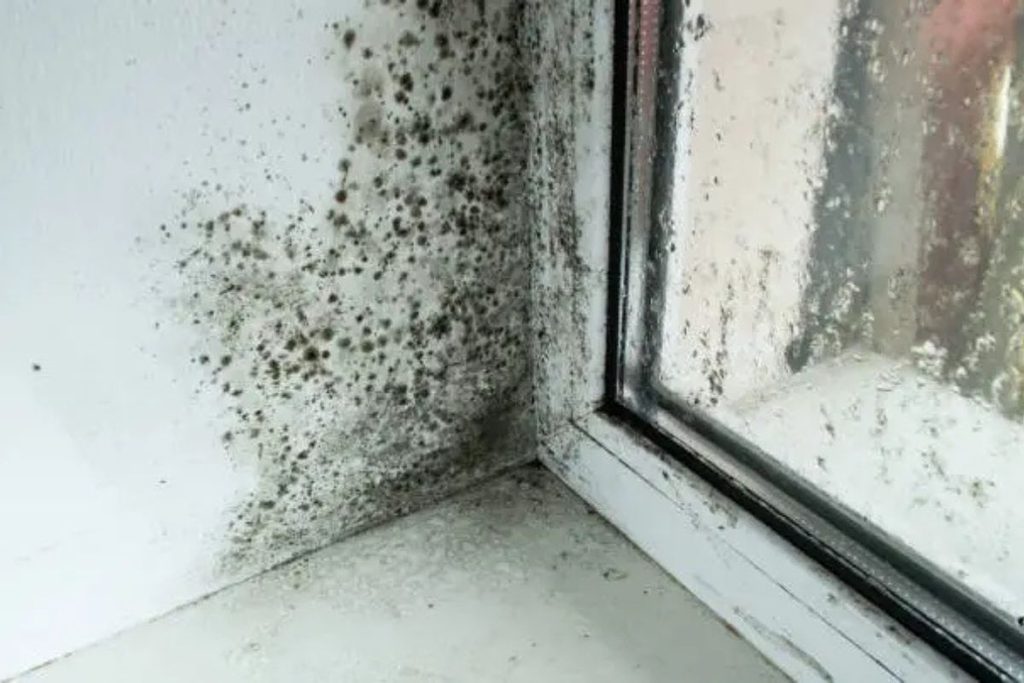
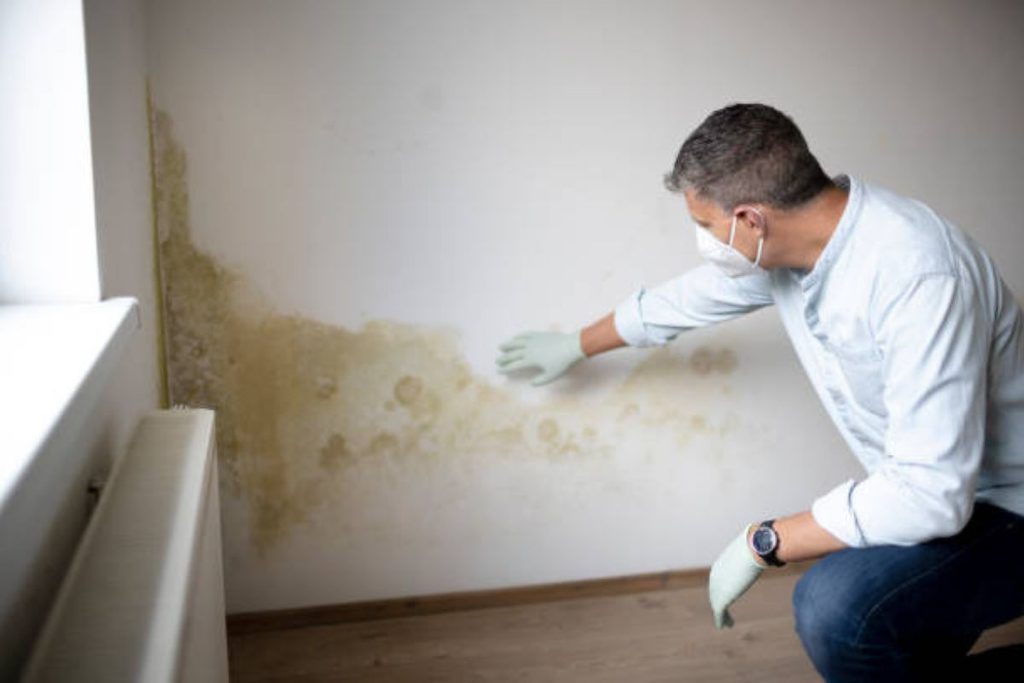
Start by checking areas where water is commonly used. Look under sinks, around toilets, behind washing machines, near showers, and around your water heater.
Watch for signs such as peeling paint, stained walls, swollen wood, damp flooring, or a musty smell.
A leaking pipe does not always create a large puddle. A slow leak inside a wall can keep materials damp for weeks, giving mould the conditions it needs to grow.
Check the Roof and Exterior
Mould on ceilings or near the top of walls could point to water entering from outside.
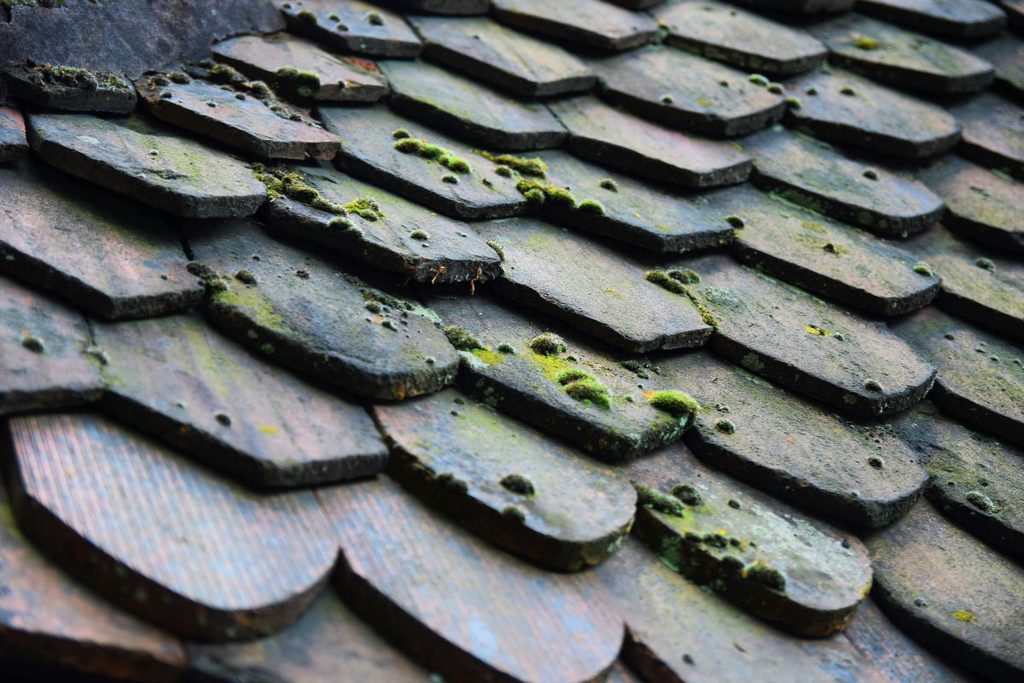
Check your roof for damaged or missing materials. Gutters should also carry rainwater away from the property instead of allowing it to run down exterior walls.
Windows and doors are other possible entry points. Failed seals or gaps can allow rainwater inside, especially during heavy storms.
Think About Condensation
Not every mould problem is caused by a leak.
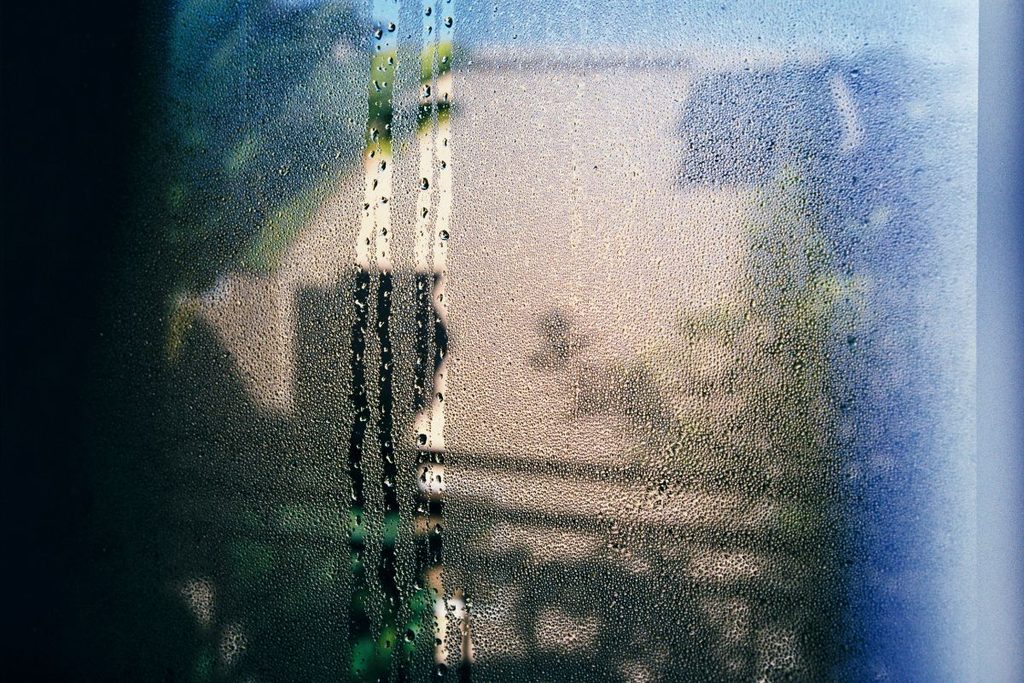
Condensation happens when warm, moist air touches a cold surface. You may notice it on windows, bathroom walls, or other cold areas.
Bathrooms and kitchens can create large amounts of moisture. Poor ventilation may allow that moisture to stay trapped indoors.
Using extractor fans, improving airflow, and controlling indoor humidity can help reduce condensation.
Look for Hidden Water Damage
Sometimes, the source is not easy to see.
Water can travel behind drywall, underneath flooring, or through insulation. The visible mould may even appear some distance from the original leak.
This is where a restoration water damage company can be useful. Professionals may use moisture meters and other equipment to find damp materials that are difficult to identify through a normal visual inspection.
Finding hidden moisture is important because simply painting over mould or cleaning the surface may not solve the problem.
Consider Previous Flooding or Water Incidents
Think about whether your home has had a leak, overflowing appliance, burst pipe, or flood in the past.
Even if the visible water was removed, moisture may have remained inside walls, flooring, cabinets, or other materials.
If these areas were not dried correctly, mould may develop later.
Fix the Moisture Before Treating the Mould
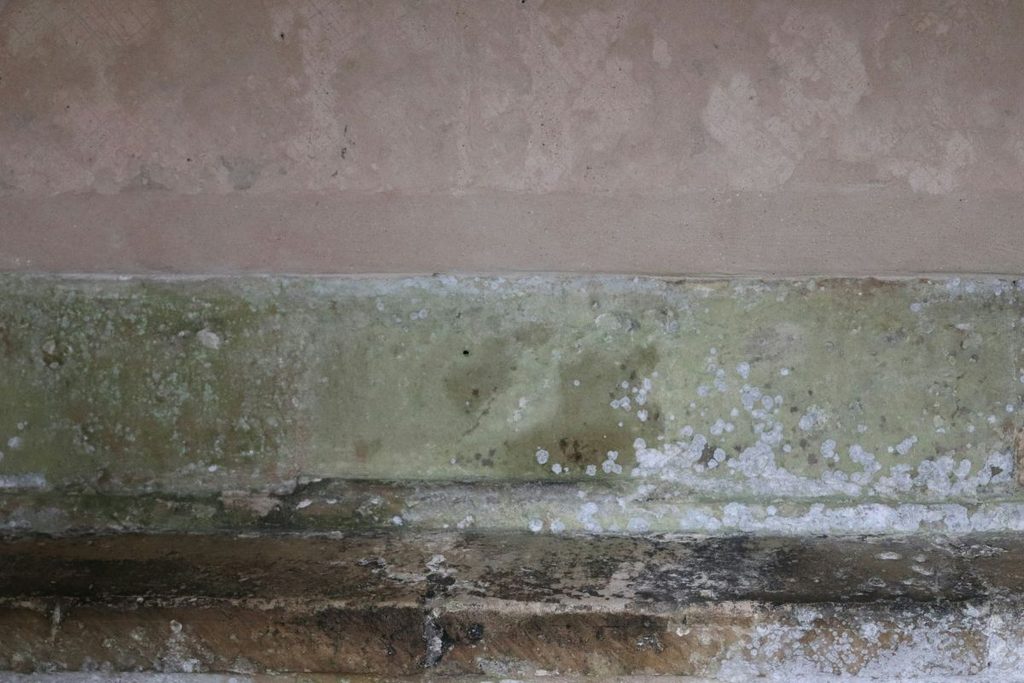
Cleaning visible mould without fixing the water source is usually a temporary solution.
First, identify and repair the leak, condensation issue, or other source of moisture. Wet materials may also need proper drying or replacement.
For widespread mould or suspected hidden water damage, contacting a qualified restoration water damage company can help you understand the extent of the problem.
The most important rule is simple: find the moisture first. Once the source is controlled and affected areas are properly dried, you have a much better chance of stopping the mould from returning.
Images supplied courtesy of unsplash.com and pexels.com