In the face of accelerating climate change, the growing demand for sustainable living solutions has turned eco-friendly home upgrades into essential investments for a sustainable future. Not only do these improvements help minimise environmental impact, but they can also lead to long-term savings on energy bills.
Below, we explore some of the most impactful eco-friendly home upgrades available today, with a particular focus on efficient air source heat pumps and other green innovations that can transform your home into a sustainable sanctuary.
Efficient Air Source Heat Pumps
One of the most transformative eco-friendly upgrades for any home is the installation of an efficient air source heat pump. These systems offer a greener alternative to traditional heating solutions by absorbing heat from the outside air and transferring it inside to heat your home and water. Even in colder temperatures, efficient air source heat pumps can effectively deliver warmth, reducing reliance on fossil fuels and significantly decreasing your carbon footprint.

Air source heat pumps are not only beneficial for the environment, but they can also save homeowners a substantial amount on energy bills over time. Given the rising costs of energy across the UK, this economic benefit is a compelling reason for many to consider this upgrade. Furthermore, many local councils in the UK offer incentives or grants for installing these systems, making the transition more affordable.
Solar Panels
Harnessing the power of the sun via solar panels is another excellent way to turn your home into an eco-friendly powerhouse. Solar panels convert sunlight into electricity, significantly reducing your dependence on grid power and, subsequently, lowering your carbon emissions. With advancements in technology, solar panels have become more efficient and less obtrusive, making them suitable for a wide range of home styles, with the help of a good solar installer.
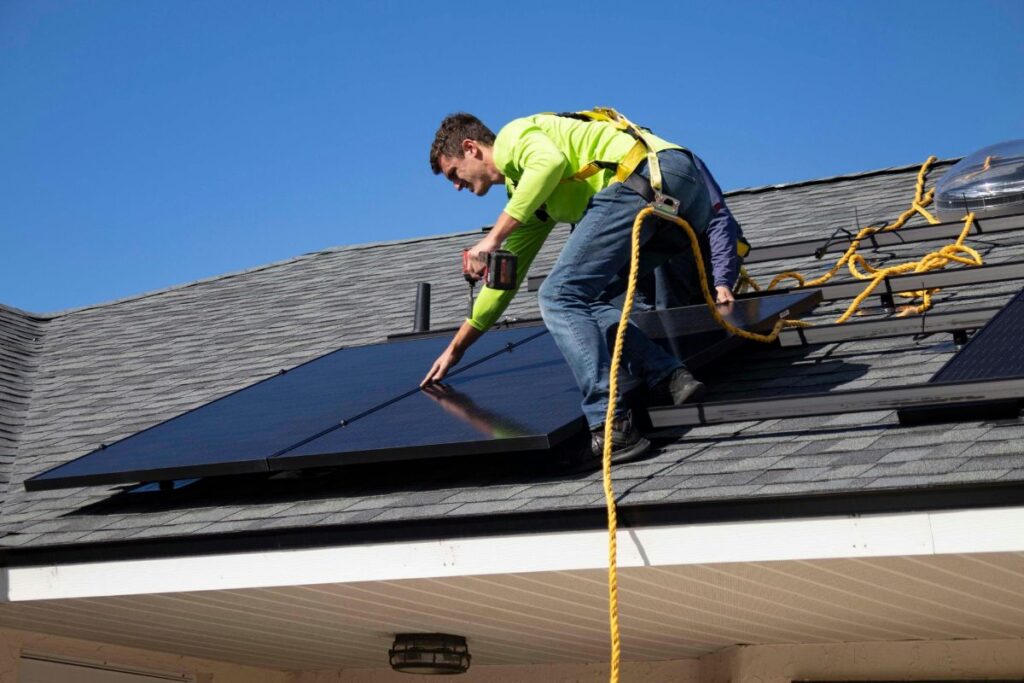
The financial benefits of solar panels are also noteworthy. The UK Government’s Smart Export Guarantee allows homeowners to sell excess solar-generated electricity back to the grid, potentially earning money and providing renewable energy to others. Over time, the savings on your energy bills can outweigh the initial installation costs, making solar panels a smart investment for environmentally conscious homeowners.
Energy-Efficient Windows
Upgrading to energy-efficient windows is another key step towards creating a sustainable home. Traditional windows often account for a significant amount of heat loss in households, leading to increased energy consumption for heating. Energy-efficient windows, made from advanced materials such as low-emissivity glass, minimise heat loss while allowing natural light to flood your home.

These windows not only help maintain a consistent indoor temperature, reducing the need for heating and cooling, but they also contribute to noise reduction and improved indoor air quality. The result is a more comfortable living environment, greater energy savings, and a lower impact on the planet.
Insulation Enhancements
Proper insulation is crucial for reducing energy consumption in any home. Poorly insulated homes require more energy to maintain comfortable temperatures, contributing to higher energy bills and increased greenhouse gas emissions. By upgrading your home’s insulation—whether in the walls, roof, or underfloor—you can dramatically improve its energy efficiency.
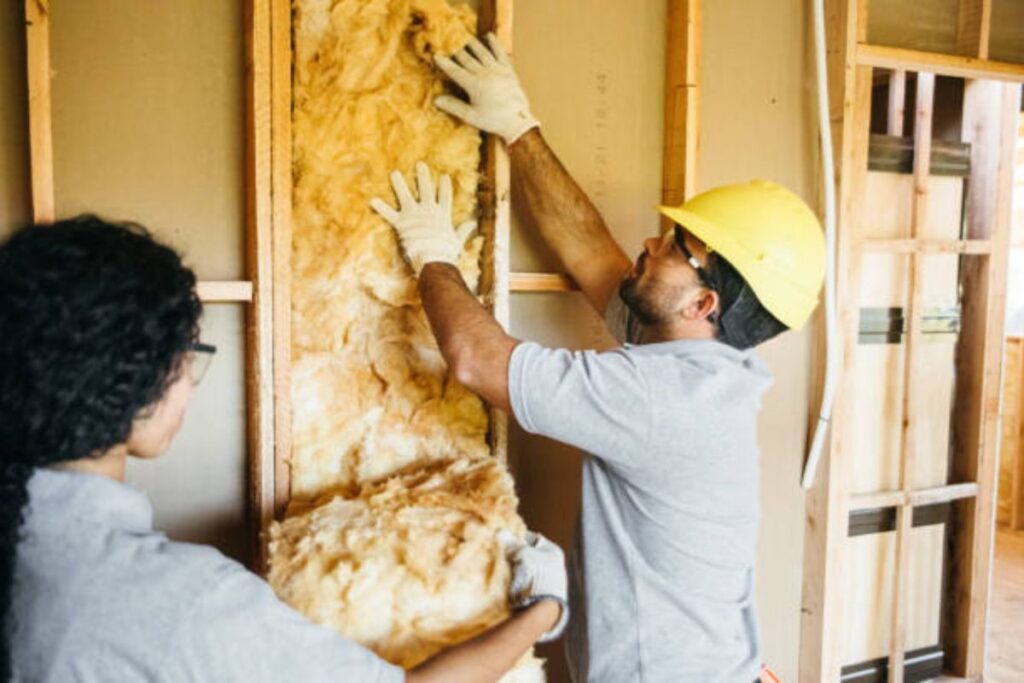
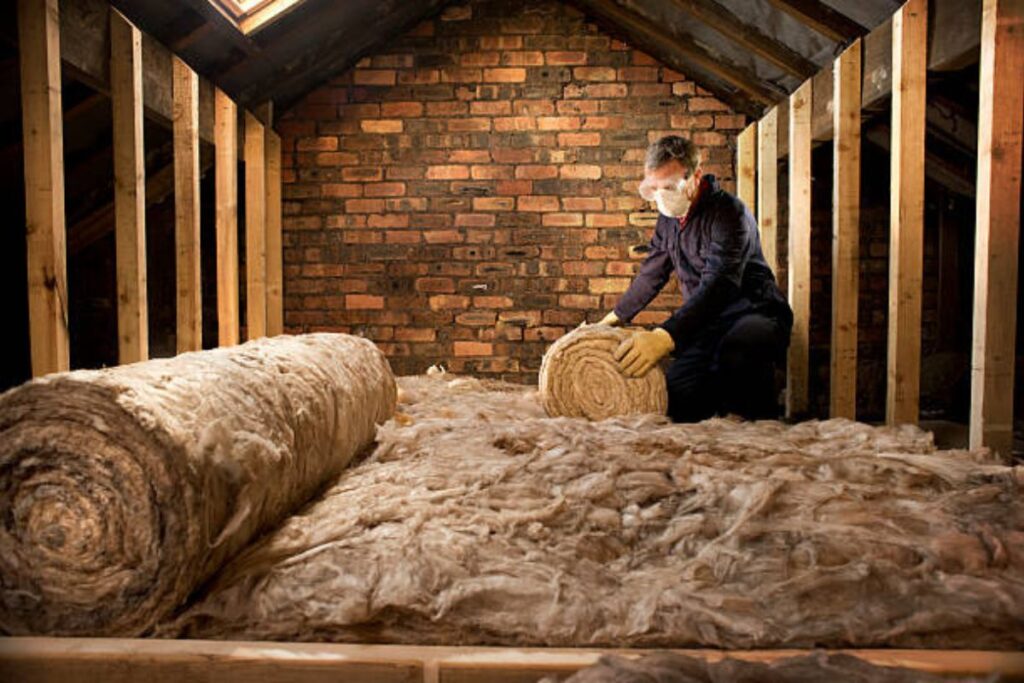
Investing in high-quality insulation materials, such as eco-friendly wool or recycled materials, can further enhance the sustainability quotient of your home. These materials often have a smaller environmental impact during production compared to conventional options, making them an ideal choice for eco-minded homeowners.
Water-Saving Fixtures
Reducing water consumption is another important aspect of creating a sustainable home. Upgrading fixtures to include low-flow taps, showerheads, and dual-flush toilets can dramatically decrease water usage without sacrificing performance. These relatively inexpensive upgrades are easy to install and can immediately start saving water and reducing utility bills.
Incorporating rainwater harvesting systems can also contribute to water conservation efforts. By collecting rainwater from your roof, you can use it to water gardens, flush toilets, or even as a backup water source, further reducing your home’s environmental footprint.
Conclusion: A Greener Future Begins At Home
Investing in eco-friendly home upgrades not only contributes to a healthier planet but also often results in financial savings and a more comfortable living environment. As the UK continues to strive towards its sustainability goals, homeowners can play a significant role by adopting green technologies and practices.

Whether you choose to install efficient air source heat pumps, solar panels, energy-efficient windows, superior insulation, or water-saving fixtures, each improvement represents a step towards a sustainable future. By embracing these changes, you are investing not only in your home but also in the wellbeing of the entire planet.
Heat pump image supplied. Other images courtesy of unsplash.com and pexels.com