Homeowners often find themselves in need of small rewiring projects to enhance the functionality and safety of their electrical systems. While some tasks may seem manageable for the average DIY enthusiast, others require the expertise of a qualified electrician.
Knowing when to tackle these small rewiring tasks independently and when to seek professional help can make all the difference in ensuring safety and compliance with local codes.
Updating Outlets
Replacing old outlets is a common task many homeowners consider. Over time, outlets can wear out or become outdated, leading to potential hazards. For instance, if you notice any signs of sparking, burning smells, or inconsistent power delivery, it’s vital to act quickly. While replacing a standard outlet is straightforward, installing GFCI outlets in areas like kitchens and bathrooms requires specific knowledge of electrical codes. If you’re unfamiliar with these requirements, consulting a licensed electrician can ensure that the installation meets safety standards.
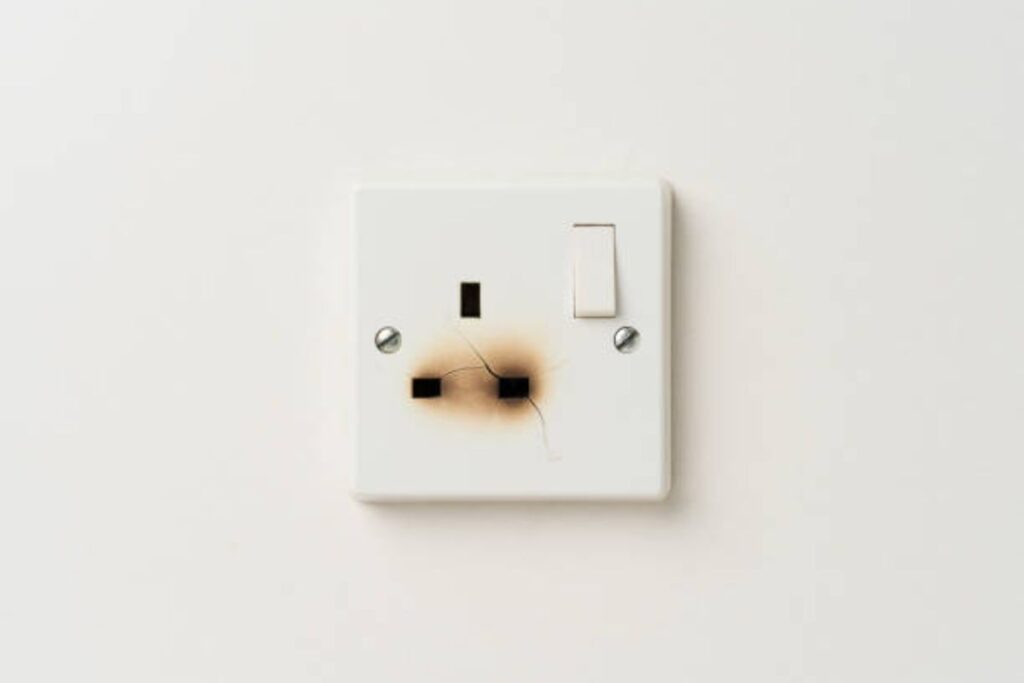
Troubleshooting Electrical Issues
Occasionally, homeowners face electrical issues such as flickering lights, tripped breakers, or dead outlets, which may point to deeper problems within the system. While some minor troubleshooting can be done independently, persistent issues often require the expertise of a professional. A small-job electrician can accurately diagnose and resolve these problems, ensuring that your home’s electrical system functions safely and efficiently, preventing further complications down the line.
Replacing Light Fixtures

Swapping out old light fixtures for newer models is another simple task that can dramatically change the look and feel of a room. While most people can handle removing a fixture and installing a new one, complications can arise. For example, if the new fixture requires different wiring or a higher wattage, additional work may be necessary. Moreover, dealing with ceiling fans or chandeliers can present unique challenges. When faced with complex installations, reaching out to an expert ensures the job is done safely and correctly.
Adding New Circuits
As homes evolve and technology advances, the demand for additional electrical circuits often increases. Whether you’re adding a new appliance or setting up a home office, installing new circuits may seem appealing. However, the process involves understanding your home’s electrical load capacity and ensuring compliance with building codes. A professional electrician will assess your current system, determine if your panel can handle the additional load, and install the new circuit safely. This expertise is invaluable in preventing overloading and potential electrical fires.
Safety Considerations
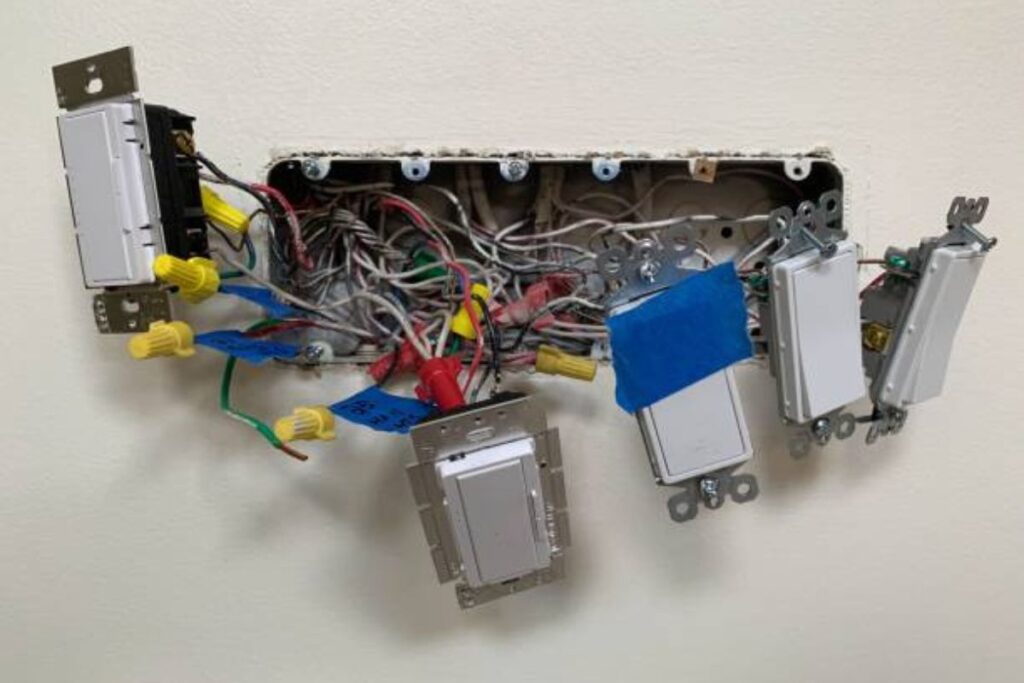
Safety should always be a priority when handling electrical tasks. Even seemingly minor rewiring jobs can pose significant risks if not approached with caution. Electrical shocks, fire hazards, and code violations can arise from improper installations. Homeowners who lack experience in electrical work should be especially cautious, as the potential for injury is high. In cases where safety is a concern, enlisting the help of a qualified electrician is the best course of action.
When to DIY vs. When to Hire
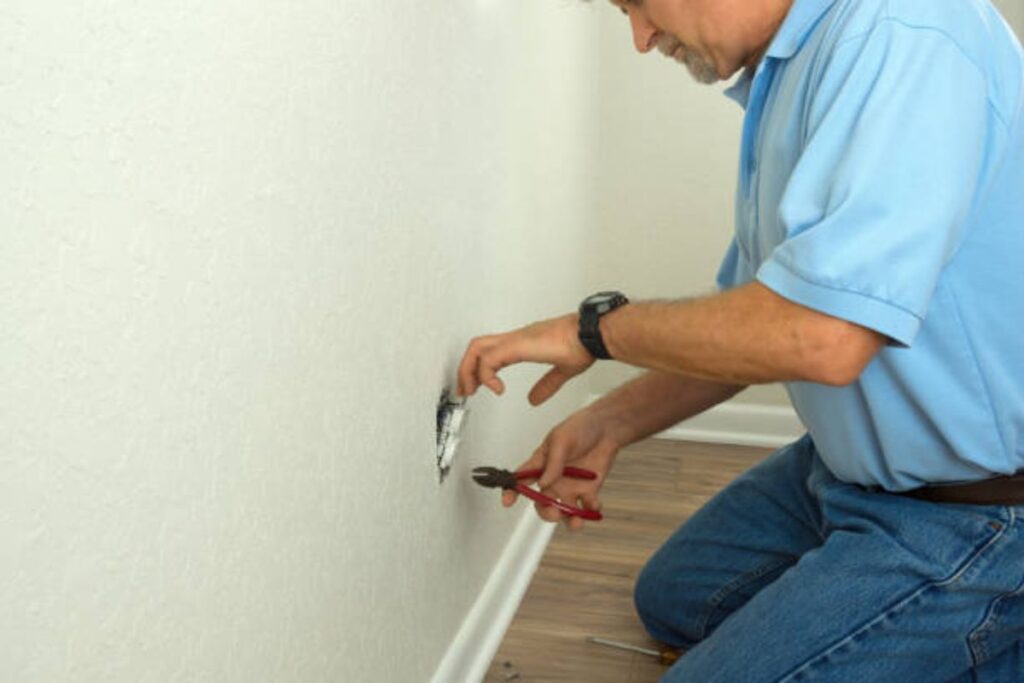
Understanding your limits is essential when determining whether to tackle a rewiring project yourself. Small rewiring tasks like changing out an outlet or light bulb may be within your capabilities. However, for any project that involves complex wiring, safety concerns, or significant changes to your electrical system, hiring an expert is advisable. Always consider local codes, personal safety, and the long-term implications of your choices.
In Conclusion
While many small rewiring tasks may seem manageable, knowing when to call in the experts can save time, money, and potential hazards. From updating outlets and replacing fixtures to adding new circuits and troubleshooting persistent issues, the complexities of electrical work often warrant the expertise of a licensed electrician. Ultimately, prioritizing safety and compliance with regulations will ensure your home remains a safe and functional environment. Embrace the opportunity to enhance your home, but do so with a clear understanding of your capabilities and the resources available to you.
Images courtesy of unsplash.com, pexels.com and freepix.com