With energy bills still taking a big bite out of our budgets, finding ways to make your home more energy-efficient is important these days. Luckily, you can find tips on saving energy to help. The good news is you don’t need a huge renovation project to make a real difference.
Lots of small, practical changes around your home can really add up to home energy efficiency, leading to noticeable savings on your utility bills and a cosier place to live.
Understanding Your Home’s Energy Use
Before you can start making smart changes, you need to figure out where all your energy is actually going. For most homes, heating and hot water gobble up the biggest chunk of energy. But don’t forget about appliances left on standby or old, inefficient light bulbs – they can be sneaky energy hogs too. A smart meter is a fantastic tool for getting real-time info on your gas and electricity use, helping you pinpoint exactly what’s costing you the most.
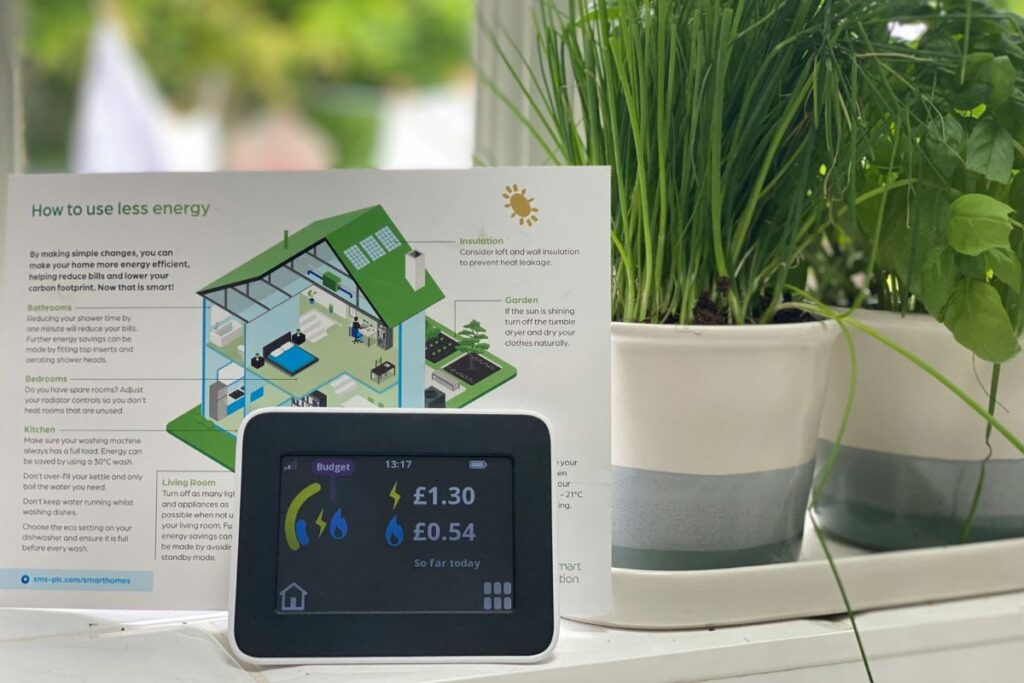
If you don’t have a smart meter, no worries! You can still do a quick energy check yourself. Just walk through your home and look for obvious culprits like draughty windows or doors, old-fashioned incandescent light bulbs, and appliances that are always plugged in and switched on. Noticing these things gives you a clear starting point for increasing your home energy efficiency. For a more detailed look, a guide to saving energy can offer room-by-room checklists.
Insulation and Draught Proofing
Homes lose a surprising amount of heat through the roof, walls, and floors, plus all those little gaps around windows and doors. Tackling this heat loss is one of the best ways to bring down your heating bills. Loft insulation is usually a brilliant investment because it’s often pretty cheap to install and can last for ages, easily paying for itself many times over.
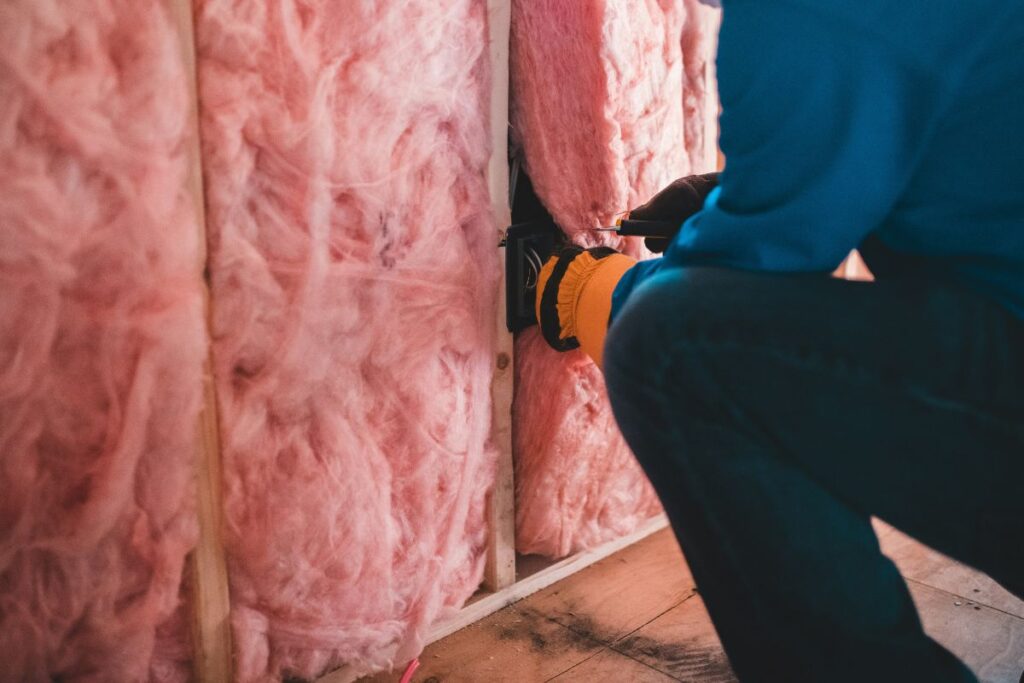
Even without big construction work, you can make a huge impact. Sealing gaps around window frames with some sealant and popping draught excluders at the bottom of doors are quick, cheap fixes. You can also hang heavy, thermal-lined curtains to add an extra layer of insulation to your windows at night. These simple ways to improve efficiency often cost very little but do a great job of stopping the heat you’ve paid for from just floating outside.
Smart Heating Choices for Lower Bills
Thinking differently about how you heat your home can lead to some serious savings. A common mistake is heating the whole house to the same temperature, even when most rooms are empty. Just turning your main thermostat down by one degree can slash your heating bill by up to 10%. Installing thermostatic radiator valves (TRVs) lets you control the temperature in individual rooms. That way, you can keep the living room toasty while an unused spare bedroom stays cool.
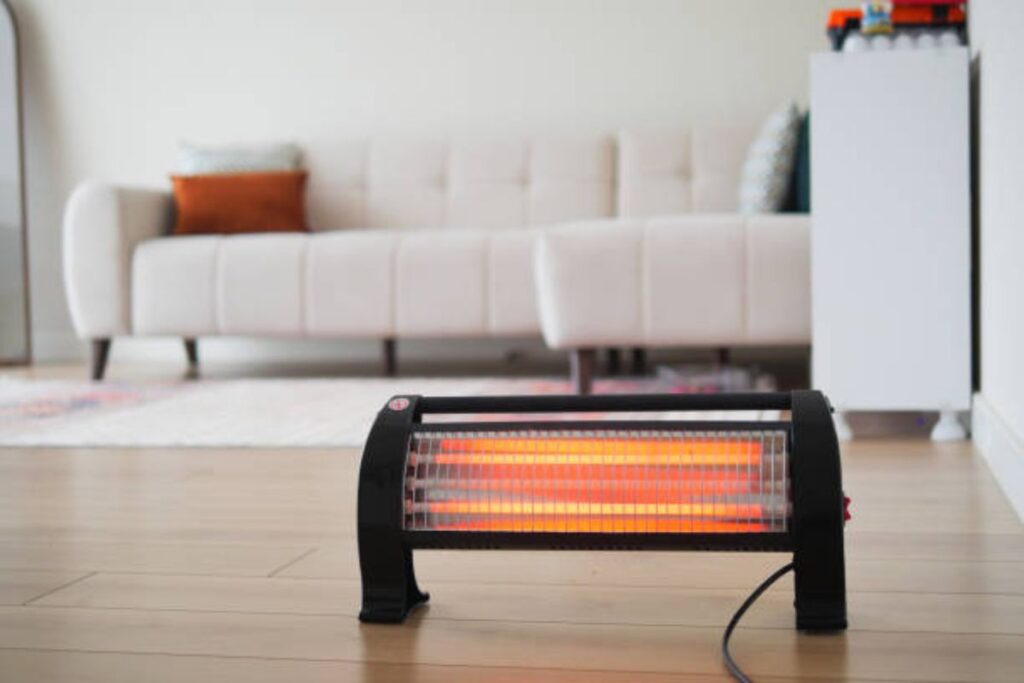
Another smart move is zonal heating, which means only heating the specific area you’re actually using. This is handy in open-plan spaces or home offices. Modern solutions like infrared heaters are excellent for this because they warm people and objects directly instead of just heating up all the air. This gives you targeted, almost instant warmth exactly where you need it, helping you avoid running a full central heating system just to keep one spot comfy.
Appliance Upgrades and Usage Habits
Your daily habits and the appliances you use play a big role in how much energy your home consumes overall. When it’s time to replace an old appliance, always look for one with a high energy efficiency rating. The modern A-G scale makes comparing models really easy, with ‘A’ being the most efficient. An A-rated fridge freezer, for example, could use way less electricity than a G-rated one.
You can also tweak how you use your current appliances:
- Wash your clothes at 30°C instead of higher temperatures.
- Don’t leave TVs, game consoles, and computers on standby. That “vampire power” really adds up.
- Only boil the amount of water you actually need in the kettle.
- When using the oven, try to cook a few dishes at once if you can, to make the most of that heat.
The Role of Renewable Energy
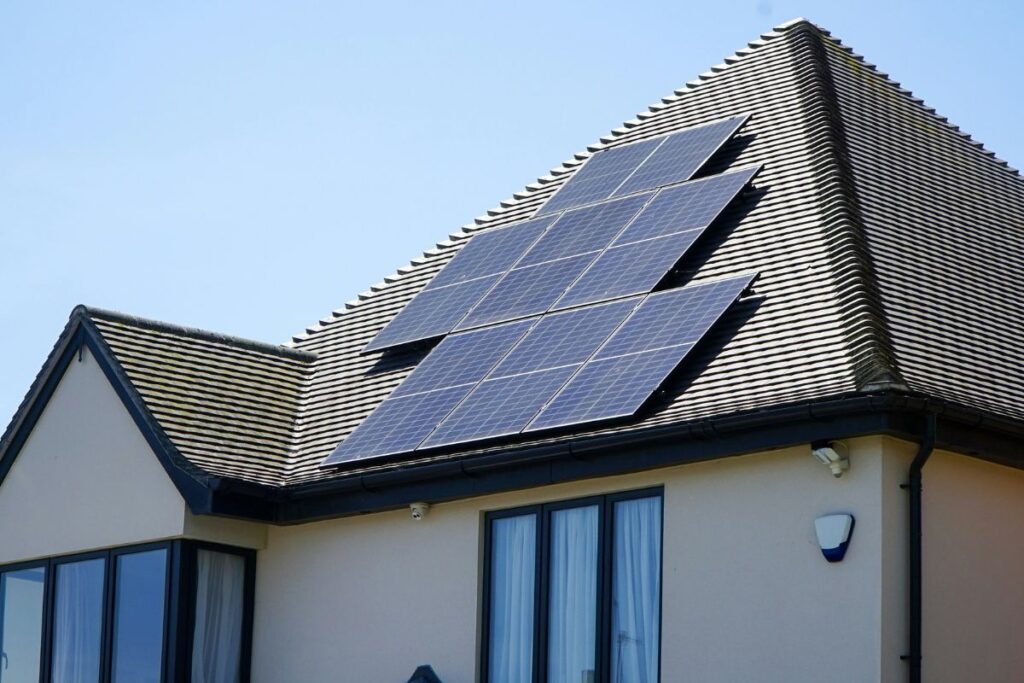
For those thinking about a bigger, long-term investment for their home energy efficiency plan, renewable energy technologies offer a path to more energy independence. Putting solar panels on your roof can generate free, green electricity to power your home during the day. Depending on the system size and how much energy you use, you might even be able to sell any extra power back to the grid.
Another option is a solar thermal system, which uses the sun’s energy to heat your hot water. This means you rely less on your gas or electric boiler. While these technologies cost more upfront, they can significantly cut your bills over their lifespan and reduce your home’s carbon footprint, making them a worthwhile consideration for the future.
Making your home more energy-efficient is really about combining small, smart habits with clever upgrades. By focusing on insulation, how you heat, and how you use your appliances, you can create a more comfortable home while keeping those energy bills nicely under control.
Images courtesy of pexels.com and unsplash.com