Embarking on the journey of a hair transplant is an exciting step toward regaining confidence and achieving the look you desire. However, the path to success starts well before the surgeon’s chair.
Adequate preparation is the secret sauce that can make your hair transplant experience not only successful but also smoother in terms of recovery. In this ultimate guide, we’ll walk you through the crucial steps to prepare for a hair transplant surgery, ensuring you’re well-equipped for the transformative journey ahead.
Researching and Choosing the Right Surgeon
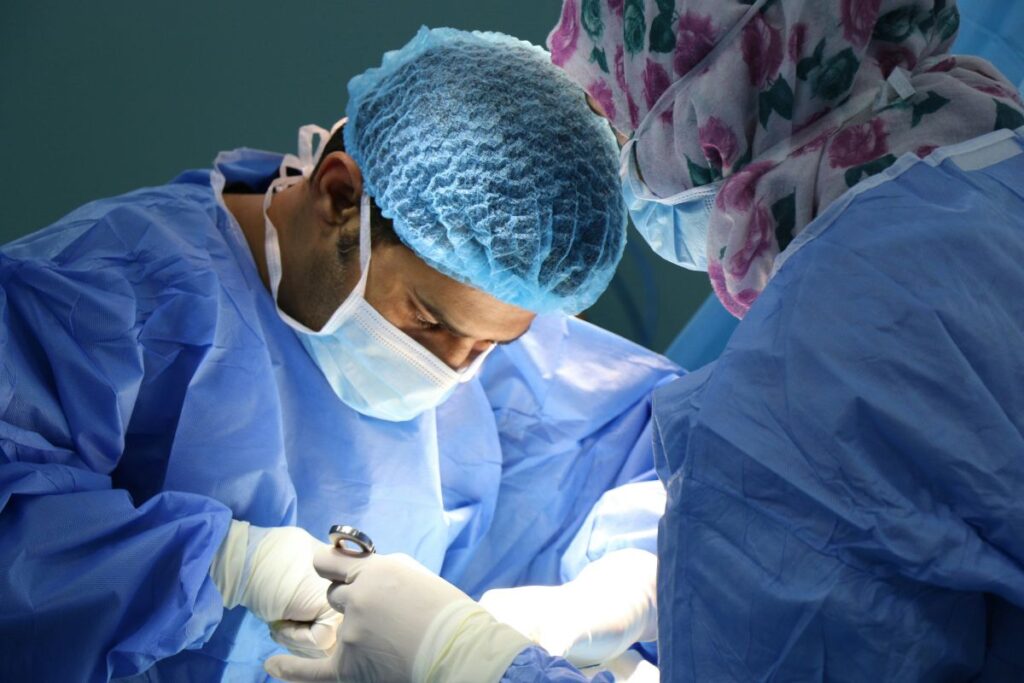
Your hair transplant journey begins with choosing the right surgeon. Take the time to research and evaluate potential candidates. Credentials, reviews, and before-and-after photos are your allies in this quest. Look for surgeons who specialize in the specific technique you’re considering, whether it’s the advanced FUE or the traditional FUT. For DHI expertise, check out https://resulyaman.com/. Trust your instincts, and don’t hesitate to reach out for a consultation to gauge their expertise and your comfort level.
Understanding the Procedure
Understanding the nitty-gritty of the hair transplant procedure is paramount. Whether it’s the extraction of individual follicles with FUE or the transplantation of entire follicular units with FUT, knowing what to expect during the hair transplant surgery can help ease any apprehensions. From the initial anesthesia to the final placement of grafts, having a clear picture of the process enhances your preparedness and reduces anxiety.
Setting Realistic Expectations

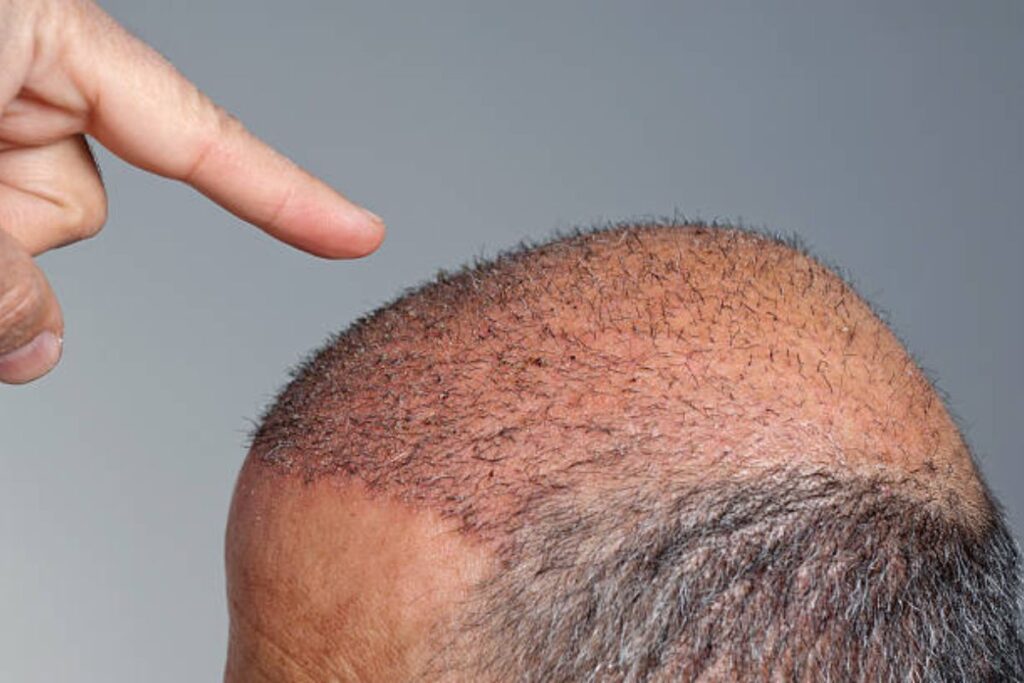
Dreaming of a luscious head of hair post-transplant is natural, but setting realistic expectations is crucial. Hair transplant results vary from person to person, and it’s important to acknowledge the limitations of the procedure. Discuss anticipated outcomes with your surgeon during the pre-surgery consultation, ensuring you have a clear understanding of what can be achieved.
Pre-Surgery Consultation: What to Ask Your Surgeon
The pre-surgery consultation is your opportunity to gain clarity and confidence. Come prepared with a list of questions covering topics such as expected results, potential risks, and post-operative care. A transparent conversation with your surgeon not only builds trust but also ensures that you’re on the same page about the journey you’re about to undertake.
Preparing Mentally and Emotionally
Acknowledging the emotional aspect of a hair transplant is as important as the physical preparation. Understandably, anxiety and stress may accompany such a transformative journey. Take the time to manage your emotions, focus on the positive aspects of the change, and build a resilient mindset. Your mental preparation is the foundation for a confident stride into the surgery room.
Can You Drink Straight After a Hair Transplant?
Many people know that giving up habits like smoking and drinking is recommended before a hair transplant. But what happens after surgery? Can You enjoy a beer again? Know that it’s not recommended to drink straight after your hair transplant. While you might want to celebrate getting the procedure and going through surgery, having a drink can affect the healing and final results of your procedure. Let’s take a closer look at why.
Alcohol Disrupts Healing
Having one or two drinks might seem harmless. But, know that alcohol has a negative effect on healing. In particular, the wounds can heal slower than normal since cell rate division is reduced. In addition, blood clotting won’t be efficient, which means that the wounds are open for longer. Consequently, you can be at a higher risk of infection and your scalp will take longer to heal. You might find that the hair follicles don’t function as well as they would if you didn’t have alcohol.
When You Can Start Drinking Again
Perhaps the thought of giving up alcohol is devastating for you. Indeed, many people like to enjoy a drink on a night out or when you’re meeting up with friends and family. Know that you don’t have to give up alcohol forever. It’s only until the hair transplant has healed and the hair follicles have stabilized.
It’s recommended that you don’t drink for up to 14 days after having the surgery. This is when your scalp is going to be most vulnerable, and you don’t want the alcohol to interfere with healing. When you feel like the swelling has gone down and the scabs have disappeared, this is when you can start to reintroduce alcohol. But, the longer you can go without it, the better it’ll be for your hair transplant.
Remember that drinking should always be in moderation. This is something that’s beneficial for your health, as well as your hair transplant. After all, when you’ve had a few drinks, your perceptions can change. You might be rougher with your scalp or use the wrong products. Small things can have a huge impact on the results.
Conclusion
In conclusion, the road to successful hair transplant surgery is paved with thoughtful preparation. From researching your surgeon to understanding the procedure and setting realistic expectations, each step plays a vital role in ensuring a positive outcome. By following this ultimate guide, you’re not just preparing for a surgery; you’re laying the groundwork for a transformative journey toward renewed confidence and self-esteem.
Images courtesy of unsplash.com and pexels.com