Male pattern baldness affects millions of men across the UK, and while genetics play a central role, the hormone DHT is the key biological driver. If you’re experiencing thinning hair, you might be wondering whether dietary changes could help slow or support hair regrowth alongside proven treatments.
The good news is that certain foods contain compounds that may help reduce DHT levels or protect hair follicles from its effects. While these dietary approaches are not a replacement for clinically proven medications, they can form part of a holistic approach to hair health. This guide explores the science behind natural DHT blocker foods and how they fit into an evidence-based hair loss strategy.
Understanding DHT and Hair Loss
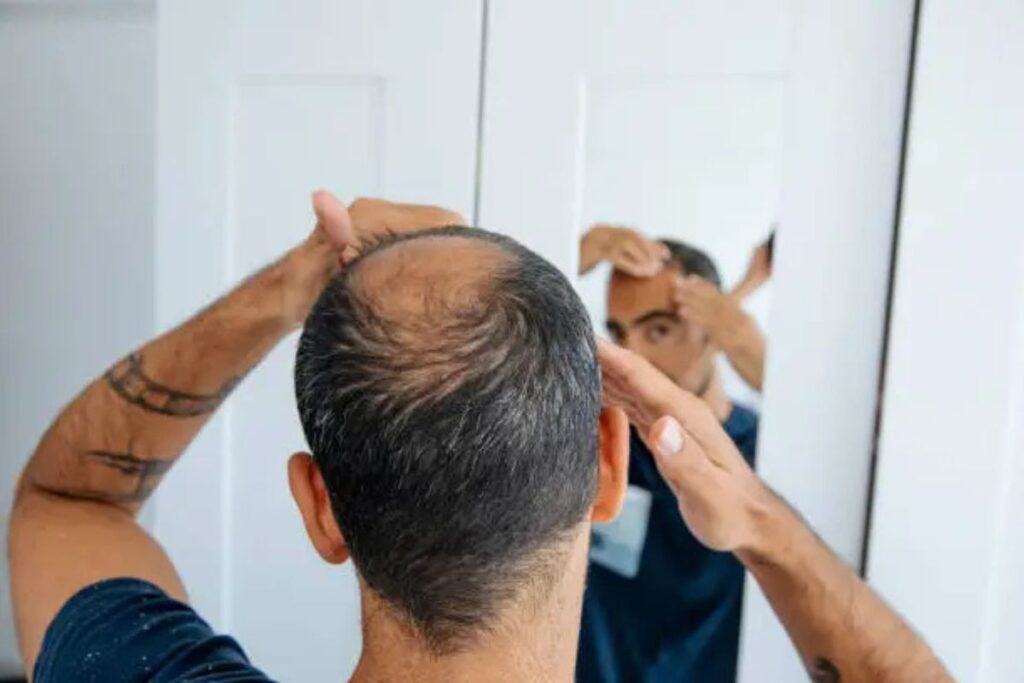
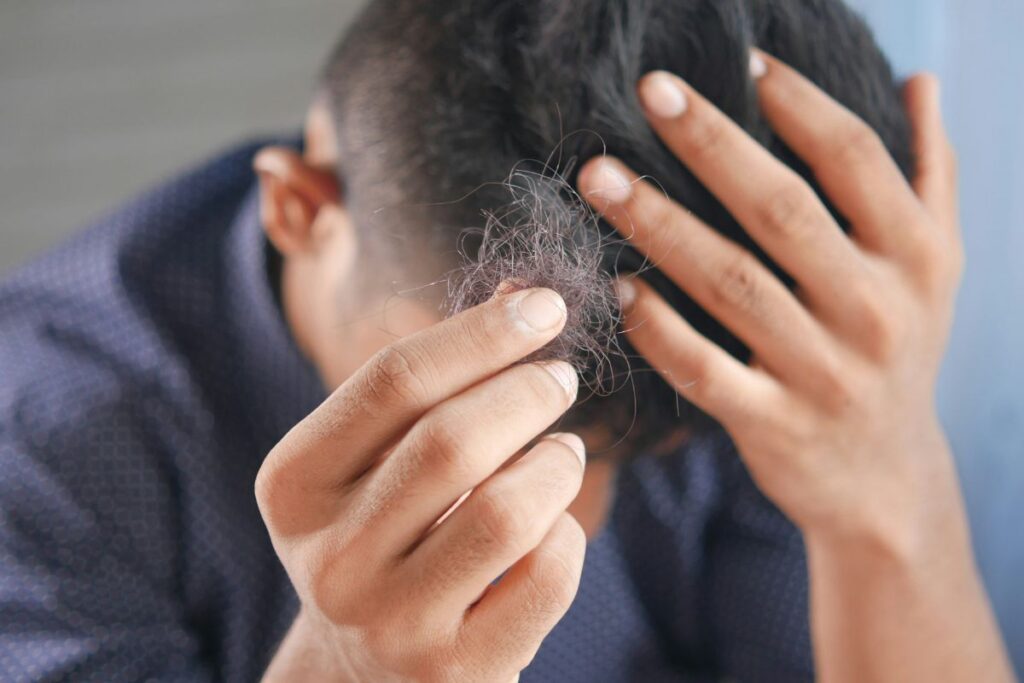
Before exploring which foods may help, it’s important to understand exactly what DHT does to your hair. DHT, or dihydrotestosterone, is an androgen hormone produced when the enzyme 5-alpha-reductase converts testosterone. According to Sons .UK’s DHT guide, this hormone is the most common cause of male hair loss in the UK.
When you have a genetic sensitivity to DHT, the hormone binds to receptors in your scalp’s hair follicles and triggers a process called miniaturisation. Your follicles gradually shrink, producing thinner and weaker hairs until they eventually stop growing altogether. This is why DHT and hair loss are so closely linked—the hormone shortens the growth phase and causes the regrowth cycle to slow significantly.
The most effective way to combat this process is by blocking DHT production or preventing it from binding to follicle receptors. Finasteride, the most commonly prescribed DHT blocker, works by inhibiting 5-alpha-reductase at a 1mg dose. When used alongside minoxidil, which increases blood flow to the scalp, studies show up to 94% effectiveness in treating male pattern baldness.
While prescription treatments remain the gold standard, certain foods contain natural compounds that may offer modest DHT-blocking effects or support overall hair follicle health.
Top DHT Blocker Foods Backed by Research
Green Tea and EGCG
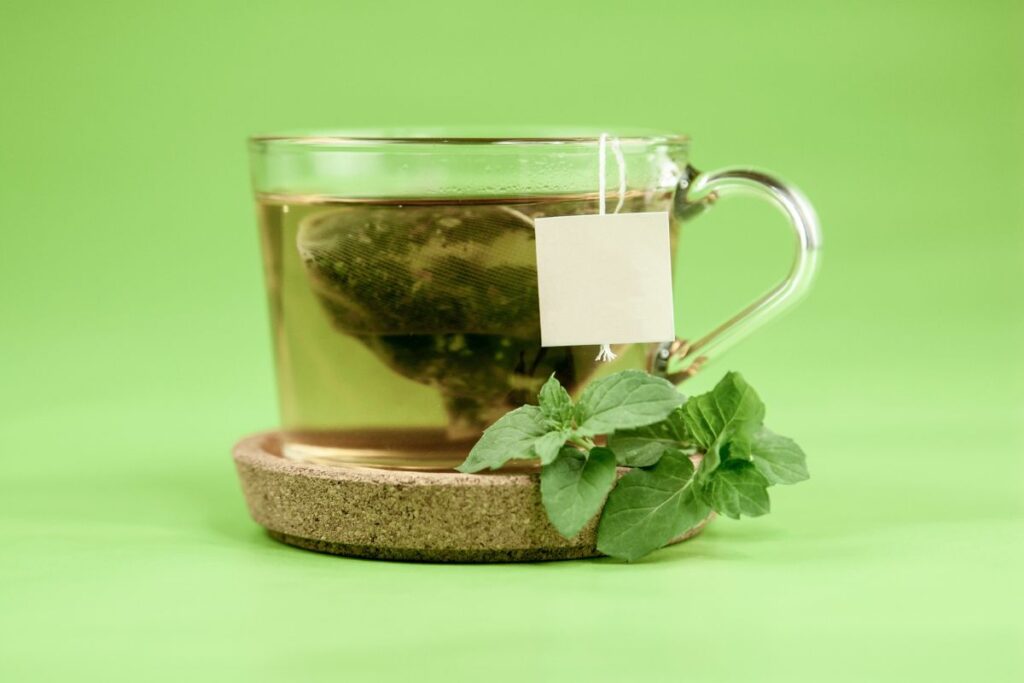
Green tea contains a powerful polyphenol called epigallocatechin gallate (EGCG), which has shown DHT-blocking potential in laboratory studies. EGCG inhibits the enzyme 5-alpha-reductase, the same target that finasteride blocks in prescription form.
According to research published in PubMed, EGCG increased hair follicle length by over 120% compared to control groups in vitro. Animal studies have demonstrated that topical EGCG significantly reduced hair loss in testosterone-induced models. While these findings are promising, it’s important to note that human clinical trials showing green tea’s effectiveness for androgenic alopecia do not yet exist, as Perfect Hair Health points out.
| Food Source | Key Compound | Mechanism | Evidence Level |
| Green tea | EGCG | Inhibits 5-alpha-reductase | Laboratory/animal studies |
| Matcha powder | EGCG (concentrated) | Inhibits 5-alpha-reductase | Laboratory/animal studies |
You can incorporate green tea into your routine by drinking 2-3 cups daily or using matcha powder in smoothies. While it won’t replace medical treatment, it may provide complementary antioxidant benefits for overall hair health.
Pumpkin Seeds and Pumpkin Seed Oil
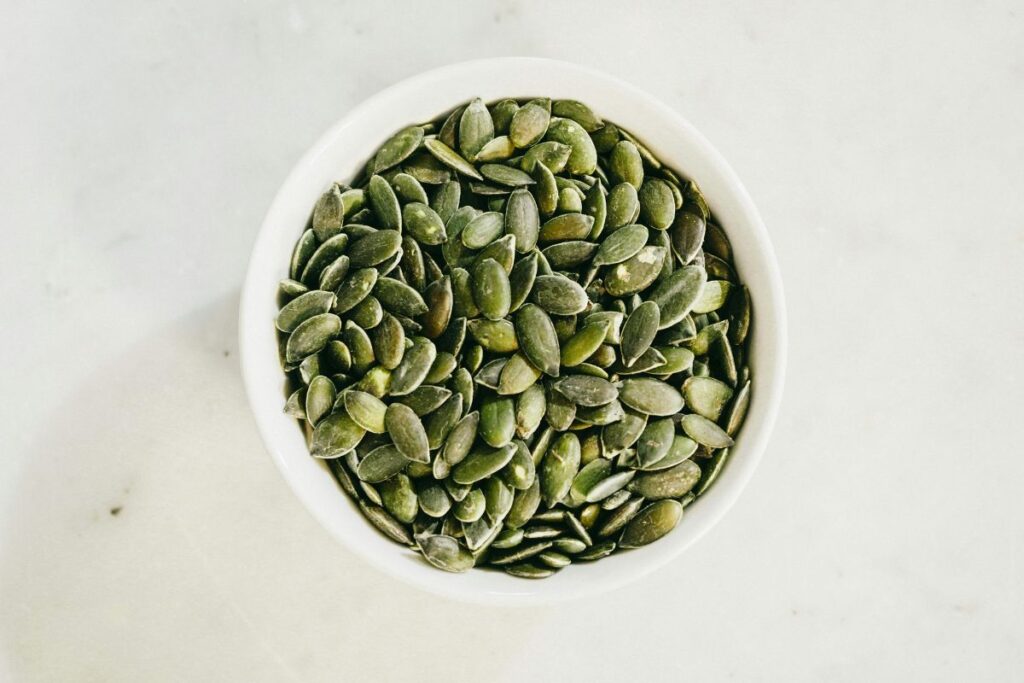
Pumpkin seeds are rich in zinc, a mineral essential for hair health and DHT regulation. More importantly, they contain phytosterols like beta-sitosterol, which have demonstrated inhibitory effects on 5-alpha-reductase activity.
Pumpkin seed oil has the strongest clinical evidence among natural DHT blockers. A 2014 randomised, double-blind, placebo-controlled trial investigated 76 male patients with mild to moderate androgenetic alopecia. Participants who took 400mg of pumpkin seed oil daily for 24 weeks experienced a 30% increase in hair growth compared to those taking a placebo.
While this represents meaningful improvement, experts caution that more comprehensive studies are needed to establish proven efficacy. Still, the combination of essential fatty acids, zinc, and plant sterols makes pumpkin seeds a nutritionally sound addition to any hair-healthy diet.
You can eat a small handful (about 30g) of raw pumpkin seeds daily as a snack, or consider supplementing with pumpkin seed oil if you prefer capsule form.
Soy Products and Edamame
Soy-based foods contain isoflavones, plant compounds that may inhibit the absorption of 5-alpha-reductase and reduce DHT levels. According to research reviewed by Healthline, studies have shown that consuming soy protein might help with hair growth without reducing natural testosterone levels—an important distinction for men concerned about hormonal balance.
Edamame, tofu, tempeh, and soy milk all provide concentrated sources of these beneficial isoflavones. While the evidence is less robust than for prescription treatments, soy products offer the added benefit of high-quality plant protein, which supports keratin production for stronger hair structure.
Incorporating 1-2 servings of soy products daily—such as edamame as a snack or tofu in stir-fries—provides these potential benefits without requiring major dietary changes.
Additional Foods That May Support Hair Health
Turmeric and Curcumin

Turmeric’s active compound, curcumin, has demonstrated potential as a DHT blocker in laboratory settings. Curcumin inhibits 5-alpha-reductase and has been reported to exert potent effects against the testosterone-to-DHT transition, according to research highlighted by Hairguard.
More specifically, curcumin modulates enzyme expression and acts as a 5-alpha-reductase inhibitor in prostate tissue studies. However, as Healthline notes, because studies weren’t conducted on humans and focused on prostate tissue rather than scalp, the results shouldn’t be seen as conclusive proof. Human studies are needed to confirm whether turmeric can provide meaningful hair loss benefits in real-world applications.
Despite these limitations, turmeric offers powerful anti-inflammatory properties that benefit overall health. You can add it to curries, smoothies, or take it as a supplement with black pepper (which enhances absorption by up to 2000%).
Tomatoes and Lycopene-Rich Foods
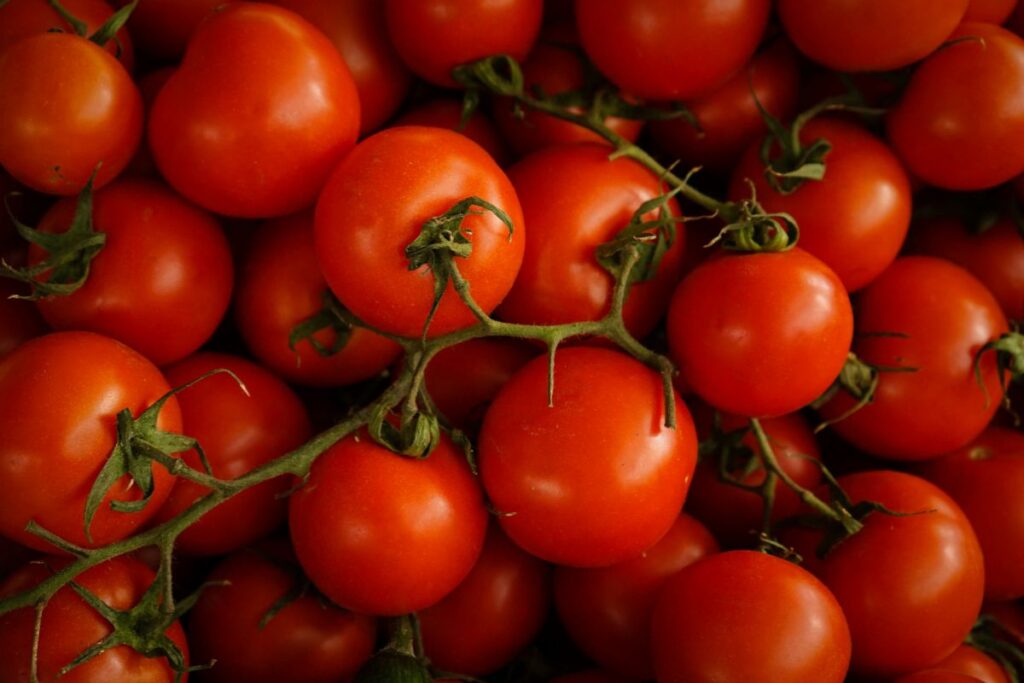
Lycopene is a carotenoid antioxidant found in red and pink fruits and vegetables. While its direct DHT-blocking effects are less studied than other compounds, lycopene appears in multiple resources discussing natural approaches to hair loss, including Hims’ guide to DHT-blocking foods.
Tomatoes are not a direct DHT blocker, but they support overall scalp health through powerful antioxidants that protect hair follicles from oxidative stress. This matters because inflammation and oxidative damage can worsen the effects of DHT on sensitive follicles.
Cooked tomatoes, particularly in the form of tomato paste or sauce, provide higher concentrations of bioavailable lycopene than raw tomatoes. Watermelon, pink grapefruit, and papaya are other excellent sources.
| Food Source | Active Compound | Daily Serving | Key Benefit |
| Pumpkin seeds | Beta-sitosterol, zinc | 30g (small handful) | Strongest clinical evidence (30% growth improvement) |
| Green tea | EGCG | 2-3 cups | Inhibits 5-alpha-reductase (lab studies) |
| Edamame/soy | Isoflavones | 1-2 servings | May reduce DHT without lowering testosterone |
| Turmeric | Curcumin | 1-2 tsp or supplement | Blocks testosterone-to-DHT conversion (preliminary) |
| Tomatoes (cooked) | Lycopene | 1/2 cup sauce | Antioxidant support for scalp health |
Saw Palmetto and DHT Blocking Shampoos


While not technically a food, saw palmetto deserves mention as it’s often available in supplement form and is used in some DHT-blocking shampoos. According to Sons UK’s research, saw palmetto is an all-natural extract that can reduce DHT levels, with a 2001 study finding regular use reduced DHT levels by a remarkable 32%.
Saw palmetto works similarly to finasteride by inhibiting 5-alpha-reductase, though with less potency. DHT-blocking shampoos containing saw palmetto can be used topically to target the scalp directly, potentially offering localised benefits without systemic effects.
Limitations of Dietary Approaches to Hair Loss
It’s essential to set realistic expectations about what dietary changes can and cannot achieve for male pattern baldness. There is not much high-quality scientific data on the effects of foods that increase DHT, and there also aren’t many studies showing that dietary changes can stop male pattern baldness or the production of DHT, as noted in the web search findings on DHT blocker foods.
While certain foods may have potential DHT-blocking properties, their impact is not as potent as FDA-approved medications. According to Sons UK’s comparison of treatments, finasteride blocks up to 70% of DHT production, and when combined with minoxidil, the treatments work together to address hair loss from multiple angles with clinically proven results.
Diet alone is unlikely to reverse established male pattern baldness. The foods discussed in this article are best viewed as complementary approaches that may support overall hair health alongside proven medical treatments, rather than standalone solutions.
How Proven Treatments Work Alongside Diet
Understanding how prescription treatments work helps clarify where dietary approaches fit into your overall strategy. Finasteride works by blocking the production of DHT—the hormone responsible for male pattern hair loss among those with a sensitivity to it, according to Sons UK’s treatment guide.
In contrast, minoxidil works through a different mechanism: when applied to the scalp, it increases blood flow and oxygen in vessels, therefore revitalising shrunken hair follicles. This is why the two medications work so effectively together—they address different aspects of the hair loss process.
A comprehensive approach might include:
- Primary treatment: Finasteride to block DHT production systemically
- Secondary treatment: Minoxidil to stimulate blood flow and follicle activity
- Supportive dietary changes: Foods rich in DHT-blocking compounds and nutrients that support hair structure
- Topical options: DHT-blocking shampoos for additional scalp-level intervention
This multi-pronged strategy addresses hair loss from several angles while maintaining realistic expectations about what each component can achieve.
Practical Dietary Changes for Hair Health
If you want to incorporate natural DHT blocker foods into your routine, here’s a practical weekly approach:
Morning: Start your day with green tea instead of coffee, or add matcha powder to your breakfast smoothie. Both provide concentrated EGCG.
Snacks: Keep a container of raw pumpkin seeds at your desk for a nutrient-dense snack that provides zinc and beta-sitosterol.
Meals: Include soy-based proteins like tofu or edamame in 3-4 meals per week. Add turmeric to curries, soups, or golden milk lattes (remember to include black pepper).
Dinner: Use tomato-based sauces regularly to increase lycopene intake—cooked tomatoes provide better absorption than raw.
Supplements: If you struggle to consume these foods regularly, consider pumpkin seed oil capsules (400mg daily based on the clinical trial) or a curcumin supplement with enhanced bioavailability.
| Time of Day | Food Choice | Active Benefit |
| Morning | Green tea or matcha | EGCG for 5-alpha-reductase inhibition |
| Mid-morning | Pumpkin seeds (30g) | Zinc and phytosterols |
| Lunch | Edamame or tofu | Isoflavones to reduce DHT absorption |
| Dinner | Tomato-based pasta sauce | Lycopene for antioxidant protection |
| Evening | Turmeric golden milk | Curcumin for anti-inflammatory support |
When to Consider Medical Treatment
While dietary changes may offer modest benefits, certain situations call for proven medical intervention. You should consider consulting a healthcare provider about treatments like finasteride if you’re experiencing:
- Noticeable thinning at the crown or temples
- A receding hairline that’s progressing over months
- Increased hair shedding that persists beyond seasonal changes
- Family history of male pattern baldness
Finasteride and minoxidil together represent the most effective way of treating male pattern hair loss, with decades of clinical evidence supporting their use. For those who can’t take finasteride or prefer alternatives, Sons UK offers guidance on other treatment options that may be suitable depending on your specific situation.
The key is understanding that dietary approaches work best as part of a comprehensive strategy, not as a replacement for proven treatments. If you’re serious about addressing hair loss, combining evidence-based medications with supportive lifestyle choices offers the best chance of maintaining and potentially regrowing hair.
Conclusion

Natural DHT blocker foods like green tea, pumpkin seeds, soy products, turmeric, and lycopene-rich tomatoes contain compounds that may help reduce DHT levels or support overall hair follicle health. While these foods show promise in laboratory studies and some clinical trials—particularly pumpkin seed oil’s 30% improvement in hair growth—they are not a substitute for proven medical treatments.
For men experiencing male pattern baldness, the most effective approach combines clinically validated treatments like finasteride and minoxidil with supportive dietary choices and overall healthy lifestyle habits. DHT remains the primary driver of male hair loss, and blocking its production or action requires interventions strong enough to create measurable biological change.
If you’re considering your options for hair loss treatment, exploring both proven medications and complementary natural approaches offers the most comprehensive strategy. Remember that early intervention typically yields the best results, so don’t wait until hair loss is advanced before seeking effective treatment.
Images courtesy of unsplash.com and pexels.com