Ever poured a drink without really thinking about why?
Most people have. Wine with dinner. Weekends filled with beer. Suddenly alcohol is a habit you never noticed.
Here’s the thing:
If you don’t pay attention to your habits you can’t change them. That’s Mindful drinking 101. Mindful drinking allows you to:
- Understand why you drink
- Spot patterns that don’t serve you
- Make choices on purpose
And you don’t have to quit to get started.
Here’s how it works…
Here’s What’s Covered:
- What Is Mindful Drinking?
- Why More People Are Rethinking Alcohol
- Signs It’s Time To Reassess
- 5x Steps To Build A Healthier Relationship With Alcohol
What Is Mindful Drinking?

Mindful drinking means focusing on your alcohol consumption.
It’s not a diet. It’s not a rigid set of rules. It simply asks you to pause and listen to yourself before, during and after each drink.
Think of it like a speed bump for your habits.
Some people use Dry January to moderate. Some people use it to quit. And some people realize their drinking has gotten more out of hand than they realized…
When Awareness Reveals A Bigger Problem
Occasionally being honest with yourself will reveal that cutting down on your own isn’t effective. That isn’t failing. That is helpful data.
If someone requires more care than weekly counseling but does not need round-the-clock residential care, partial hospitalization may be the answer. Partial hospitalization provides intensive alcohol treatment during many hours each day for several days each week. However, when you attend a partial hospitalization program, you sleep at home each night. If you’re wondering whether this level of care is right for you, you can learn more about Lanier Recovery Center and how day treatment for alcohol use disorder works.
Why More People Are Rethinking Alcohol

Mindful drinking isn’t just a passing trend. The numbers back it up.
54% of US adults drink beer, wine or spirits, per Gallup. That’s a record low for two years straight. Gallup has been keeping track since 1939, and it’s still the lowest on record.
Why the big shift?
Health worries play a massive role in this. That poll also found that 51% of adults now say one or two drinks per day is bad for your health. Drinkers themselves are drinking less too, consuming about 3.2 drinks per week.
But there’s a flip side…
Countless others are suffering as well. According to the NIAAA, 27.9 million people had AUD in 2024. But only 7.6% received any treatment whatsoever.
That is a huge difference. It perfectly illustrates how important being truthful with yourself early is.
Signs It’s Time To Reassess Your Drinking
How do you know if your relationship with alcohol needs a closer look?
Nor does it always look like what you think. Problem drinking isn’t always stereotypical. Many people drink too much and still have jobs and families.
Watch out for these warning signs:
- You drink to cope with stress, anxiety or boredom
- You often drink more than you planned
- You feel guilty or hide how much you drink
- Your sleep, mood or energy are suffering
- Friends or family have raised concerns

If one or more of these sound familiar….don’t freak out. It just means you need to pay attention.
5x Steps To Build A Healthier Relationship With Alcohol
Want to regain control? These tips are easy, cost nothing and can be started immediately.
Track Every Drink
You can’t change what you don’t measure.
For two weeks, keep a drinking journal. Record what you drank, when you drank it, where you were and who you were with and how you felt. Use your notes app or a small journal — whatever you prefer.
Patterns emerge quickly. Maybe you always drink on Sunday nights or when work gets stressful.
Find Your Triggers
Once you’ve tracked your drinking, look for the “why” behind it.
Common triggers include:
- Stress
- Social pressure
- Loneliness
- Certain places or people
Half the battle is knowing your triggers. If you recognize one coming on you can decide ahead of time how to respond differently.
Say you get easily stressed. A brief walk, shower or phone call with a friend may help you calm down. You will have to remind yourself to do it at first. However, the more you practise it, the easier it becomes.
Set Clear Limits
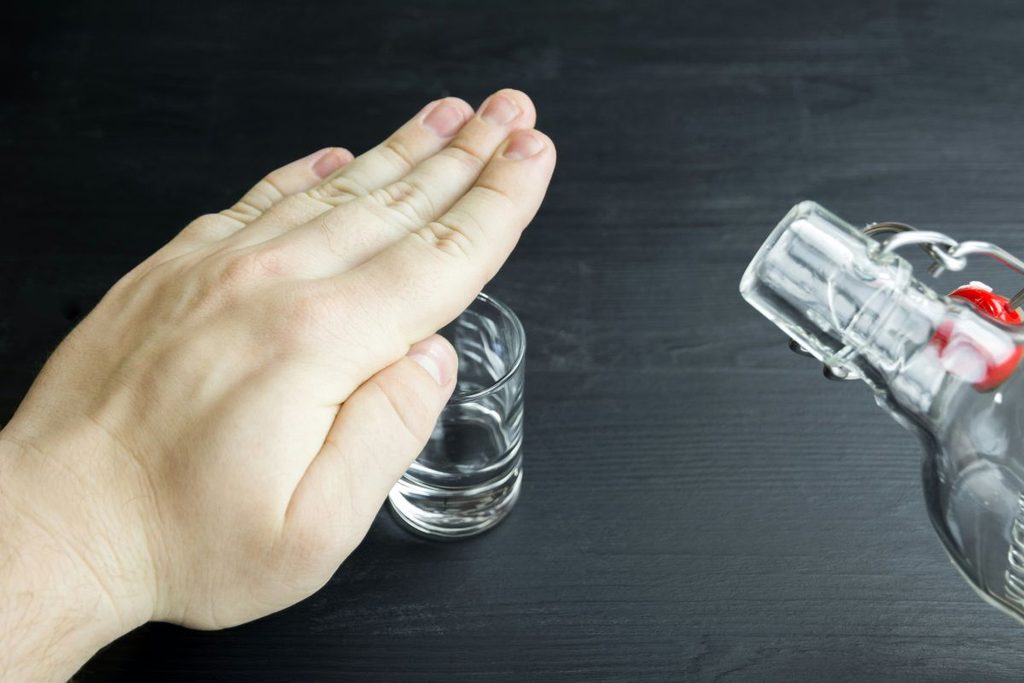
Vague goals rarely work. “Drink less” is just too fuzzy.
Be specific. Try: “no drinking on week nights” or “only 2 drinks when going out.” Post your limits and ask a friend to hold you accountable.
Simple, right?
Swap The Ritual, Not Just The Drink
Here’s something most people miss…
Sometimes it’s not the drinking you like. It’s the routine. The sound of a toast. Relaxing after a stressful day.
Maintain the ritual. Swap out what’s in the glass. Non-alcoholic beer, sparkling water with fruit or a mug of herbal tea can serve the same purpose. Many bars also now offer mocktails, so you won’t be left out when going out.
Check In With Your Body
Mindful drinking means listening to your body.
Before you pour a drink, pause for a moment. Ask yourself:
- Are you thirsty or hungry?
- How are you feeling right now?
- Will this drink help, or just numb something?
There aren’t any correct or incorrect answers below. The objective is simply to help you make every drink conscious instead of automatic.
Go easy for a couple of weeks. You’ll begin to notice differences. Sleep better. Have more energy. Clearer head in the mornings.
Those wins add up.
Knowing When To Ask For Help

Mindful drinking works well for lots of people. But it does have limits.
If you’ve tried cutting down and relapsed or you feel shaky, sweaty, or anxious when you quit, talk to your doctor. Stopping abruptly can be harmful if you are a heavy drinker.
Help comes in many forms. A physician, therapist, support group or day treatment program can all provide assistance. You are never turning the wrong corner.
The Bottom Line On Drinking Mindfully
Rethinking your relationship with alcohol doesn’t have to mean swearing off forever. It just means making informed decisions. Here’s the skinny again real quick:
- Track every drink for two weeks
- Figure out your triggers
- Set clear and specific limits
- Swap the ritual
- Listen to your body
Start small, stay honest and be patient with yourself. Change doesn’t happen overnight…
But it does happen.
Images courtesy of unsplash.com and pexels.com