Dive into the matrix of ones and zeroes, and you’ll find more than just code: there’s an intricate dance of emotions, connections, and digital footprints.
As we live more of our lives online, the imprints we leave not only shape the world of technology but mould our mental health landscapes.
The Digital Landscape: A Double-Edged Sword
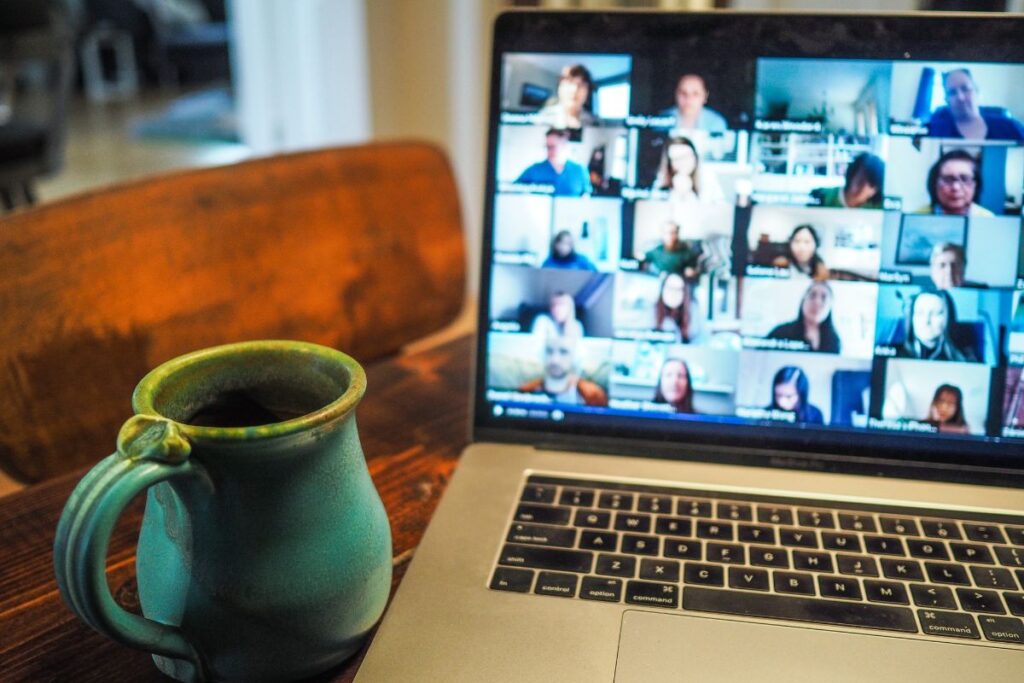
The internet age has ushered in an era of unprecedented connection and knowledge sharing. With a few taps, you can Skype a friend in Tokyo, take a Spanish lesson from someone in Buenos Aires, or discover a new artist from Johannesburg. Yet, this same interconnectedness has its pitfalls. The omnipresence of online interactions can blur the lines between work and leisure, solitude and company, leading to feelings of overwhelm or isolation. This juxtaposition presents a unique challenge for our generation, demanding adaptive strategies for our well-being.
Social Media: Balancing Connection and Detachment

As the saying goes, too much of a good thing can be harmful. Social media platforms, initially designed to foster connection, can ironically evolve into arenas of comparison, anxiety, and misinformation if not consumed mindfully. It’s not about quitting them altogether, but rather understanding their purpose in our lives. As we choose what to eat for our physical health, curating our digital diet can profoundly affect our mental health. It’s essential to discern between what nourishes us and what depletes our mental energy.
Setting Boundaries: The Digital-Real Life Balance

The neon glow of our screens isn’t the only thing captivating our attention. Products like nicotine salts and e-liquids, popularised by companies like The Vaping Movement, offer an alternative pause from our digital lives. They serve as tangible anchors, pulling us back into the sensory experiences of the real world. While debates continue about the health implications of vaping, there’s no denying its cultural impact. Vaping, for some, becomes a form of boundary-setting, a momentary disconnection from the ceaseless ping of notifications.
However, balance is the keyword here. Overindulgence in any form – be it hours on a screen or too many drags from a vape pen – can tip the scales. Recognising the role of tools like nicotine salts and e-liquids in our lives, their potential risks and rewards, allows us to make informed choices about our health and happiness.
Digital Detox: Why and How

No, this isn’t about trashing your smartphone or living off-grid. A digital detox is about recalibration. Think of it as spring cleaning for your digital life. Regularly unplugging, even if it’s just for a few hours, gives our brains the respite they crave.
Set tangible goals, like allocating specific times of day to check emails or putting devices down an hour before bedtime. These minor shifts not only benefit our mental health and well-being but also improve sleep, relationships, and overall quality of life. Remember, it’s not about eliminating technology but finding harmony with it.
Mindfulness in the Machine Age

The ancient practice of mindfulness, rooted in Buddhist philosophy, might seem out of place in our futuristic, tech-driven world. Yet, it’s never been more relevant. Mindfulness is not just meditation or deep breathing – it’s about being present, and absorbing the moment, whether you’re typing an email, enjoying a meal, or taking a stroll.
Mindfulness is our anchor in a world of scattered attention spans and endless tabs. It grounds us, reminding us of the simple joys, the tactile pleasures, and the fleeting moments that make life rich. Whether we’re listening to the hum of a computer or the exhale from a vape, being truly present turns ordinary moments into extraordinary ones.
Images courtesy of unsplash.com and pexels.com