Staying healthy as we age goes far beyond medical check-ups and balanced nutrition. Movement – even in small doses – plays a vital role in maintaining physical strength, mental wellbeing, and overall independence. Yet for many older adults, reduced mobility can make it challenging to stay active.
Finding the right ways to incorporate daily movement is therefore essential to ageing well.
Why daily movement matters
Research consistently shows that regular activity improves cardiovascular health, reduces the risk of falls, and supports bone density. But movement is not only physical. Staying active also nurtures social connections and boosts confidence. According to Age UK, older adults who keep moving, whether through walking, gardening or light exercise, are more likely to maintain independence and quality of life.

Simple daily habits such as stretching in the morning, walking to the local shop, or joining a community fitness class can have lasting benefits. Even short bursts of activity can contribute to healthier ageing.
Overcoming barriers to mobility
Of course, for many people the challenge lies in the fact that walking or standing for longer periods can become tiring or unsafe. Joint problems, neurological conditions, or reduced balance often limit activity. This is where mobility aids can play a transformative role, enabling older adults to continue moving with confidence and ease.
A rollator walker offers stability and support, encouraging people to keep walking rather than avoiding activity. The design is lightweight and practical, making it easier to navigate both indoors and outdoors. Far from being a limitation, the right walker can help users stay independent for longer.
The innovation of combined solutions
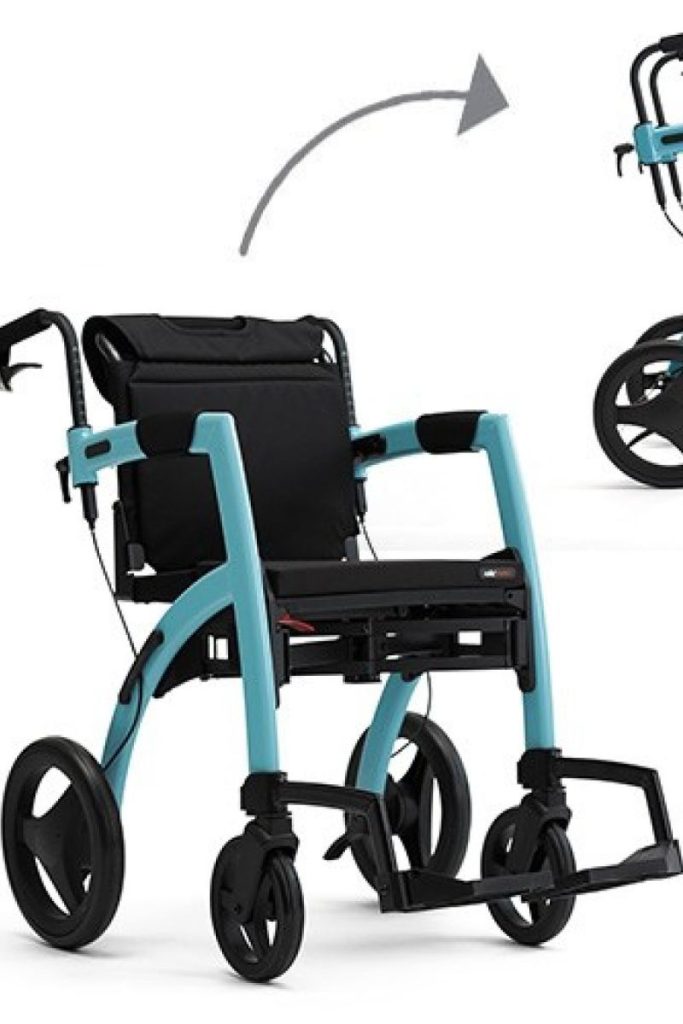
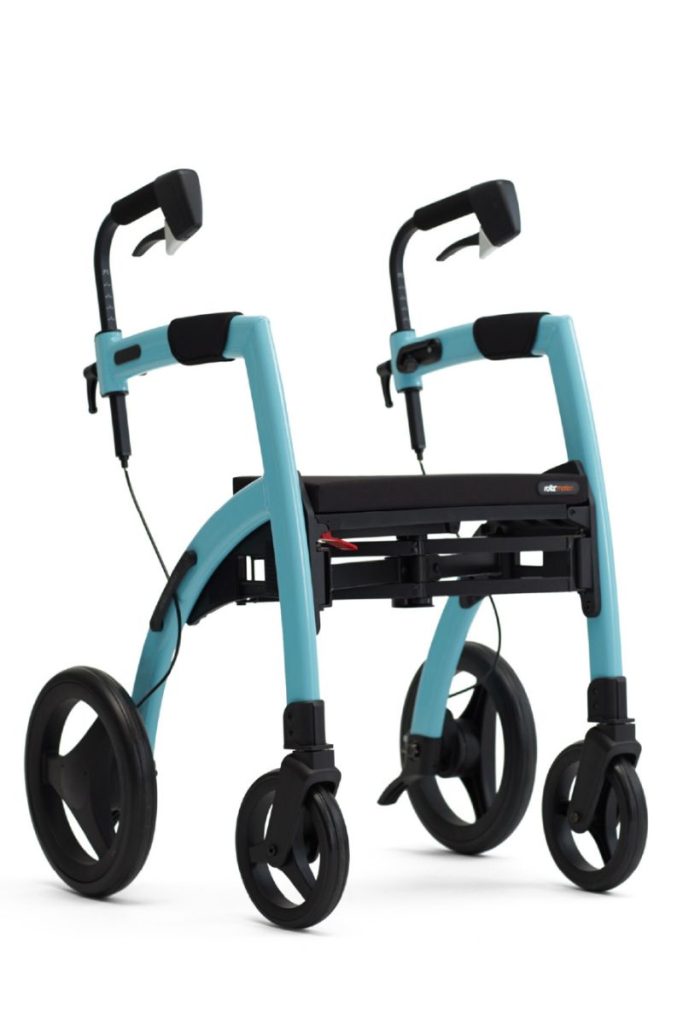
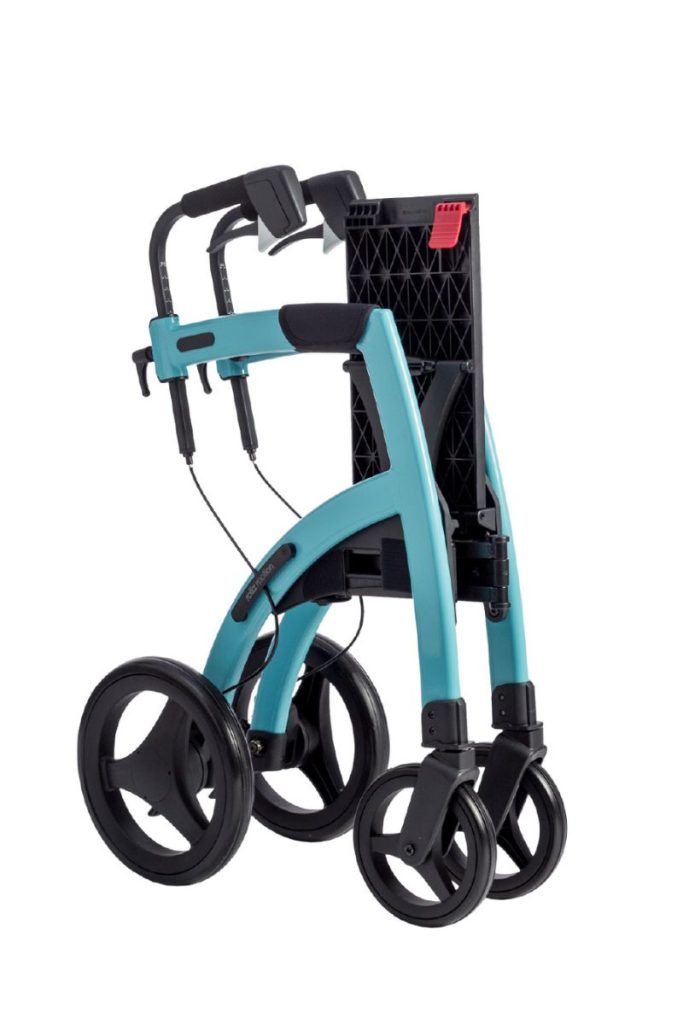
Modern technology is taking mobility aids a step further. Some devices now combine the functions of walking support and seated transport. A rollator wheelchair is one such innovation: it functions as a stable rollator for walking, but can also be transformed into a wheelchair when longer distances become too demanding. This hybrid approach reduces dependency on others and makes everyday activities – from a stroll in the park to a trip into town – more accessible.
By removing barriers to movement, these tools directly support healthier ageing. They enable people to remain active participants in their communities, which has enormous benefits for mental and social wellbeing.
Daily movement as part of lifestyle
Healthy ageing is not about grand gestures; it is about consistent, sustainable habits. Incorporating movement into everyday life – such as tending to the garden, taking stairs where possible, or enjoying short walks – keeps the body engaged. When combined with the right mobility support, these small actions accumulate into a lifestyle that promotes longevity and independence.
Healthcare professionals increasingly encourage older adults to view movement not as optional, but as integral to wellbeing. With the help of innovative solutions like rollator walkers and rollator wheelchairs, more people can adopt this mindset and enjoy the benefits well into later life.
Everyday examples of active living

Practical changes often make the biggest difference. Small adjustments throughout the day can help older adults maintain strength, balance, and independence. Examples include:
- Choosing to walk short distances rather than always using the car
- Doing a gentle stretch before breakfast to wake up muscles and joints
- Spending half an hour gardening or watering plants
- Planning short outdoor breaks to enjoy sunlight and fresh air
- Alternating between walking and using a rollator wheelchair to avoid fatigue while staying active
By blending these small, manageable habits into everyday routines, older adults can remain engaged and connected with their community.
A future of active ageing
As our population ages, the focus on mobility and independence will only grow stronger. Supporting daily movement is not just a personal benefit but a societal one, reducing the burden on healthcare systems and improving overall quality of life.
The combination of personal effort, supportive communities, and advanced mobility aids paves the way for a future where ageing does not mean slowing down, but rather adapting smartly to keep moving. Staying active, staying engaged, and staying independent – that is the essence of healthy ageing.
Images courtesy of unsplash.com and pexels.com. Wheelchair images supplied.