Recovering from fat transfer involves looking after two areas of your body at once. The area where fat was removed might feel bruised and tender, while the area receiving the fat needs time to heal as the transferred tissue establishes a blood supply.
If you’re considering fat transfer grafting surgery, understanding the first six weeks helps you plan time away from work, arrange support at home and adjust your exercise routine. Your recovery will depend on where the fat is taken from, where it is placed and how extensive the procedure is.
Why Recovery Varies With the Treatment Area
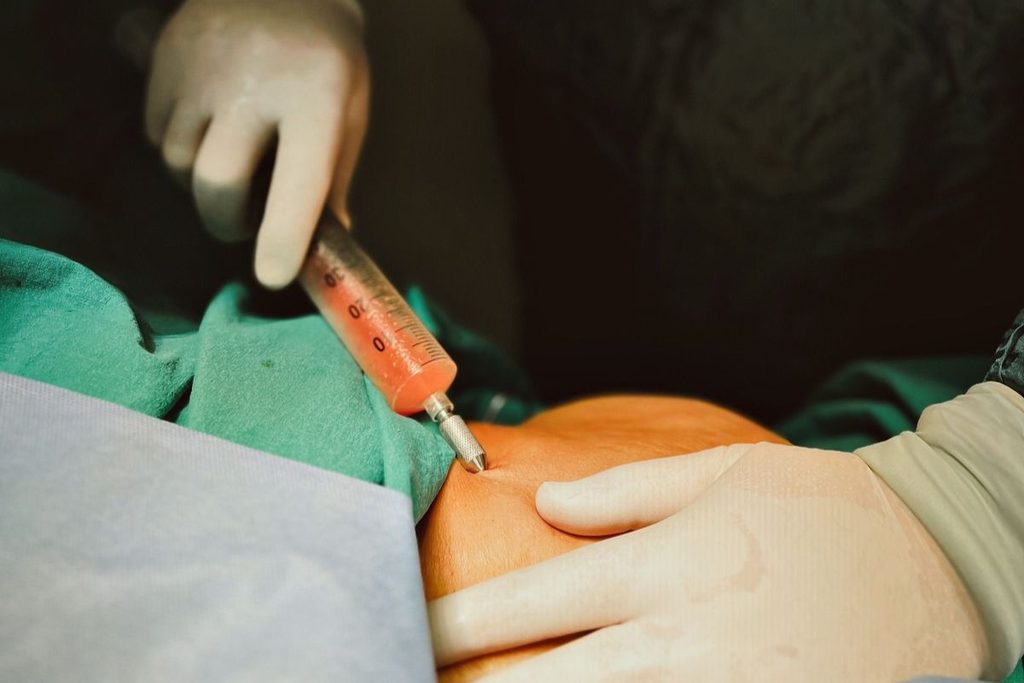
A fat transfer to the face or hands might involve a relatively small amount of fat, whereas breast or buttock augmentation often requires more extensive liposuction. These differences affect swelling, discomfort, activity restrictions and the amount of time you’ll need away from work.
Before arranging surgery, find out how your treatment area will affect your daily routine. CREO Clinic’s information on fat transfer in London explains the expected recovery periods, from returning to everyday activities to the months needed for the results to settle. Your surgeon should explain how these timings apply to your planned procedure.
Sleeping arrangements also deserve consideration. After fat transfer to the buttocks, the British Association of Aesthetic Plastic Surgeons (BAAPS) recommends avoiding pressure on the grafted area for the first two weeks. Your surgeon should explain how to adapt your sitting and sleeping positions during this period.
The First 48 Hours After Surgery
Many fat transfer procedures take place as day cases, although some patients require overnight observation. Arrange for someone to take you home and, following general anaesthesia or sedation, have a responsible adult stay with you for at least the first 24 hours.
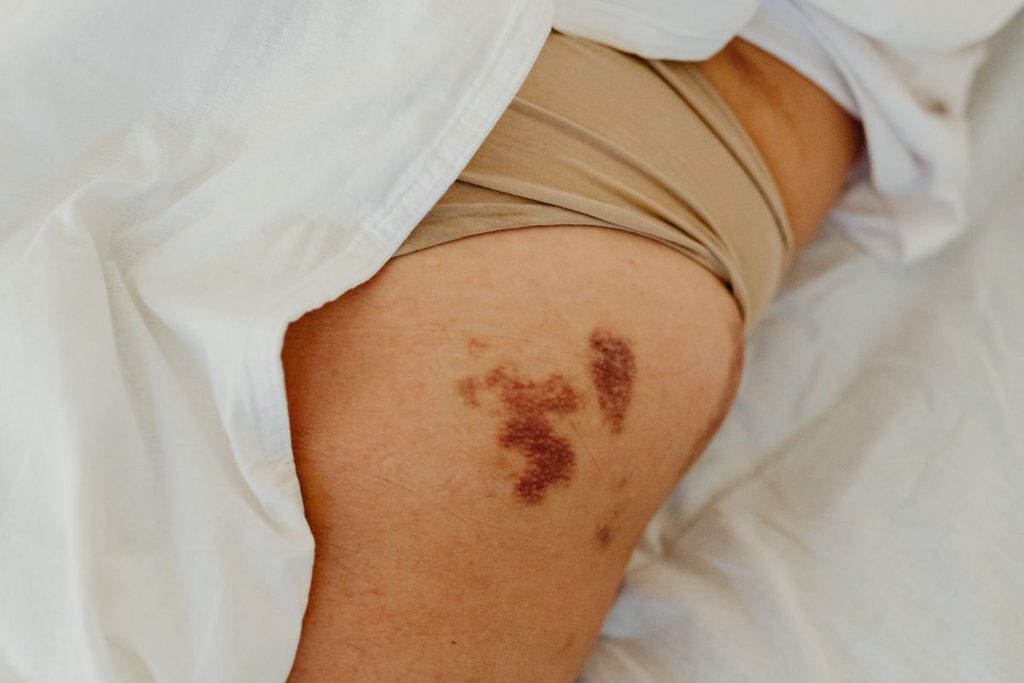
Expect some tenderness, bruising and swelling around the donor site, meaning the area from which the fat was removed. You might also notice swelling and temporary changes in sensation around the recipient site, where the fat was injected.
Your surgeon might recommend a compression garment over the areas treated with liposuction to help manage swelling and support the tissues during healing. Compression over the area receiving the fat requires different considerations and should follow instructions for your particular procedure.
Although you’ll need plenty of rest, remaining in bed throughout the first two days is not advisable unless medically necessary. Gentle movement, once your surgical team confirms you are ready, helps maintain circulation and reduce the risk of blood clots.
Weeks One and Two
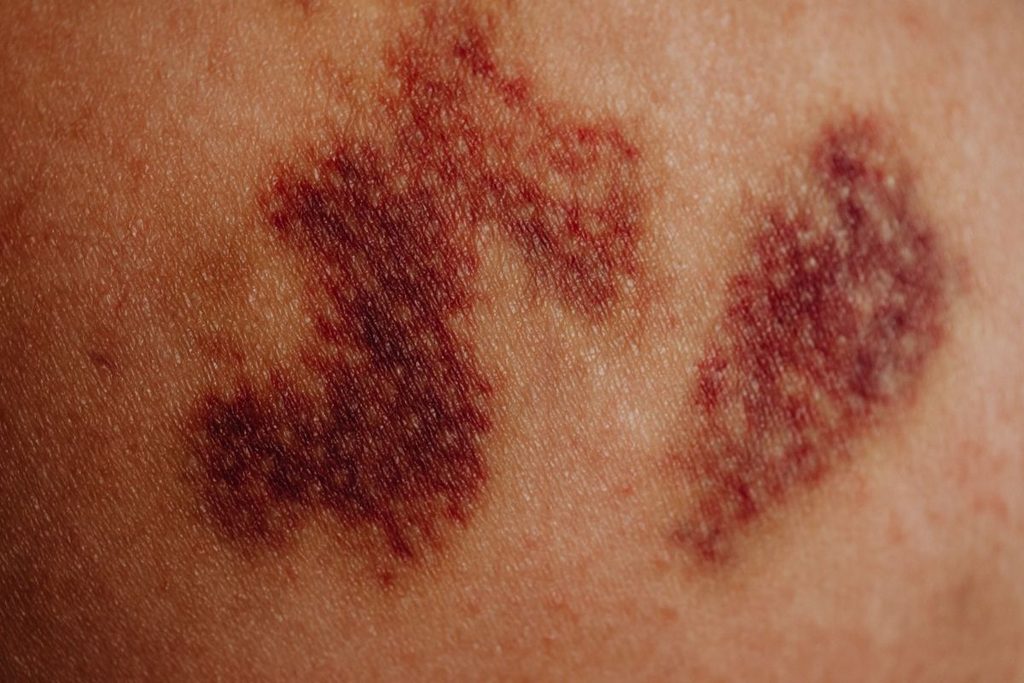
Bruising often becomes more noticeable during the first few days before gradually fading. The donor area might feel particularly tender when you change clothes, get out of bed or move after sitting for a while. Swelling around the recipient site might also make the treated area appear fuller than you expected.
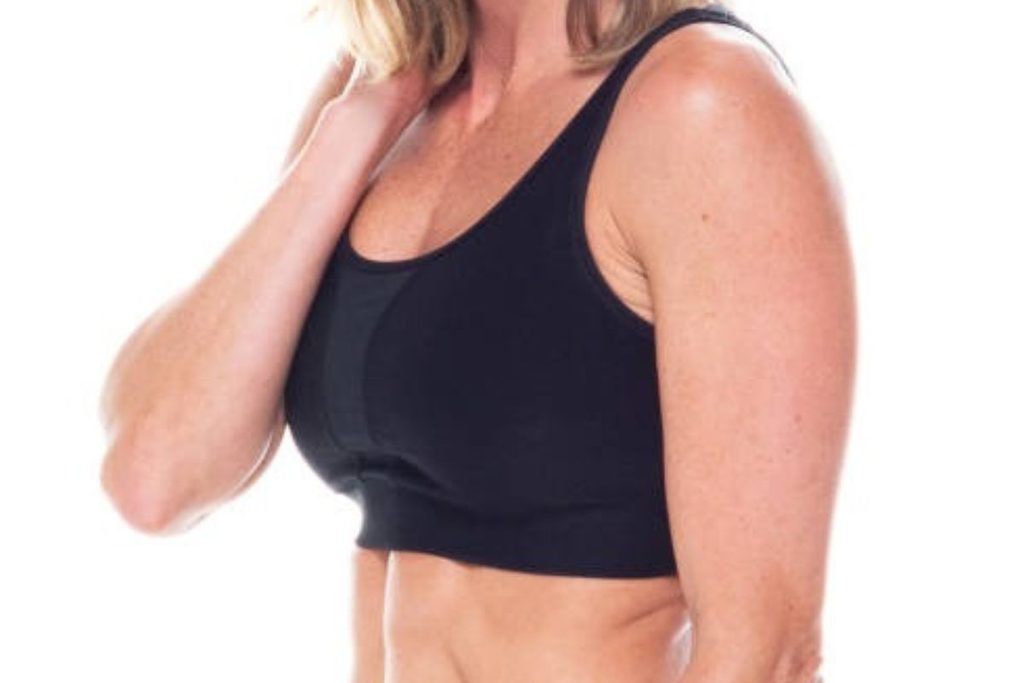
The advice on breast fat transfer London surgeons give you should cover bra selection and sleeping positions. Any recommended bra should offer support without placing excessive pressure on the grafted area.
Many patients return to desk-based work within one to two weeks, although more extensive procedures and physically demanding jobs might require additional time off. Facial swelling or visible bruising might also influence when you feel comfortable attending meetings or social events.
If you normally care for young children or carry heavy shopping, arrange help during this period. Feeling less sore does not necessarily mean your tissues have healed enough for lifting or strenuous activity.
Weeks Three and Four

As tenderness decreases, walking and light household activities often become more comfortable. You might still notice firmness or numbness around the areas treated with liposuction, and some clothing might feel uncomfortable against sensitive skin.
Around week four, your surgeon might begin adjusting your activity restrictions. Light exercise and more demanding workouts need separate consideration, especially when movements place pressure on the recipient area.
Continue wearing any prescribed compression garments for the recommended period rather than removing them as soon as bruising improves. After breast fat transfer, some surgical teams recommend donor-site compression for four to six weeks.
Avoid smoking during recovery and follow your surgeon’s instructions regarding vaping and other nicotine products. Smoking interferes with tissue healing and might reduce the amount of transferred fat that survives. Maintaining a balanced diet and avoiding restrictive weight-loss programmes also support recovery.
Weeks Five and Six
By this stage, the reduction in swelling should give you a clearer sense of the changes in shape and volume. Small scars from the liposuction incisions might still appear pink or feel firm. They usually become less noticeable over the following months but do not disappear entirely.
Some patients are ready to resume more demanding physical activities by week six. Others need longer, particularly after extensive liposuction or fat transfer to areas that experience pressure during exercise. Your surgeon should confirm when you are ready to return to your previous routine.
A reduction in fullness does not necessarily mean the procedure has been unsuccessful. Early volume reflects both swelling and the newly transferred fat. As healing progresses, swelling decreases and the body reabsorbs some of the transferred fat.
Fat cells that successfully establish a blood supply survive as living tissue within the recipient area. The NHS advises that the full effect of surgical fat transfer might take up to six months to become apparent. Week six marks a stage in recovery rather than the point at which the final outcome should be judged.
Recognising When Recovery Needs Medical Attention
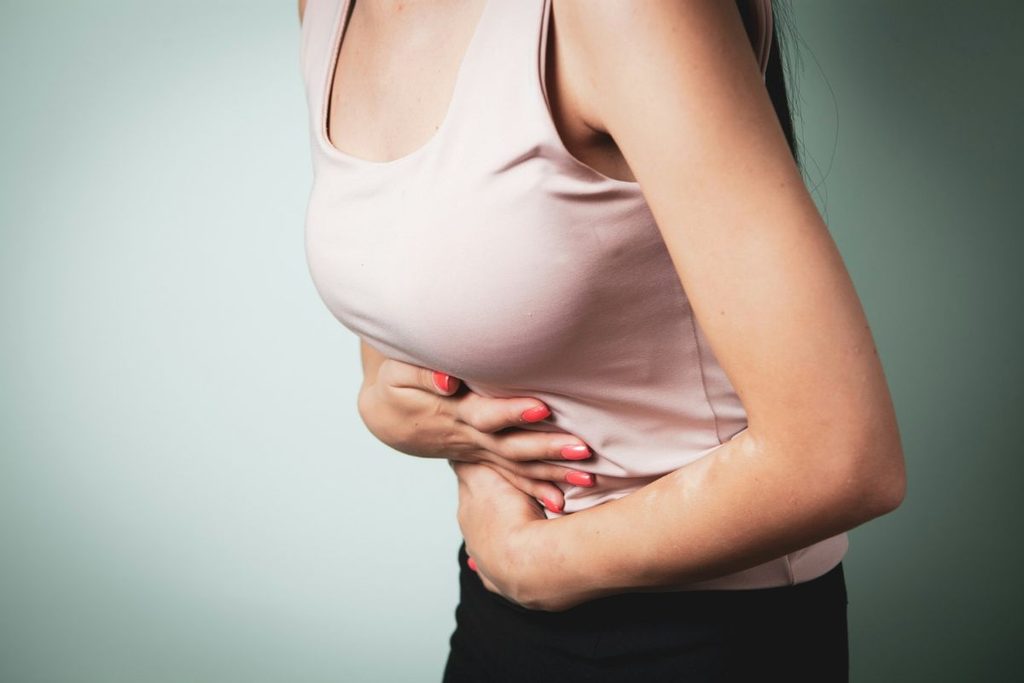
Some swelling, bruising and temporary numbness are expected after fat transfer, but symptoms that become worse rather than gradually improve need medical assessment.
Contact your surgical team promptly if you develop increasing pain, redness, heat around an incision, fever or unusual wound discharge. New lumps in the treated area should also be assessed, as they might be associated with fat necrosis, meaning fat tissue that has lost its blood supply and died. If you cannot reach your surgical team, contact NHS 111 for urgent medical advice.
Pain and swelling in one leg require urgent medical assessment because they might indicate a blood clot. Sudden breathing difficulties, chest pain or collapse require emergency assistance. Call 999 rather than waiting for your next surgical appointment.
The first six weeks after fat transfer are best understood as a period of healing rather than a deadline for full recovery. Returning to your usual activities should depend on how your body responds and your surgeon’s assessment, while the final changes in shape and volume might take up to six months to emerge.
Images courtesy of unsplash.com and pexels.com