Confidence is often associated with appearance, but feeling good about yourself involves much more than what you see in the mirror. Emotional wellbeing, personal achievements, relationships and the ability to make decisions independently all influence how comfortable we feel in our own skin.
For many women, self-care has become an important part of maintaining that balance. Yet the meaning of self-care continues to evolve, extending beyond traditional beauty routines to include mental health, personal boundaries and individual choices about appearance and confidence.
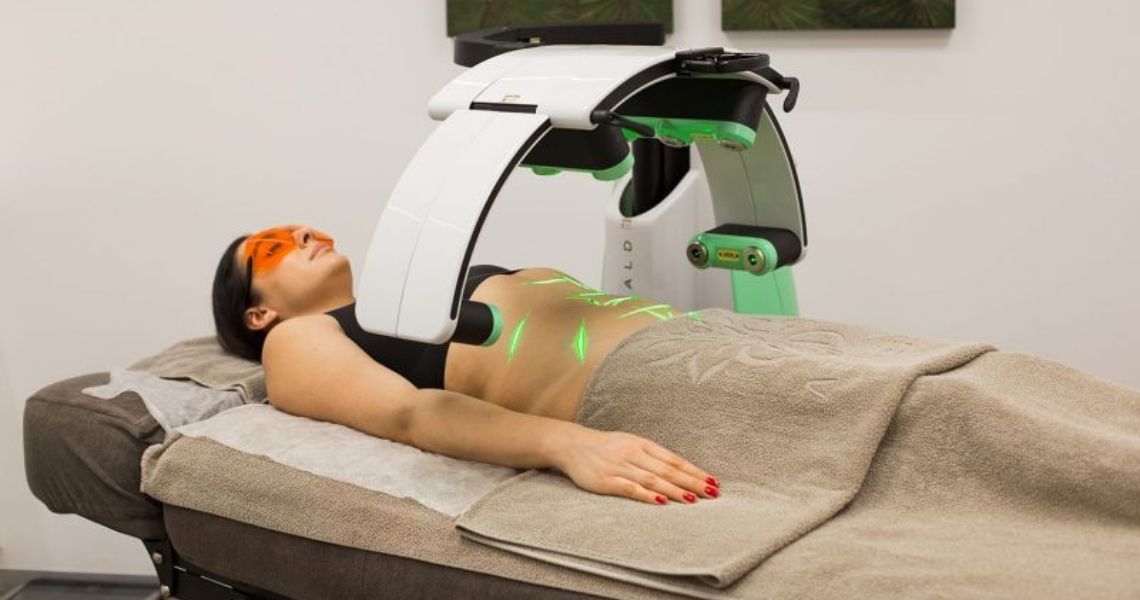
Aesthetic treatments have also become part of this conversation, raising questions about how beauty, confidence and wellbeing intersect.
What Confidence Really Means

Self-confidence develops through experiences, achievements and the way we perceive ourselves. It can fluctuate throughout life, particularly during periods of change.
Starting a new career, navigating motherhood, experiencing relationship difficulties or adjusting to ageing can all influence how someone feels about themselves.
Although appearance may contribute to confidence, it shouldn’t determine a person’s sense of worth.
Someone might feel more comfortable after changing their hairstyle or improving their skincare routine, while another person gains confidence through learning a new skill or overcoming a personal challenge.
Recognising these different sources of confidence helps create a healthier understanding of self-care.
Where Aesthetic Treatments Fit Into Self-Care
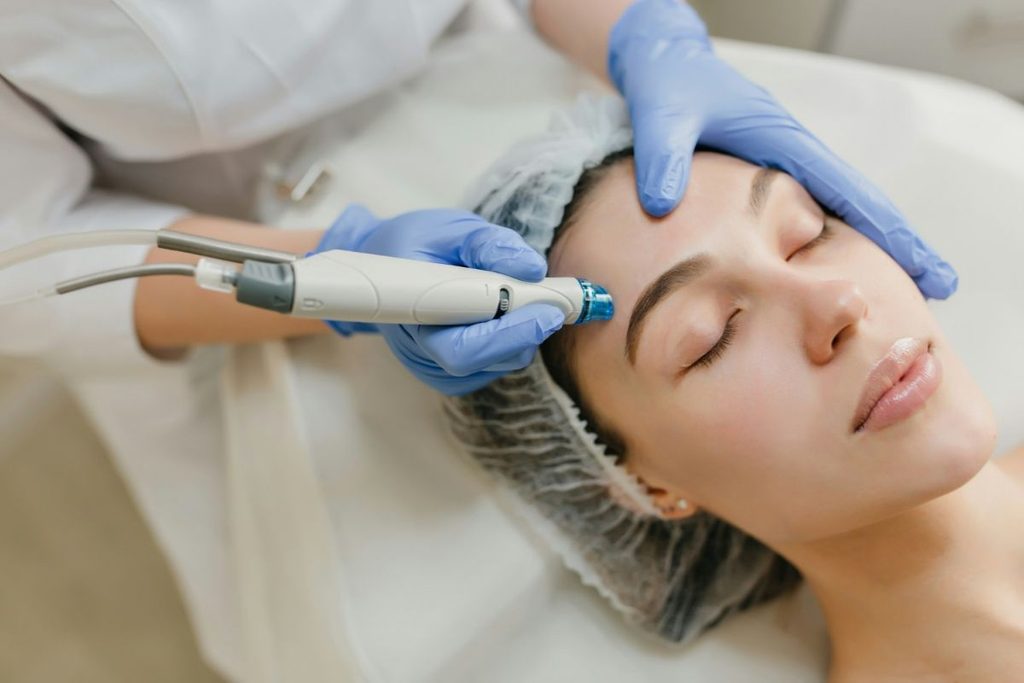
Modern aesthetic treatments offer people additional options for managing aspects of their appearance. For some, these procedures are simply another form of personal grooming or self-expression.
However, cosmetic treatments should always be approached with realistic expectations and an understanding of the potential risks.
The growing importance of professional education within aesthetic medicine reflects the need for responsible practice. Training providers such as Interface Aesthetics offer specialist education for qualified healthcare professionals, focusing on clinical knowledge, practical skills and patient safety.
Choosing a properly qualified practitioner and having an honest consultation are essential steps for anyone considering treatment.
It’s equally important to recognise that aesthetic procedures cannot resolve deeper emotional difficulties or guarantee greater self-esteem.
Moving Away From External Expectations

Social media has complicated the relationship between appearance and confidence. Carefully edited photographs, beauty trends and constant exposure to other people’s lives can encourage unrealistic comparisons.
These pressures may leave individuals questioning features they previously felt comfortable with.
Developing a healthier relationship with appearance involves recognising the difference between personal preferences and external expectations.
Before making significant changes, it can be helpful to consider the motivation behind them. Is the decision genuinely personal, or is it influenced by pressure to resemble someone else?
There is no universal answer to what makes someone feel attractive or confident. The freedom to make informed choices without judgement is far more valuable than following a particular beauty standard.
Building Self-Care Habits That Support Lasting Confidence
While beauty treatments may form part of someone’s self-care routine, everyday habits often provide a more consistent foundation for wellbeing.
Regular physical activity, sufficient rest, and maintaining supportive relationships can contribute to emotional resilience.
Setting boundaries is equally important. Constantly prioritising work, family responsibilities or other people’s needs can leave little time for personal interests.
Making space for enjoyable activities, exploring creative hobbies or simply spending time alone can help individuals reconnect with themselves.
Self-care also involves recognising when additional support might be beneficial, including speaking with a counsellor or working with a qualified coach to explore personal goals.
Choosing Confidence on Your Own Terms

The relationship between aesthetics and self-care doesn’t need to be complicated. Some people enjoy beauty treatments, while others prefer a completely natural approach to ageing and appearance.
Neither decision reflects how confident, successful or fulfilled someone is.
What matters is developing a sense of self-worth that extends beyond physical characteristics and recognising that personal wellbeing deserves regular attention.
When self-care is guided by individual needs rather than social expectations, it becomes an opportunity to strengthen confidence, celebrate personal identity and feel more comfortable making choices that genuinely reflect who you are.
Images courtesy of unsplash.com and pexels.com