It takes quite a bit of courage to voluntarily enter alcohol rehab. For a lot of people struggling with alcohol though, taking those final steps toward the clinic door feels like walking through a thick fog of anxiety. It is normal. For the alcoholic, preparing to leave behind what has become the primary coping mechanism is rarely easy.
The good news is that most of the fears surrounding rehab are rooted in either old stereotypes or outright myths. The alcohol abuser’s brain also does not want to lose access to its supply, so it is fighting the urge to come clean. But if a person is willing to make those final steps to enter alcohol rehab, all the fears and anxieties can be overcome with a different mindset.
Here are six common fears related to rehab:
1. Cold Turkey Withdrawal (and its physical toll)

The primary fear for so many is the pain and discomfort of withdrawal. It is driven by images of being forced to quit cold turkey. Decades ago, cold-turkey detox was the norm. But things have changed. Cold turkey is rarely used as an alcohol rehab treatment in the UK.
There is no need to fear a week of unbearable withdrawal symptoms. What is rehab? Residential rehab provides a medical environment designed specifically to ensure your safety and keep you as comfortable as possible.
You will receive around-the-clock medical care along with prescription medications that help ease withdrawal symptoms. Your detox will be gradual rather than sudden, so you will not be fighting your way through it.
2. The Agony of Being Locked Away
Hand-in-hand with the cold turkey misconception is the belief that rehab patients are locked away like prisoners. They are not. Patients aren’t shut out from the rest of the world. They are not isolated in individual rooms where they have no contact with others for days or weeks at a time.
Although modern alcohol rehab clinics are medical settings, they feel more like retreats than hospitals. They are closed environments in the sense that staff do everything possible to make sure there are no alcohol triggers. Yet within the facility, patients enjoy regular activities, nutritional meals, and plenty of free time to socialise and enjoy the grounds. Most clinics even allow loved ones to visit.
3. Embarrassment, Judgement, and Stigma

Drug users and alcoholics tend to carry a deep sense of shame and guilt about their addictions. This can lead to a fear of rehab based on the assumption that the rehab environment is one of embarrassment, judgement, and stigma. Here is the truth: none of those things are present in a modern UK rehab clinic.
Clinics strive to maintain shame-free spaces. Staff members understand that addiction is not a character flaw. They are not there to judge those for whom they are caring. In addition, your fellow residents are experiencing the same things. You are more likely to get an understanding nod than a judgmental glare.
4. Having to Live Without the Crutch
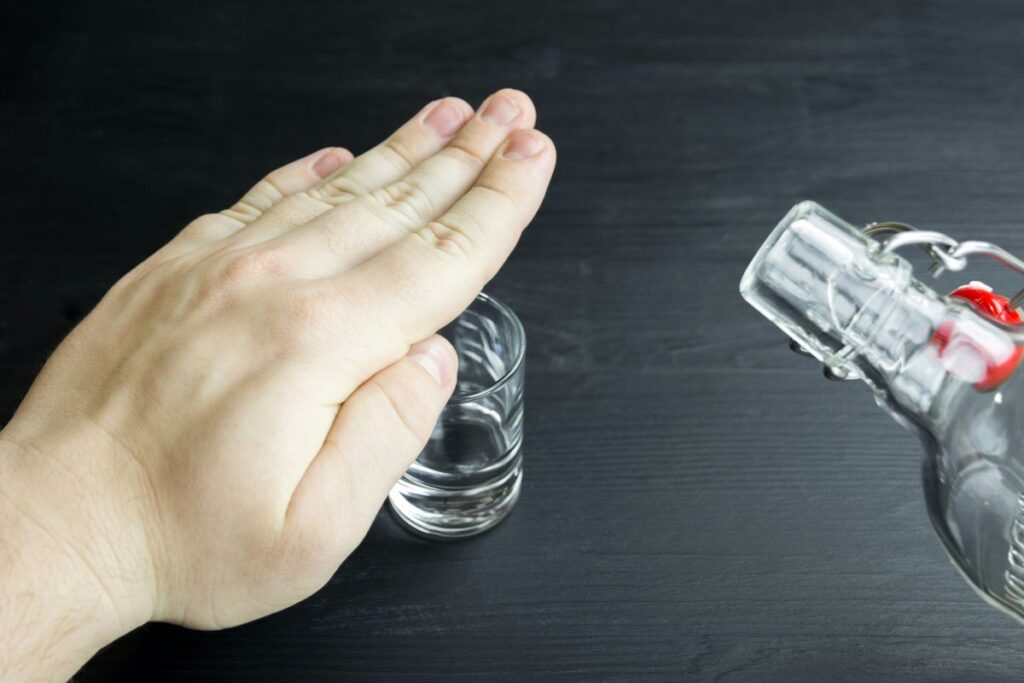
Alcohol becomes a crutch for those who are dependent on it. That can lead to a tremendous amount of anxiety as a person tries to imagine life without their crutch. After all, how was it possible to attend a wedding or go out with friends on a weekend and not drink?
One of the things rehab seeks to do is rewire the brain so that the alcoholic no longer looks at alcohol as a crutch. Rehab doesn’t just take away the alcohol; it offers a whole new toolkit for life. Patients are introduced to new hobbies. They are taught coping skills and avoidance tactics. Most importantly, rehab lifts the fog of addiction so that patients can see life more clearly.
5. Loss of Career and Reputation

You might fear alcohol rehab because you’re convinced it will mean the end of your career. Or perhaps you are afraid your reputation will be ruined. Here is the good news: as a medical treatment, alcohol rehab is kept strictly confidential. People outside the clinic know only as much as you choose to share with them.
Also consider that your employer would rather have you sober and productive than continuing to struggle through work as an alcoholic. Taking a month away from work to get yourself off alcohol is actually a career and reputational boost.
6. The Fear of Failure

Finally, the fear of failure could be strong enough to prevent you from seeking alcohol rehabilitation. You don’t want to try, fail, and go back to square one. But look at it this way: you have as much chance of succeeding as you do of failing. Not going to rehab definitely means you won’t fail. But it also means you will not succeed. You’ll have to continue living with alcohol and its consequences.
Rehab fears are real. They can be difficult to overcome. Hopefully, you now have a better understanding of why you don’t need to be afraid. You can overcome your fears with a different mindset, a mindset based on the realities of modern rehab instead of the myths and stereotypes you have always believed.
Images courtesy of unsplash.com and pexels.com