Italy is well-established as one of the foodie capitals of Europe, offering incredible depth of flavour across the country, from pasta and focaccia to truffles and, of course, wine. With over 20 diverse regions, each boasting its own culinary traditions, choosing the best destination to match your tastes, especially one that isn’t a major tourist hotspot, can be challenging.
Destinations like Piedmont and Sicily are home to so many beautiful towns and villages serving authentic Italian cuisine, yet many areas are often overlooked if you’re a foodie in favour of major cities like Florence and Rome.
As 63% of travellers search for ‘detour destinations’, or hidden gems, in 2025¹, Heather Green, Head of Product at Citalia, has shared insights into some of the best destinations in Italy to go “off the eaten path”, including the must-try local dishes, and local spots to savour.
1. Bra – Piedimont
“Nestled in the region of Piedmont are the cobbled streets of Bra, a quiet town known for taking food and life at a slow, leisurely pace. The Slow Food Movement was founded in Bra in the 1980s in response to the rise of fast food and junk food. It focuses on celebrating and preserving traditional cuisine where fresh flavours and ingredients are paramount.
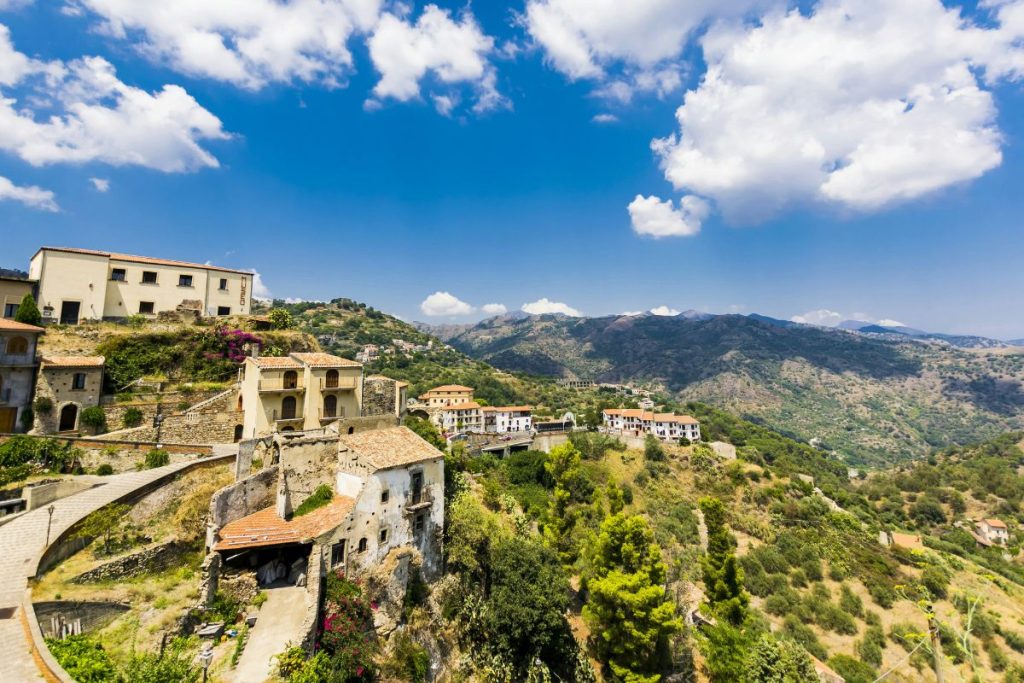
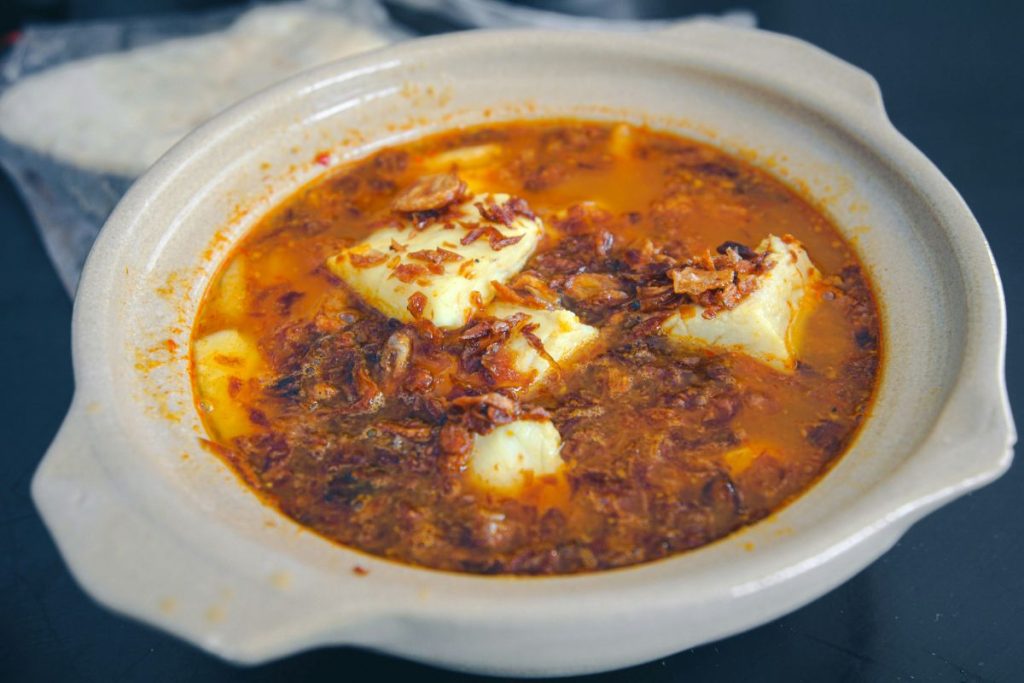
“Bra is known for growing some of the rarest and most prestigious truffles, the white truffles of Alba. The region is also known for their meat produce and meaty dishes, including vitello tonnato (slices of veal with a tuna sauce), bollito misto (mixed boiled meats) and salsiccia di Bra (Bra sausage).”
2. Santa Maria di Castellabate – Campania
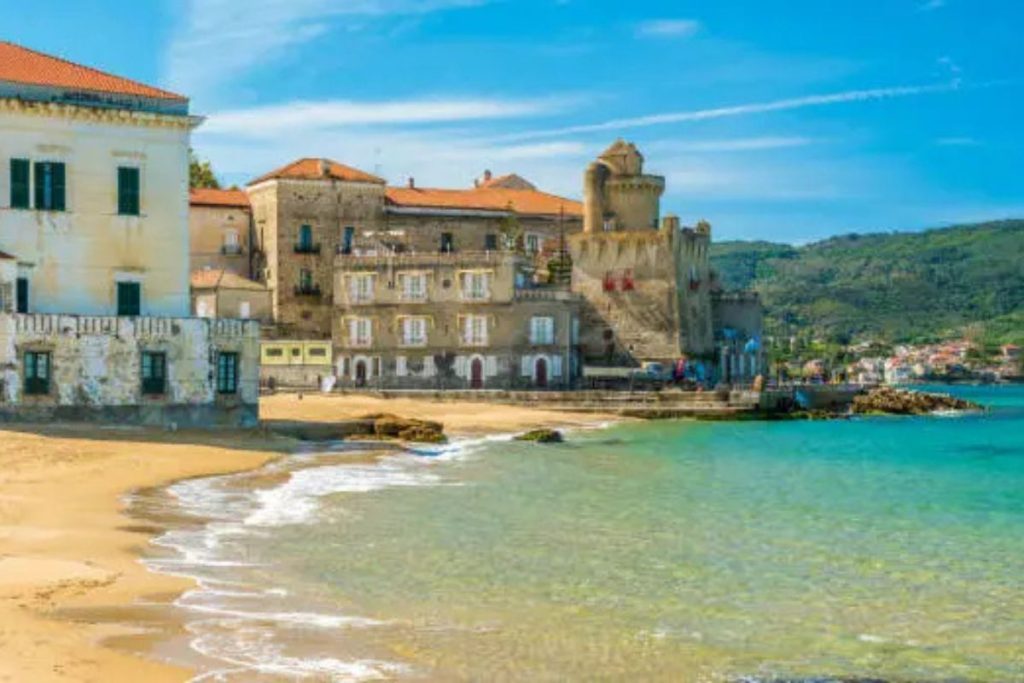
“Famous for its hilltop towns, charming villages and breathtaking Blue Flag beaches, Santa Maria di Castellabate is a slow tourism destination with an appetite. Known for enjoying a varied diet of fresh fish and seasonal ingredients, the region is home to a high percentage of centenarians. Sample local dishes such as fusilli cilentani (fusilli pasta and ragout) and mozzarella di bufala (buffalo mozzarella) and discover the hidden food secrets that are said to promote health and longevity.
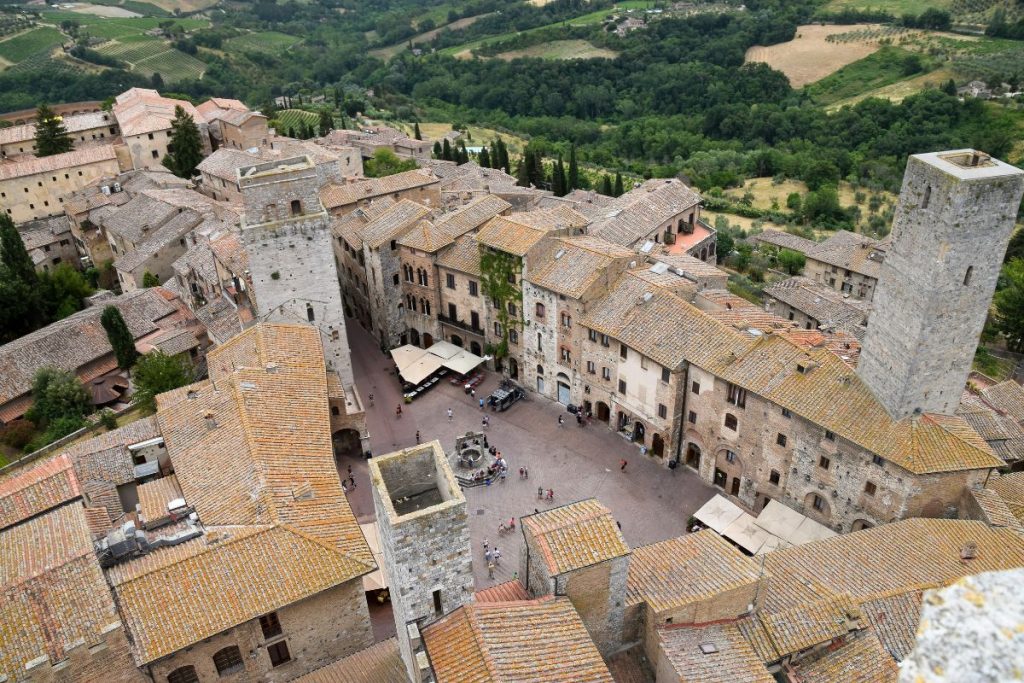
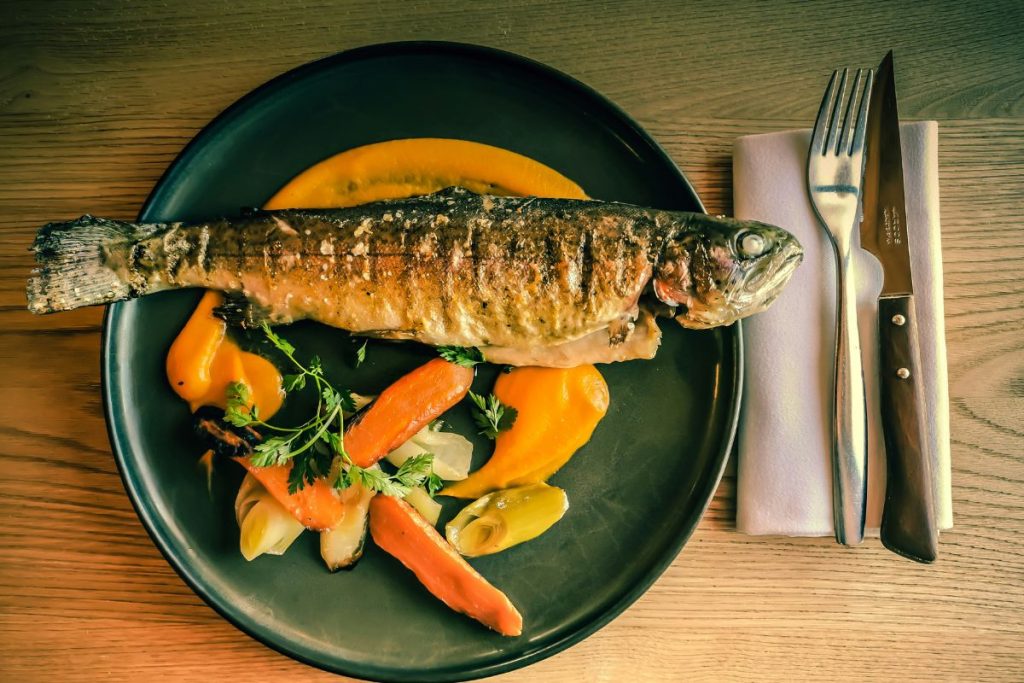
“The destination is also wonderful for satisfying your cultural appetite, as it is close to several UNESCO World Heritage sites. During your travels, be sure to visit the ancient Greek temples of Paestrum and the stunning coastline of the National Park of Cilento. And despite its small size, the town also has its own Michelin-star restaurant, Osteria 1861.”
3. Parma – Emilia Romagna
“Emilia Romagna is an absolute pilgrimage for foodies, and beyond the capital Bologna, there are many hidden gems waiting to be explored. Entrenched in culinary tradition, Parma is a cultural and foodie powerhouse, leaving you spoilt for choice for amazing dining experiences. Pasta wouldn’t be the same without authentic Parmigiano Reggiano, the special type of parmesan cheese made only in Parma. The city is also known for Prosciutto di Parma (Parma ham).
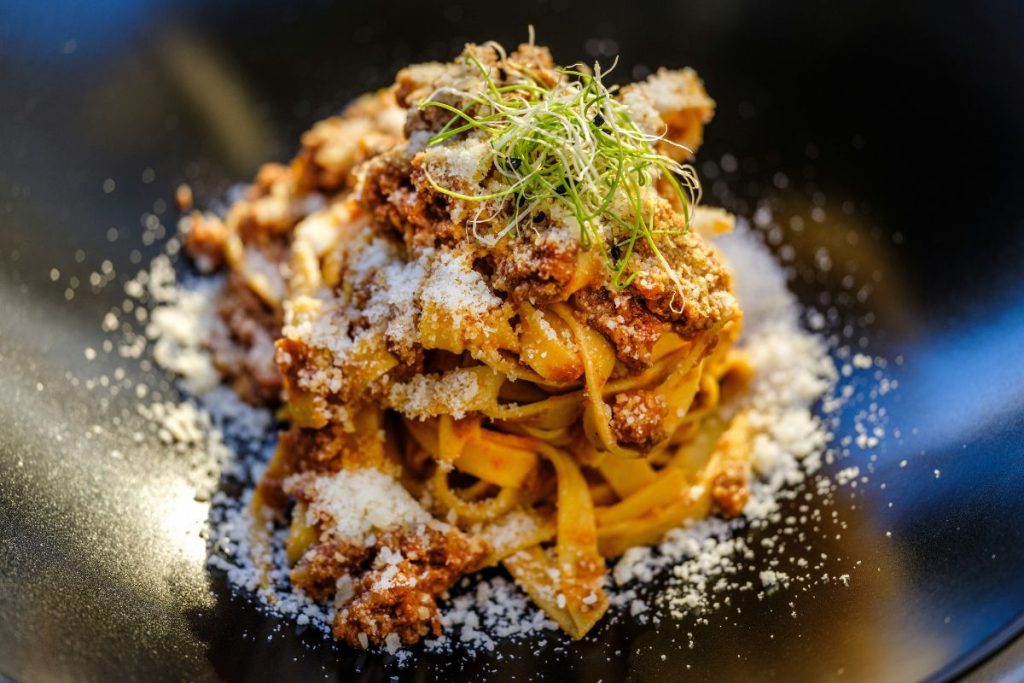
“For a masterclass in all the local delicacies in the Emilia Romagna region, make sure to include a visit to the Grand Tour Italia experience. Explore the wine and food culture of Italy’s 20 regions with a range of immersive cooking classes, workshops and attractions.”
4. Chivari – Liguira
“The Chivari region is known for its local specialities, including focaccia, pesto and farinata (savoury chickpea pancake). Nestled on the coast of Liguria, the seaside town of Chiavari is full of old-world charm, sandwiched between Genoa and Cinque Terre. When in Chiavari, do as the locals do and dunk your focaccia in your morning cappuccino. You haven’t embraced true Genoese eating until you do.”
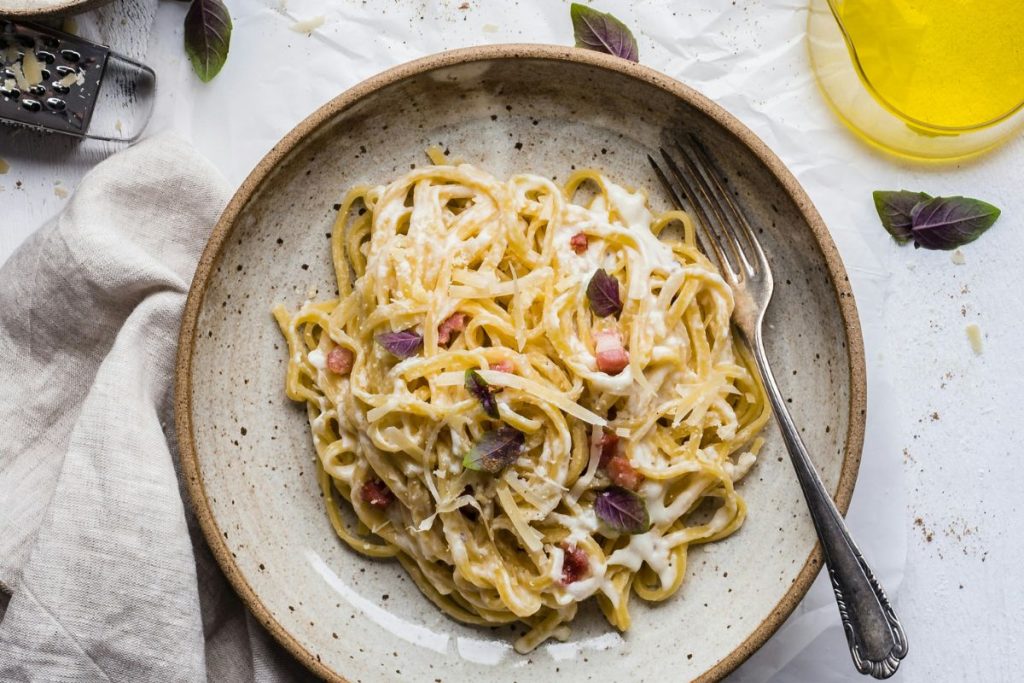
“Chiavari offers some excellent local trattorias (small casual restaurants) that specialise in simple and delicious dishes. Da Vittorio is one such restaurant – they won’t have a menu, but if they have it on the menu of the day make sure to sample the authentic trofie al pesto pasta and fresh seafood dishes.”
5. Ceglie Messapica – Puglia
“Puglian cuisine is known for its rustic, fresh, and simple flavours and is often referred to as cucina povera (peasant cuisine) because it relies on humble but high-quality ingredients. Ceglie Messapica is a small town in the Valle d’Itria (Itria Valley) known for its vibrant food scene, harnessing the traditional flavours of local olive oil, bread, homemade pasta and wine.
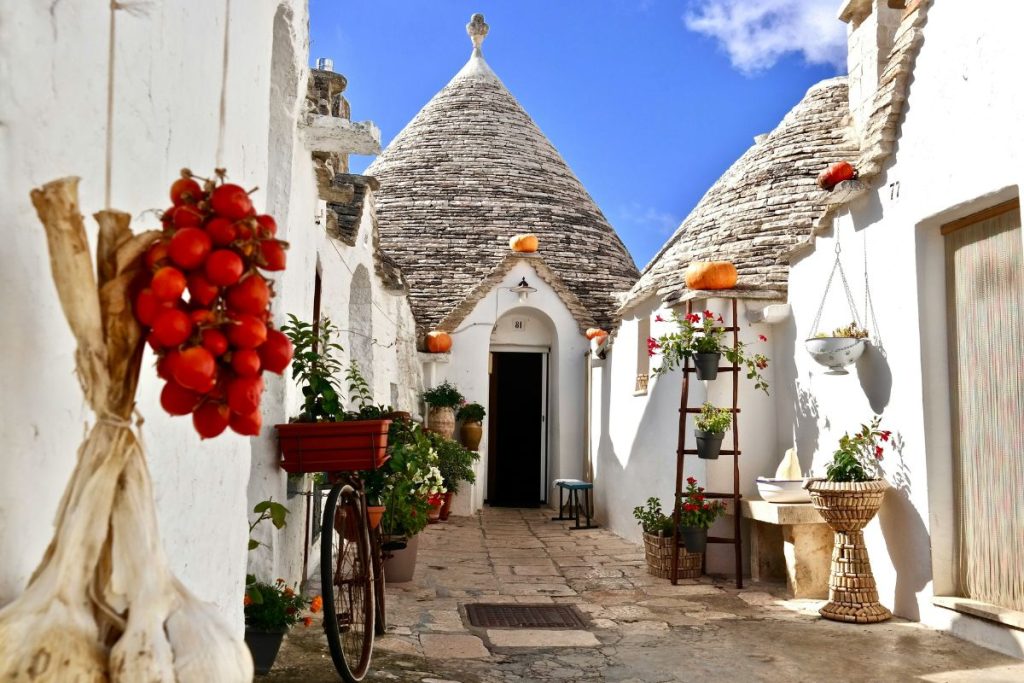
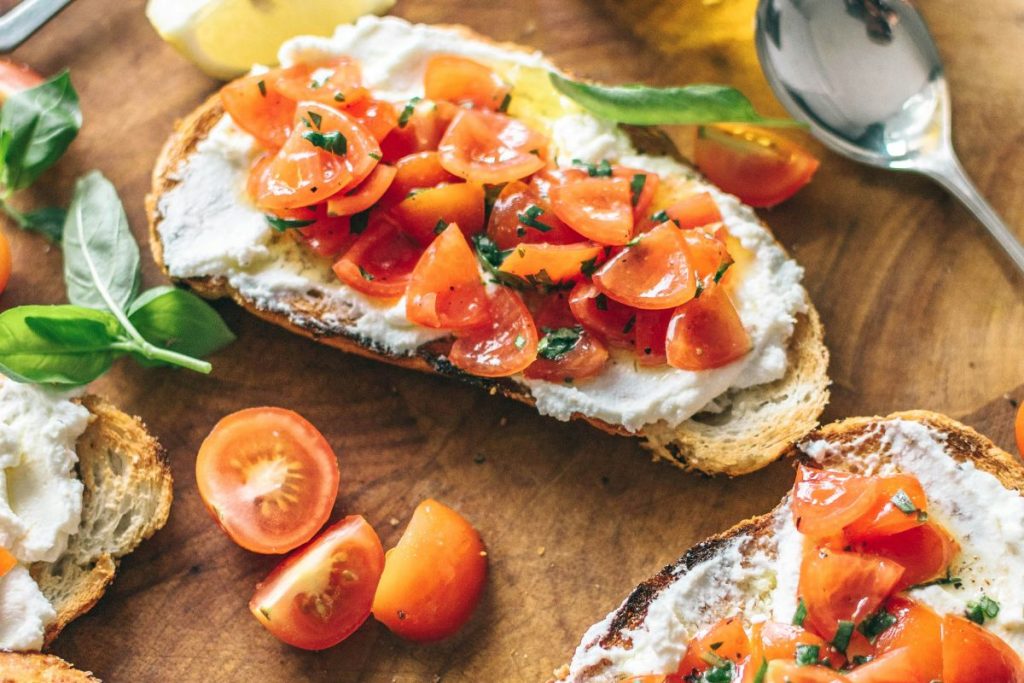
“Local delicacies include biscotti Cegliese (almond-filled pastry), focaccia barese (focaccia with fresh tomatoes and olives), Orecchiette con le cime di rapa (ear-shaped pasta with greens, garlic, and anchovies). Meanwhile, the Puglian region is famous for its burrata cheese – a ball of buffalo mozzarella filled with creamy milk curds – so don’t miss out.”
6. Ragusa – Siciliy
“While destinations like Palermo, Catania, and Messina are known for their food scene, there are many other destinations that are off the beaten track and serve authentic Sicilian food experiences away from the crowds.
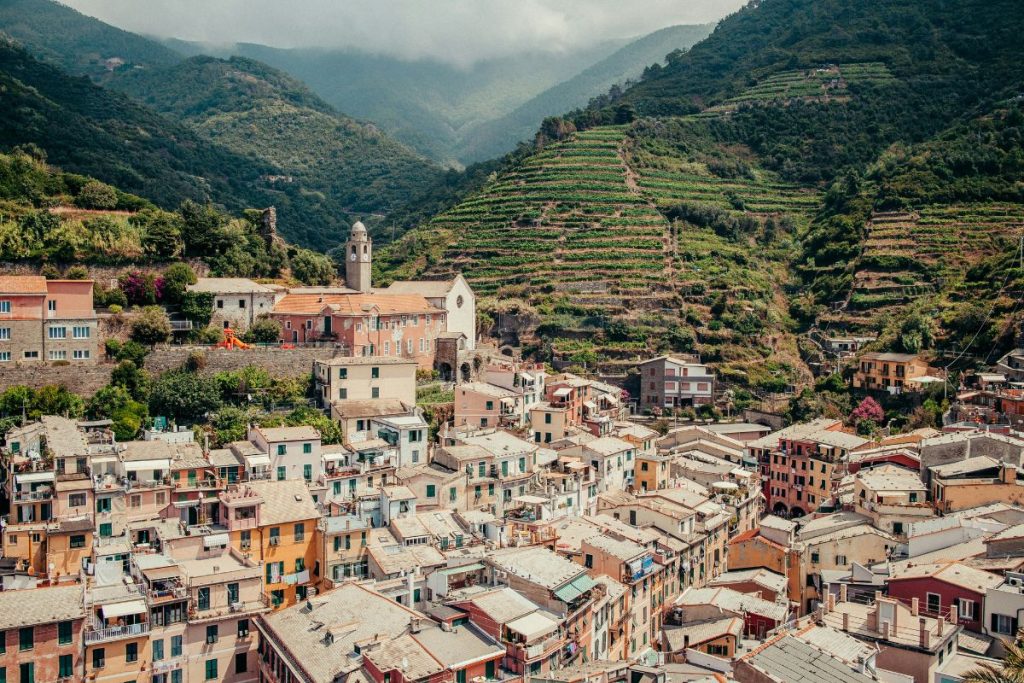
“Located in southeastern Sicily, Ragusa is known for its Baroque architecture and incredible food scene. Ragusa’s old town, Ragusa Ibla, is dotted with charming trattoria and osteria restaurants that serve rustic, traditional dishes.”
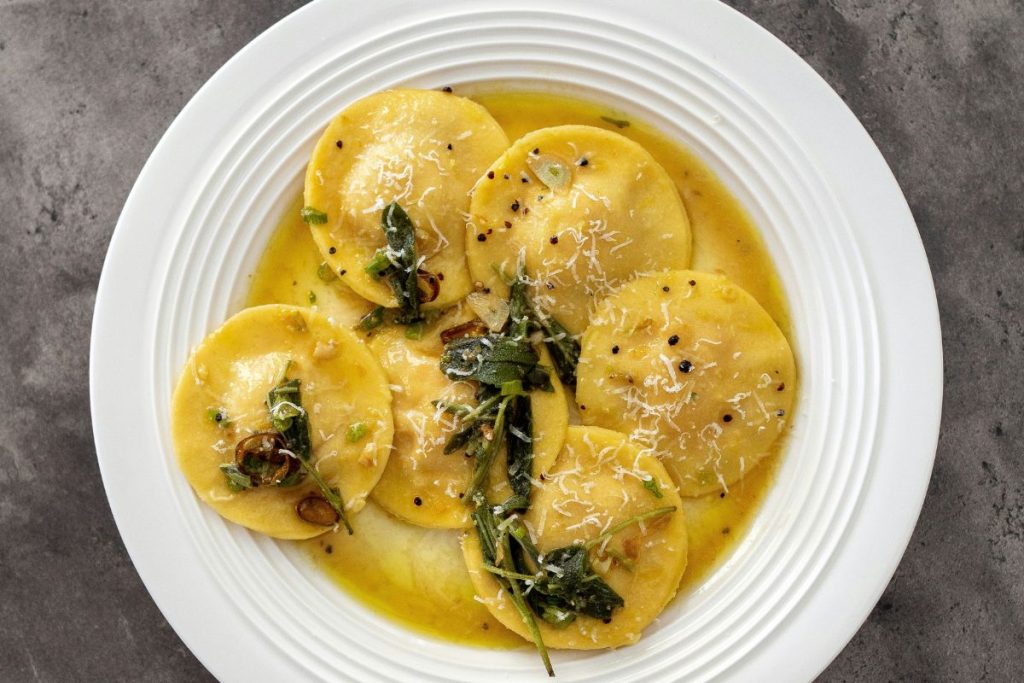
“The region is famous for its Ragusano cheese, another PDO (Protected Designation of Origin) cow’s milk cheese that can only be prepared in Ragusa. During your visit, make sure to sample local specialities such as caponata (aubergine stew), arancini (stuffed rice balls), and pasta alla Norma (pasta with aubergine, ricotta, and tomato sauce).”
Commenting on how to find authentic Italian foodie experiences, Heather says ““Doing your research is especially important for a foodie holiday. Some of the best recommendations can be found in local community threads such as Reddit, travel blogs, and through word of mouth.
“If you’re a foodie, look beyond the busy piazzas and seek out trattorias and osterias frequented by locals, these eateries often serve traditional dishes made with fresh, regional ingredients. Pay attention to seasonal specialities and be open to trying lesser-known regional dishes. Beyond fine dining, authentic flavours can be found at local street food markets, where recipes have been passed down for generations.
“At Citalia, we work closely with regional experts to uncover the best hidden gems, so travellers can relax knowing they’re going to be experiencing the real Italy.”
To view off-the-eaten path destinations to visit across Italy, in regions such as Tuscany and Umbria please visit: https://www.citalia.com/blog/best-food-destinations-in-italy/
Images courtesy of unsplash.com and pexels.com