Traditional grains like spelt, einkorn, and emmer are gaining renewed interest in contemporary diets. These grains offer unique flavours and nutritional benefits that are appealing to health-conscious consumers. Their historical significance and versatility make them a valuable addition to modern culinary practices.
Interest in traditional grains has surged as people seek healthier and more sustainable food options. These grains, once overshadowed by modern wheat varieties, are now celebrated for their rich history and nutritional profiles. Learn more about ancient grains to integrate them into your diet, as they can provide a connection to ancient agricultural practices while enhancing the diversity of your meals.
Historical Roots Of Traditional Grains
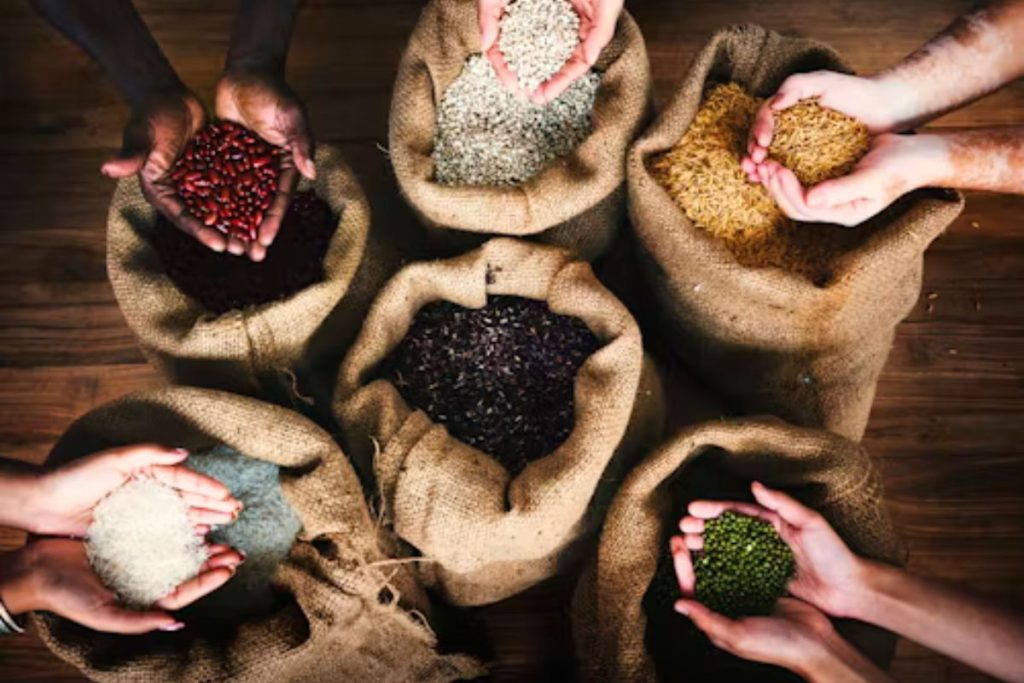
The cultivation of traditional grains dates back thousands of years, serving as staples in ancient civilizations. Spelt, einkorn, and emmer were among the first domesticated crops, valued for their adaptability and resilience. These grains were integral to the diets of early societies, providing essential nutrients and energy.
Archaeological findings have uncovered remnants of these grains in ancient settlements, highlighting their importance in early human history. They were more than just food; they were part of cultural rituals and traditions. Despite the rise of modern agriculture, these grains have persisted, thanks to their unique qualities and historical significance.
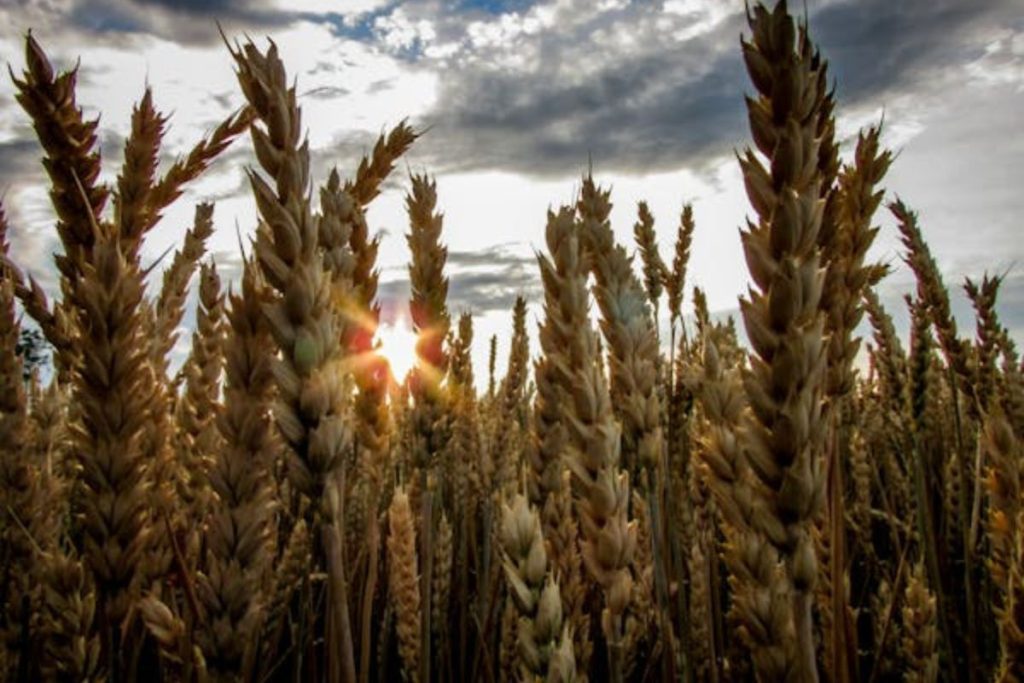
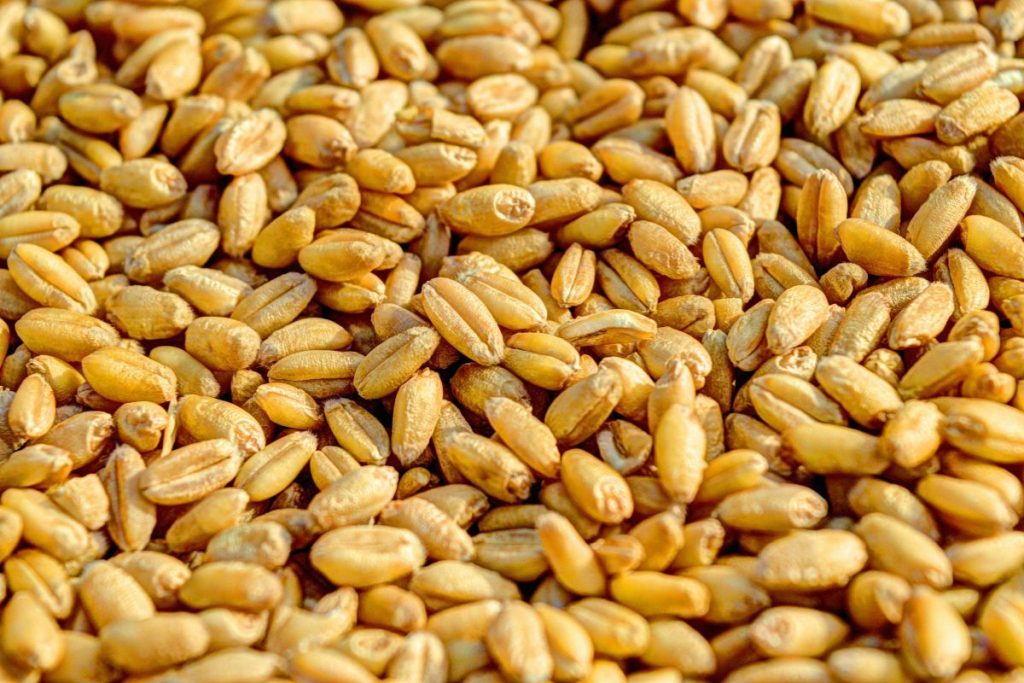
Cultivating these grains is only part of the story. Once harvested, spelt, einkorn, and emmer still need careful post-harvest handling to preserve their nutritional integrity. Modern grain drying equipment helps producers manage moisture levels effectively, ensuring these ancient varieties retain their distinctive flavour and quality before reaching kitchens and consumers today.
Today, the revival of traditional grains is part of a broader movement towards preserving biodiversity and promoting sustainable farming practices. By choosing these grains, consumers can support efforts to maintain agricultural diversity and protect heritage crops from extinction.
Flavour Profiles And Health Benefits
Traditional grains are prized for their distinctive flavours, which add depth and complexity to dishes. Spelt offers a mild, nutty taste, while einkorn has a subtly sweet flavour. Emmer, on the other hand, provides an earthy richness that enhances a variety of recipes.
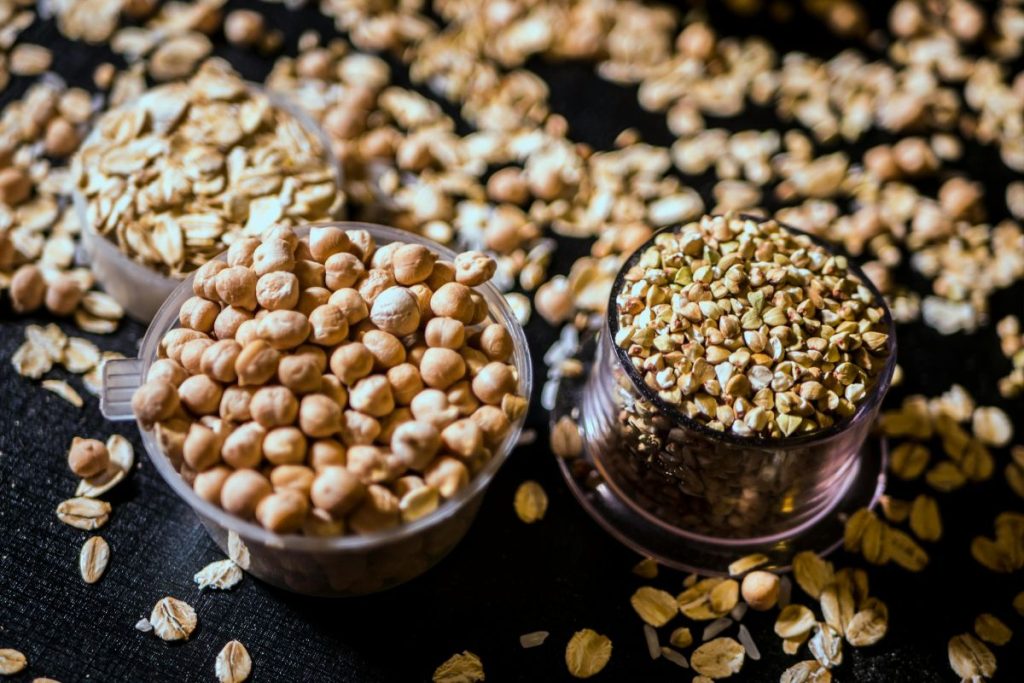
In addition to their culinary appeal, these grains are packed with nutrients. Spelt is high in protein and fibre, making it a great choice for those looking to improve their digestive health. Einkorn contains higher levels of antioxidants, which are beneficial for overall wellness. Emmer is rich in essential minerals like magnesium and iron, supporting various bodily functions.
Incorporating traditional grains into your diet can offer numerous health benefits while introducing new flavours to your meals. Their nutritional profiles make them an excellent alternative to more common grains, providing a wholesome and satisfying eating experience.
Integrating Traditional Grains Into Daily Meals
Adding traditional grains to your diet is easier than you might think. These versatile ingredients can be used in a variety of dishes, from salads and soups to baked goods and side dishes. Their unique textures and flavours can elevate everyday meals, making them more enjoyable and nutritious.
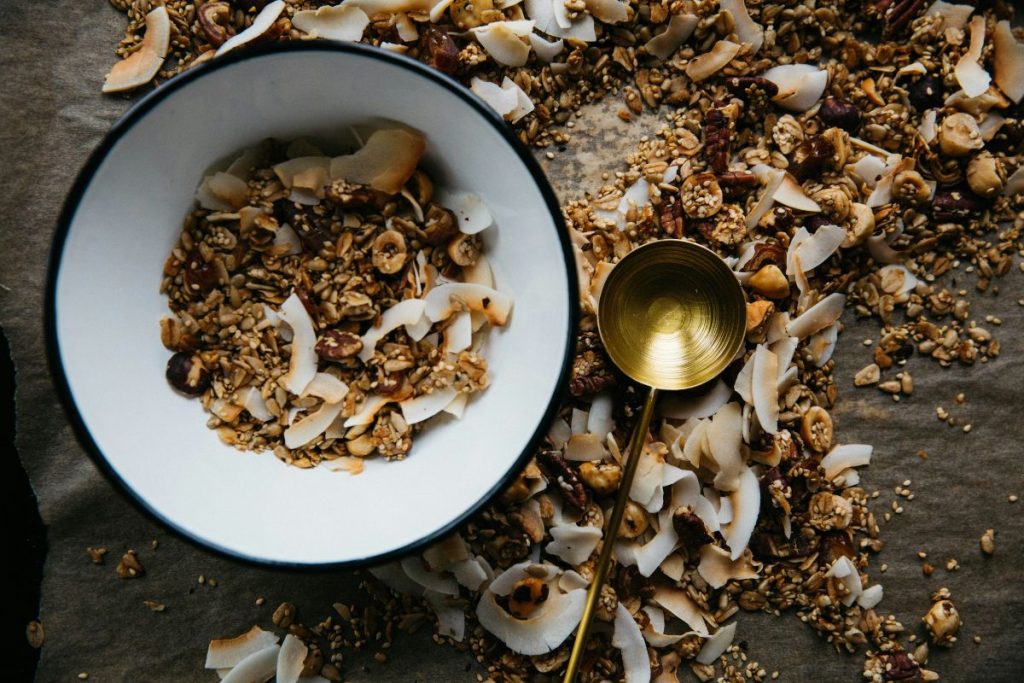
For example, try using spelt flour in your baking for a nutty twist on classic recipes. Einkorn can be cooked and served as a hearty side dish, similar to rice or quinoa. Emmer can be added to soups and stews, providing a robust texture and flavour.
By experimenting with traditional grains, you can diversify your diet and explore new culinary possibilities. Their integration into modern cuisine not only enhances meal variety but also supports sustainable agricultural practices. Embracing these grains is a step towards a more balanced and environmentally conscious lifestyle.
Images courtesy of unsplash.com and pexels.com